Why Do We Constantly People-Please?
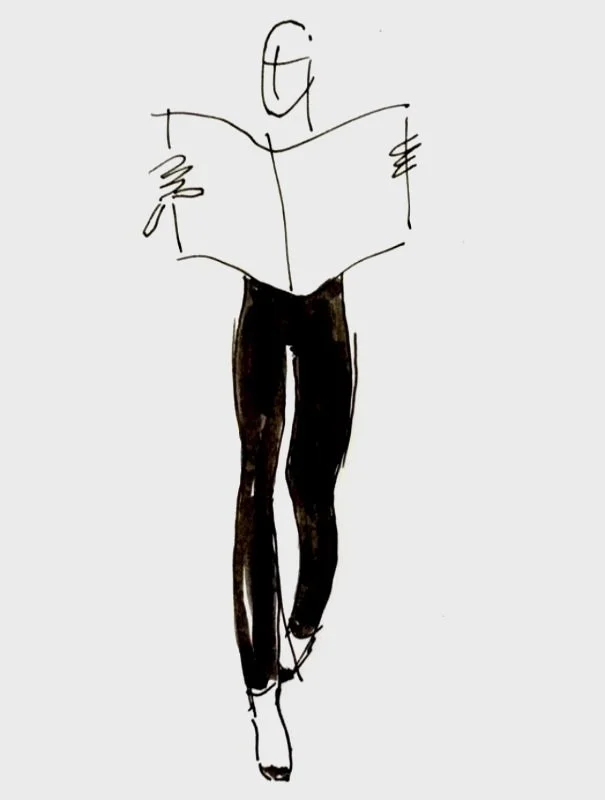
By Wim Langedijk for HURS
Why Do We Constantly People-Please?
HUR Reads is our definitive shortlist of the most prominent articles from around the web.
By HURS Team
1
‘It’s Following Me No Matter What — I Have to Make Meaning of It’
After a Lyft driver assaulted her in 2019, nurse Cristen Giangarra rebuilt her life while pursuing justice against both the man and the company she believes failed to protect passengers. Nearly seven years later, as her case heads to trial, Giangarra speaks candidly about trauma and survival. What drives her now is not revenge, but the conviction that no survivor should feel abandoned, or reduced to a statistic.
THE CUT
Once eclipsed by the reputations of her male peers, Nancy Holt is reconsidered as a singular voice in land art, and one whose work prioritized attention and coexistence over spectacle. This article revisits Sun Tunnels against the backdrop of environmental deterioration in Utah, where drought and industry have transformed the surrounding terrain. Decades later, Holt’s practice feels strikingly contemporary, inviting viewers to think less about mastery over nature and more about our uneasy dependence on it.
FRIEZE
Stunt performer Ayesha Hussain traces her deep connection to Ouarzazate, Morocco’s cinematic desert city on horseback. What began as a chance stopover became a recurring refuge, later serving as the backdrop for filming Gladiator II. In this FT travel profile, Hussain reflects on discovering her Rajput lineage, training in sword combat and horsemanship, and finding unexpected community in the High Atlas mountains, a place she now associates with both personal healing and adventure.
HOW TO SPEND IT
Everlane once sold more than minimalist basics: it marketed an entire millennial fantasy of tasteful consumption and ethical manufacturing. In this essay, the brand’s sale to Shein becomes a symbol of a broader collapse: the slow unraveling of direct-to-consumer optimism into corporate consolidation and “slop.” As once-beloved lifestyle companies are absorbed, hollowed out or repurposed, the promise that technology could deliver better, more thoughtful consumer culture feels increasingly difficult to believe.
THE NEW YORKER
Therapist and author Kelly McDaniel explores the concept of “Mother Hunger”: the lingering ache created when core emotional needs like nurturing, safety and guidance go unmet in childhood. Framed not as blame but recognition, the conversation examines how early emotional deprivation can shape people-pleasing, anxiety, addiction and feelings of inadequacy in adulthood. McDaniel offers language for experiences many struggle to define, alongside practical ways to begin healing through self-trust, boundaries and emotional care.