WOMEN ON
Our new essay series platforming unfiltered writing from women across culture. First-person reflections, sharp observations, and personal takes on the issues shaping how we live, work, create—and think.
Featured
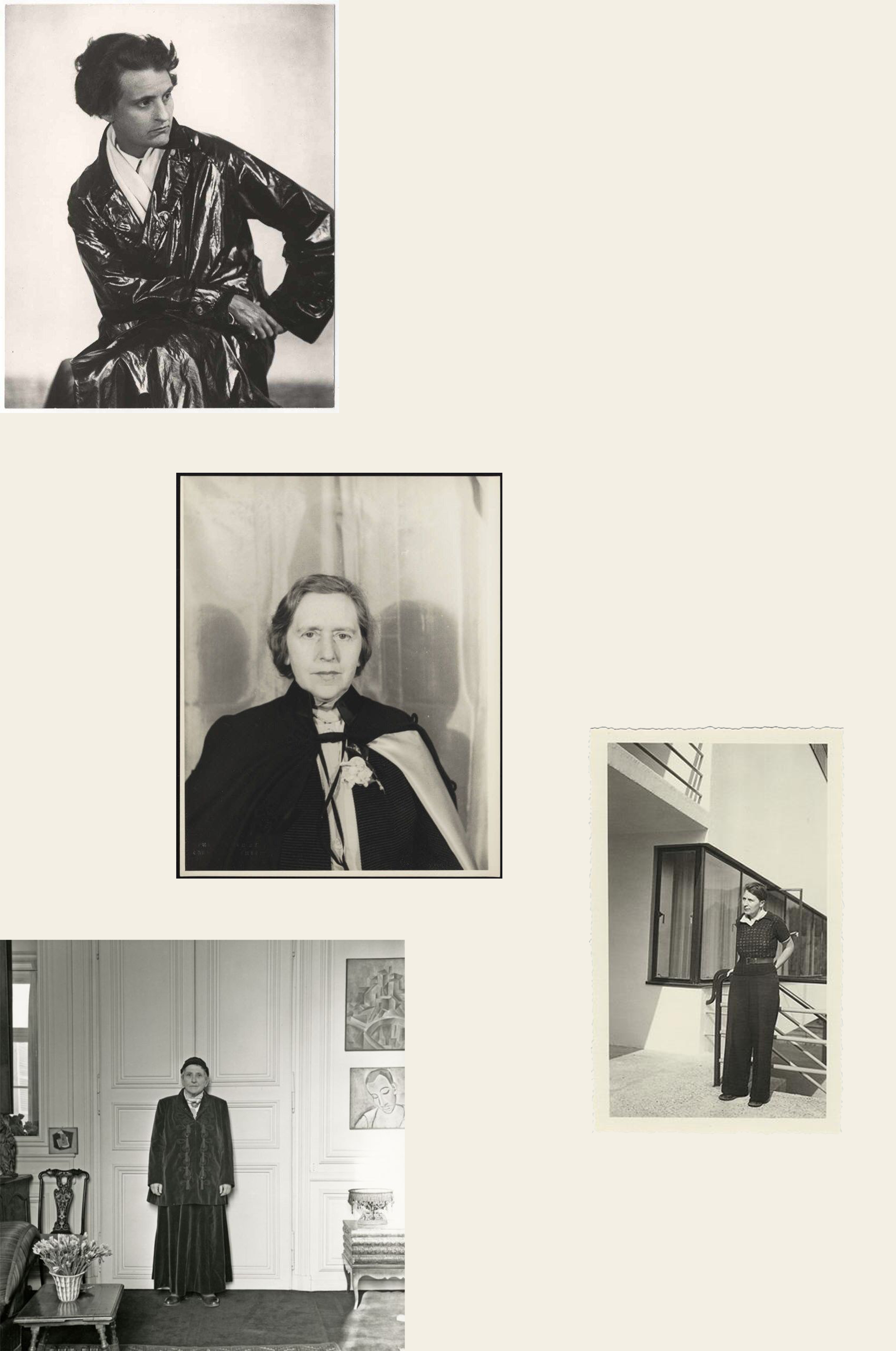
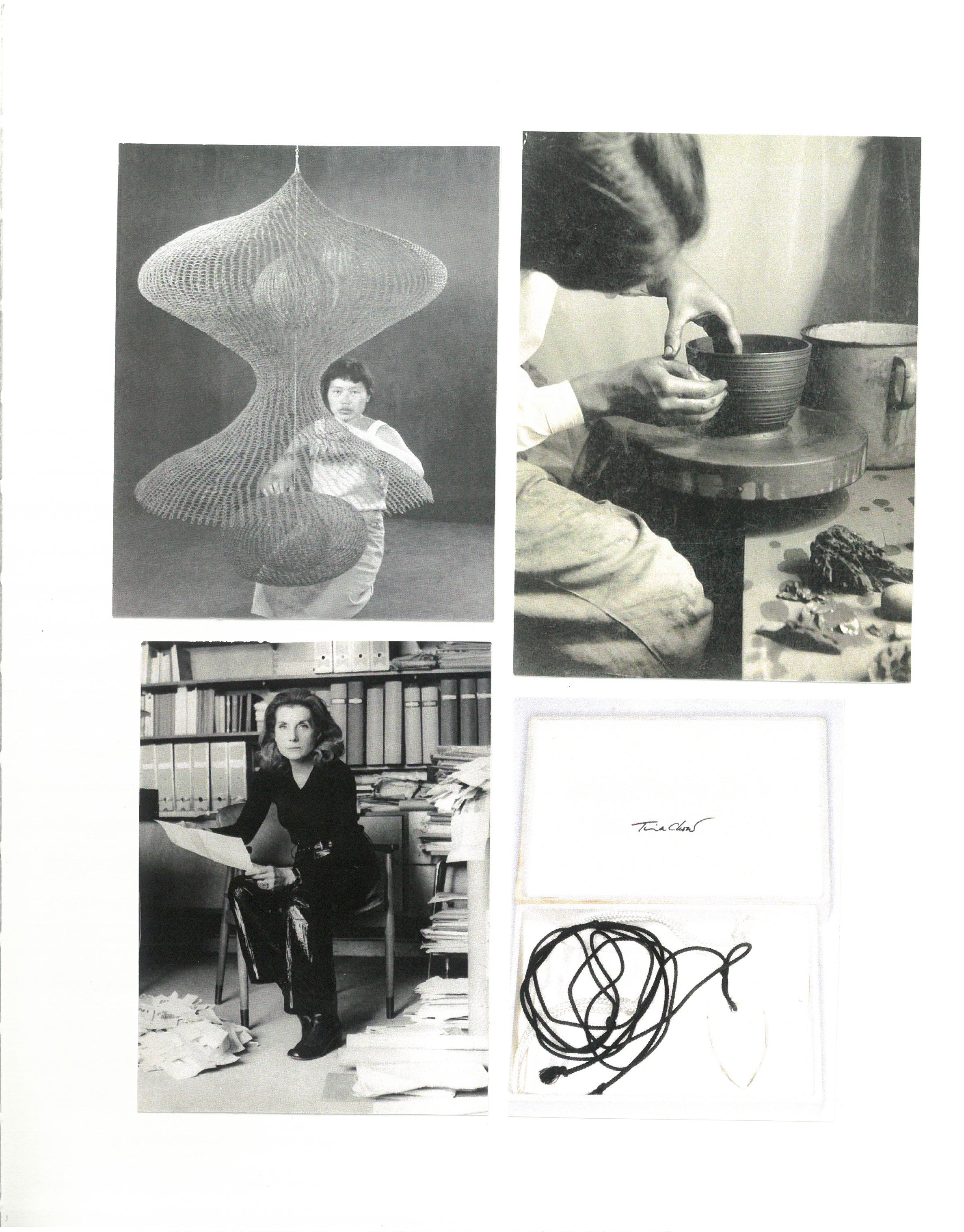

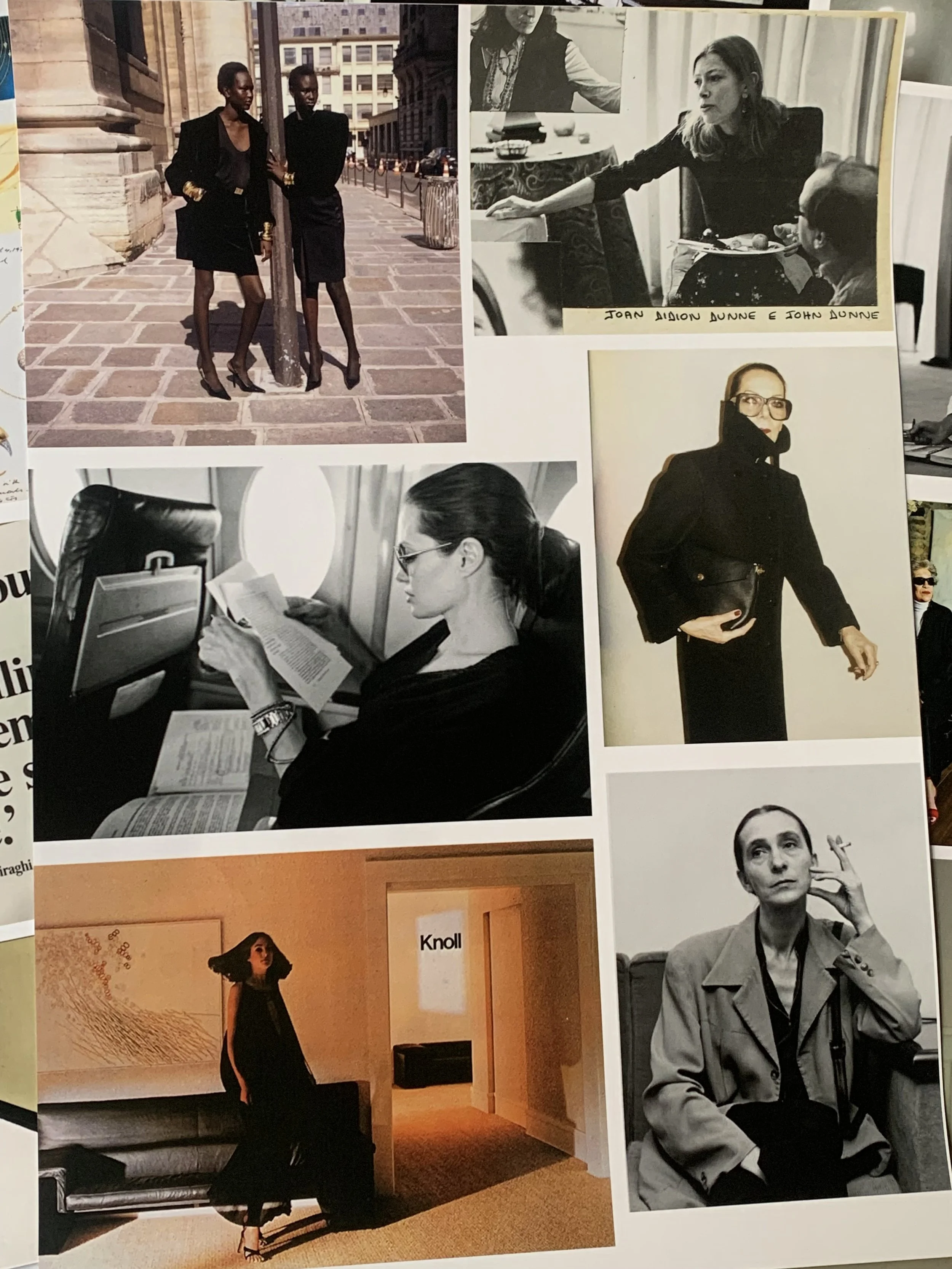




In 1920s Paris, four women stopped waiting for a culture built to include them and built their own instead. Julieta Ruiz recovers the almost-forgotten word for what held them together, matronage, and argues that a century later, as old certainties collapse again, women are once more remaking the world from the ground up rather than asking permission to enter it.
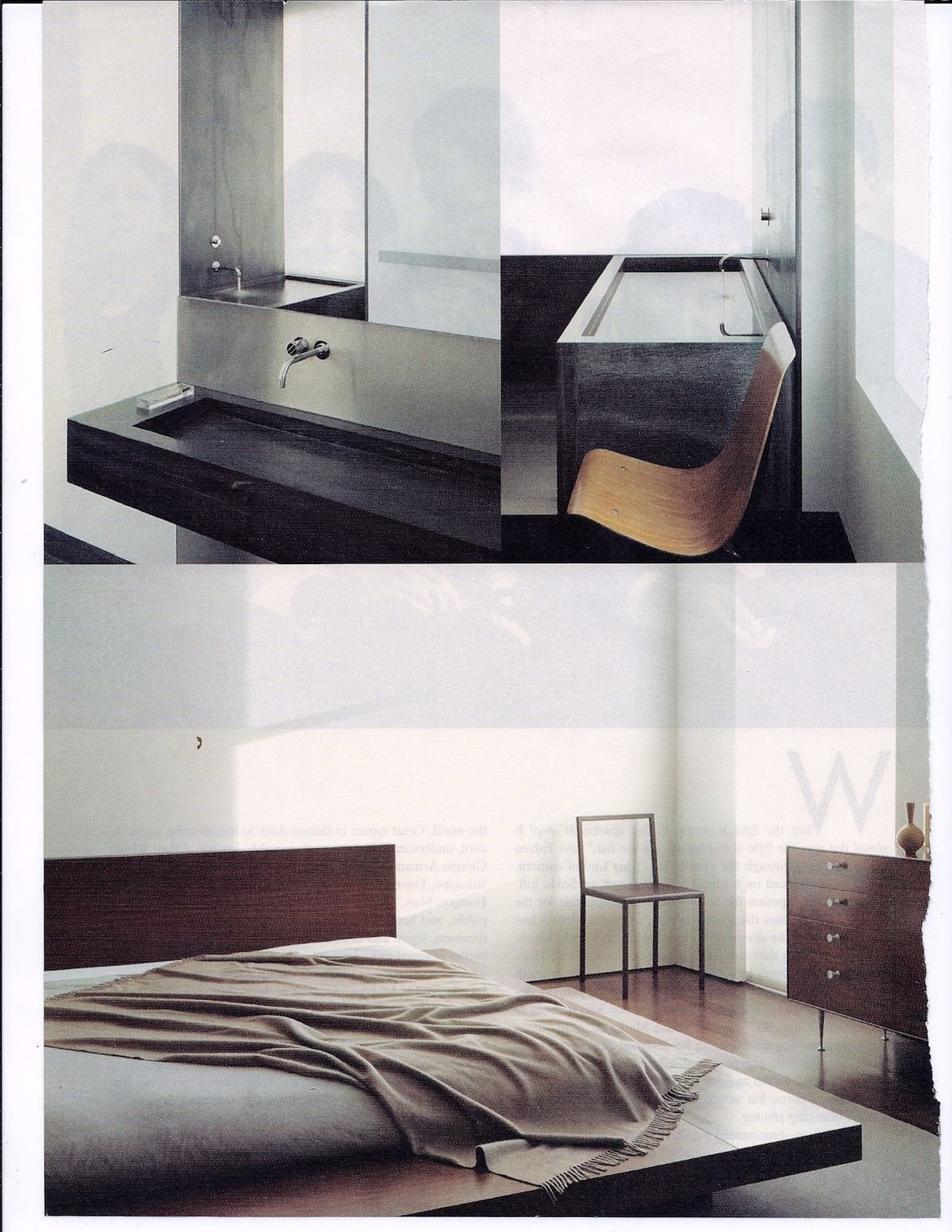
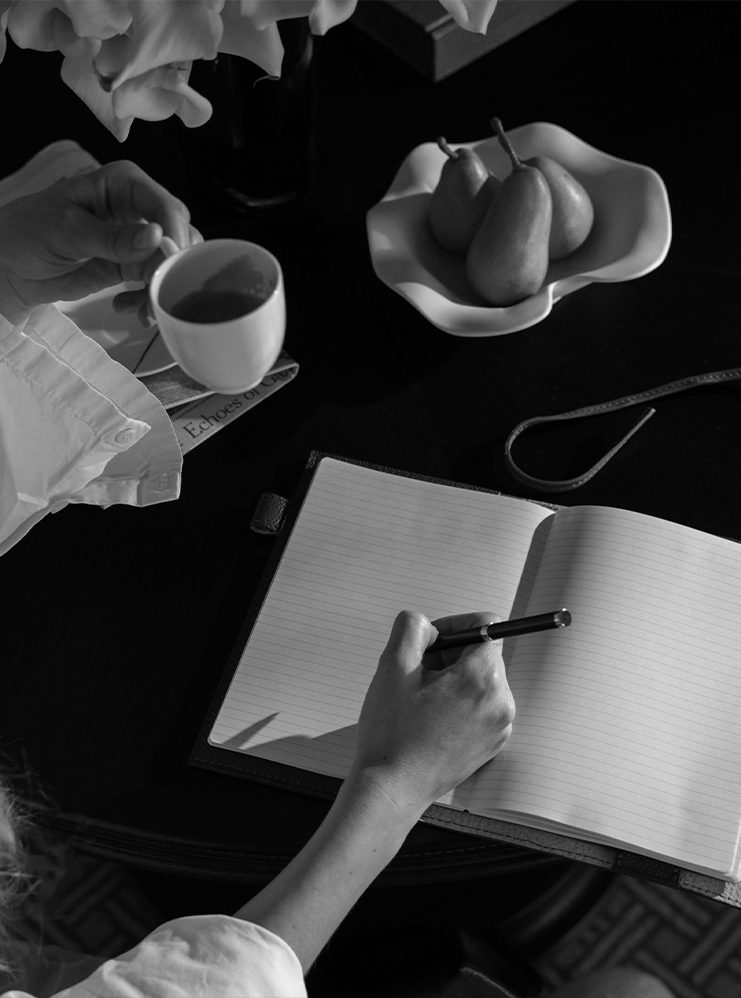
A tidy home is a boring home, or so Katie McCrory was taught, growing up in a feminist household where homemaking was seen as a trap for women. In this essay, the writer and researcher traces her journey from inherited distrust of domesticity to an unapologetic obsession with it, asking a deceptively simple question along the way: what is the feeling of home?
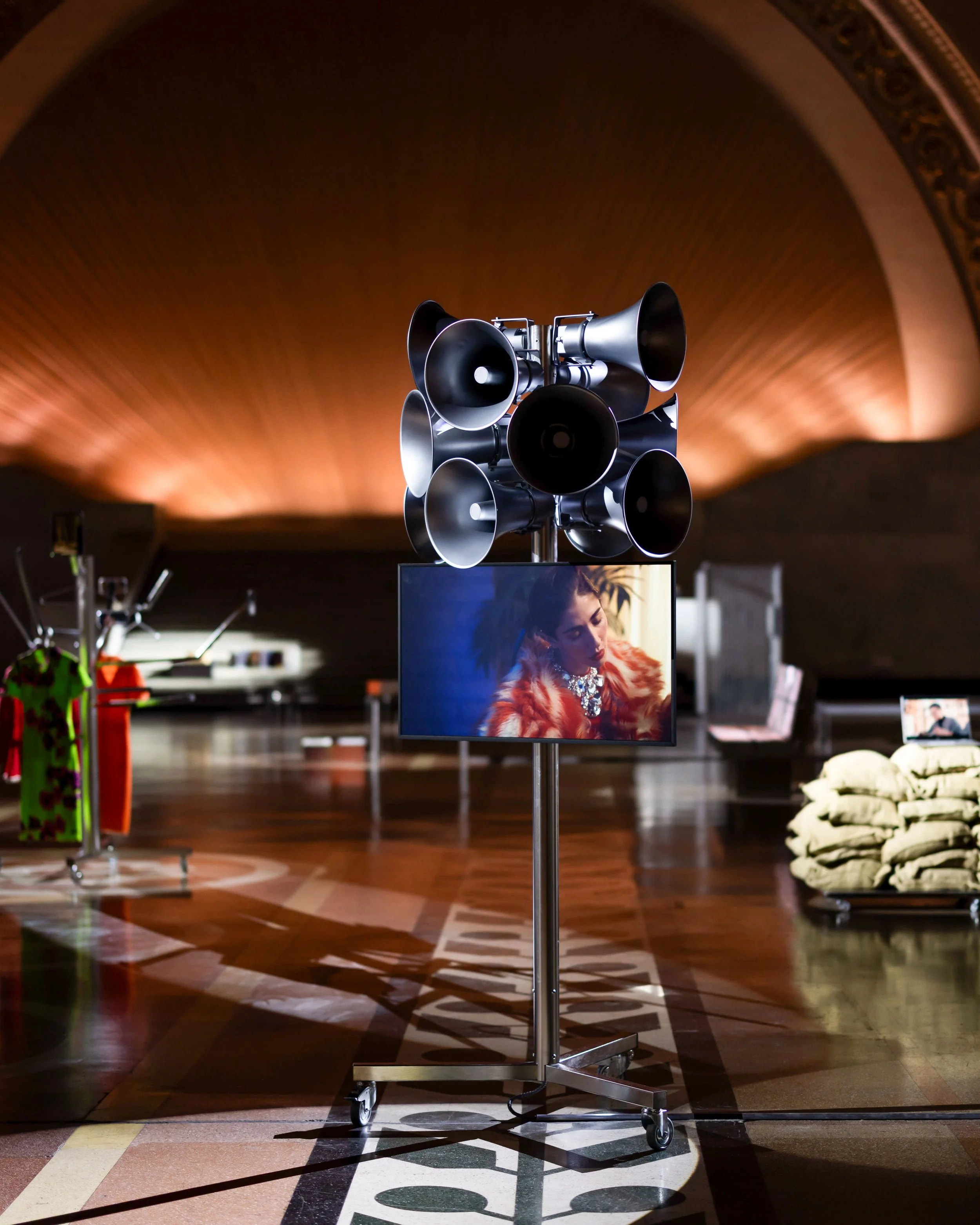
Bonnie Langedijk traces storytelling back to the women who kept it alive long before they were allowed to write it down. Occasioned by Miu Miu's Tales & Tellers in Shanghai, her essay asks what separates telling a story from keeping one, and why the keeper of the record has so often been a woman.
Valerie van Maarschalkerwaart on what it means to love a city that is simultaneously beautiful and dangerous, and how grace emerges in the chaos.
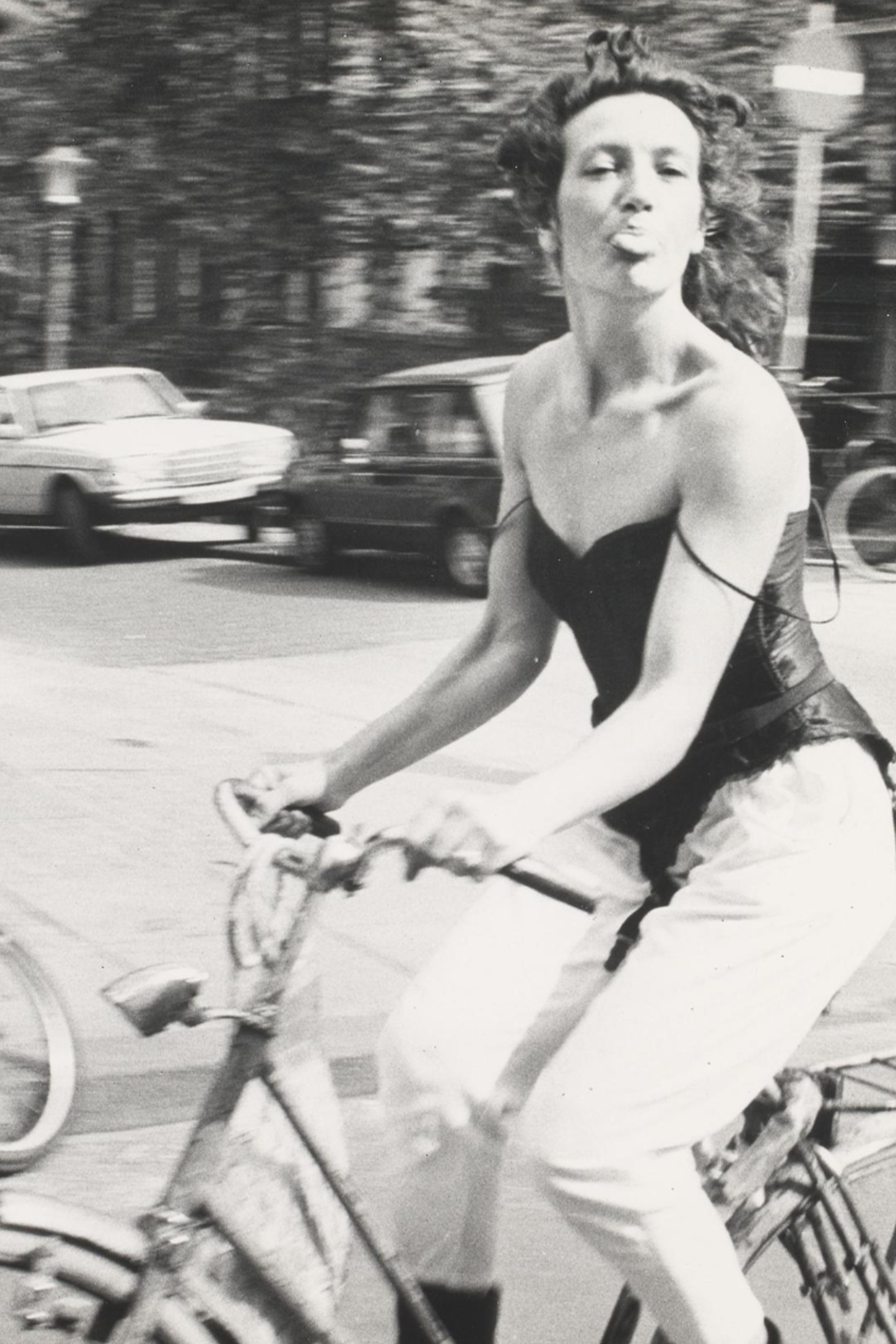
Hye-Jin Ris Kim reflects on a life built around flânerie, the French art of wandering with intention, and asks: in a world that rewards speed and certainty, what do we lose when we stop allowing ourselves to drift?
Bonnie Langedijk reflects on a panel at Miu Miu's Literary Club in Milan, built around Annie Ernaux's A Girl's Story, and asks: if shame around female desire hasn't actually changed, where does that leave us?
Dianna Cohen, founder of Crown Affair, explores what it means to build a business at your own pace and why leading with care, presence and feminine energy is anything but passive.
Danish jewellery designer Orit Elhanati makes the case against disposability in design, in culture, in how we move through the world. Her essay argues that depth, weight, and permanence are not liabilities but acts of quiet resistance in an era obsessed with the instantly consumable.
Bonnie Langedijk traces the phrase "a woman's work" from domestic kitchens to modernist studios, unpacking how centuries of creative labor was dismissed, misattributed, or simply declined to be seen.
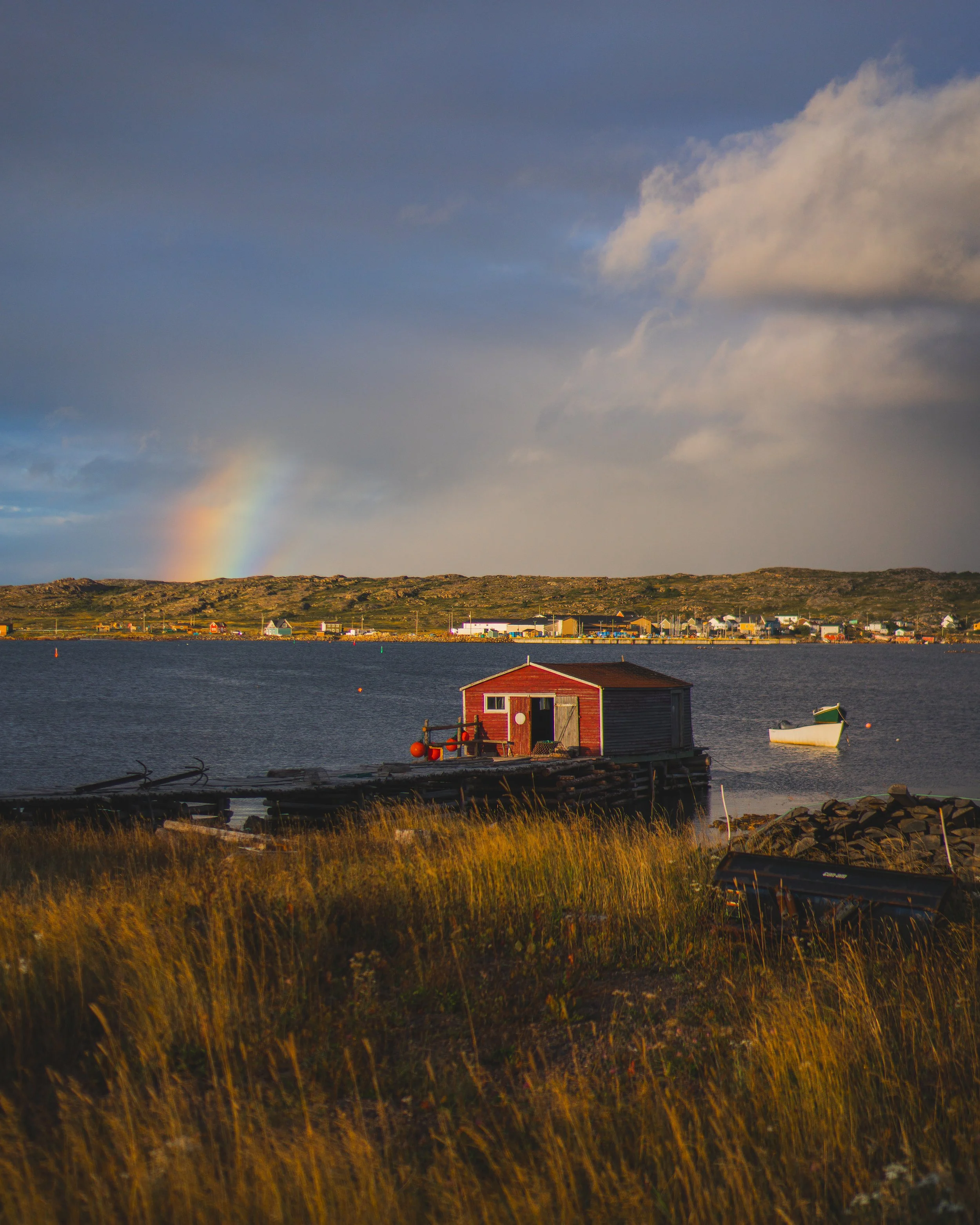
Zita Cobb, founder of Fogo Island Inn and one of the most singular voices in tourism, on why the real work of hospitality isn't about capturing market share, but about whether what you're building will still matter in a hundred years.
Fleur Huijskens on why the world of wellness has become too rigid, too masculine, too serious, and what happens when women lead from joy, intuition and play instead.
Alexandra Pisani, General Manager of Corinthia Palace, on the gap between what wellness spaces promise women and what they actually deliver, and why depth can't be engineered through aesthetics alone.
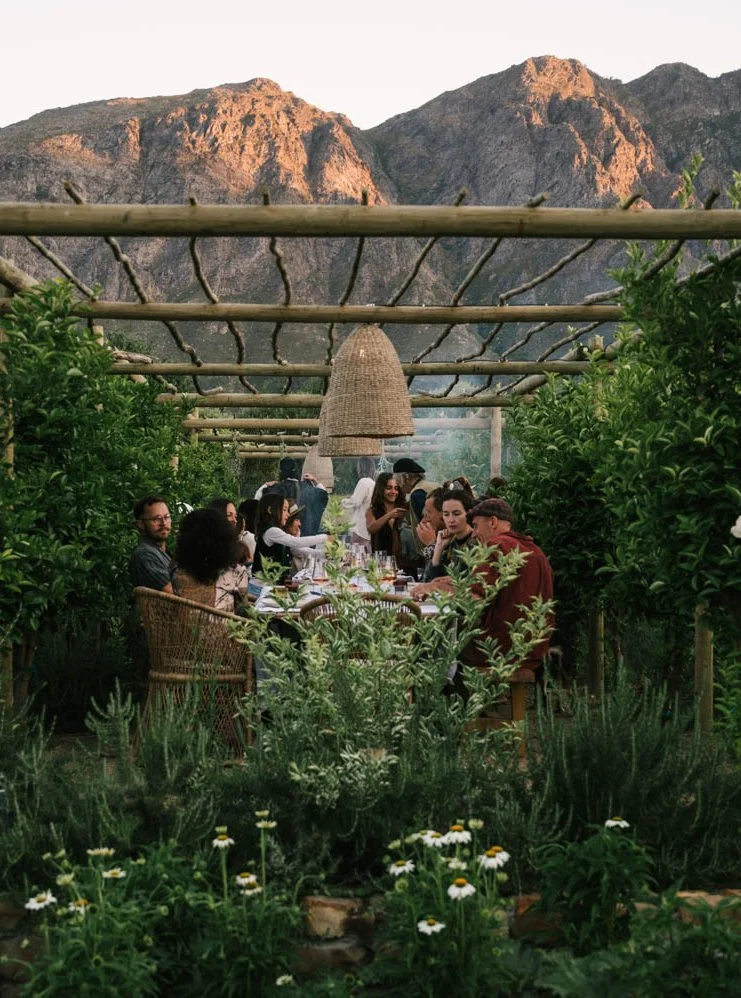
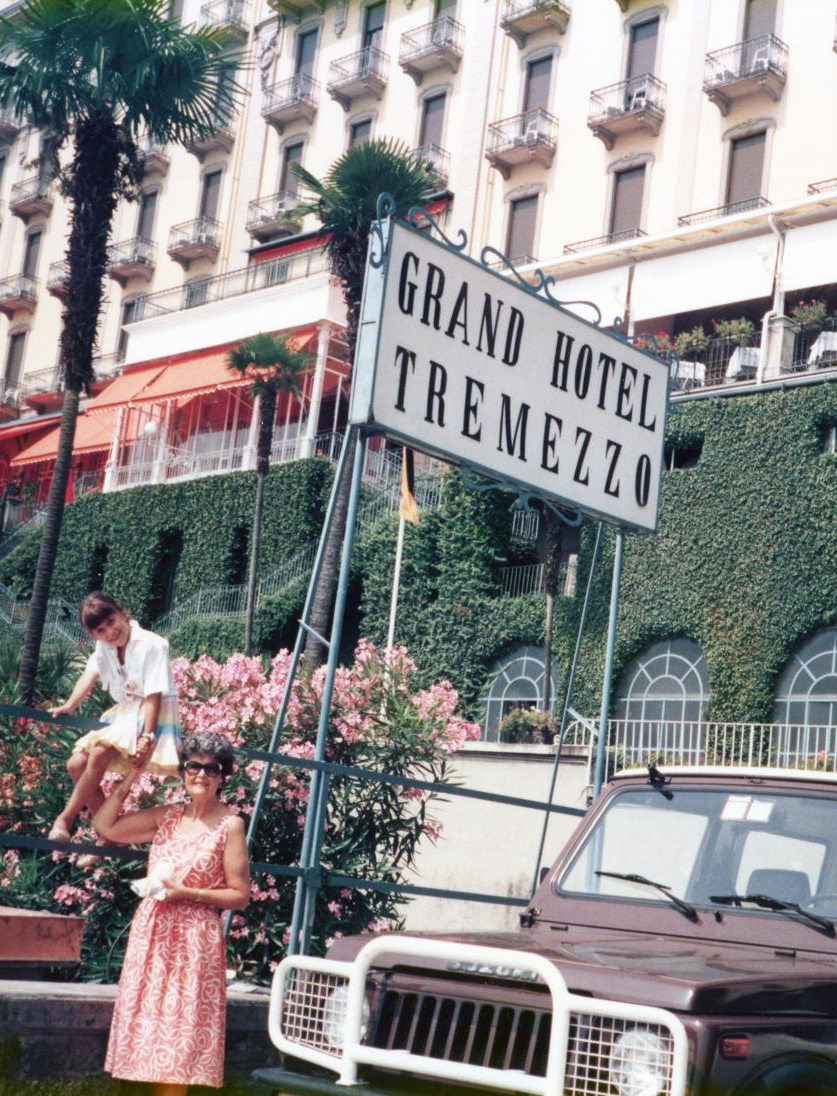
Valentina De Santis, owner and CEO of Passalacqua and Grand Hotel Tremezzo, on growing up roaming hotel corridors, what changes when women lead with what she calls la vera accoglienza — and why she's never quite outgrown her inner Eloise.
Who gets to build the future of hospitality? SmartFlyer COO Erina Pindar asks the question in the first of five essays we're publishing in partnership with HERitage — SmartFlyer's collective connecting the women shaping hospitality's most culturally compelling properties.
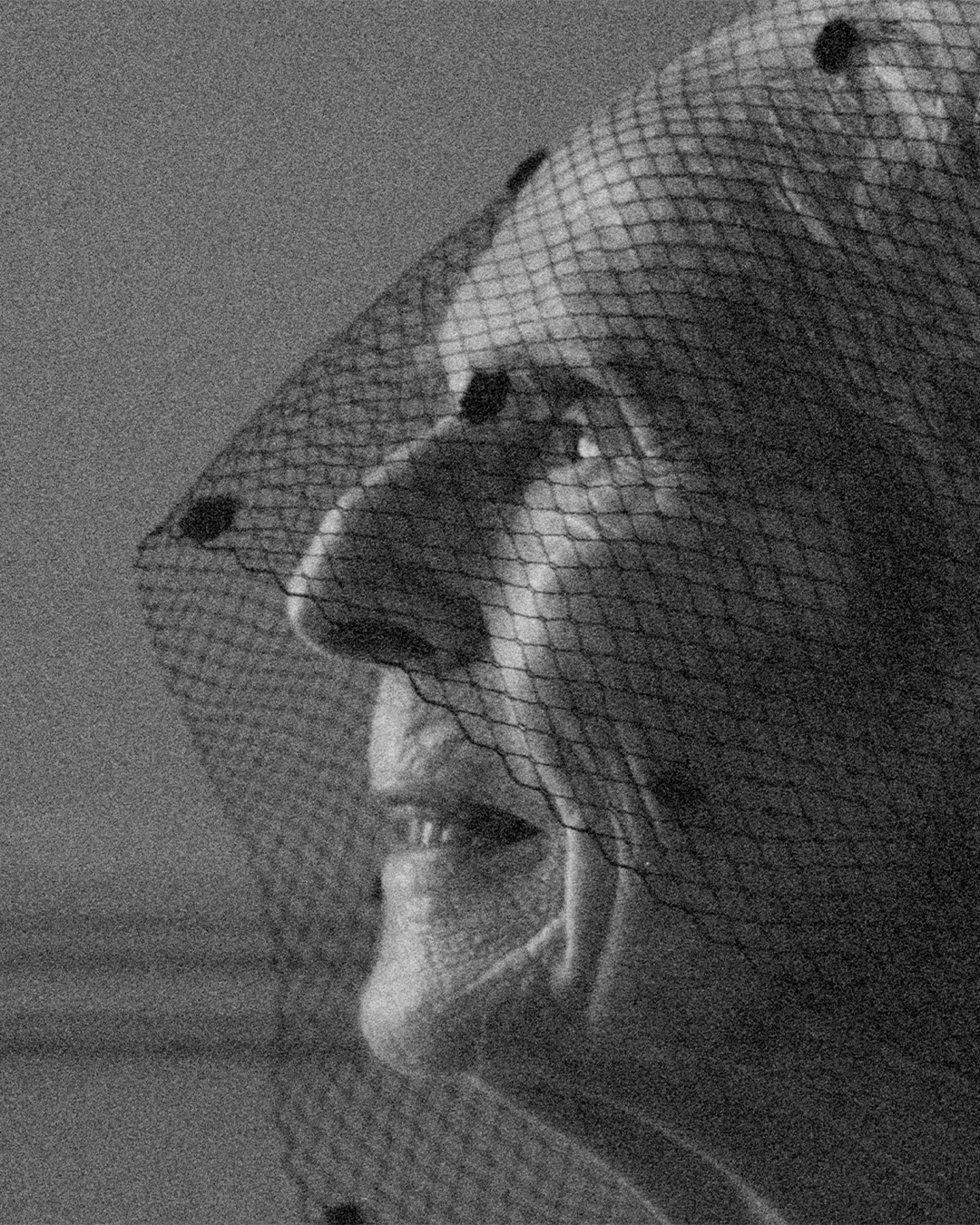
Photographed by Nikki McClarron, this is a collaboration between Grace Margetson and her grandmother, who turns 96 this month, at her home in Dublin as she tells stories and styles herself in Irish designer Simone Rocha.
Bonnie Langedijk traces the resurgence of "girlhood" from eighteenth-century origins to hashtagged infinity. Her essay questions whether the pink-hued retreat into childhood is harmless nostalgia or a gilded cage—and what it might mean to insist, unapologetically, on being women instead.
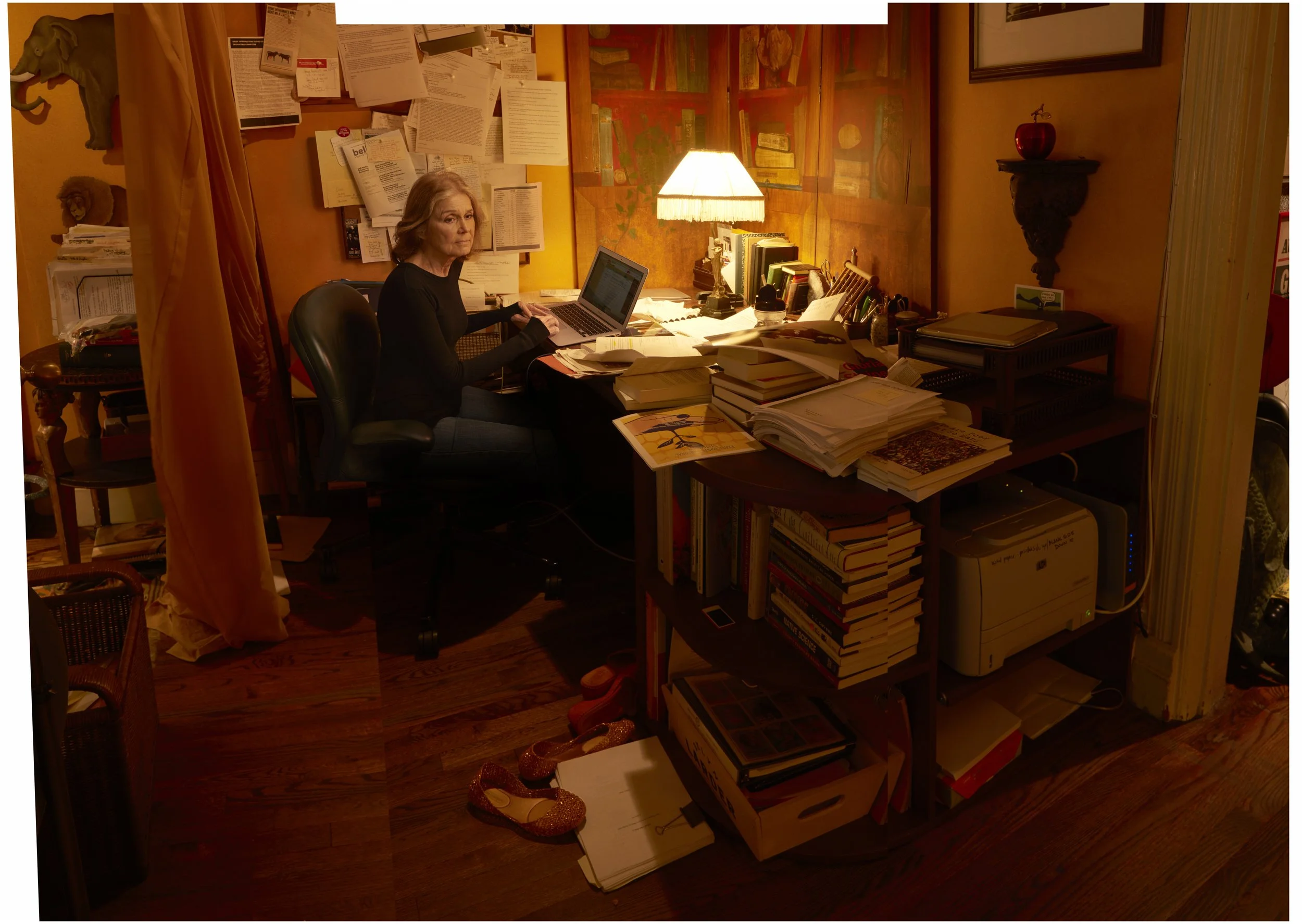
Gloria Steinem reflects on the 25 years since Annie Leibovitz first published Women, offering perspective on progress made and ground still to cover. Her essay explores what has changed in how women are seen, and what work remains in how we see ourselves.
Photographer and stylist Savannah White traveled to the high desert of Arizona to visit Arcosanti, the half-built city where architecture, ecology, and idealism still converge.
Designer Kim Mupangilaï recognizes herself in Lina Bo Bardi's work, shaped by dual heritage just as her own practice merges Belgian and Congolese identities. Mupangilaï dives into how Bo Bardi built an architecture of dialogue between Italian modernism and Brazilian culture, proving that belonging to more than one place isn't a contradiction but a gift.
Architect Masako Hayashi taught Rie Azuma that Japanese housing culture could be expressed in a single observation about wind flowing through a space. Azuma reflects on her professor's teachings about sections, eaves, and the fusion of Japanese tradition with modernity that continues to shape her practice today.
Dahlia Hojeij Deleuze and Racha Gutierrez explore how the self-taught Madeleine Castaing reminds us that a space is not an image but a narrative.
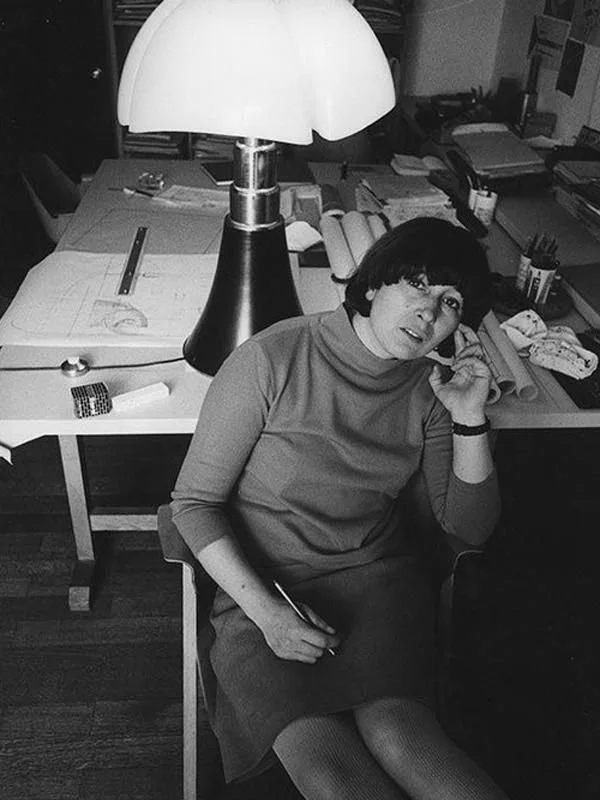
Interior designer Brigette Romanek reflects how Gae Aulenti's work has taught her that design isn't about perfection but about connection, that being different is something to celebrate, and that the best spaces express what words cannot.
When slow craft meets fast culture — A conversation on authorship, value, and the unseen work that shapes what we love. In partnership with CHANEL.
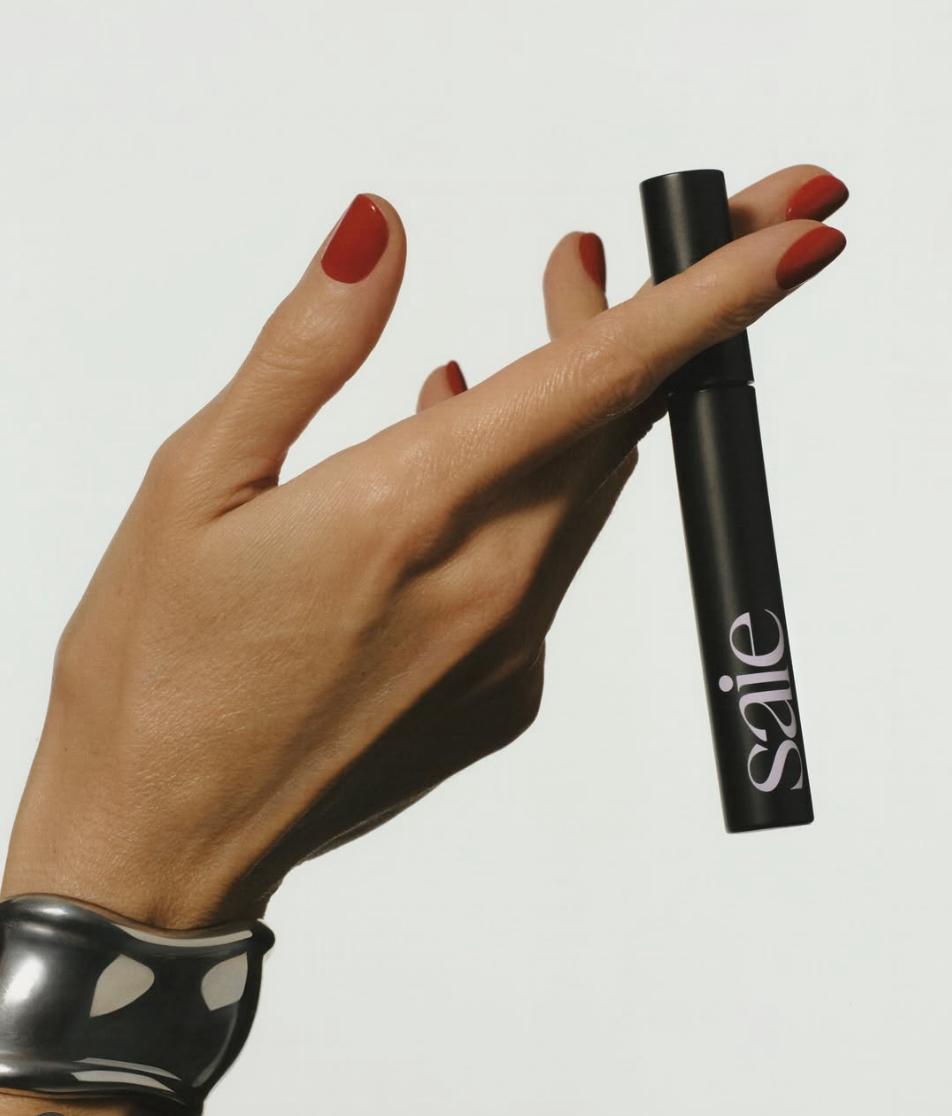
Saie founder and CEO Laney Crowell on why care is strategy, not softness, and how empathy, clarity and long-term thinking can drive real performance and progress.
Good Culture Inc. co-founder Jordan Mitchell shares her take on the importance of representation in media and what’s needed to disrupt and change the landscape.
Platform13 CEO and CSO Leila Fataar shares her thoughts on the current state of media and why we should champion women’s media outlets.
Veuve Clicquot CMO Carole Bildé shares her thoughts on female entrepreneurship and the duality of the word empowerment.
Everyone is an expert now, and almost no one is. In her latest essay, Bonnie Langedijk asks how confidence came loose from competence, why we believe the ring light over the researcher, and whether real expertise can survive a culture that rewards speed over depth.