The Bold Revival of Art Critique
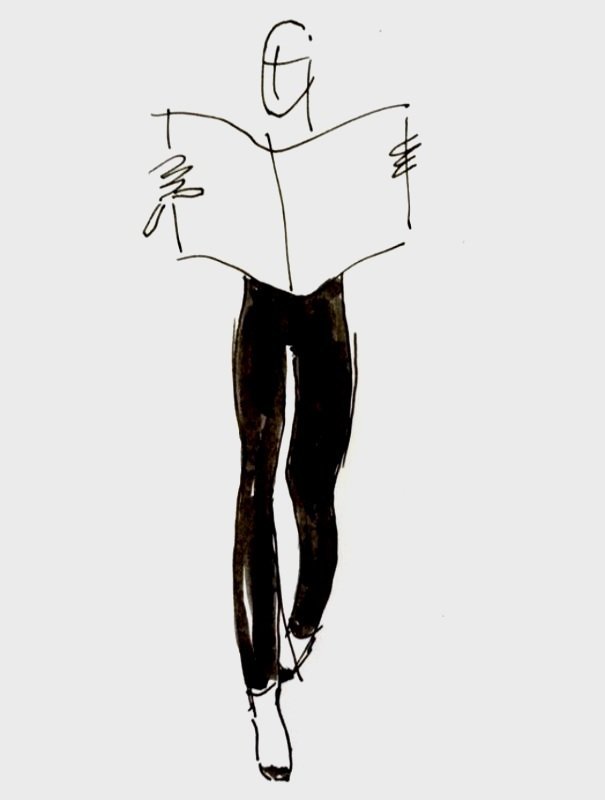
By Wim Langedijk for HURS
The Bold Revival of Art Critique
HUR Reads is our definitive shortlist of the most prominent articles from around the web.
By HURS Team
1
For Her Next Act… Dior’s Maria Grazia Chiuri Is Reopening an Abandoned Theatre
Dior’s creative director Maria Grazia Chiuri is leading the restoration of the historic Teatro Valle in Rome — one of Italy’s oldest theatres, which has stood abandoned for over a decade. Working alongside her daughter Rachele Regini, Chiuri aims to transform the dilapidated venue into a vibrant hub for contemporary arts, performance, and dialogue. The project is deeply personal for Chiuri, who grew up in Rome and has long championed the intersection of fashion, feminism, and culture.
HOW TO SPEND IT
This article explores how anonymous writers are shaking up the art world by saying what many won't: that much of art writing today feels too polite, and more like PR than honest critique. Platforms like Spittle and Hollywood Superstar Review give writers the freedom to question big-name galleries or bland shows without professional fallout. These anonymous voices aren’t trying to be cruel—they want criticism to mean something again. But it’s a fine line: while it allows for bold truths, it can slip into gossip or bad faith. Still, it reflects a deeper hunger for sincerity in how we talk about culture.
FRIEZE
Many women with ADHD report that their medications stop working just before their periods—leaving them exhausted, unfocused, and overwhelmed. This compelling article explores the emerging, anecdotal connection between hormonal cycles and ADHD symptom management, a topic largely ignored in male-centered research. Through personal stories and early scientific findings, it reveals a critical gap in care and understanding. As awareness grows, so does the urgency for better treatment approaches. If you’ve ever felt your attention shifts with your cycle, this is a must-read.
THE CUT
Maxime Toscan du Plantier traces the evolution of the French Riviera, or "Côte d’Azur," from a feared coastline to a global symbol of luxury, largely shaped by 19th-century British health tourism. Originally seen as dangerous, the Mediterranean coast was rebranded as therapeutic by British doctors, attracting aristocrats seeking a mild climate. They built villas, promenades, and health resorts, setting the stage for the Riviera’s transformation into a glamorous destination. Over time, sunbathing replaced winter recovery, and mass tourism followed. The “Riviera” became a global template—an idea more than a place, often detached from its cultural roots.
A RABBIT’S FOOT
Julia Halperin dives deep in a studio visit with Sam Moyer, a rising Brooklyn-based artist renowned for her “stone paintings”. Moyer makes use of marble, glass, plaster and other materials to create illusionistic works that invite viewers to slow down and look closely. She has been aptly labeled “one of the masters of playing with materials of our moment”, and is currently featured in simultaneous exhibitions at Sean Kelly Gallery and the Hill Art Foundation. Her art draws on early exposure to set design and her daily life as a mother, while her ongoing practice meditates on themes such as presence, transformation and impermanence.