Alex Crowder
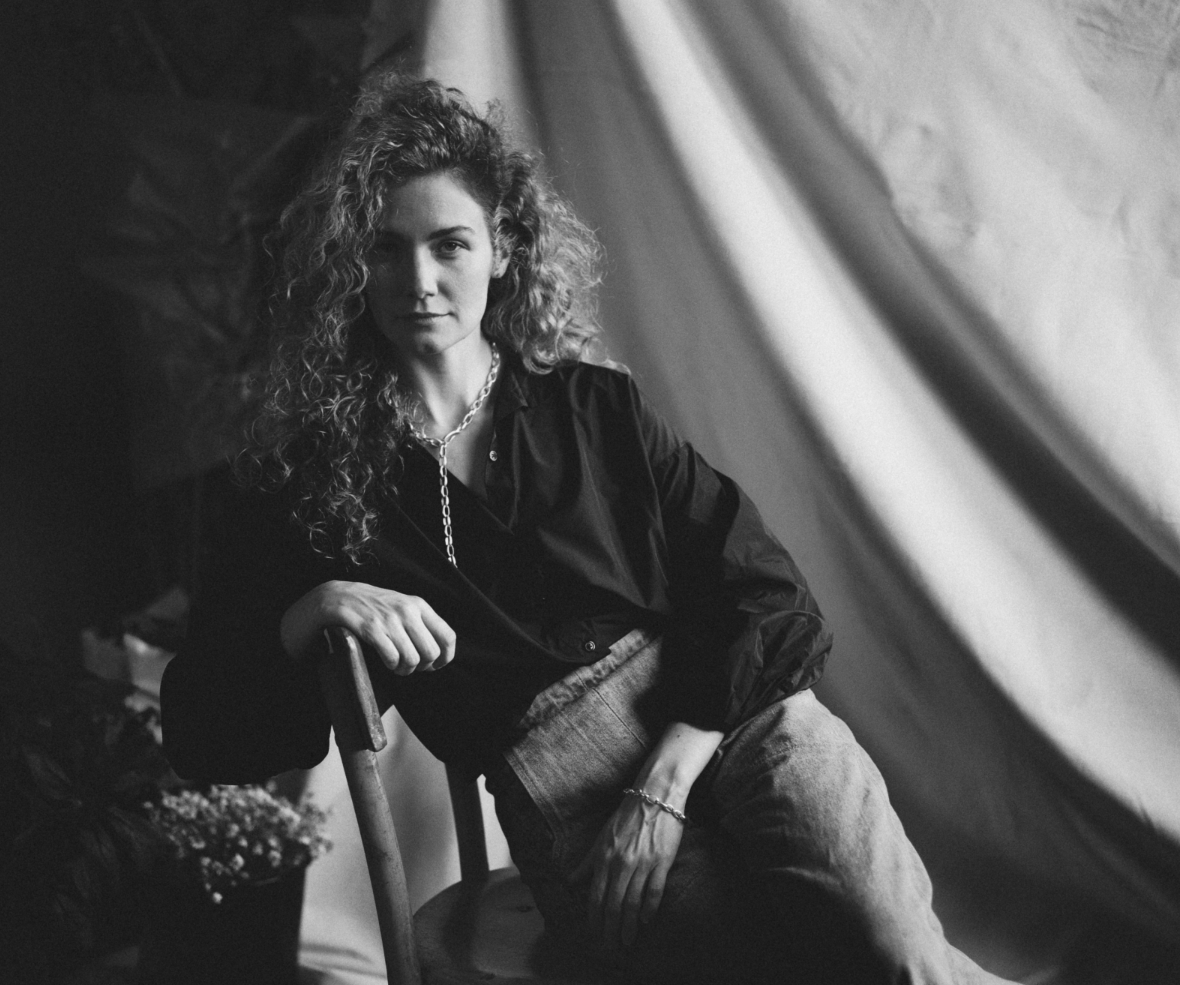
Courtesy of Alex Crowder
HURS CURATORS
ALEX CROWDER
The florist shares her favorite documentary, solo travel destination and woven baskets
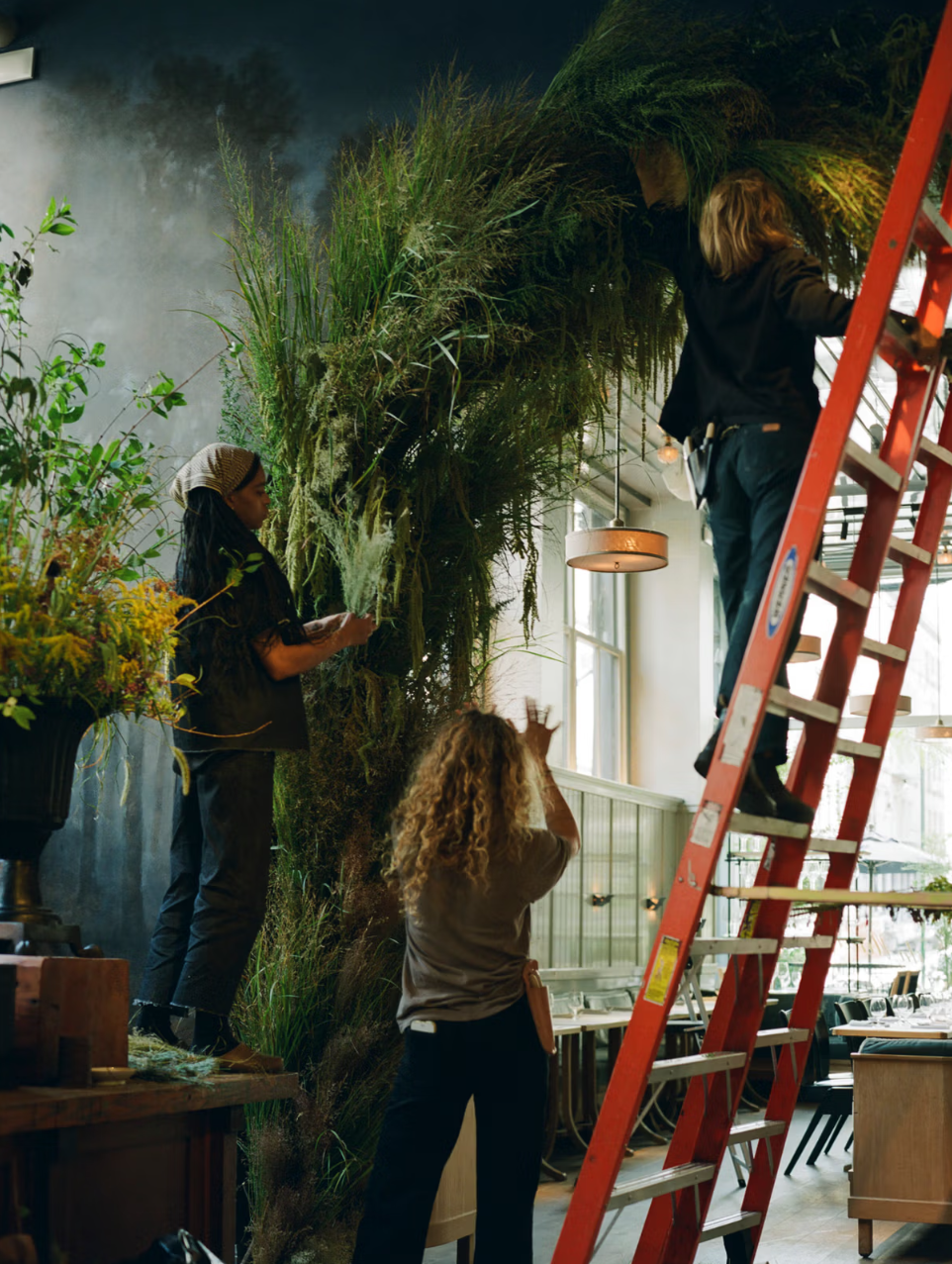
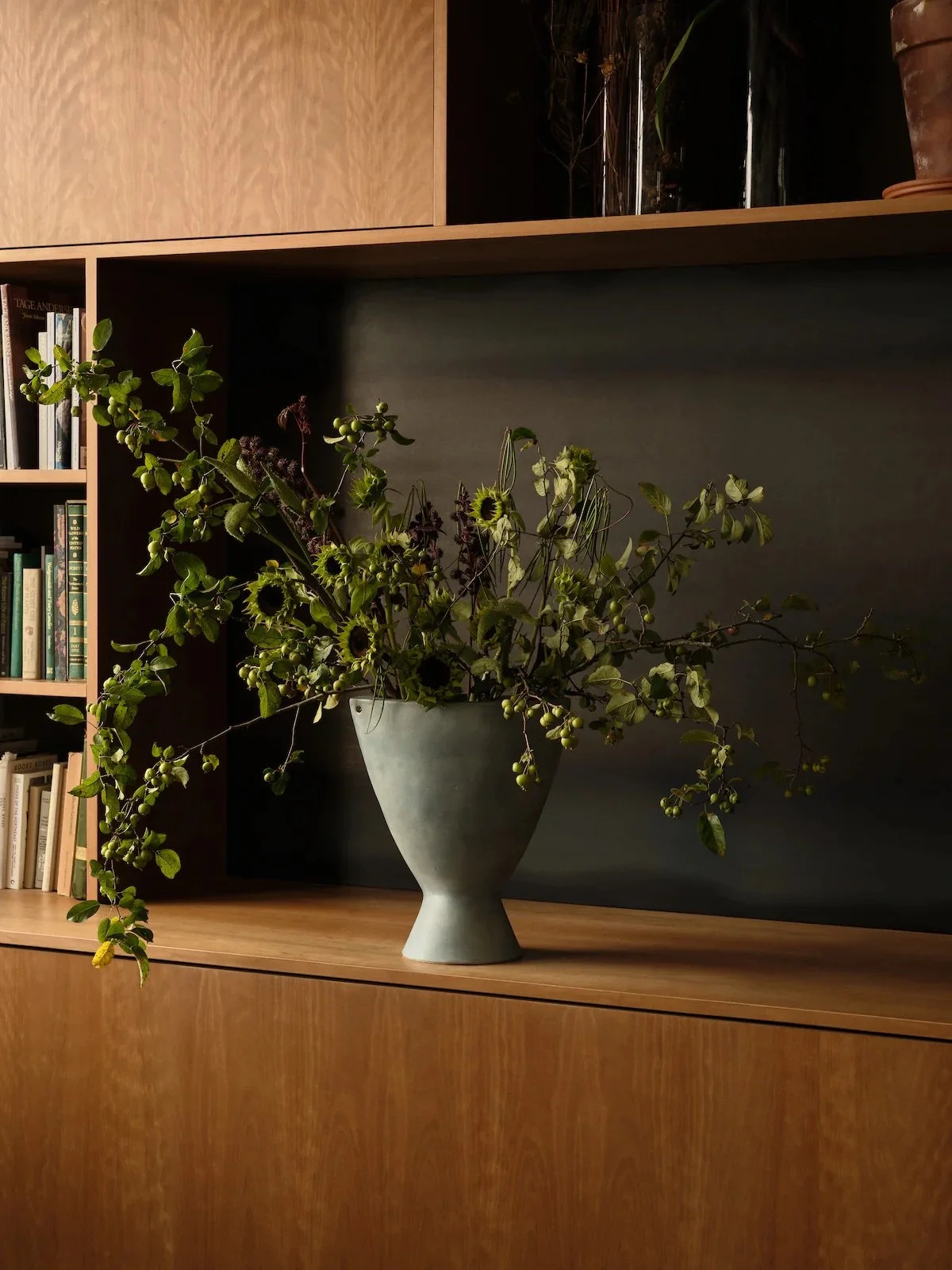
Alex Crowder does not think of flowers as decoration. The founder of Field Studies Flora, the New York studio she started in 2020, she approaches floristry as fieldwork, something you go out and study. Raised in Missouri's Ozark Mountains, where she spent her childhood assembling structures out of sticks, mud, and wildflowers, she has spent the past decade turning that instinct into a practice built on transparent sourcing, seasonality, and local ingredients. She studies every stem and branch before she cuts it, convinced that the craft has to evolve in step with the ecosystems it draws from. Her work has appeared in Cultured and Architectural Digest, and in the rooms of Roman & Williams, Sotheby's, and MoMA. She is, in short, rethinking what a florist can be.
THE OVERLOOKED HISTORY OF WOMEN AND THEIR GARDENS
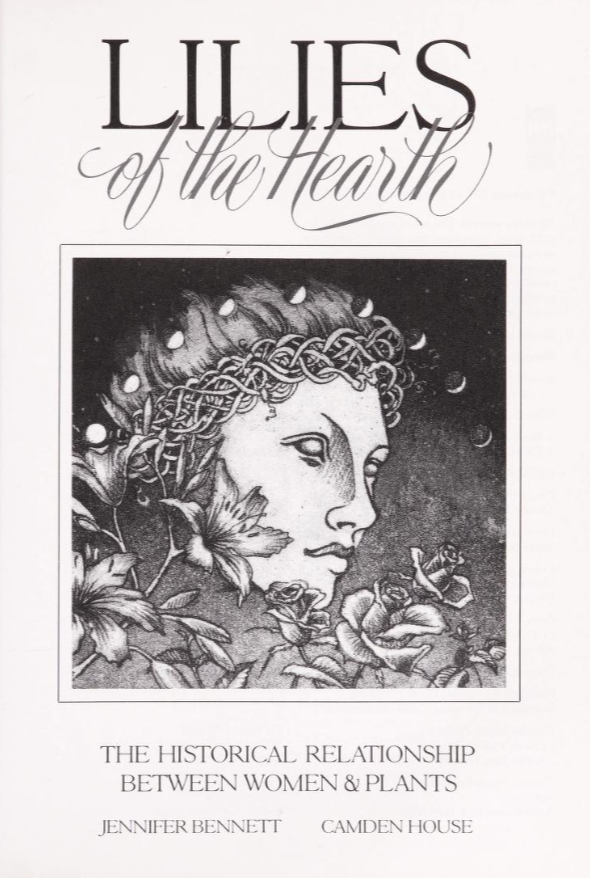
The relationship between women and plants is old, intimate, and, for most of recorded history, poorly documented. Jennifer Bennett, longtime gardening editor at Harrowsmith, set out to trace it. Published in 1991, her book follows women through their roles as herbal healers, food providers, and, symbolically, as fertility and nature goddesses, a genuine source of standing in the ancient world. Then the bond frayed. Herbalists were recast as witches, and upper-class women were steered away from dirt gardening toward decorous crafts like wax-flower making. Only recently have women returned to the field as botanists and designers. Bennett takes in convent gardens, pioneer plots, and the hallucinogens once attributed to "witches." A slim book that quietly rearranges what you thought you knew.
“This text reads like an archive of gestures—hands in soil, stems stripped, roots divided—repeating across GENERATIONS with very little authorship attached. It complicates the idea that floristry begins in the studio. Instead, it places it in kitchens, gardens, thresholds—spaces where care and labor blur. There’s something bracing in recognizing how much plant knowledge has been carried informally, and how selectively it’s been documented. It makes you reconsider what counts as expertise, and who has historically been allowed to name it.”
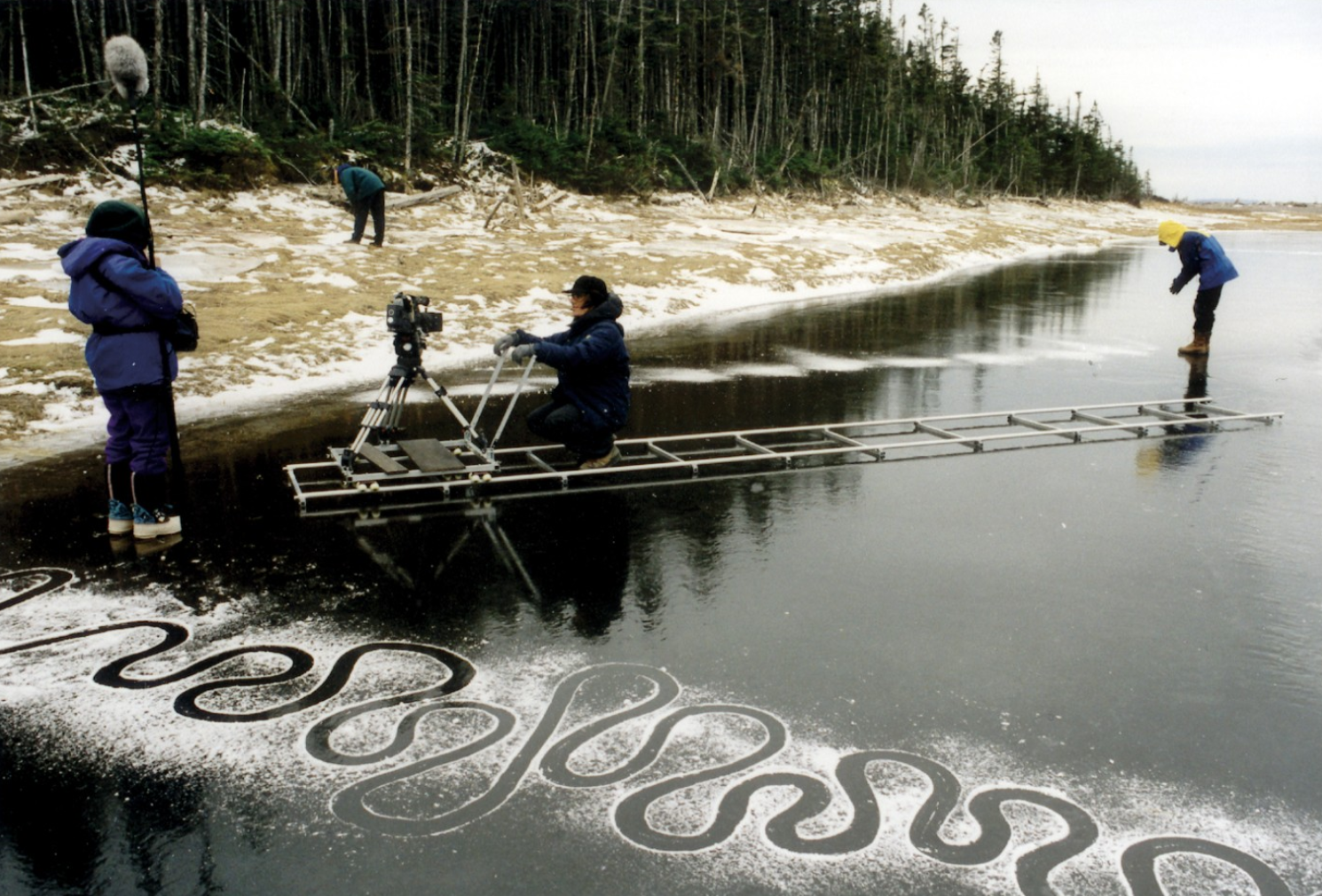
“Goldsworthy works with a level of COMMITMENT that borders on absurdity—building entire structures just to watch them dissolve. It’s both practical and slightly delusional, which feels like the correct mindset for working with natural materials. The film tracks his willingness to fail repeatedly, to rebuild, to misread conditions and try again. It’s a useful corrective to the idea that control is the goal. Sometimes the most accurate response is to pay attention, make something, and accept that it will be undone almost immediately.”
THE ARTIST WHO BUILDS TO WATCH IT DISAPPEAR
Andy Goldsworthy makes art that is designed to fall apart. Working with mud, stone, ice, leaves, and branches, the artist builds intricate outdoor sculptures and then lets weather and tide take them, sometimes before they're even finished. Thomas Riedelsheimer's documentary follows him from upstate New York to his home village in Scotland, capturing both the making and the unmaking, along with Goldsworthy's own reflections on inspiration and failure. In the tradition of Winged Migration and Koyaanisqatsi, it's a film about the relationship between art and nature, and about the discipline of surrendering control. Mesmerizing is the word critics reach for, and for once it fits.
ON BASKETS AND THE HANDS THAT MAKE THEM
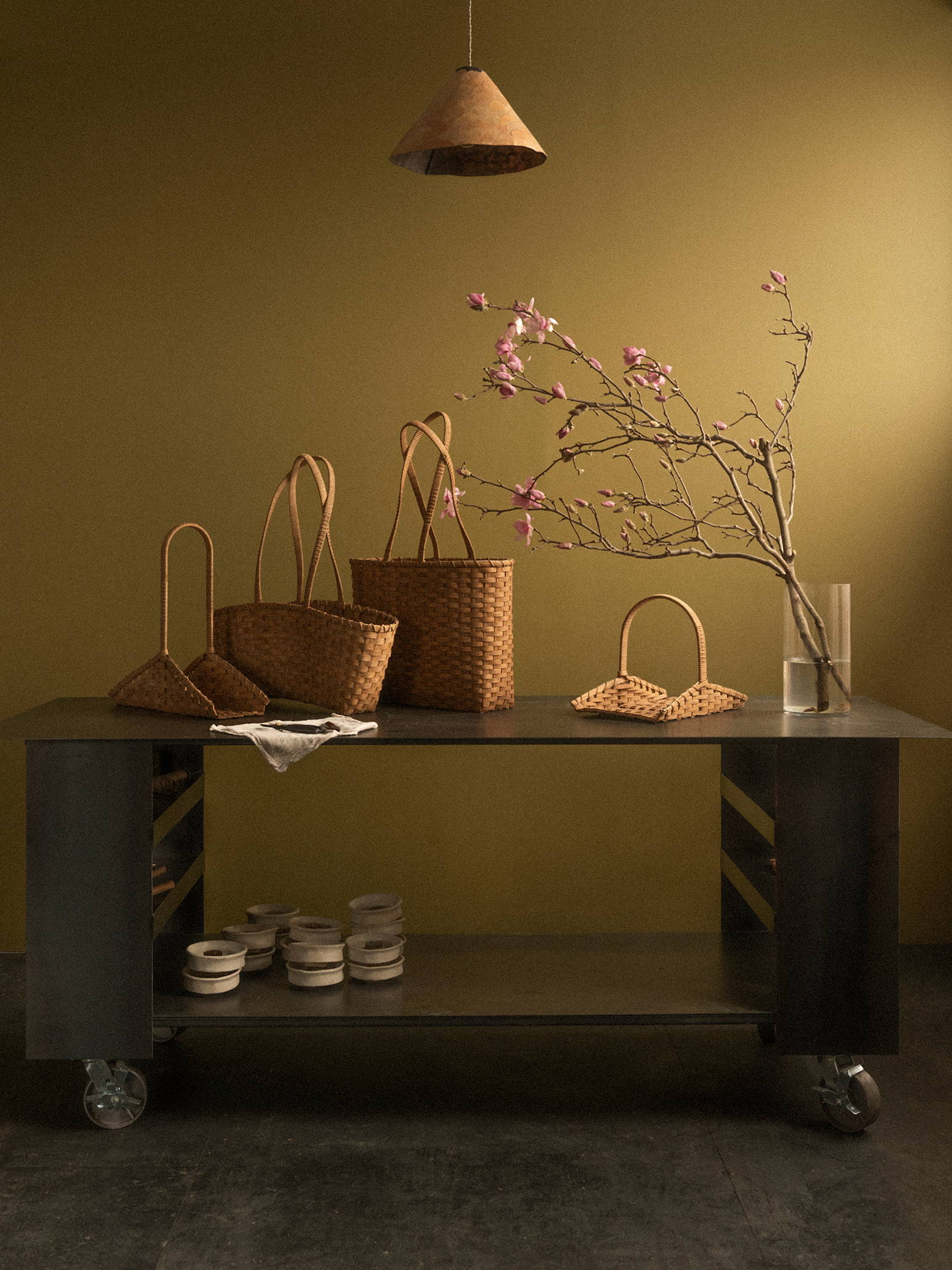
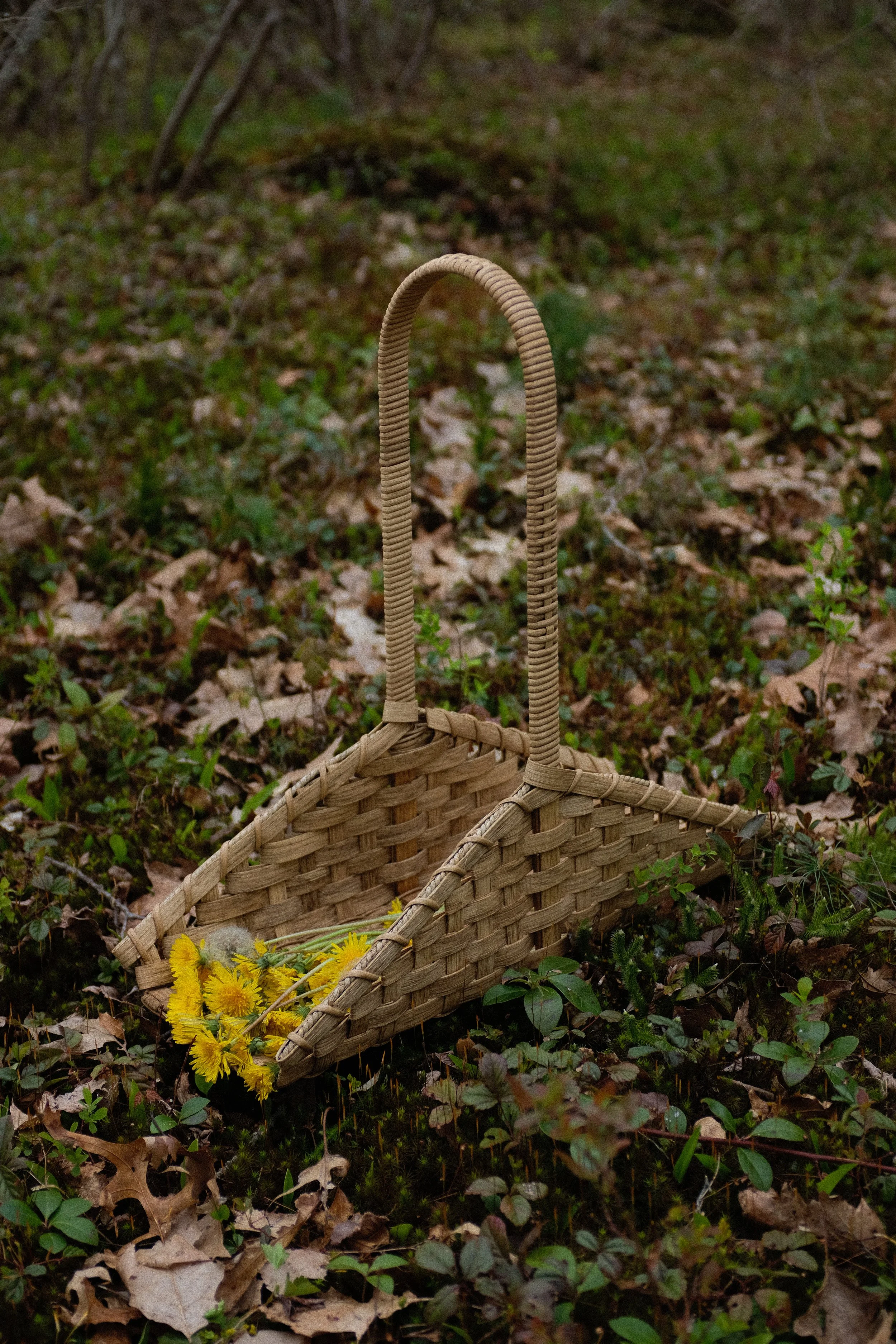
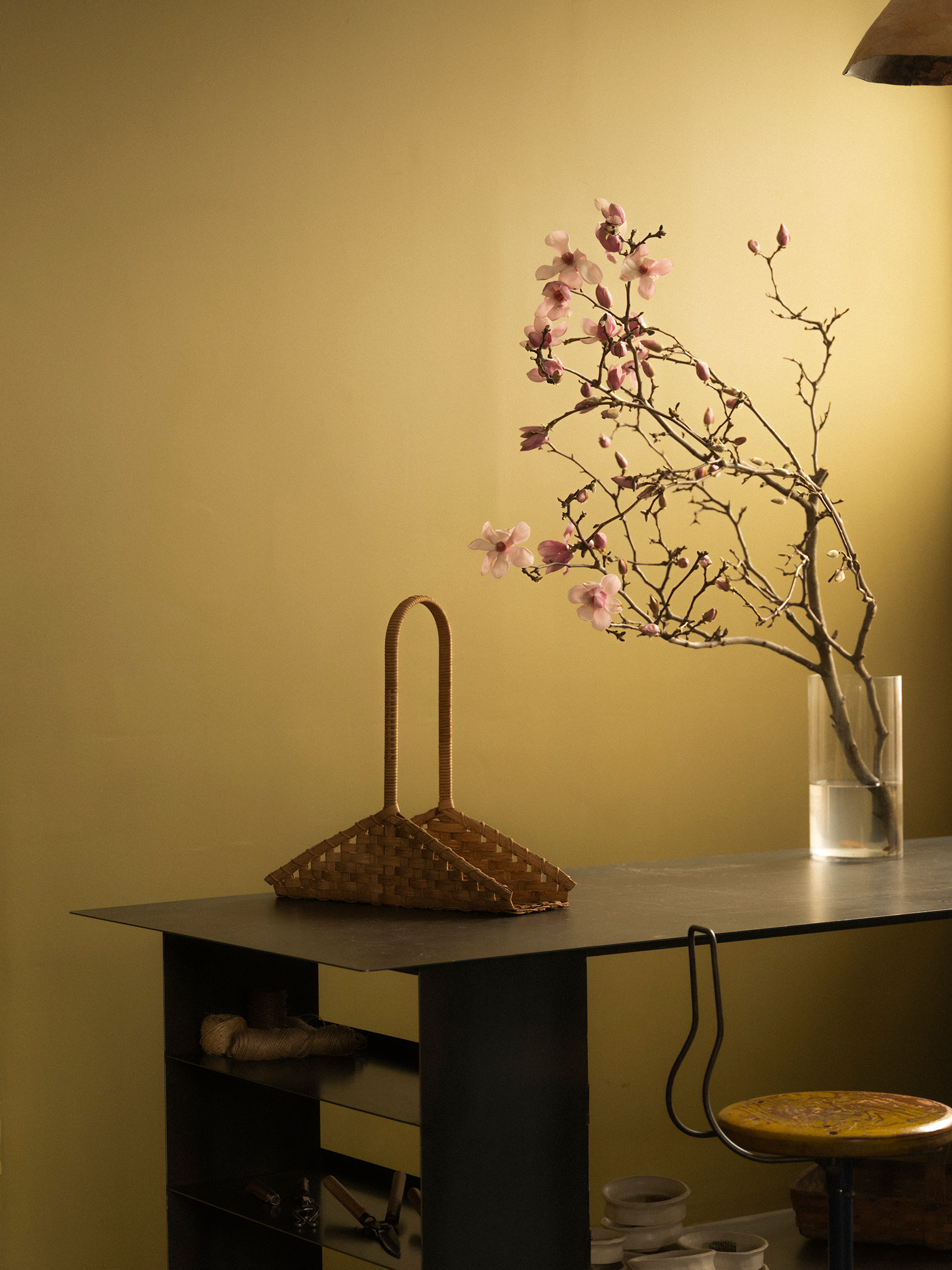
"Underwater basket weaving" is the thing people say when they want to call a skill pointless, the punchline about a hobby so soft and useless it barely counts. Erin Pollard named her studio after it. Underwater Weaving flips the joke on its head: the woven vessel is a serious object, and making things by hand is a form of power, not a party trick. Pollard grew up in Maine steeped in her mother Peggy's craft practice, a basket collection for L.L.Bean, a gift store, workshops run out of the house. She takes that inheritance and filters Maine's woven traditions, including Wabanaki and Shaker makers, through her own sharp eye for design. She and Alex have made a few together.
“Basketry feels like one of the earliest collaborations between humans and plants—a RELATIONSHIP built through touch, repetition, and understanding structure. Underwater Weaving carries that collaboration forward through the work of Erin Pollard, a second-generation weaver who learned the craft in Maine within a deeply rooted, working tradition. What’s compelling is how she has pulled that lineage back into circulation—treating basketry not as an artifact, but as a contemporary practice with its own formal and cultural presence. Through her studio, teaching, and ongoing production, the work insists on relevance without overexplaining itself. It holds utility and authorship at once, and in doing so, brings an old language of making back into view—intact, adaptable, and very much alive.”
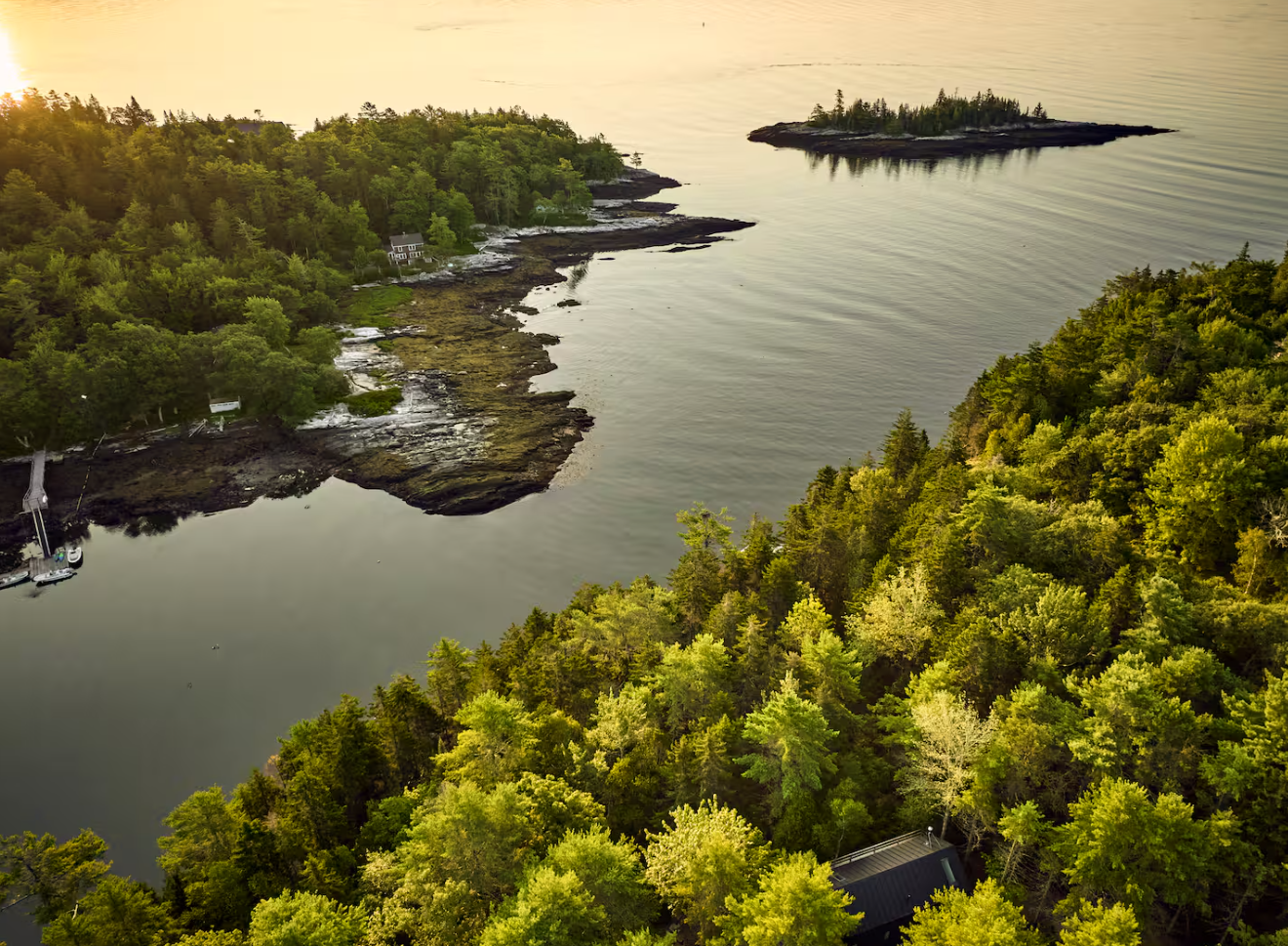
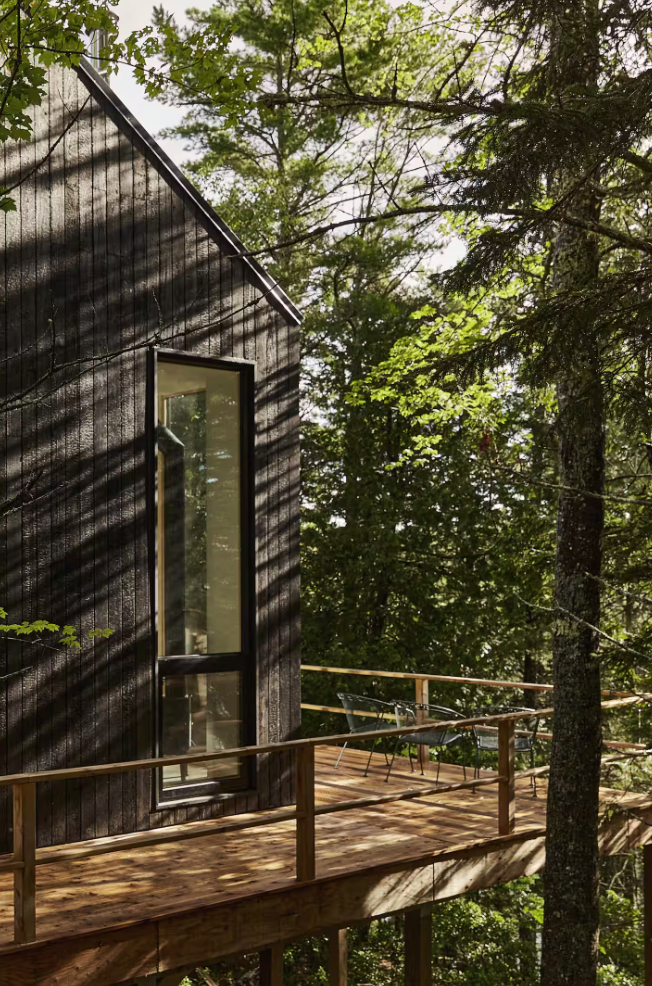
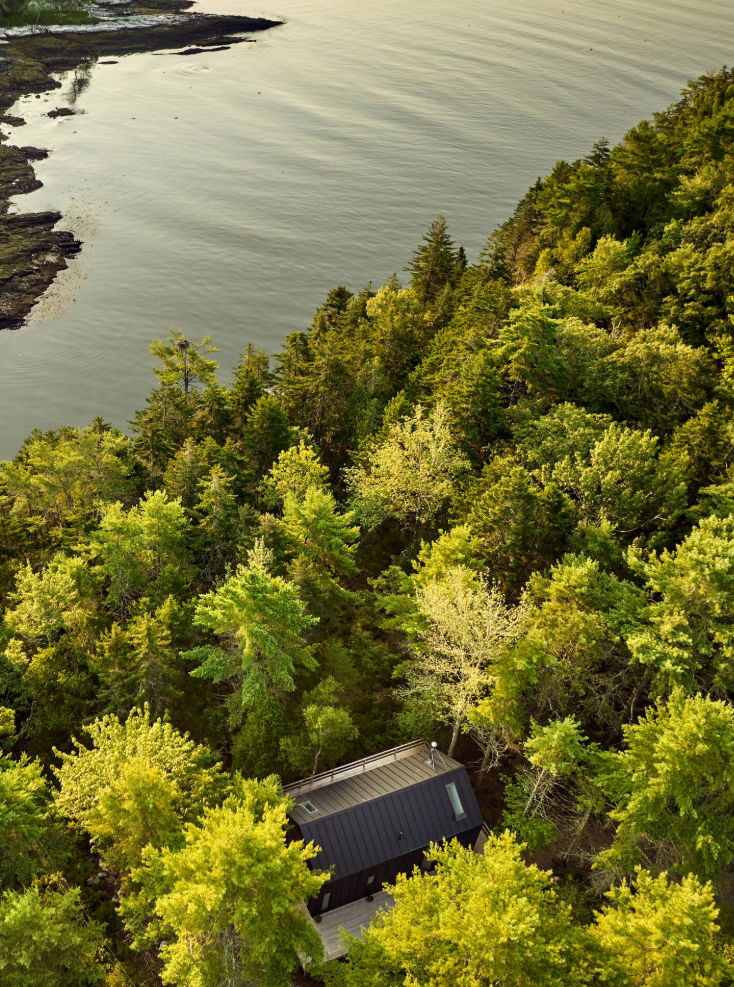
“Earlier this year I spent nearly two weeks alone in Downeast Maine, in the dead of winter. The landscape had stripped itself back—rock, water, bare trees, everything exposed to wind and cold without RESISTANCE. My days fell into a cycle of staring into the icy sea, listening to the birds, writing, and beginning again. The advice to retreat from the city isn’t new, but there’s something particular about that environment—its severity—that sharpens your senses and strips the slate clean.”
THE CASE FOR A SOLO TRIP
Downeast Maine is the far eastern coast of the state, Hancock and Washington Counties, and it is, geographically speaking, where the United States runs out of road and simply stops. There is not much to do, and that is exactly the appeal. The region specializes in weather, granite, and the kind of silence that city people claim to want and then find faintly alarming. Solo travel here is less a holiday than an experiment in whether you can stand your own company for a week or two. Most people can, eventually. Alex explains how she does it.
WHAT PLANTS KNOW ABOUT GOOD COMPANY
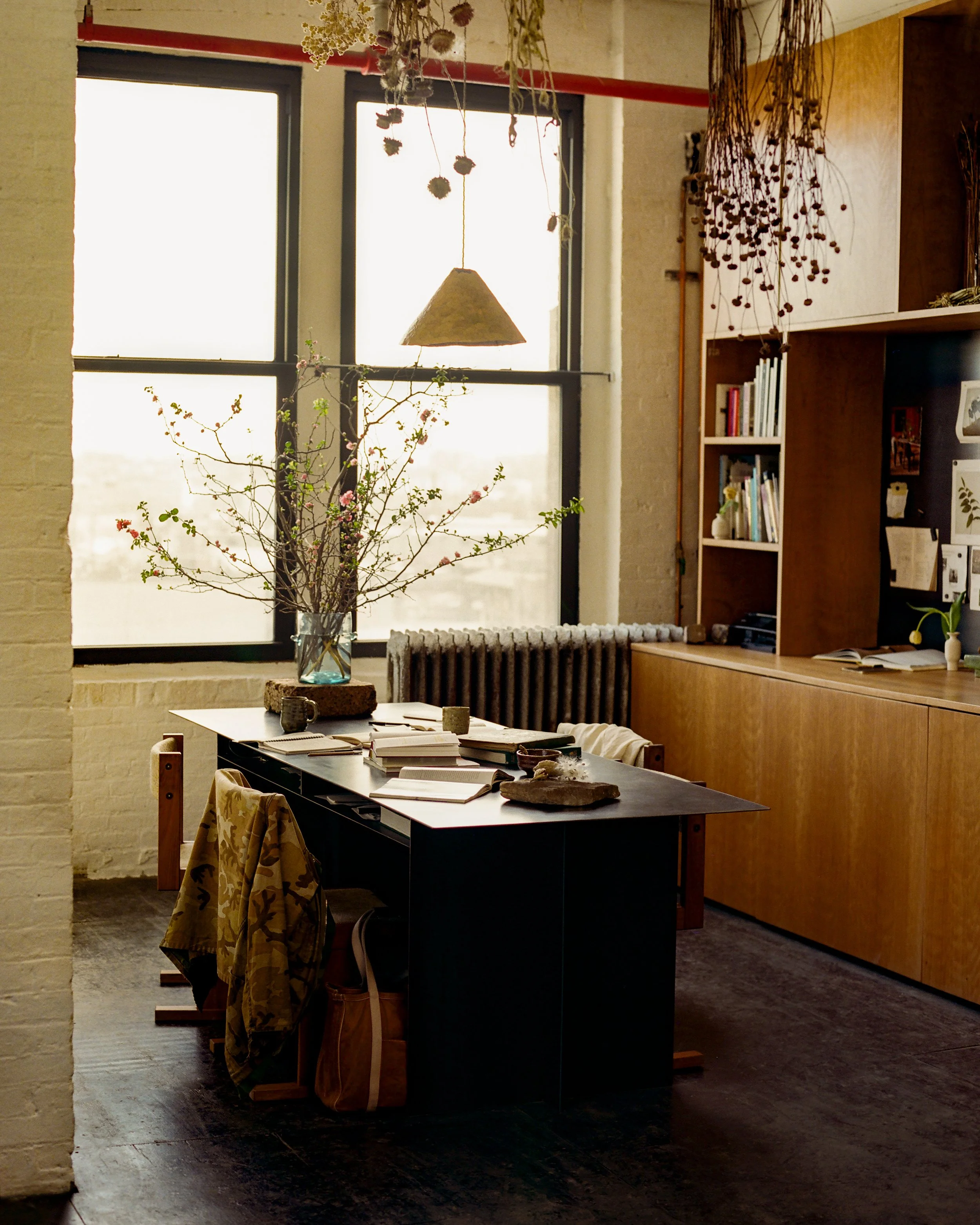
The people nearest to us shape what we make, whether or not we ever plan for it. Proximity, it turns out, is its own kind of collaborator, but we’ll let Alex explain why.