Gabriela Rosales
Courtesy of Gabriela Rosales, photography by Kobe Wagstaff
HURS CURATORS
GABRIELA ROSALES
The gallerist shares her five recommendations
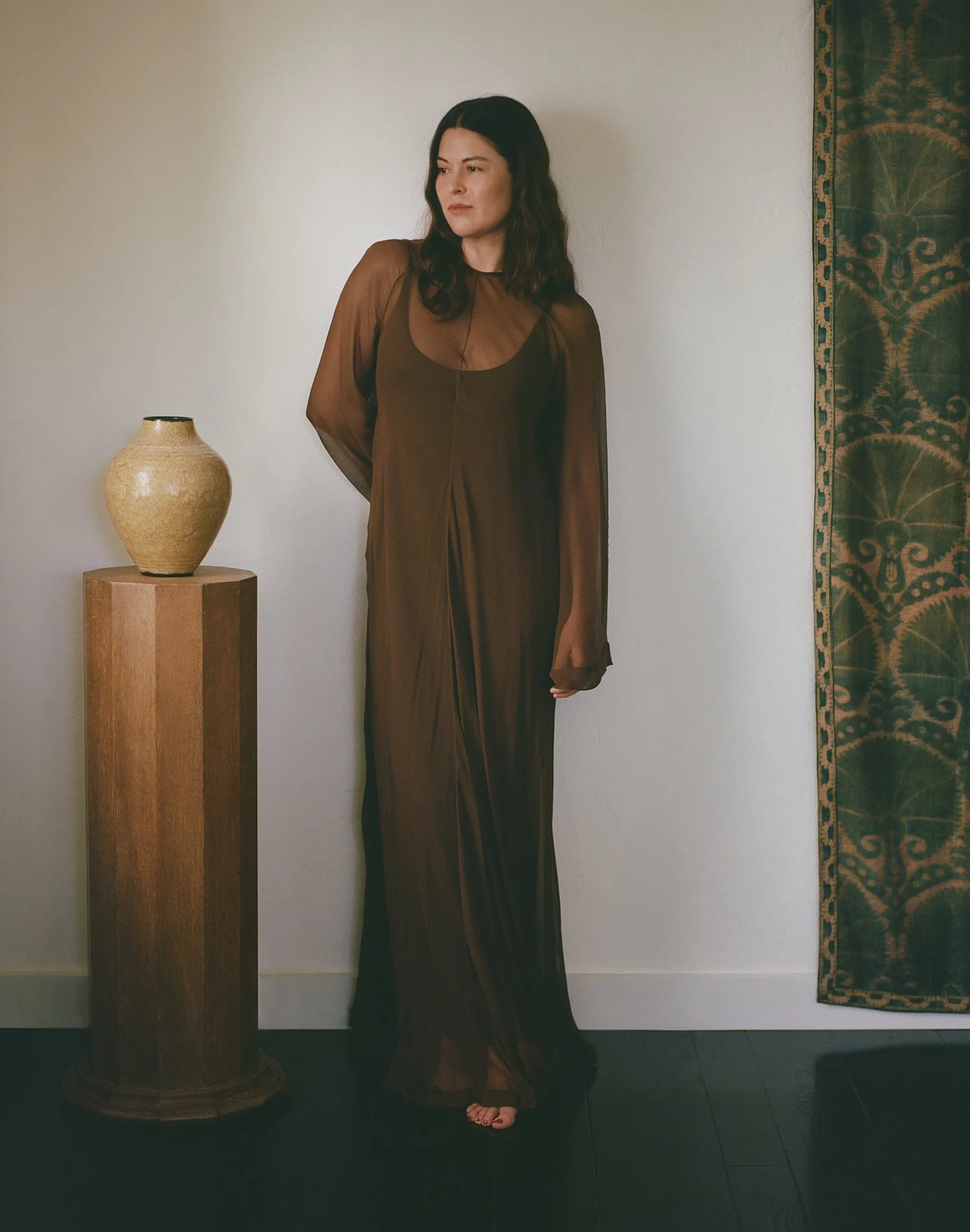
Gabriela Rosales has built Formative Modern into one of the most discerning galleries for early 20th-century design through a combination of rigorous research and unerring instinct. Founded in 2018 and housed in a 1930s Spanish Revival bungalow in Silver Lake, the gallery specializes in furniture and decorative arts from 1900 to 1940, each piece selected with the kind of exacting eye that comes from years of study and a deep understanding of material culture. Raised between Santa Barbara and Mexico, Rosales was shaped early by watching her parents build a hotel in Tulum and later by extended time in Europe absorbing museum and gallery culture. She studied Art History at USC, worked in fashion and interiors, and made her first design acquisition in 2017. That single transaction clarified her direction. Today, her tightly edited inventory and methodical approach to restoration have earned her a devoted international clientele of collectors, architects, and designers who trust her vision implicitly.
A POLISH OPERA SINGER'S HORTICULTURAL MASTERPIECE
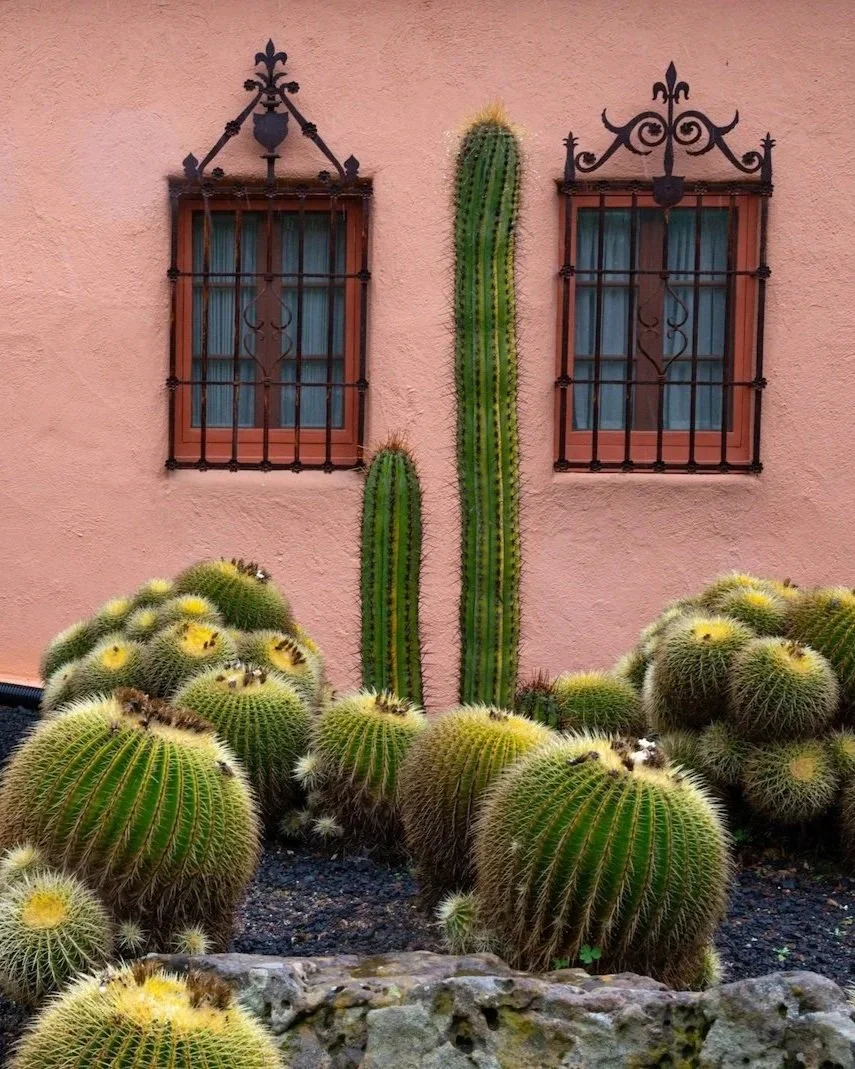
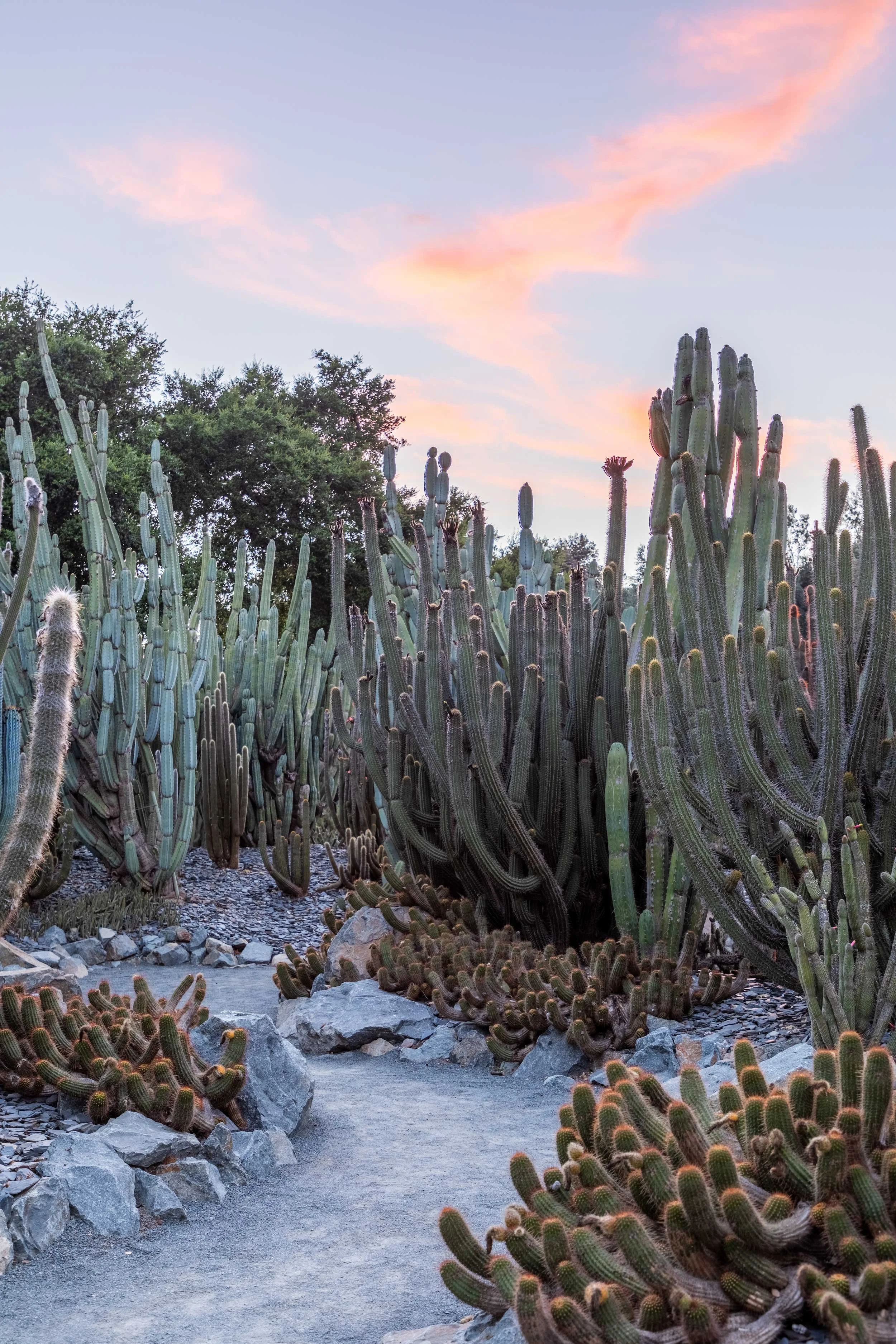
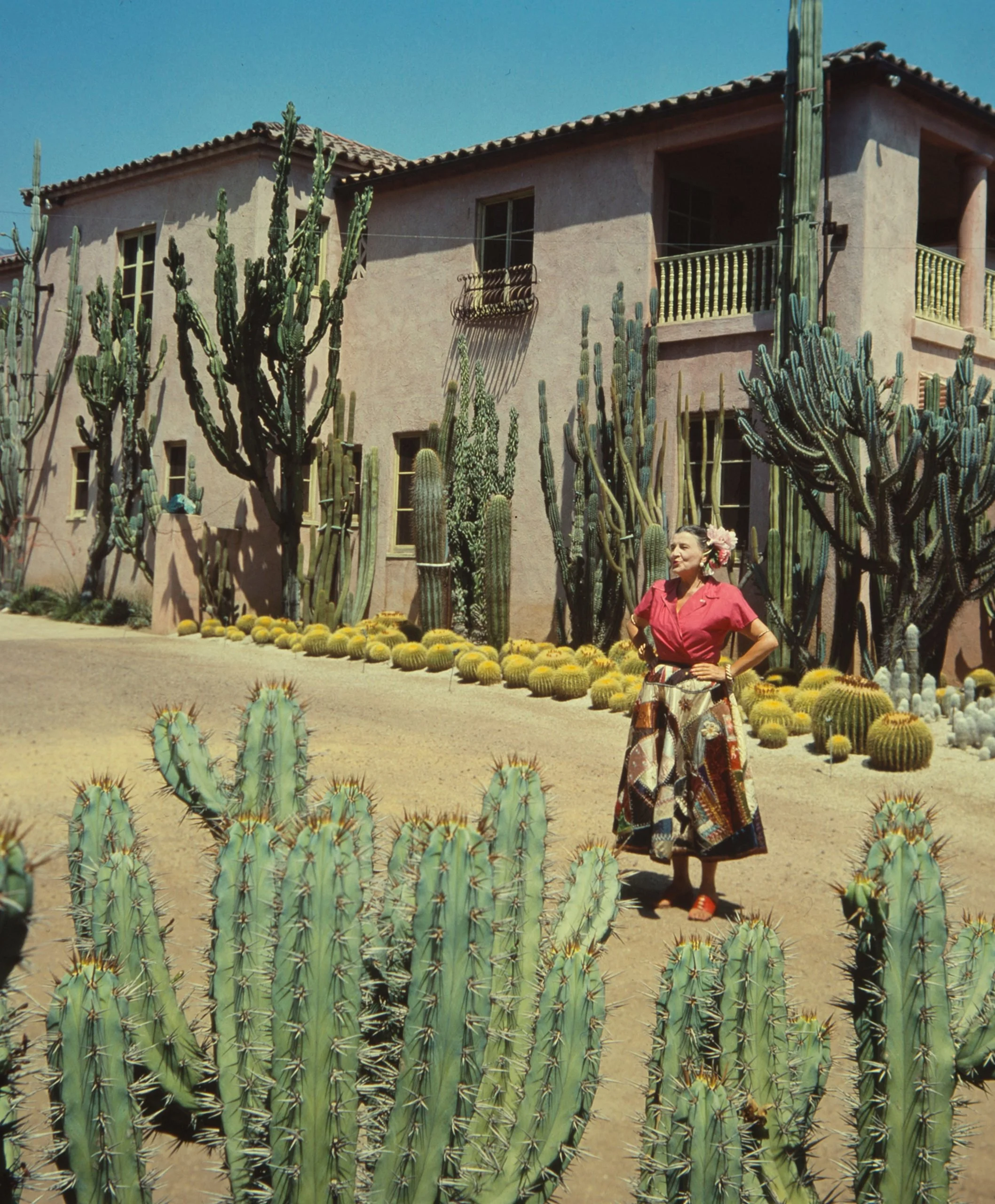
Madame Ganna Walska's Lotusland is what happens when a Polish opera singer with more passion than talent redirects her considerable dramatic flair from the stage to the soil. After a career that inspired mixed reviews, Time magazine was particularly unkind, Walska bought this 37-acre Montecito estate in 1941 and spent the next 43 years creating something genuinely extraordinary. The garden is a series of distinct, theatrically conceived spaces: a topiary garden with a horticultural clock, rare cycads that predate dinosaurs, and a blue garden featuring Chilean wine palms and glass balls from Japanese fishing floats. Home to over 3,400 plant species, many rare or endangered, it's now recognized as one of the world's finest botanical gardens and the first in America to go entirely organic. Proof that reinvention, given enough conviction and excellent taste, can be spectacular.
“I’ve always held deep respect for women who create and CULTIVATE their own worlds. Ganna Walska (1887-1984) did this at Lotusland, her now preserved estate and botanical garden set on 3,700 acres in Montecito, California. She was a true eccentric who devoted the second half of her life to creating her own fantasy world with a collection of rare mostly tropical and subtropical plants that she was willing to pay any price for. (She was married 6 times and thus amassed the considerable resources required to do this). One of my favorite areas of the garden is the aloe garden that surrounds a shallow reflecting pool, surrounded by two fountains composed of giant clam shells. Surreal is an overused word these days, but this place really is.”
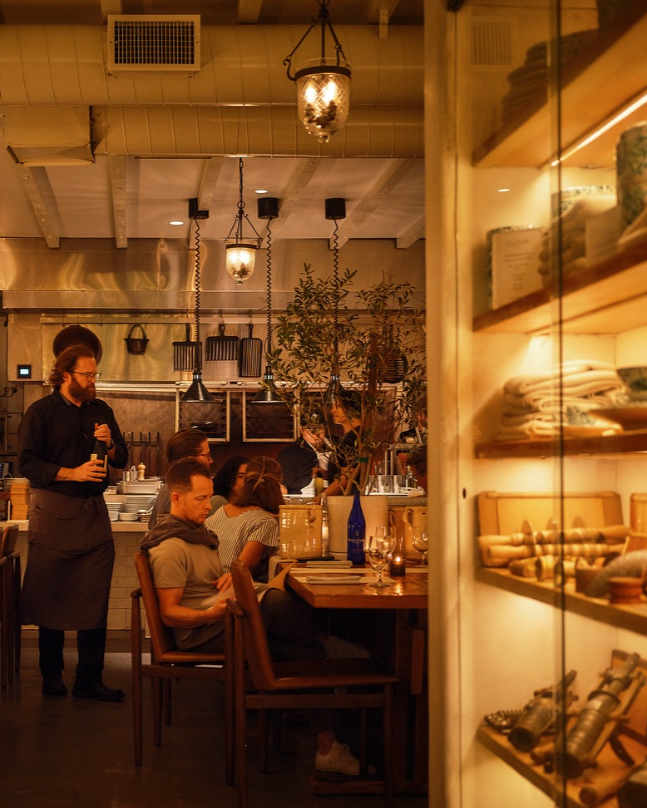


“My favorite Italian restaurant in LA. I always have to order the ‘plin dell’ alta langa, sugo di arrosto’. I couldn't tell you what that translates to but it's HEAVENLY. A meal here is not complete without ordering some of their homemade ice cream for dessert. I'm not being hyperbolic when I say it is the best ice cream I've ever had, made fresh with seasonal ingredients on what the chef once told me is the "ferrari of ice cream machines." My favorite flavors are strawberry or tangerine in the summer, the apple pie flavor in the winter, with chunks of pie crust mixed in.”
AN ITALIAN SPOT THAT SKIPS THE THEATER
Antico Nuovo is the kind of Italian restaurant Los Angeles doesn't produce nearly enough of: serious about its craft, uninterested in spectacle, and entirely focused on making you want to order seconds. Tucked into Koreatown, the warmly lit space centers around a hand-cranked rotisserie and oversized wood grill where meats, vegetables, and whole fish hang in deliberate abundance. Chef Chad Colby, who honed his skill with fire at Nancy Silverton's Chi Spacca, brings an agriturismo sensibility to the city. The pastas are exceptional, particularly the Piedmontese-style plin, and the focaccia appears in nearly every dish for good reason. No nostalgia, no fuss, just polished execution that makes everything else feel unnecessary.
A MONTPARNASSE STUDIO FROZEN IN TIME
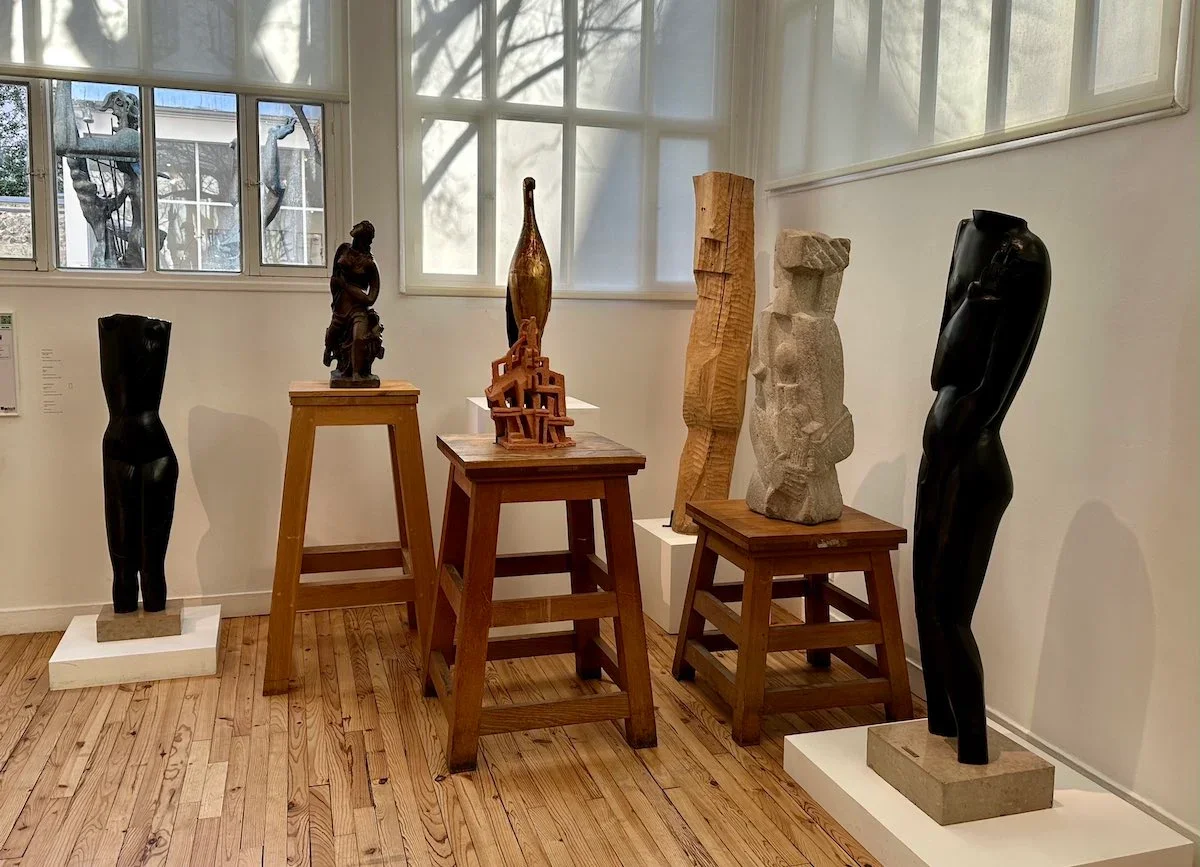
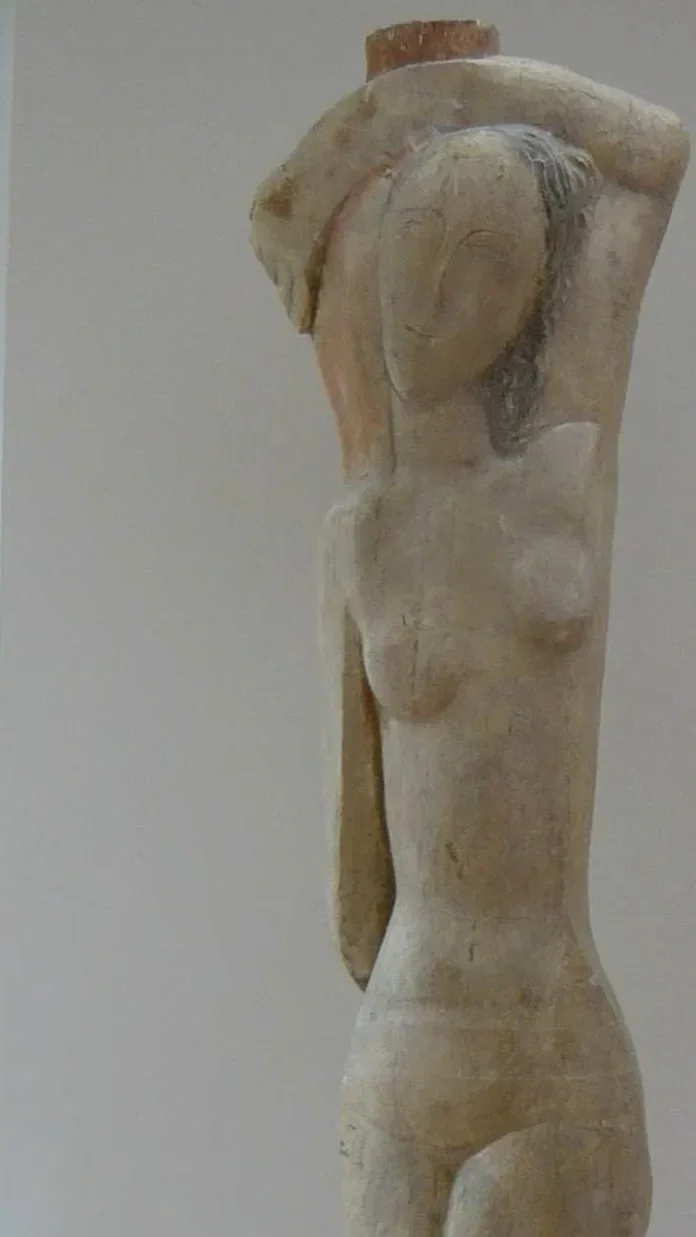
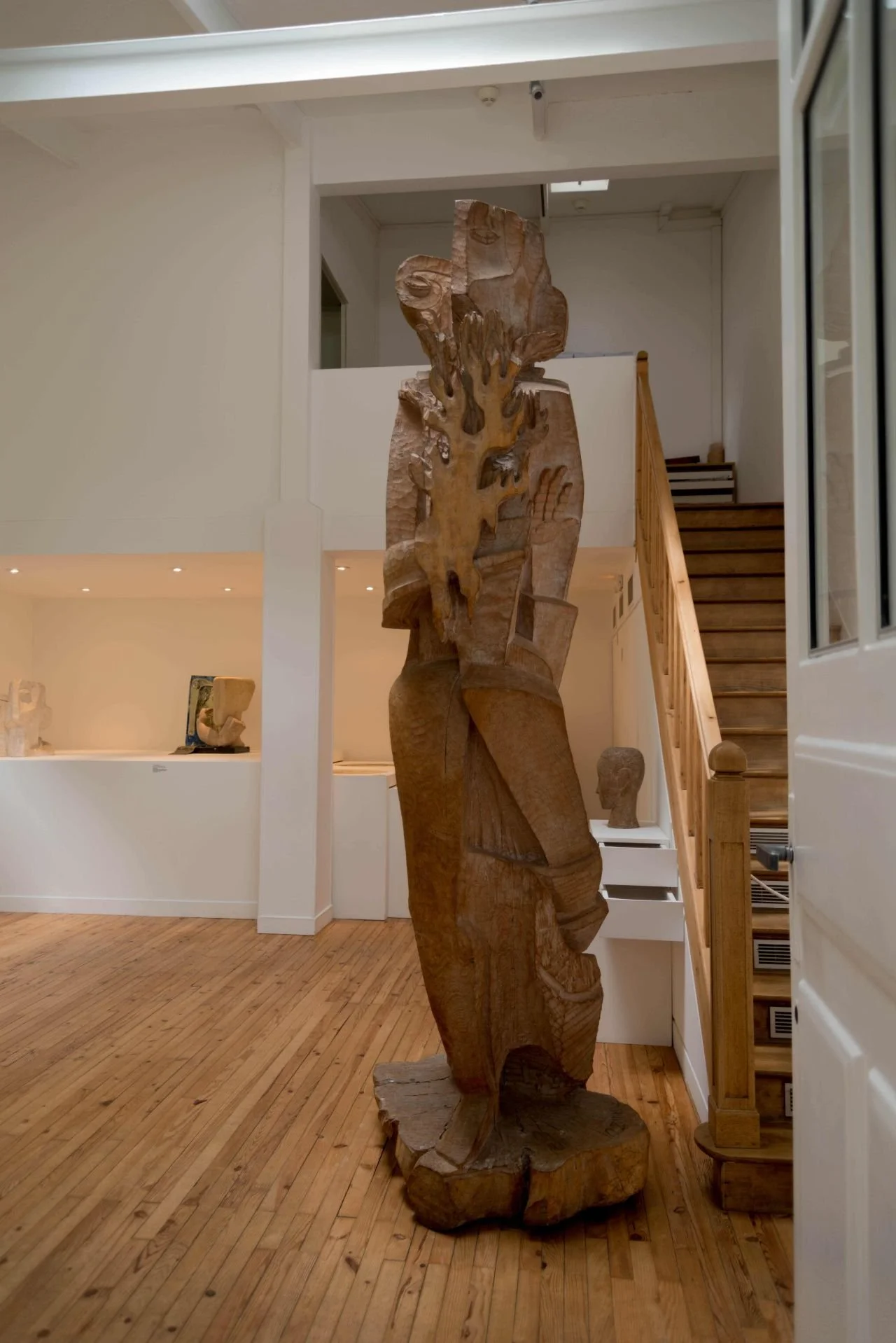
The Musée Zadkine occupies the house and garden where Russian-born sculptor Ossip Zadkine lived and worked from 1928 until his death in 1967. He moved here after the weight of his sculptures threatened to collapse the floor of his previous studio, writing that he could never live above ground level: "the soles of my shoes have to scrape the ground." The space still feels like a working artist's home, with sculptures in wood, stone, plaster, and clay arranged by material throughout the rooms and garden. You can trace Zadkine's artistic evolution from primitivist carvings to Cubist geometry to the fluid, lyrical works of his later years. It's one of the few remaining artist studios from Montparnasse's golden age, when Zadkine lived among neighbors like Chaim Soutine and Foujita. Free to visit year-round, the museum offers an intimate, unhurried alternative to Paris's grander institutions.
“I always like to recommend the Musée Zadkine in Paris because it’s so CHARMING and easy to visit. This quaint museum occupies the former home and workshop of the Russian-born sculptor Ossip Zadkine, who I first discovered as one of the artists that Eileen Gray exhibited at her gallery, Jean Désert, in Paris in the 1920s. Zadkine worked in the cubist style and composed sculptures in stone, wood, clay and bronze. I love his early work, especially his hand carved wooden sculptures. Seeing Zadkine's work in the environment in which he lived and created is quite special.”
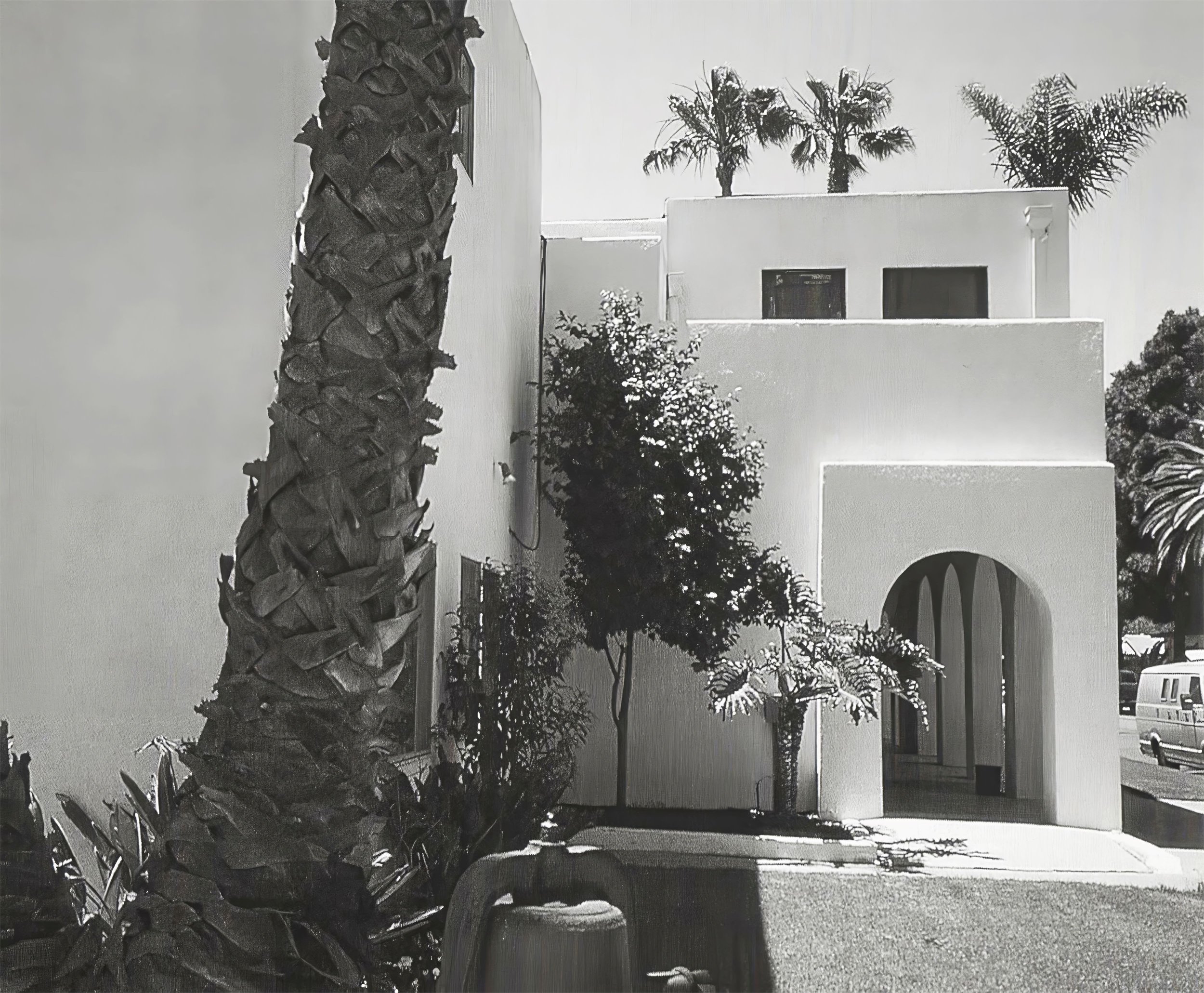
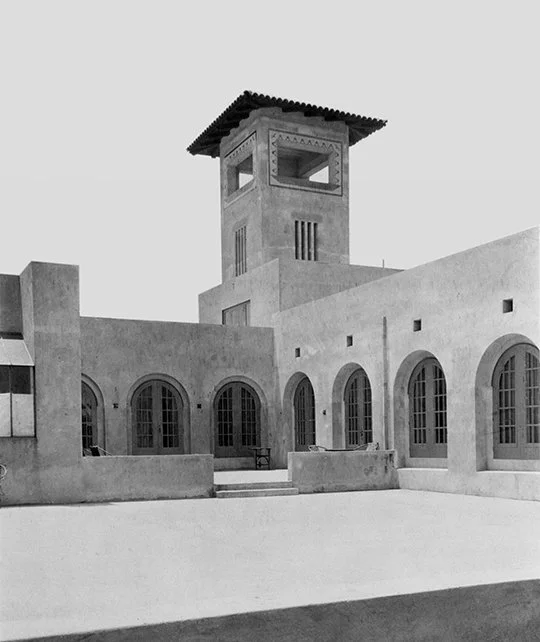
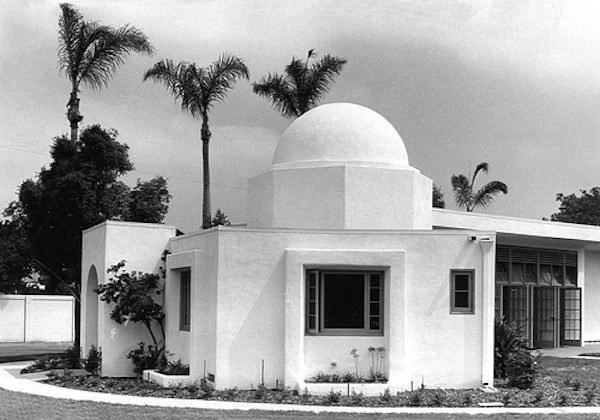
"Irving Gill is one of my favorite architects, but his name isn't as well-known as it should be. Gill is regarded as one of the earliest and most original modernist architects in America, especially in Southern California. His work is defined by restraint, striking a balance between historical context and ORIGINALITY. Gill drew from Spanish Colonial Revival and Mission traditions, taking these traditional forms and modernizing them to create something distinctly new and Californian. His significance lies in how he pared architecture down to its purest form, stripping away ornament to focus on geometry, light, and space long before European modernism became the dominant form. While many of his buildings no longer stand, demolished before their significance was realized, there is a great book on his work by Thomas S. Hines called Irving Gill and the Architecture of Reform: A Study in Modernist Architectural Culture.”
THE FORGOTTEN PIONEER OF AMERICAN MODERNISM
Irving J. Gill was stripping ornament from buildings and working in pure geometric forms decades before it became fashionable, which is precisely why most people haven't heard of him. While his Chicago contemporaries like Frank Lloyd Wright were getting famous, Gill moved to San Diego in 1893 and quietly revolutionized American architecture by taking Louis Sullivan's advice seriously: stop decorating and focus on buildings "well formed and comely in the nude." Between 1907 and 1929, he designed white stucco cubes of reinforced concrete that look more 1960s than 1910s, experimenting with tilt-up construction and creating workers' housing that prioritized light and dignity over cost-cutting. His work predated and influenced de Stijl and the International Style, yet his early death in 1936 and the Depression robbed him of the post-war recognition his peers enjoyed. Today, his spare, sun-drenched California modernism feels more relevant than ever.


A MATCHA TREAT WORTH TRACKING DOWN
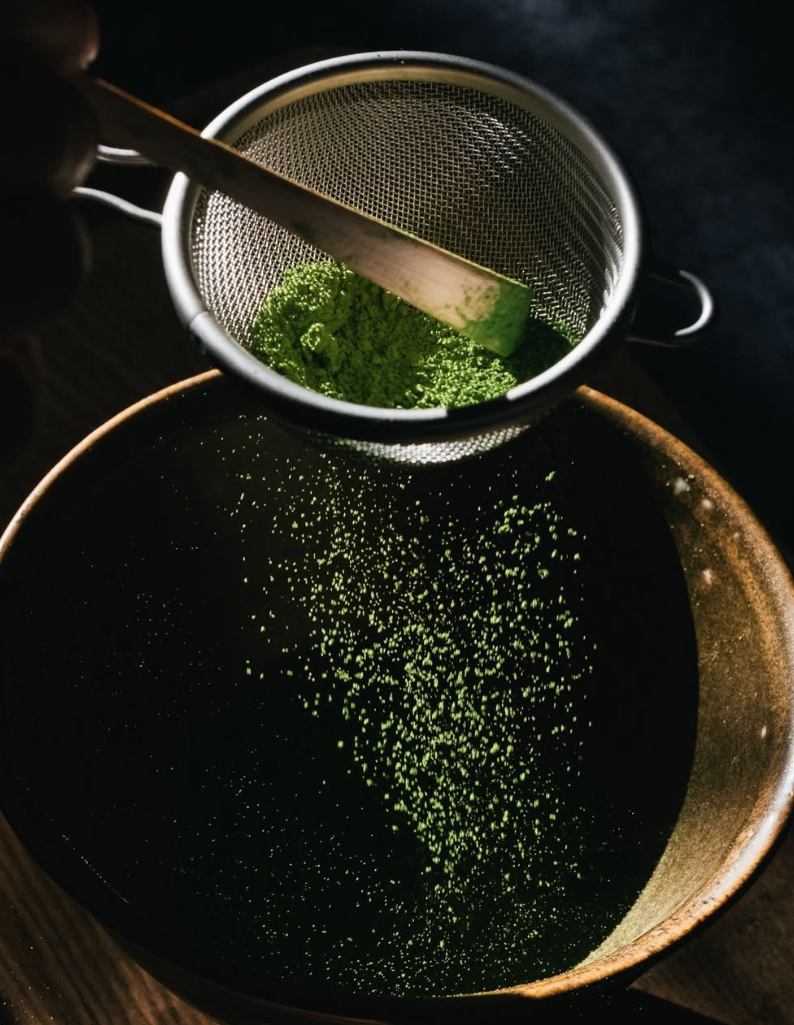
Kettl's matcha-covered almonds have achieved a certain cult status, partly because they were a limited edition and partly because they're exactly what happens when a company obsessed with sourcing pinnacle-grade Japanese tea decides to make a snack. Kettl works directly with tea producers in regions like Yame, prioritizing quality over everything else, which means their matcha actually tastes like something beyond green dust. These almonds are roasted, coated in Belgian white chocolate infused with that high-grade matcha, then dusted with Hukuju matcha powder for good measure. The result is deeply toasty with the kind of fragrant complexity that makes you understand why people get precious about tea. But rather than wax on, we'll let Gabriela do the talking.