Gina Correll Aglietti
Courtesy of Gina Correll Aglietti
HURS CURATORS
GINA CORRELL AGLIETTI
The Yola Mezcal CEO on her favorite chocolate, garden and, naturally, Mezcal.
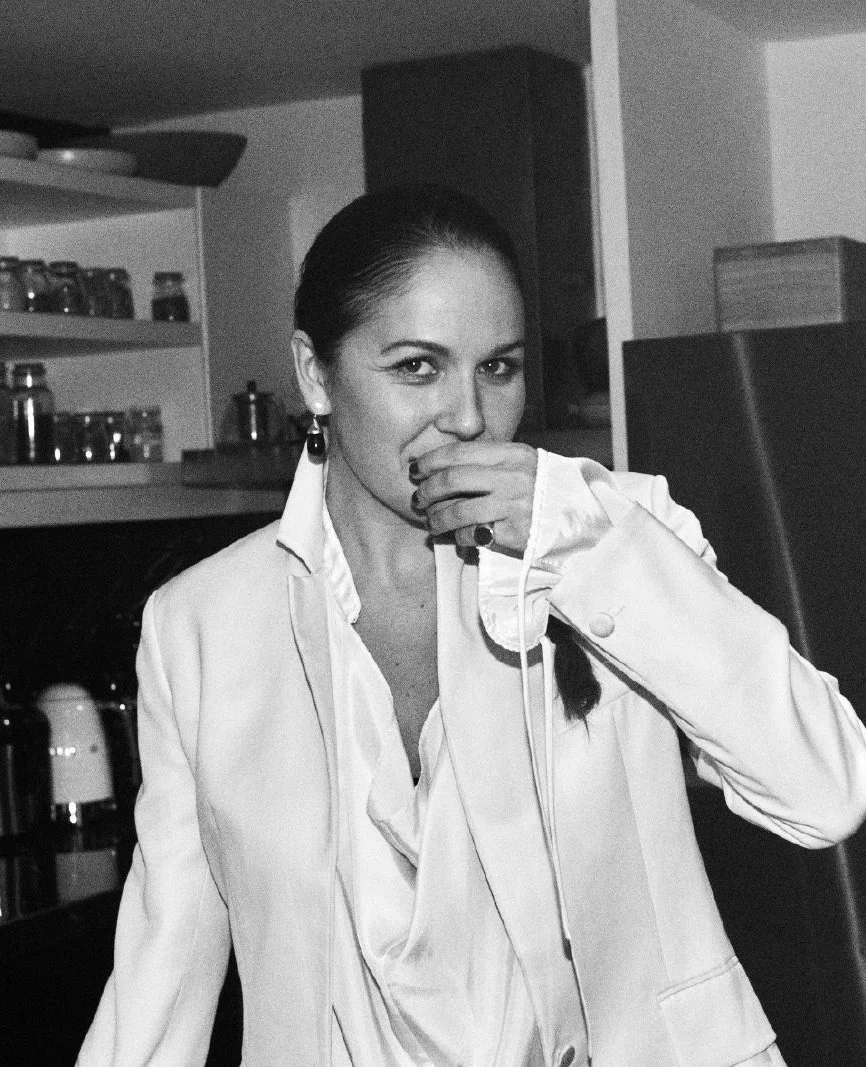
Gina Correll Aglietti has spent her career proving that good taste and good business aren't mutually exclusive. She started as a consultant and stylist for celebrities, musicians, and luxury brands, producing events and consulting on restaurant menus in New York, LA, and abroad. In 2017, she co-founded Yola Mezcal with Yola Jimenez and Lykke Li—an all-female-led mezcal brand. As CEO, Aglietti has scaled the international business while launching Yola Dia, a female-focused music and arts festival, and building a cultural foothold that few liquor companies can touch. She continues to host and produce events at her historic Schindler home in Silver Lake, where she became custodian after serving on the board of the MAK Center for Art and Architecture. What makes Aglietti truly exceptional is how she moves through the world: warm, generous, genuinely interested in people and the unexpected connections between them. She's a cultural connector in the truest sense, finding alignment across industries without ever making it feel transactional. But it's not our story to tell, it's HURS.
IN OAXACA, A GARDEN THAT BEGAN AS AN ACT OF RESISTANCE
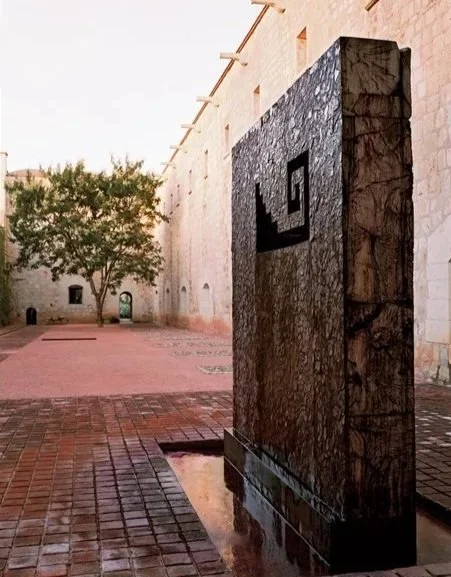
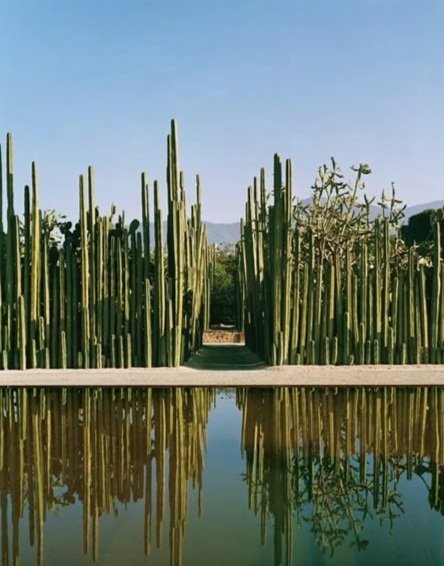
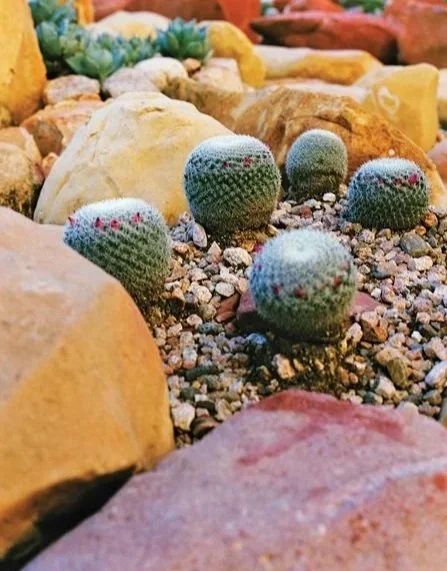
When the Mexican military vacated a sixteenth-century monastery complex in the early 1990s, the state government proposed a hotel and convention center. Artist Francisco Toledo had a different vision. In 1994, following a popular consultation, the Jardín Etnobotánico de Oaxaca was established on five acres in the heart of downtown, a space dedicated to safeguarding Oaxaca's biocultural heritage. The garden now holds hundreds of native plant species from every corner of the state, arranged by ecological and cultural themes that tell the story of a region where plants and people have always shaped each other. Sometimes the best answer to privatization is to build something public that actually matters.
“These gardens hold a special place in my MEMORY of my first visit to Oaxaca with Yola. They do not follow the usual botanical gardens practice of manicured or exotic plants and flowers designed to decorate and seduce, they are solely indigenous. The species that are used for the array of crafts and cuisine in the region all live together in this condensed museum-like setting. Much like Oaxaca itself, it's not trying to please any outsider, but rather inviting you into its depth.”
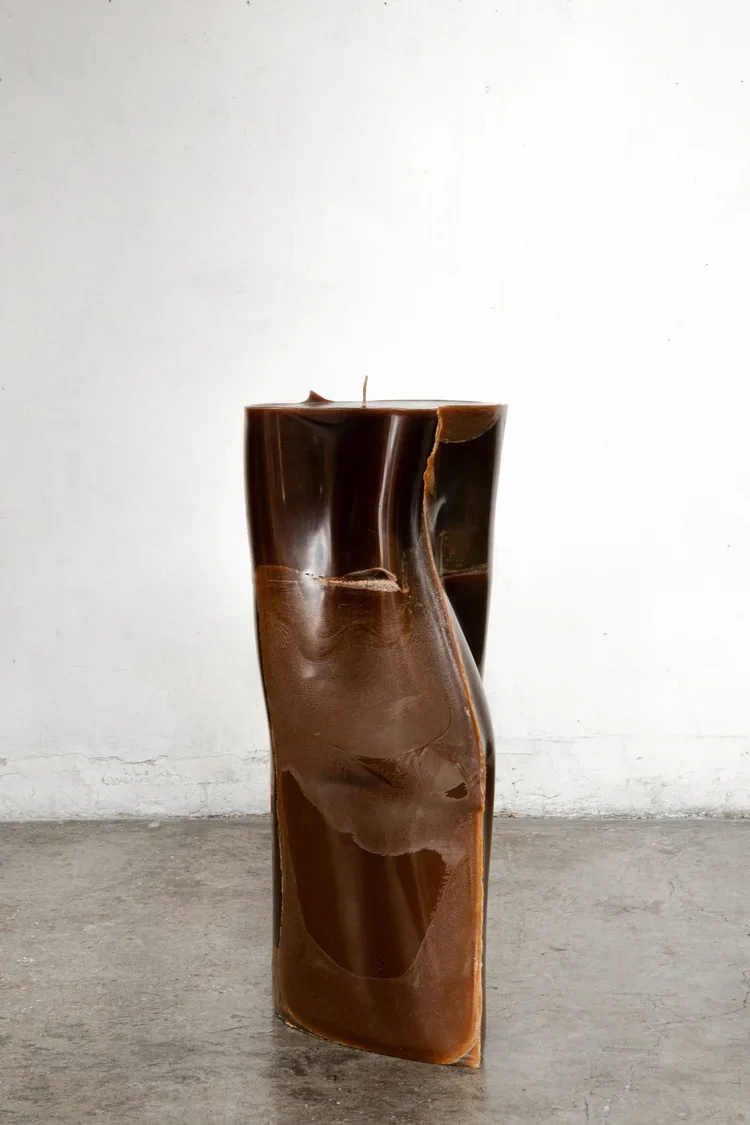
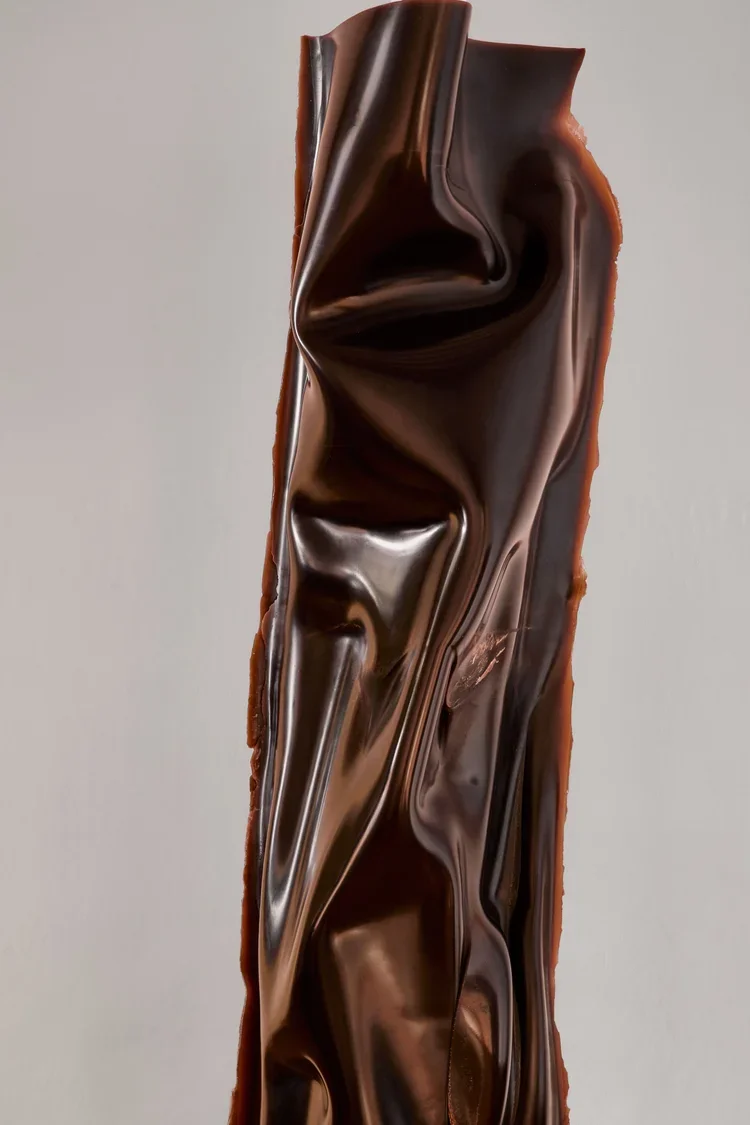
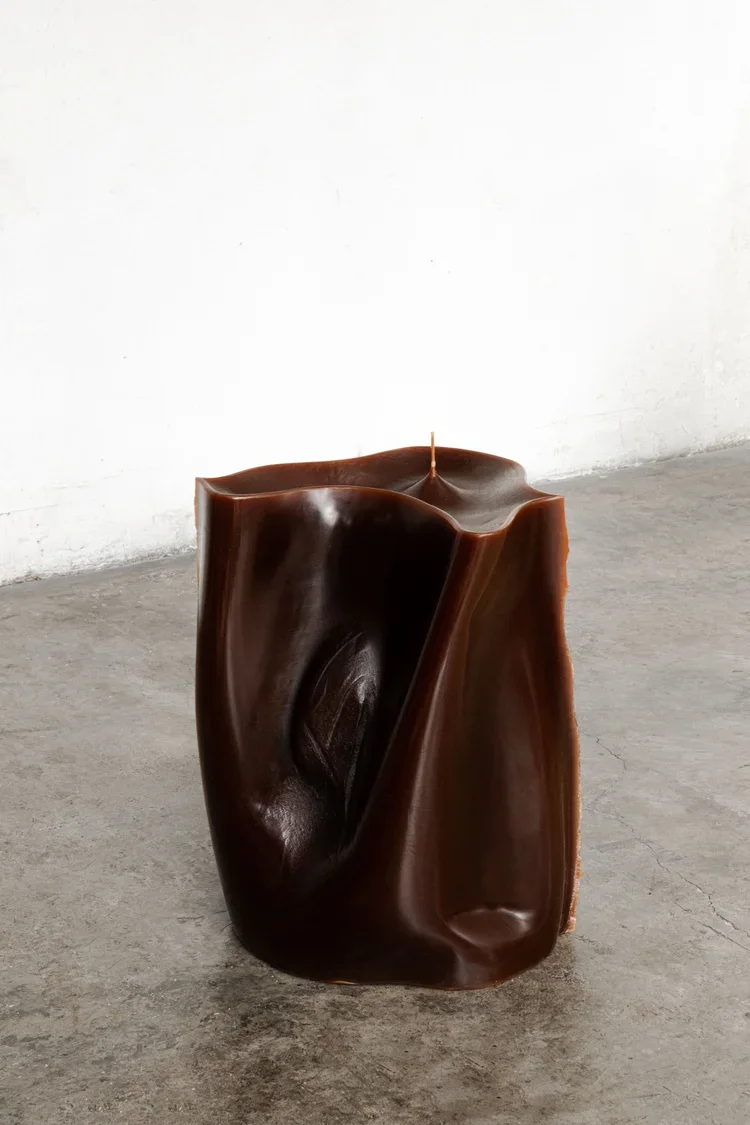
“They’re just a fabulous take on a MUNDANE home item, he's a genius with this combination of practical and wildly fantastical.”
CANDLES TOO GOOD TO BURN
Brian Thoreen grew up in construction and metal fabrication, which explains why his candles don't look like anyone else's. Based between Mexico City and Paris, the artist and designer works with rubber, wax, hammered copper, and bronze, materials he bends into forms that sit somewhere between functional object and artwork. His cast beeswax candles are sculptural, substantial, and unapologetically strange. Almost too beautiful for use. Thoreen is a founding partner of Mexico City gallery MASA and experimental glass studio Vissio, but it's his candles that best capture what he does: taking something ordinary and making it memorable.
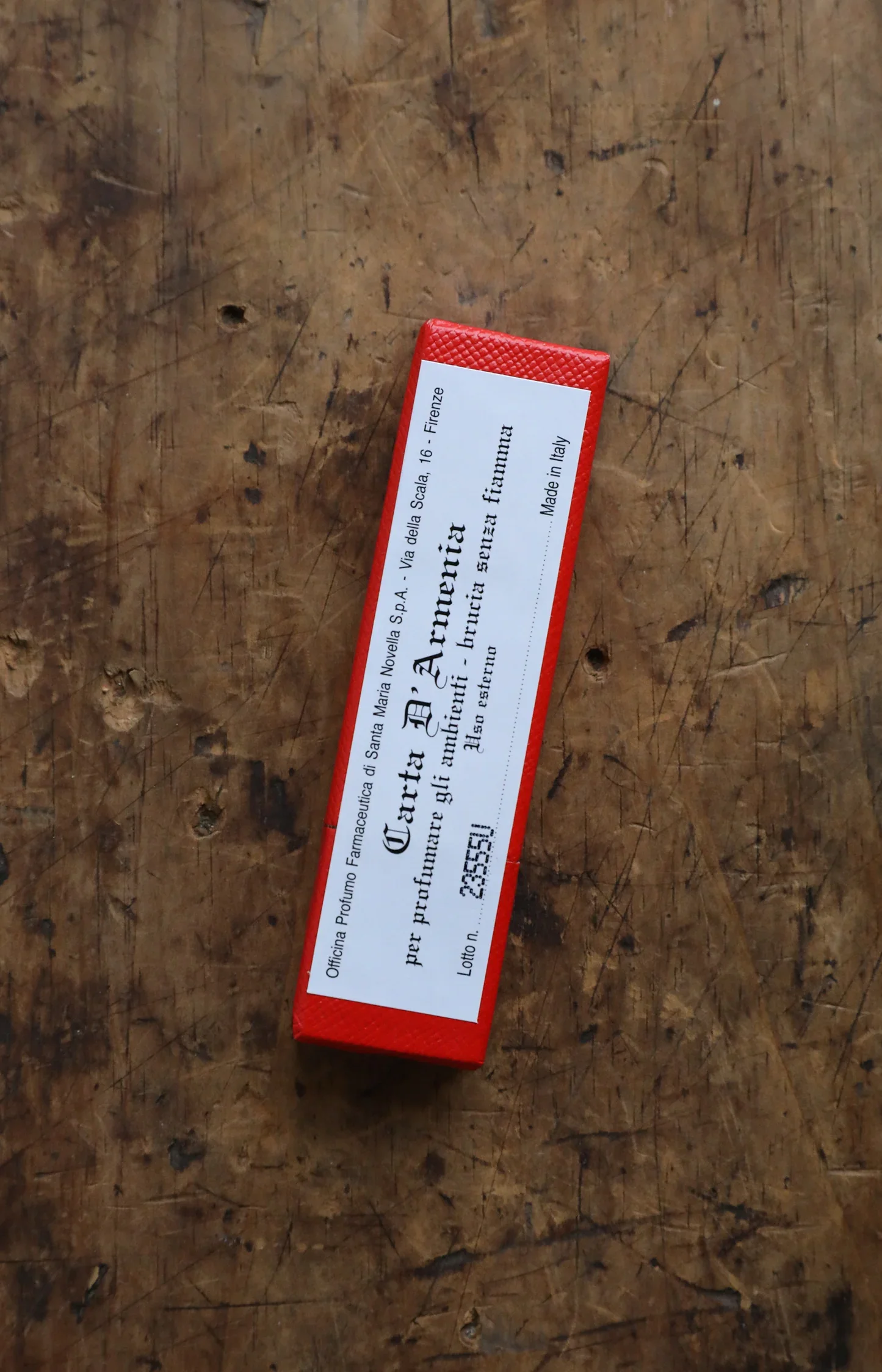
THE ARMENIAN INCENSE THAT’S BEEN BURNING SINCE 1885
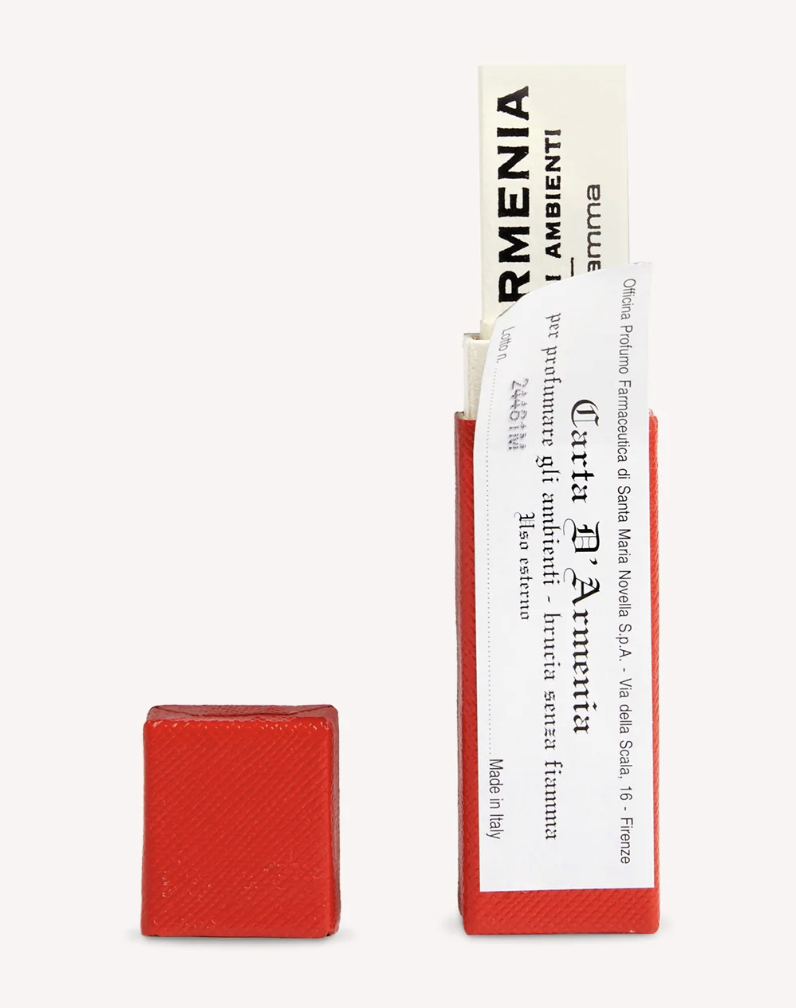
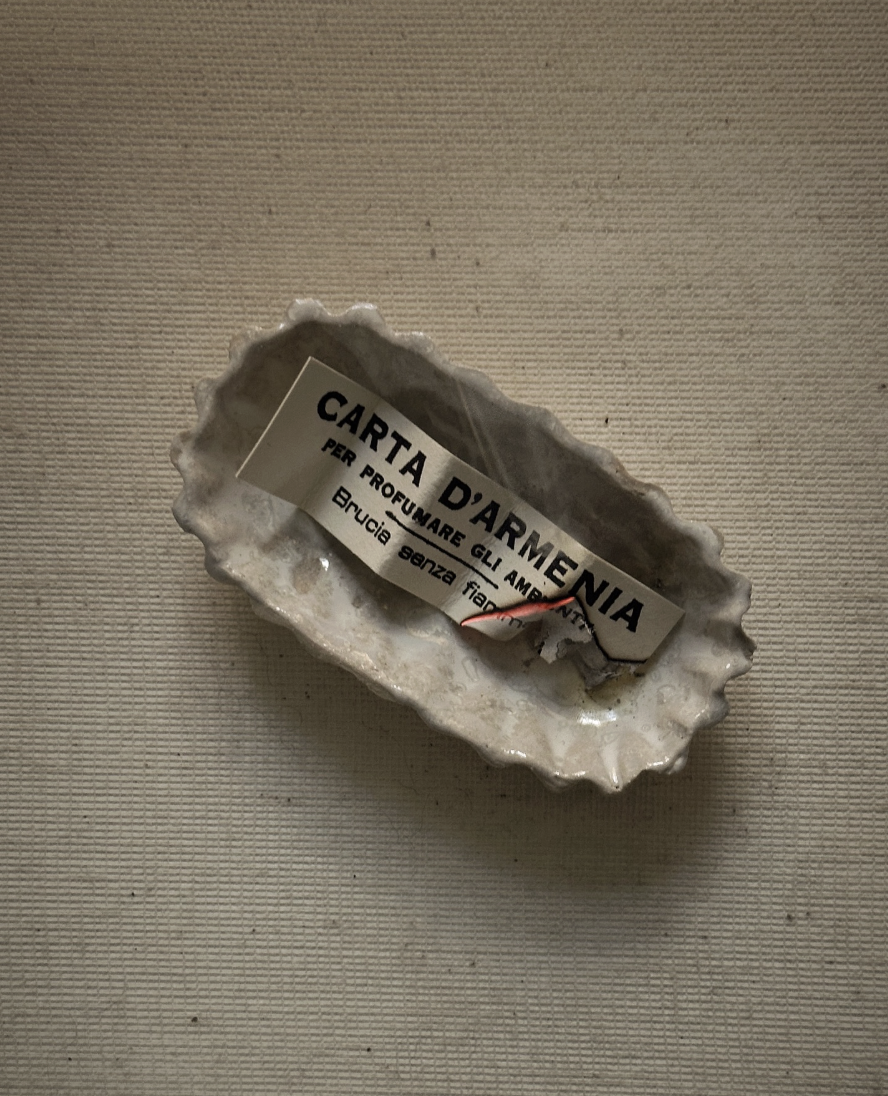
Eighteen pieces of paper, held in a package that looks vaguely spiritual, burn without flame and scent your home with benzoin resin–a balmy, vanilla-like fragrance that's been used in Armenia for centuries. It's one of the last remaining "medicinal papers" that once sanitized and scented homes before the age of industrial fragrance. French entrepreneur August Ponsot brought the practice to Europe in the seventeenth century, infusing paper with blended resins and oriental spices. Fold into quarters, light the short end, extinguish the flame, and let the vapor release its purifying essence. Place it intact in drawers to scent linens, or burn it on ceramic to perfume your home. A small ritual that predates modernity, still working.
“It may be as banal as my love for the CLASSIC Italian scents from my childhood of Santa Maria Novella, and the fact that these incense papers originated in Armenia. A collision of my two heritages in a musky burnable paper for the home, with perfect packaging.”
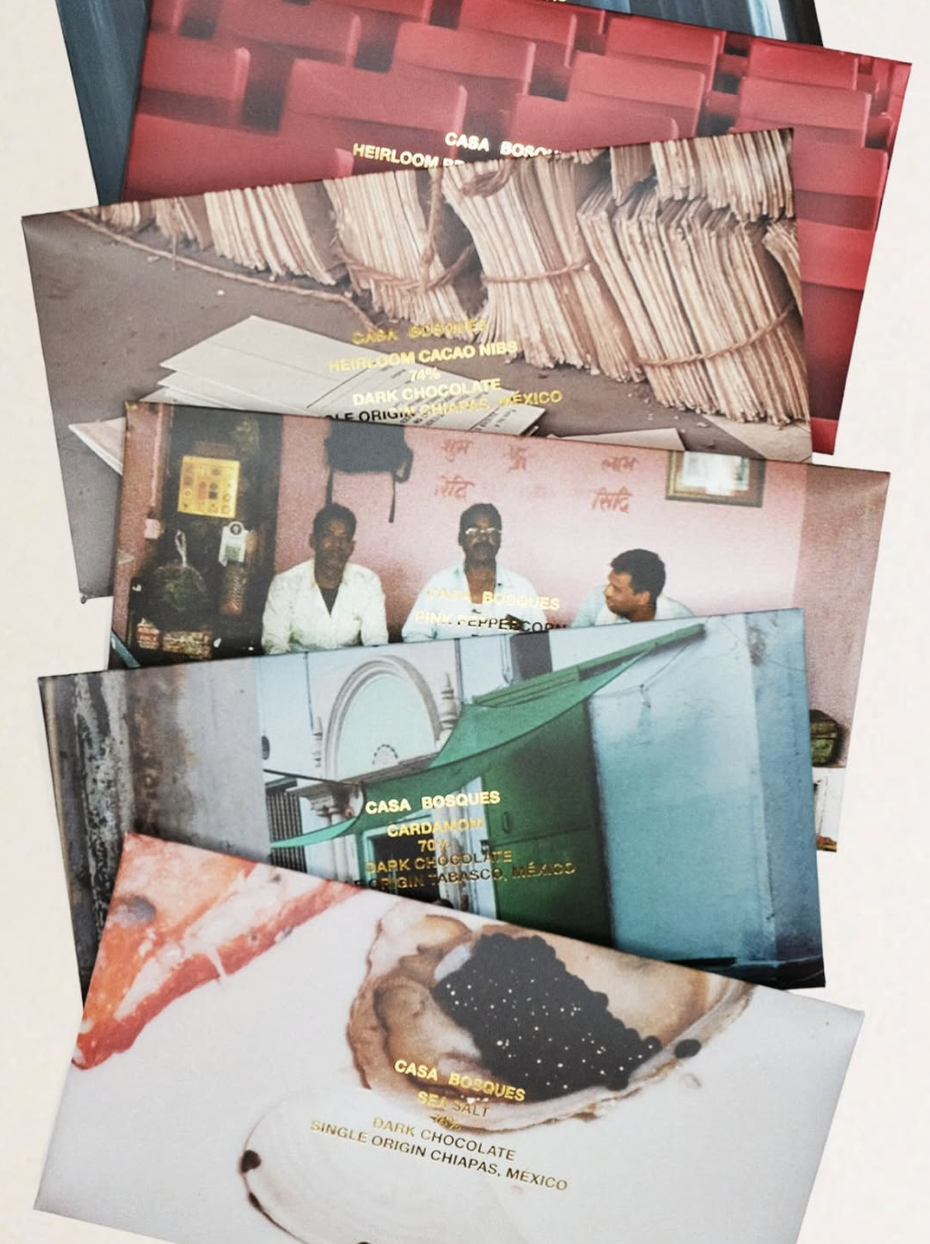
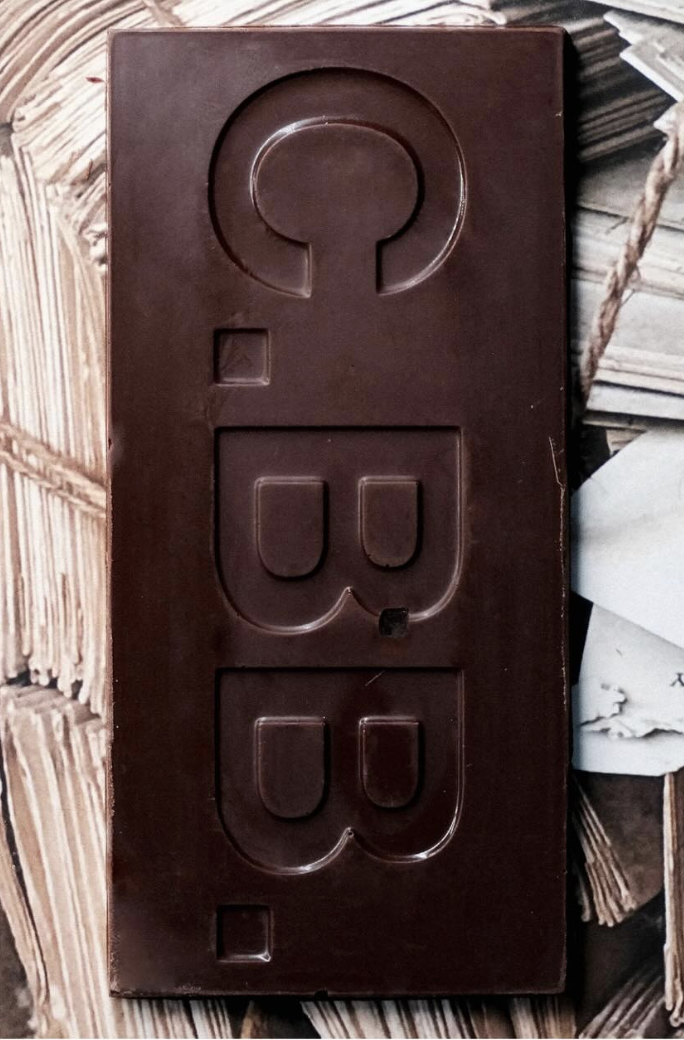
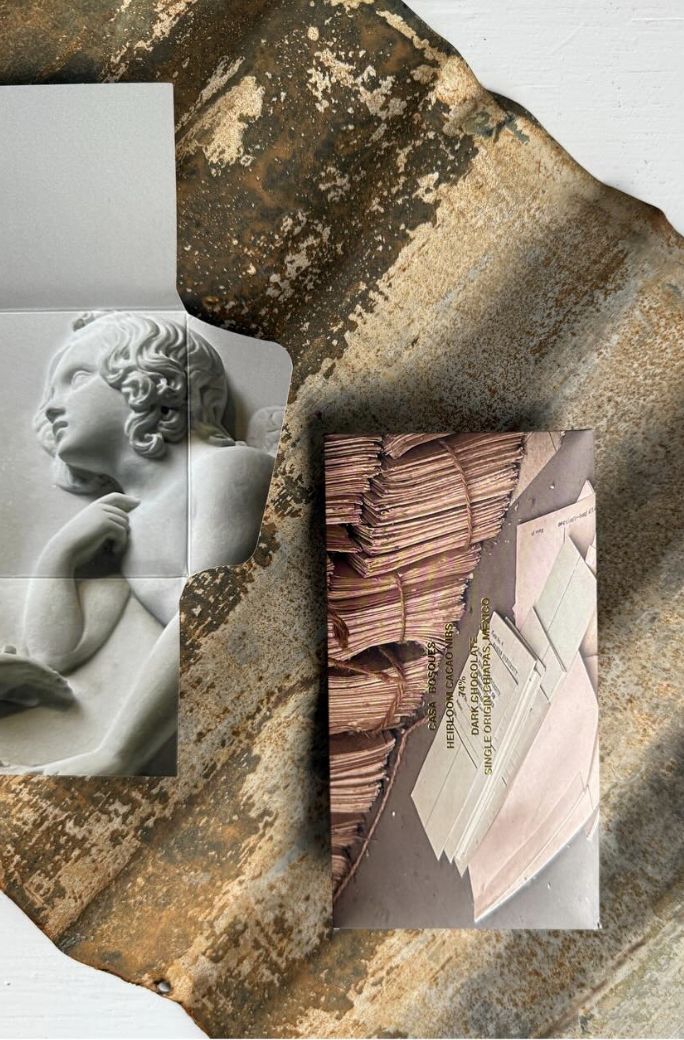
“When I met my dear friend, Rafa, he designed logos and made chocolate. Since, he's been able to make a career out of designing just about anything and everything any artist would be excited to design: interiors, lighting, rugs, hotels, stores, restaurants, books, menus, etc… but something about getting to have a rich delicious sweet PIECE of him and Mexico is the most precise way to experience his talent. He makes incredible chocolate, with hilarious, singular designs and collaborations that sum him up.”
THIS MEXICAN CHOCOLATE BRAND TREATS BARS LIKE ART
Casa Bosques Chocolate starts with two ingredients: heirloom cacao beans from small ranches in Chiapas and organic cane sugar. That's it. No emulsifiers, no vanilla extract, no filler. What changes is everything else—blue corn, preserved lemon, roses, sesame paste, ants. The ingredients are poetic, occasionally shocking, and always intentional. Founded by Rafael Prieto of Savvy Studio, Casa Bosques treats chocolate as a medium for creativity and collaboration, releasing artist editions that function as edible works. Each bar is crafted with the same care as the farmers tending the trees. The result is chocolate that tastes like someone actually thought about it, which shouldn't feel revolutionary but somehow does.
THE ONE SAVED FOR SPECIAL OCCASIONS
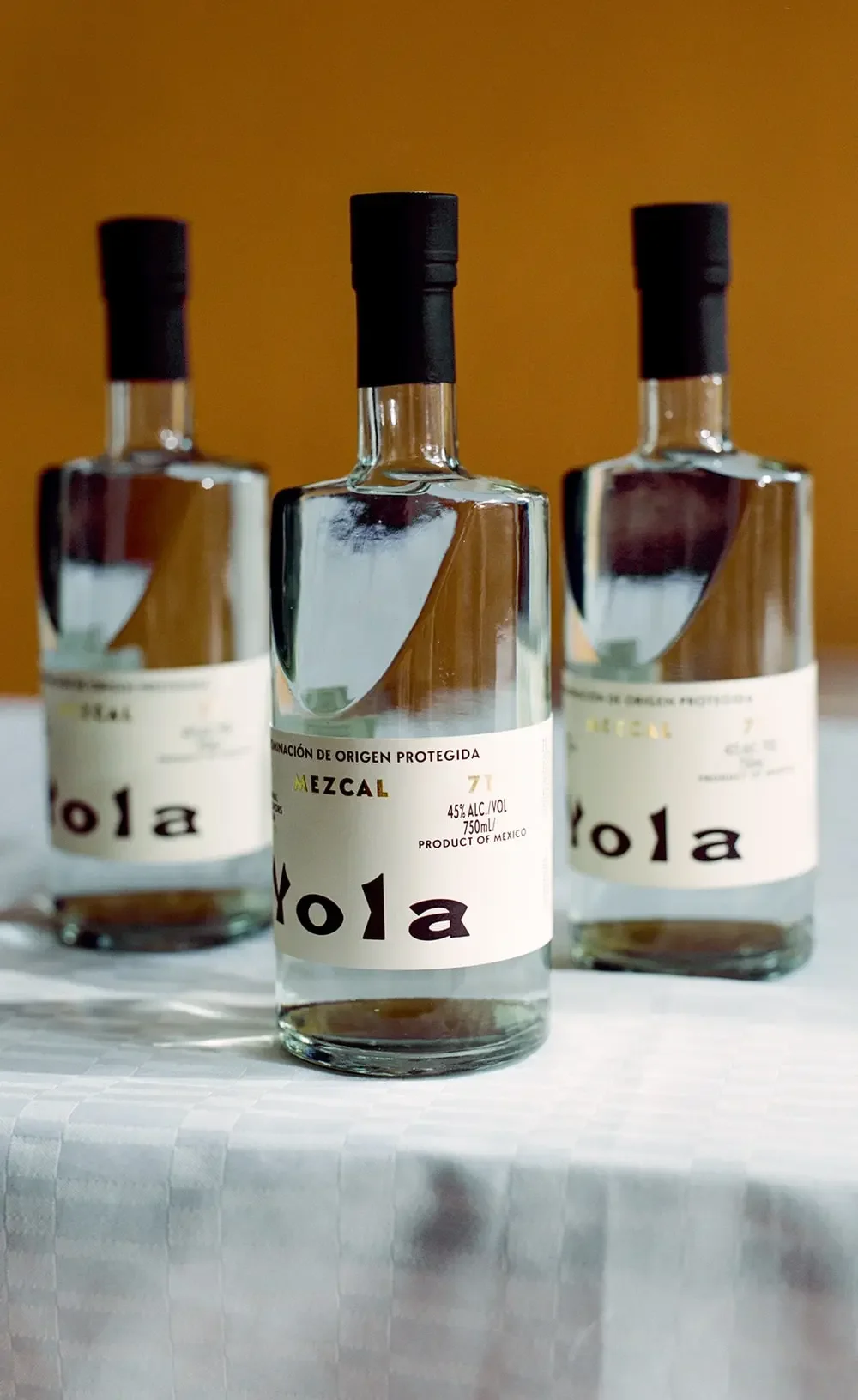
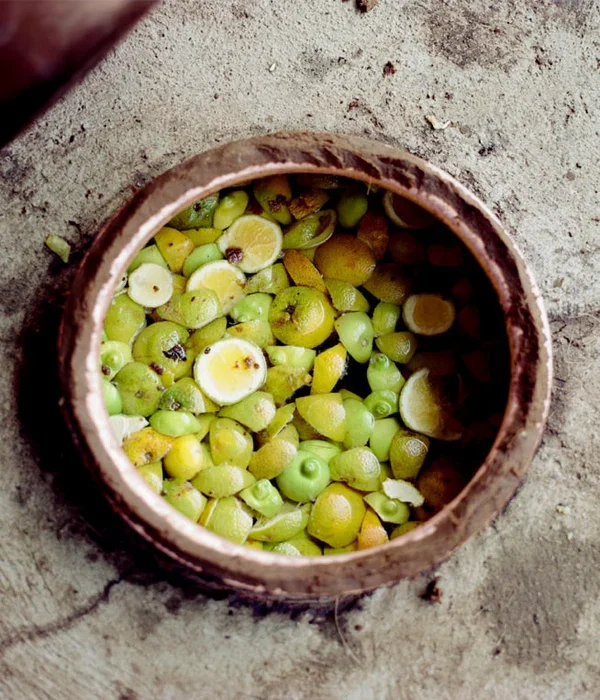
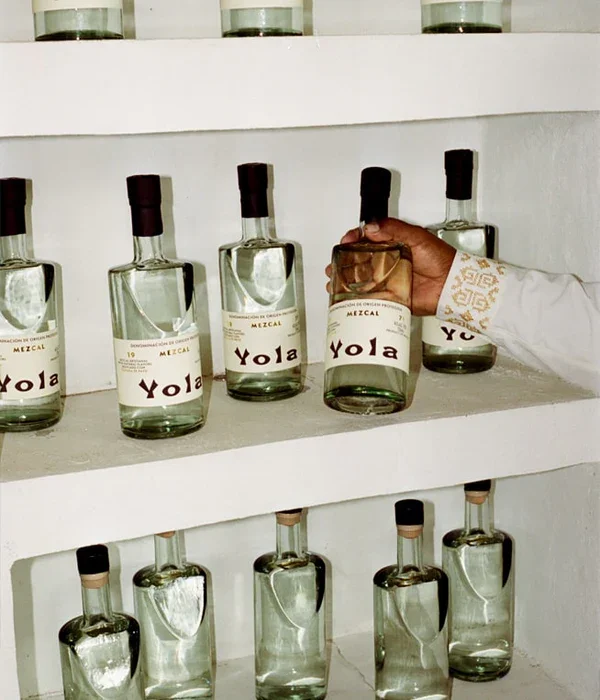
In Oaxaca, where mezcal flows daily, Mezcal de Pechuga is the one you save. It takes longer to make, requires more skill, and tastes like citrus cutting through smoke; orange, tangerine, lime, guayaba, pineapple, tejocote. Yola Mezcal's version is distilled by an all-female team on the family farm in San Juan del Río, where founder Yola Jimenez inherited her grandfather's operation in 2007. Master mezcalera Guadalupe Bautista oversees production, a role traditionally held by men. The bottle is recycled glass with an embossed label and gold foil, which feels right for something this considered. This is the mezcal you bring to dinner when you want to be remembered, or the one you open when the conversation turns good and no one's in a rush to leave.