Jess Hannah Révész
Courtesy of Jess Hannah Révész
HURS CURATORS
JESS HANNAH RÉVÉSZ
The woman behind J. Hannah on LA’s secret Japanese tea house and Midori notebooks
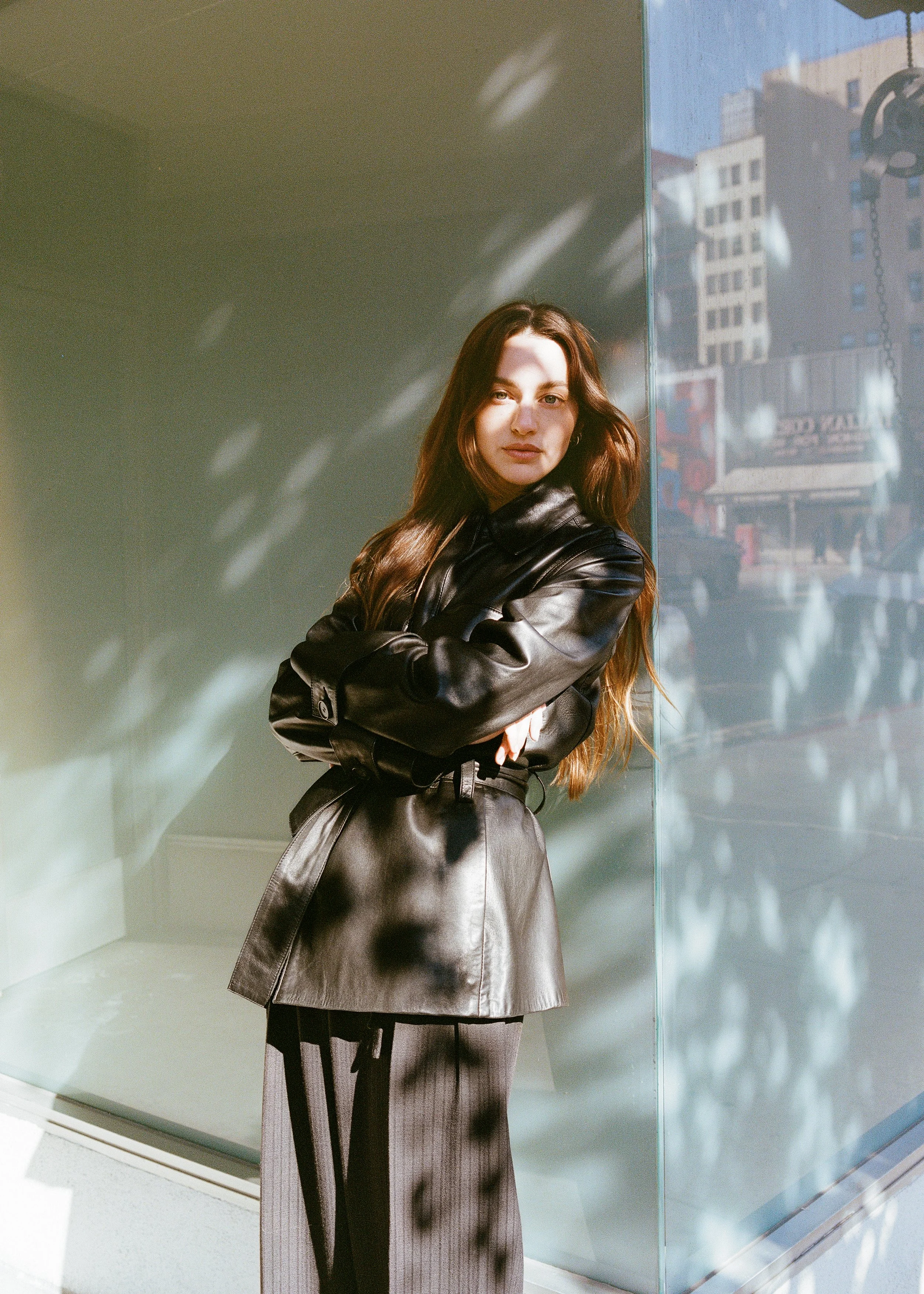
Jess Hannah Révész brings a singular focus to everything she does, grounded in rigour and refinement. She founded J. Hannah in Los Angeles as a jewellery label known for its heirloom-inspired designs, cast from recycled metals and handmade locally, each piece rooted in history and symbolism with every detail carefully considered. While the studio has since expanded to include nail polish and lighting — extensions of her interest in colour, material, and form — jewellery remains the foundation of the practice. Collaborators include LACMA, A24, and the Met, and J. Hannah is stocked in best-in-class institutions from MoMA to the Georgia O'Keeffe Museum. There's a depth to everything Révész touches — she works slowly and deliberately, guided by research and a deep knowledge of craft, never weighed down by history but in constant conversation with it.
THE LA TEA ROOM THAT DOESN’T WANT TO BE FOUND
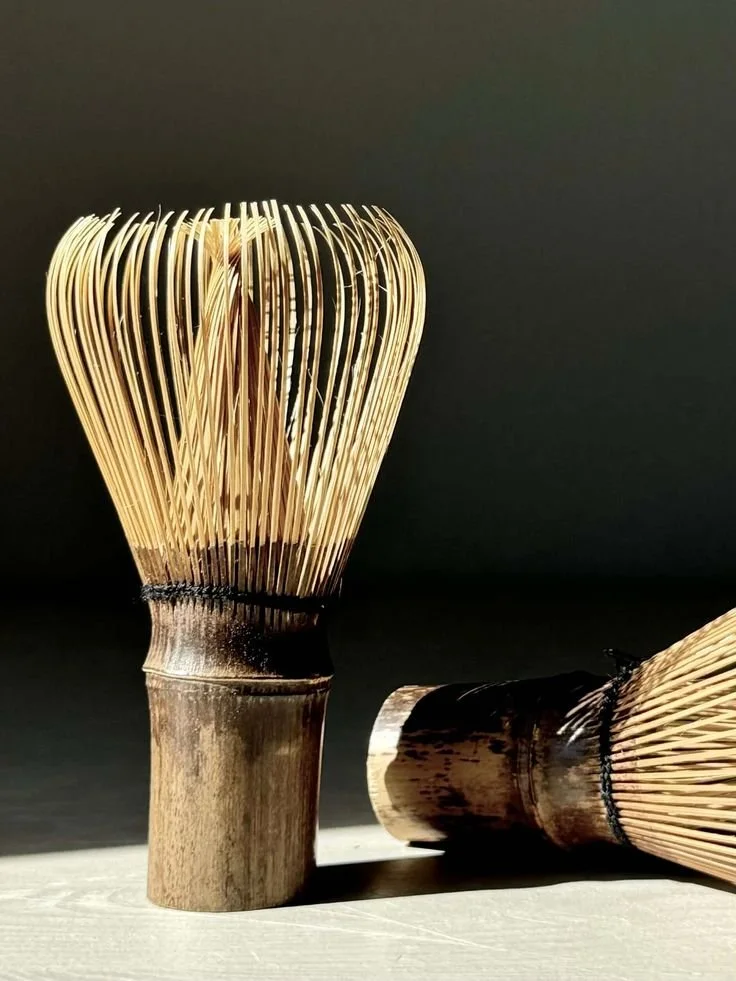
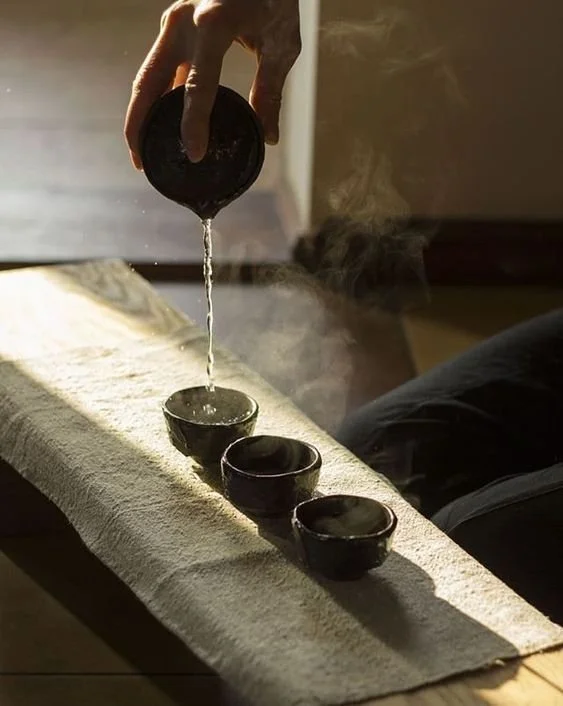
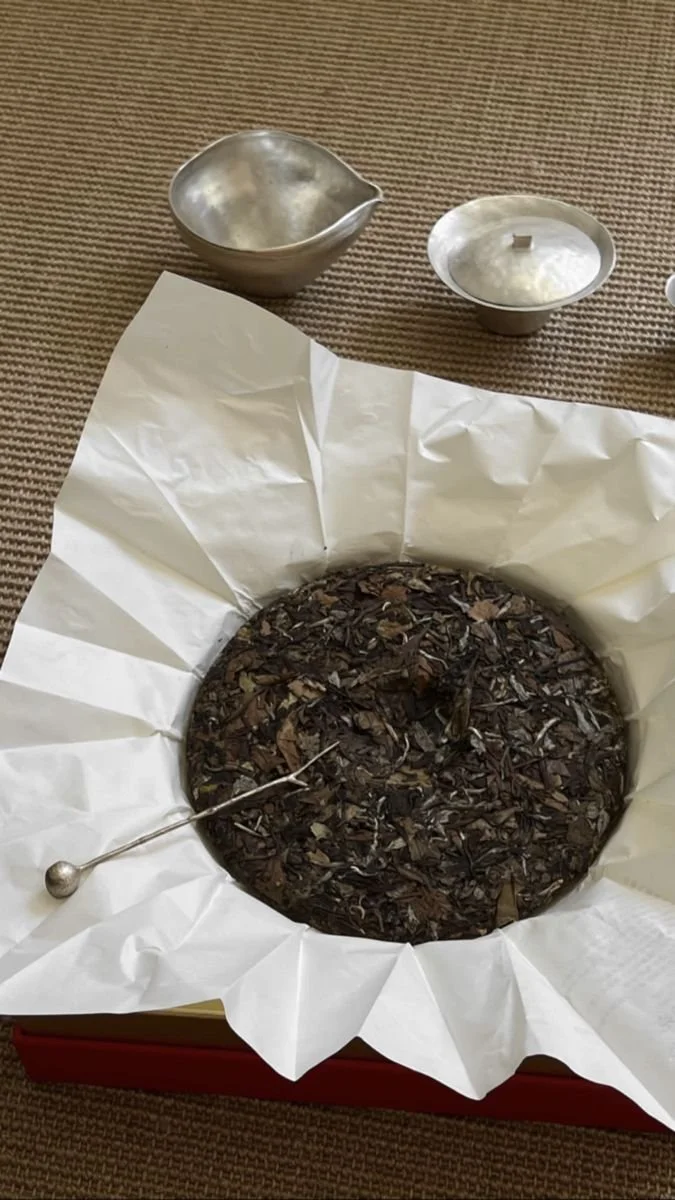
Tea began as a way to keep monks awake during meditation, which is perhaps the most honest origin story any ritual has ever had. By the fifteenth century, Shukō had moved the ceremony out of extravagant pavilions and into grass-thatched huts—seeking enlightenment through simplicity. The philosophy stuck. Today, the best tea houses still operate on the principle that boundaries between people and objects and ideas are worth dissolving. In Los Angeles—a city that has made oversharing an art form—the idea of a hidden, members-only tea house feels almost subversive. Jess will tell you more.
“I’m not naming names, but there’s a members-only tea house in LA where you have to know someone to get in. Phones are taken at the door, which immediately makes everything feel both SACRED and slightly illicit. The owner has an encyclopedic knowledge of Japanese teas, they serve macrobiotic Japanese food. It feels like a portal to another world.”
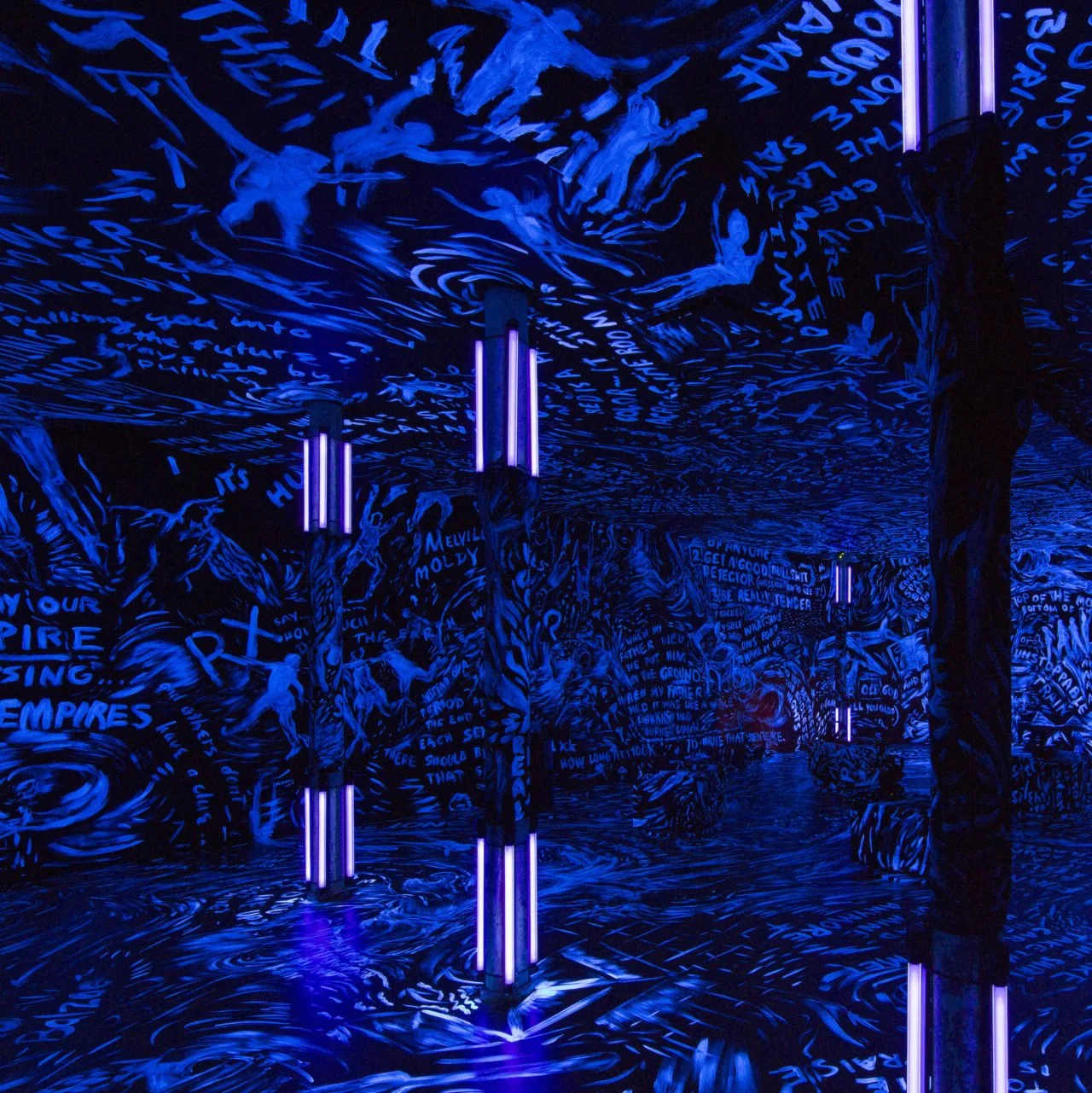
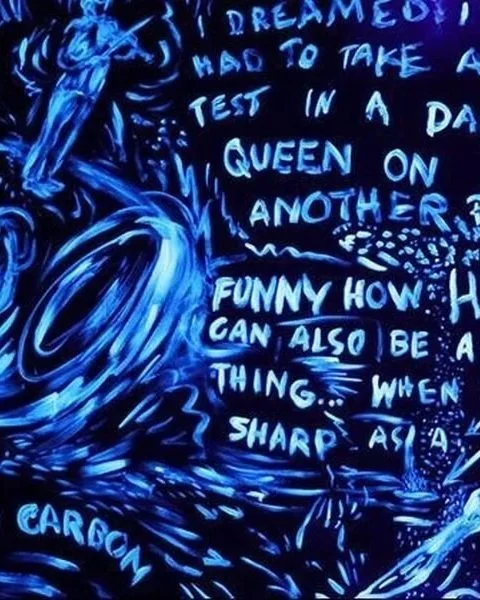
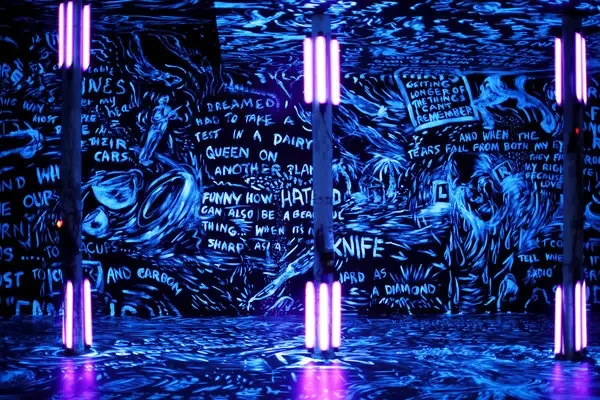
“I recently stumbled across Laurie Anderson’s work while visiting MASS MoCA in the Berkshires, and it really RESONATED. Multimedia, disorienting, and unexpectedly emotional. I was especially drawn to the way she plays with time and memory. She’s an artist who never stayed in one lane. It’s a good reminder that I don’t have to either.”
LAURIE ANDERSON’S FIFTY-YEAR EXPERIMENT IN CURIOSITY
Laurie Anderson once put her head in her hands out of frustration and discovered that elbows conduct sound through bone. This is, more or less, how her career has worked: accident becomes invention, limitation becomes instrument. In 1974, she replaced a violin bow with magnetic audiotape. A year later she stood on a street in Genoa, skates frozen into blocks of ice, playing a duet with herself until the ice melted. For fifty years she has asked what else a thing might be—a violin, a voice, a table, a story—and the answers have taken the form of albums, performances, sculptures, and virtual realities. At MASS MoCA, her sprawling installation is a map of a mind still working, still curious, still suspicious of the obvious answer.
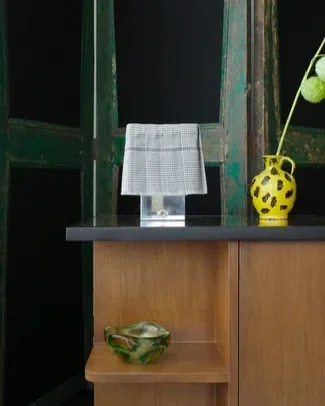
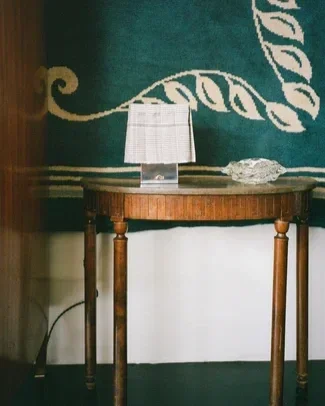
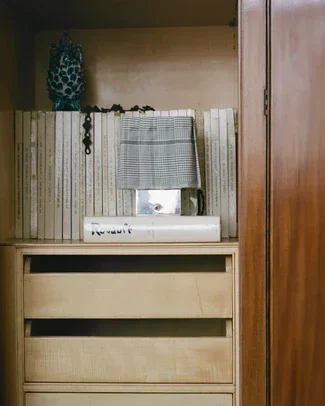
J. HANNAH AND TTMM MAKE A GOOD CASE FOR LIGHTING
Good collaborations happen when both parties already share history. The Table Lamp 04—a partnership between jewellery and objects label J. Hannah and Los Angeles design studio TTMM, founded by Tyler Thomas and Mike Moser—began with a shared sensibility and ended with grey plaid. The pair selected the fabric; Nat Rychart hand-pleated the shade in LA; the polished aluminum base is designed to age the way good materials do. It stands eight inches tall, toggles on and off without fuss, and will not be remade once this small run sells through.
“I’m charmed to have wildly creative friends, and some of my favorite pieces are things they’ve made, or given me. A sculptural vase from glass artist and jeweler Rebecca Mapes, sculptural candle holders by Kassandra Thatcher, a forever knit from Shaina Mote, a silk party top from Chelsea Mak, a bag from Are Studio, skincare by Lesse, and sexy basics from Kye Intimates to name a few! On the subject of friendship, I recently COLLABORATED with Tyler Thomas and Mike Moser of TTMM on a limited-edition version of my Lamp 04. The project grew out of a long-standing creative relationship built on mutual admiration, critique, and years of exchanging ideas across jewelry, architecture, and interiors. It’s a reminder that some of the most meaningful objects come not just from solo vision, but from sustained creative dialogue and the kind of friendships where you’re constantly editing, supporting, and cheering each other on. I feel genuinely lucky to be surrounded by creative people whose work I want to wear, live with, support, and pass along to others.”
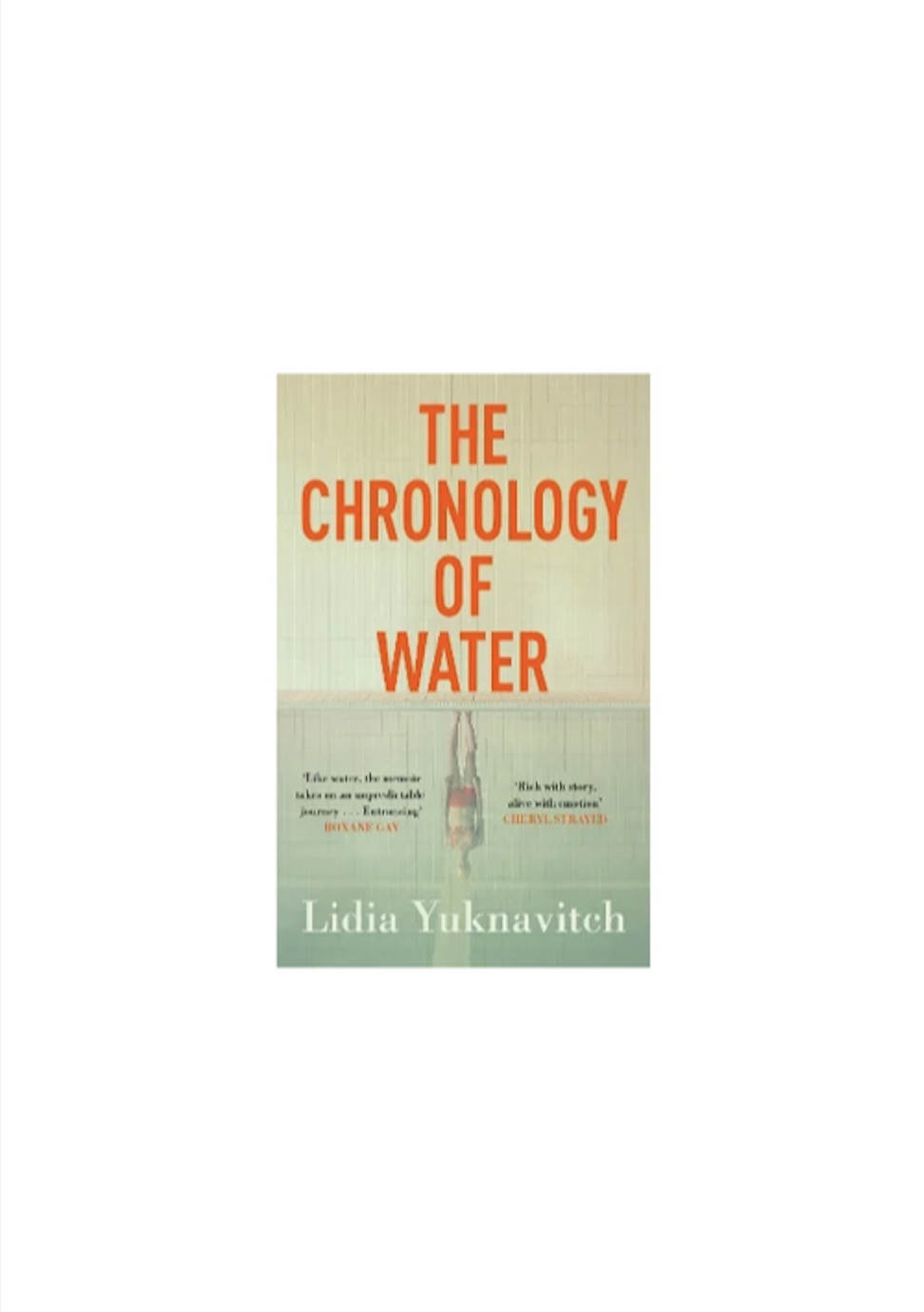
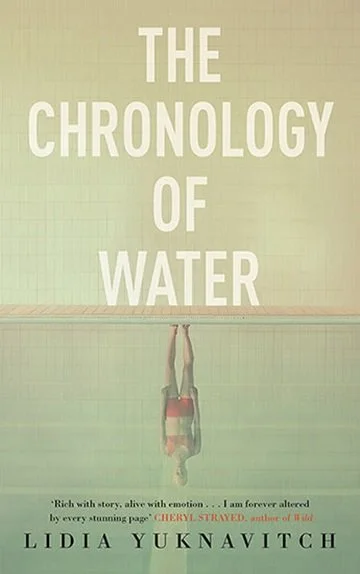
“Yuknavitch’s memoir is WILD, guttural, nonlinear. It’s about bodies, grief, rage, art, and sex—and doesn’t try to resolve any of it neatly. On a recent trip with two friends I read aloud to them starting mid book and they couldn't get enough. I finished it a few months back and now I'm ready to start it all over again.”
LYDIA YUKNAVITCH’S ANTI-MEMOIR
Some memoirs want to make sense of a life, this isn’t one of them. Lidia Yuknavitch's The Chronology of Water is non-linear, uncomfortable, uninterested in redemption arcs or soft landings. She writes about a body in motion: a swimmer cutting through grief, addiction, violence, desire, surfacing only long enough to go under again. She traces how a woman becomes a writer when every conventional path has already collapsed, and what emerges is closer to survival than triumph. Love arrives. Motherhood arrives. But nothing is wrapped up neatly. Some lives don't resolve. They just continue.
DESIGNED IN 1835, AND STILL SHARP
Staedtler has been making pencils since 1835. It's a skill they have quietly perfected. The Mars Lumograph is the one Norman Foster and Tracey Emin reach for, for reasons we assume are technical: 24 degrees from soft 12B to hard 10H, finely graded graphite that moves from velvety black to whisper-light grey without fuss, break-resistant lead that survives sharpening and the pressure of a deadline. The wood comes from sustainably managed forests; the metallic lustre photographs beautifully, if that matters. Nothing revolutionary—just a pencil that does exactly what a pencil should, every time.