Lara Worthington
Courtesy of Lara Worthington
HURS CURATORS
LARA WORTHINGTON
The entrepreneur and model on Charvet slippers and her favorite stay
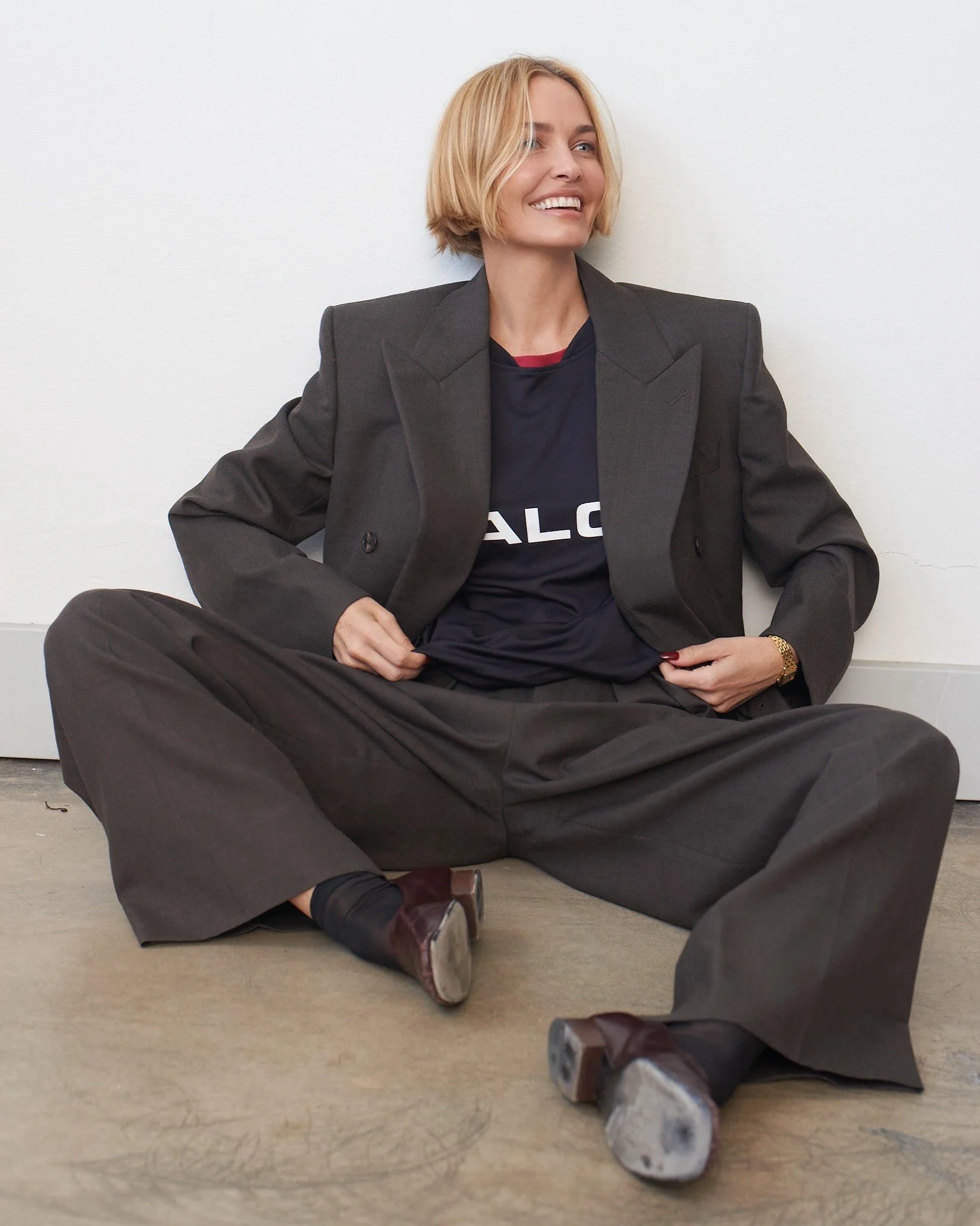
There's a particular skill in being looked at for a living—and an entirely different one in controlling how. Lara Worthington has done both. The Australian model spent years as the face: IMG-signed, magazine covers, campaigns for Louis Vuitton, Tiffany & Co., YSL Beauty. Somewhere along the way, she became something more useful to the industry—someone who understands not just how to be seen, but what makes others stop scrolling. Brands now seek her out for that instinct, the rare fluency in image that can't be manufactured. In 2026, she'll launch Ommage, a beauty line designed with the same precision she's applied to her own reinvention: sculptural, considered, not interested in being everything to everyone.
WHERE SERIOUS READERS GO FOR PLEASURE
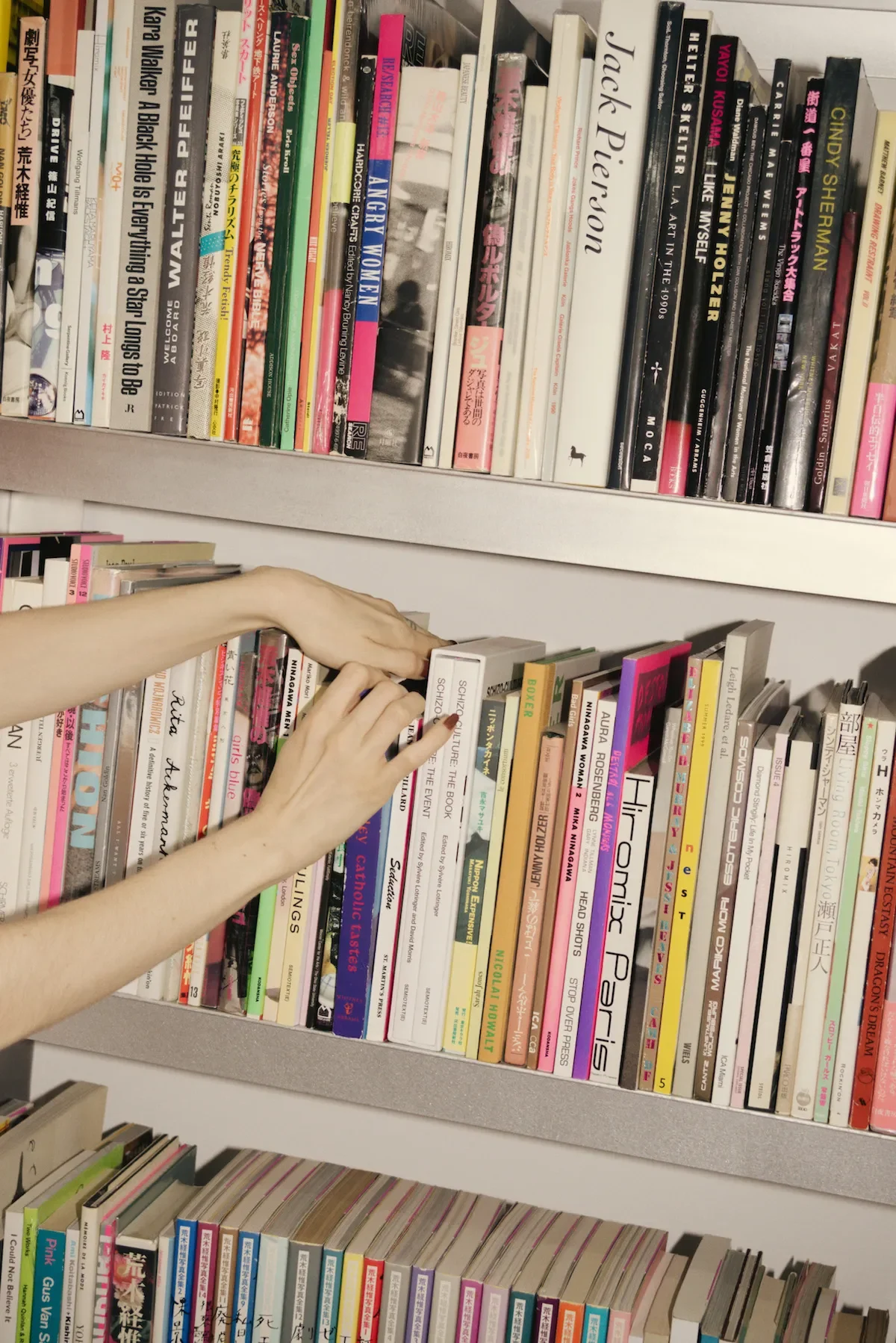
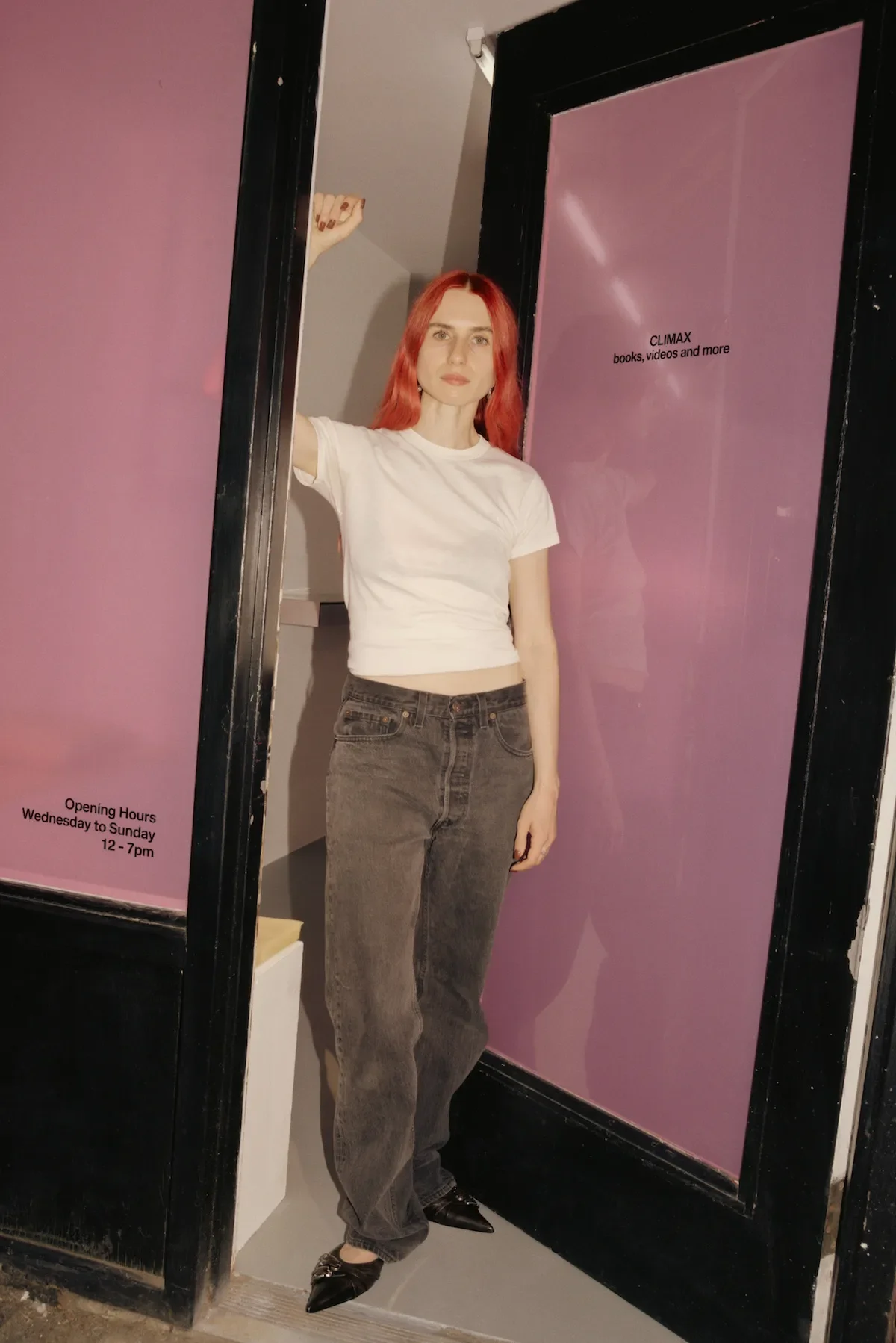
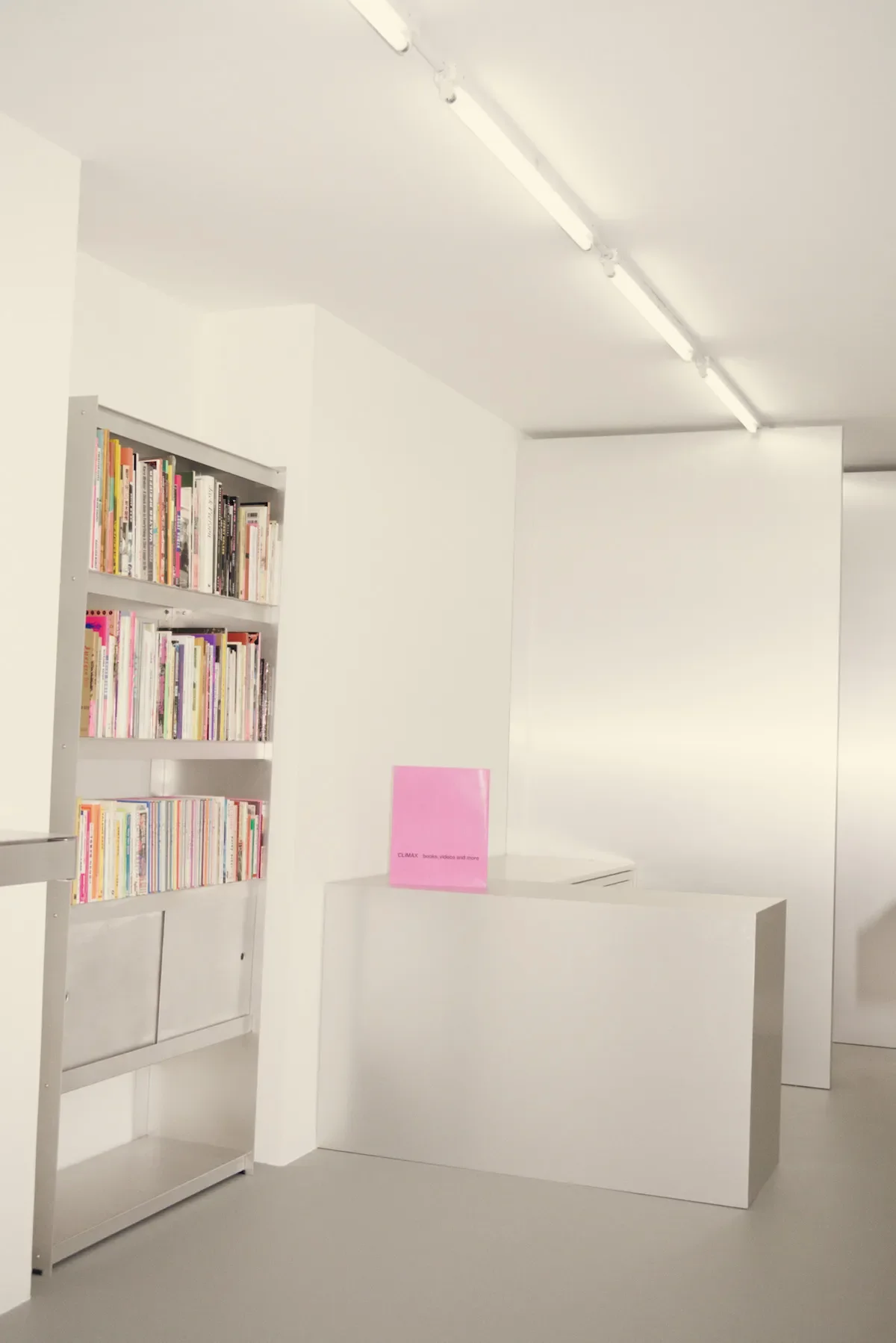
Climax, founded in 2020 by Isabella Burley—former Dazed editor, Acne Studios CMO, woman of impeccable taste—understands the seduction of print in an age of scrolling. The name says it all, really. From silver-steel interiors in London and New York, Burley curates rare volumes on fashion, art, film, design, and sex, while commissioning objects and publishing works that feel both essential and covetable. The hot-pink shopping bags have become their own kind of currency; the merch, arguably, as sought-after as the books. When Paloma Elsesser or Dev Hynes drops by, someone's there to capture it. Knowledge, it turns out, looks good on everyone.
“Climax Books has become one of my little New York RITUALS. I always end up finding something I didn’t even know I needed. It’s curated in that instinctive, quietly cool way. And being friends with Isabella makes it feel even more special, like you’re stepping into her brain for a minute. It's just one of those spots I always make time for.”
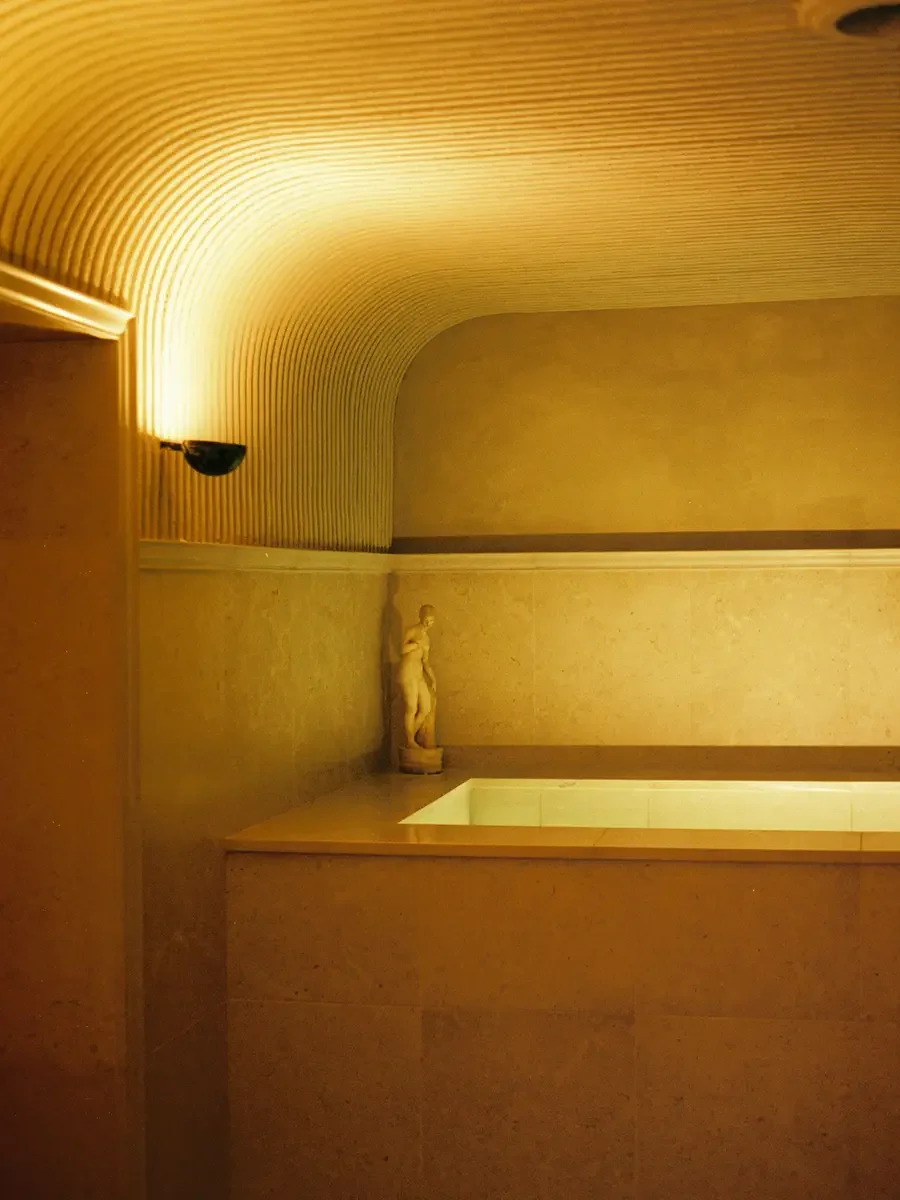
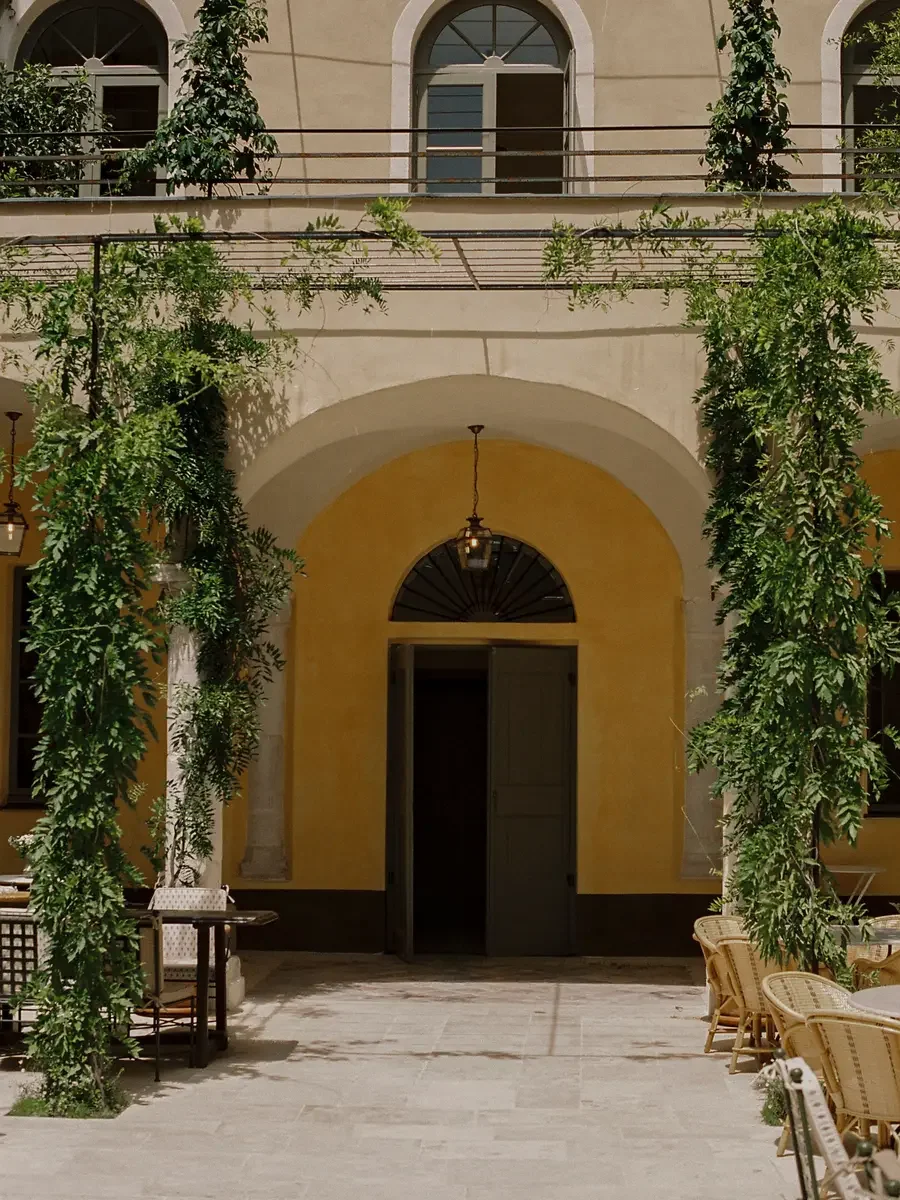
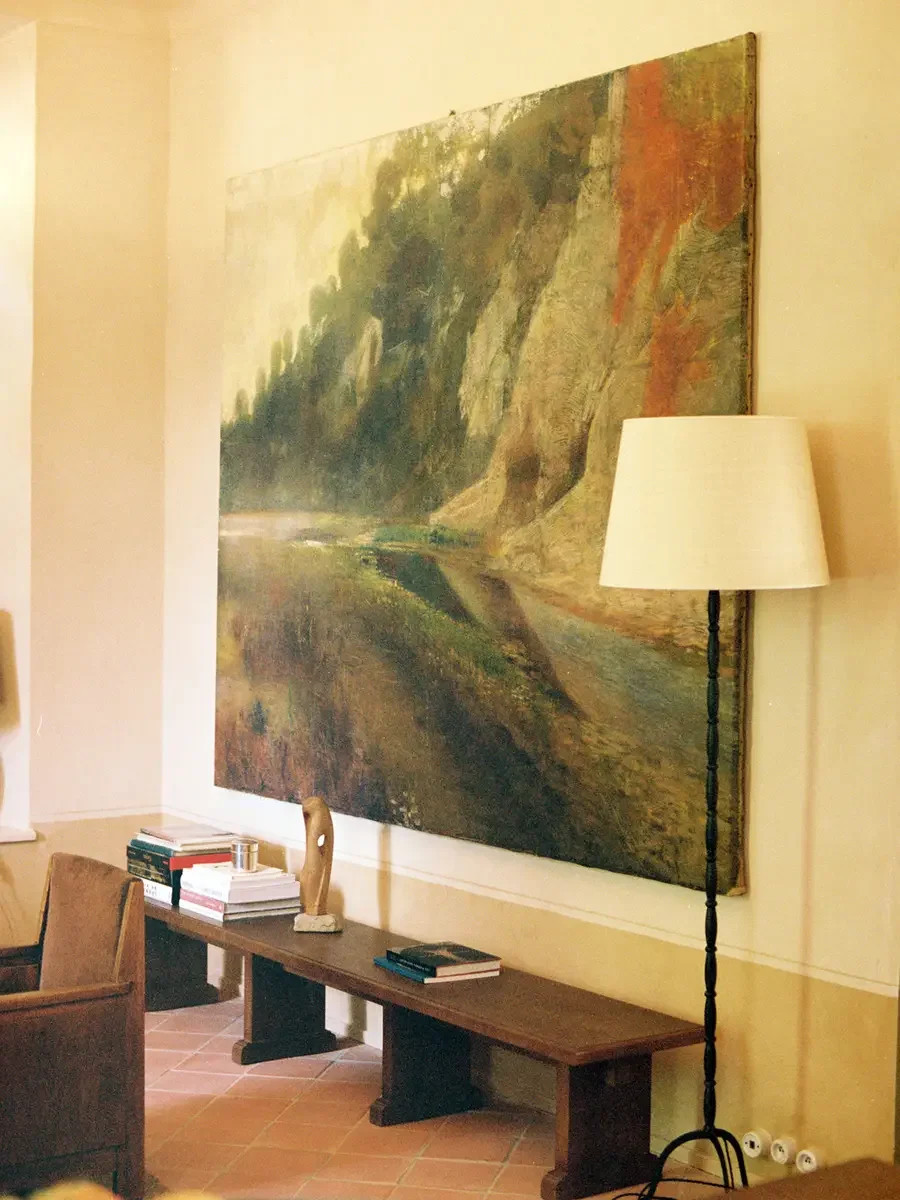
“Hôtel du Couvent is this beautifully restored old convent that somehow feels both hidden and right in the center of everything. It just has that energy. Calm, warm, and a little MAGICAL. The interiors are incredible: thoughtful, simple and so easy to be in. I brought my whole family and they never wanted to leave, especially the pool!”
WHERE THE NUNS ONCE SLEPT, NOW YOU CAN TOO
A 17th-century convent on Nice's Cimiez hillside, dormant since the 1980s, reopened as something entirely new. Valéry Grégo—the hotelier behind Le Pigalle and Les Roches Rouges—spent a decade on the restoration. The former nun's quarters are now 88 rooms dressed in warm lime plaster and reclaimed wood, original alcoves and terracotta floors intact, furnished with French and Italian antiques. Cloistered gardens slope toward a lap pool overlooking the city and coast. There's a resident herbalist dispensing custom tisanes, a subterranean spa drawn from Roman bathing traditions, and a kitchen fed by the hotel's own farm and bakery. The kind of place truly worth staying.
DEADSTOCK SUITING FOR THE SERIOUSLY COOL
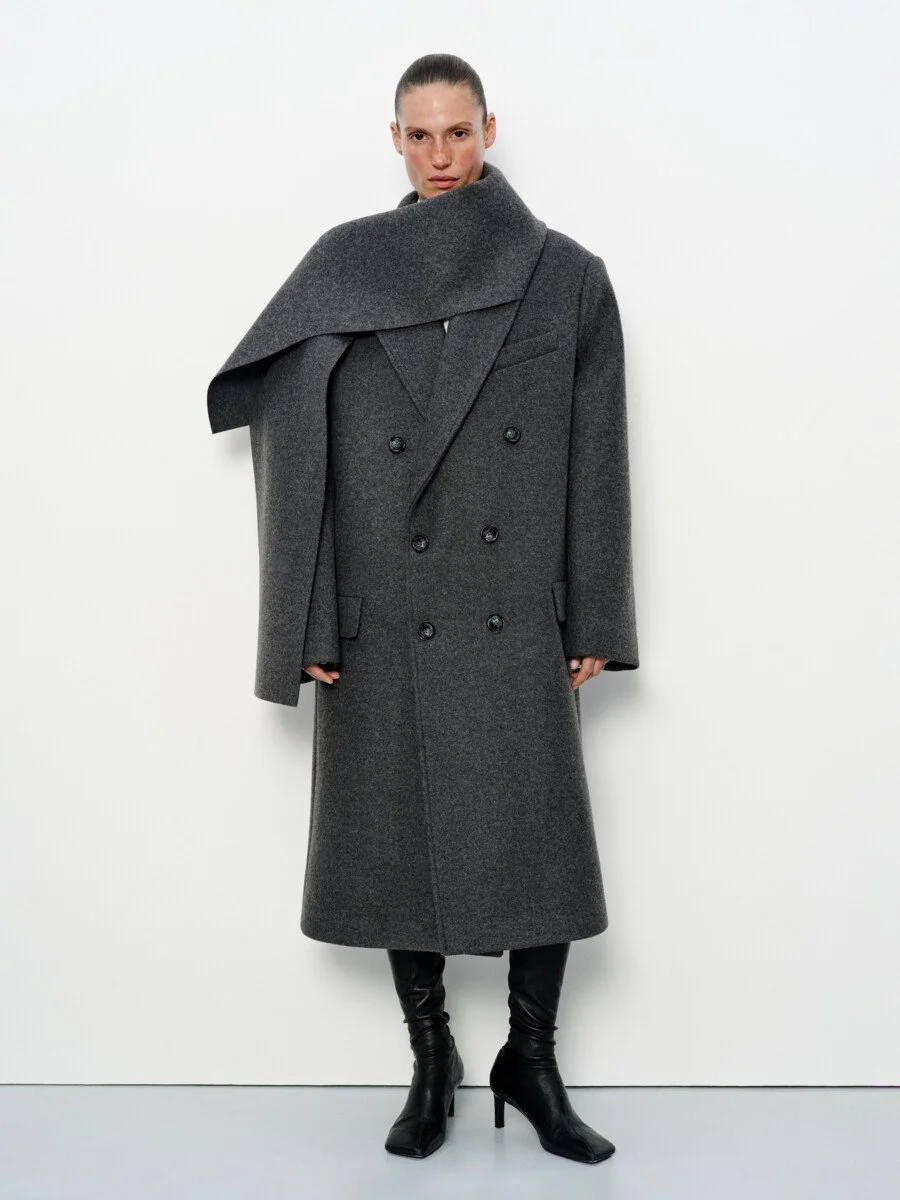
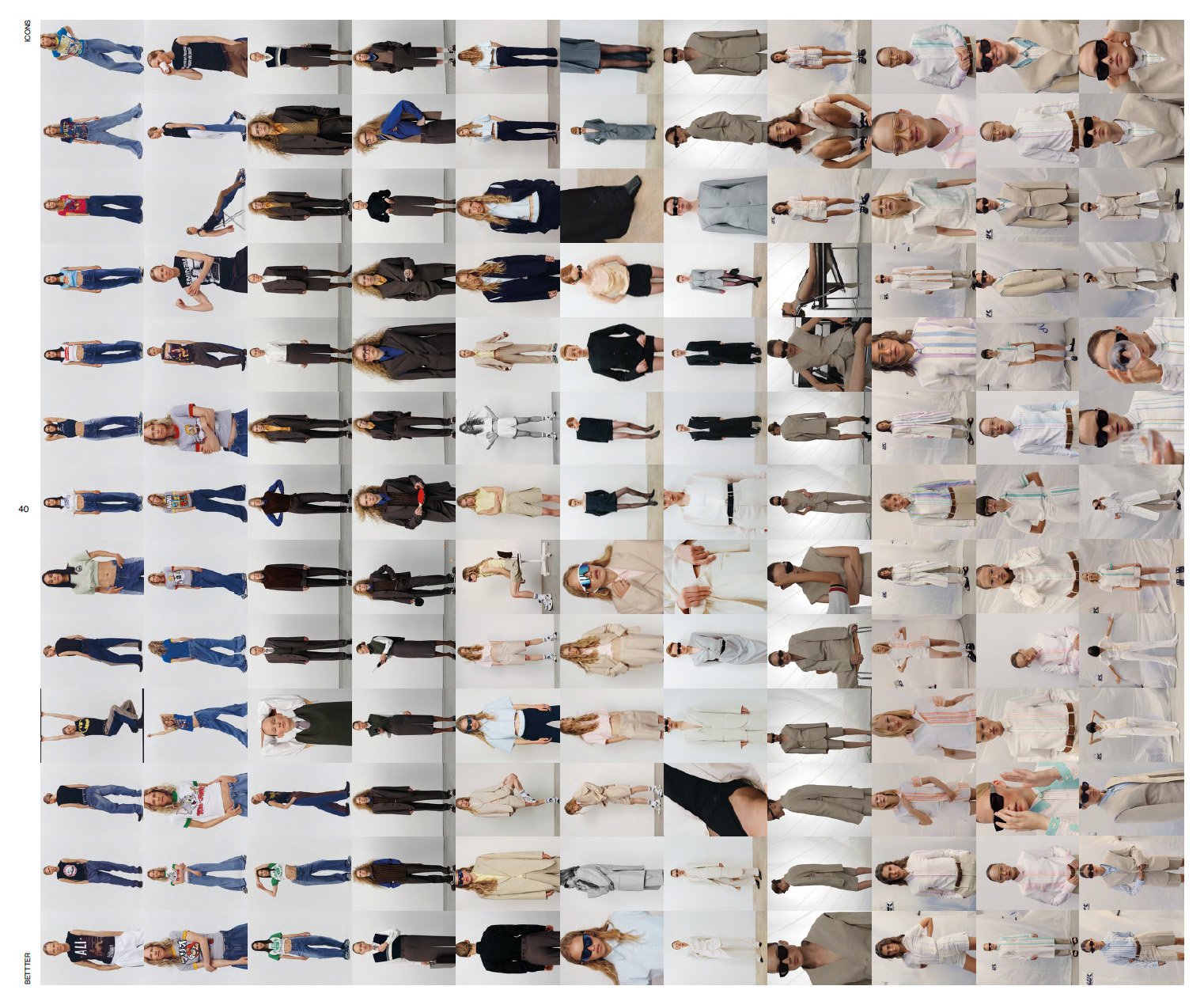
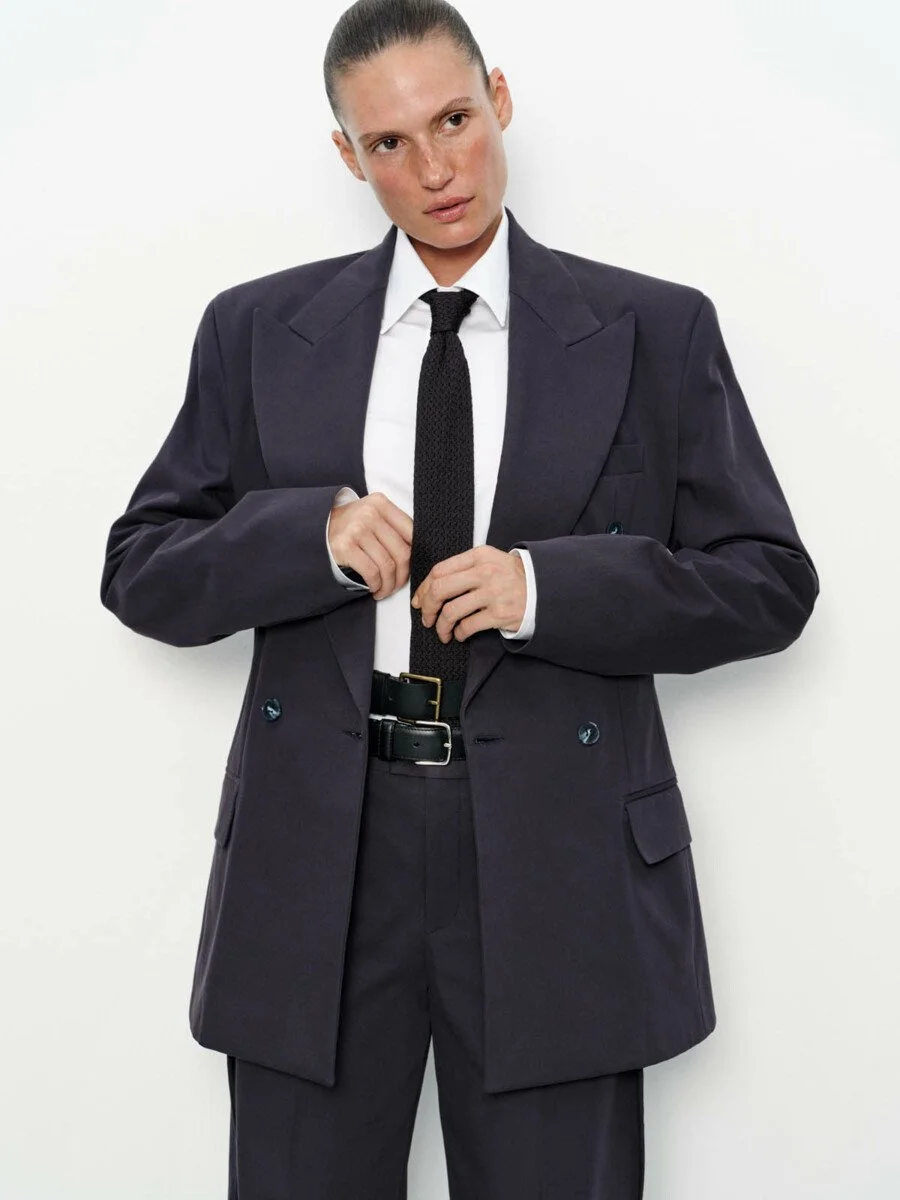
Julie Pelipas understood something the fashion industry has been slow to grasp: the coolest women don't want more clothes—they want better ones. BETTTER, founded in 2021, takes deadstock men's suits and reworks them into sharp, relaxed tailoring for women who have things to do. Nothing is produced from scratch. Each piece comes with a care passport tracing its origins, for those who like the receipts. But Pelipas isn't just making clothes—she's built an upcycling system designed to scale, combining fashion know-how with technology to support designers and brands rethinking how they produce. Doing good and looking good, it turns out, were never mutually exclusive. BETTTER just made it obvious.
“I’m totally inspired by BETTTER. The whole concept, turning up-cycled and dead-stock fabrics into beautifully TAILORED womenswear is exactly the kind of creativity and conscience I gravitate towards. The fact that it’s driven by Julie Pelipas makes it feel real, authentic, and thoughtful.”
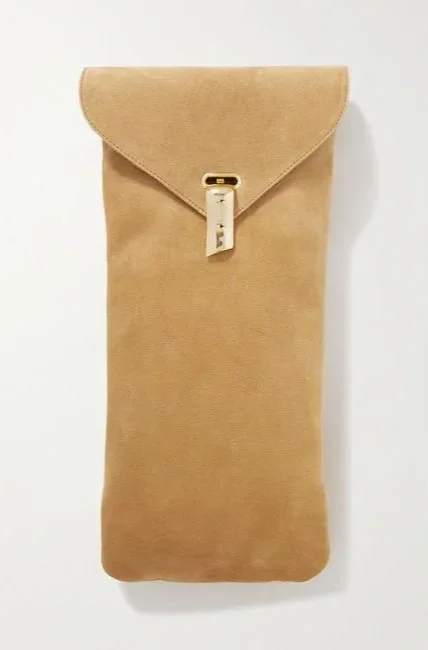
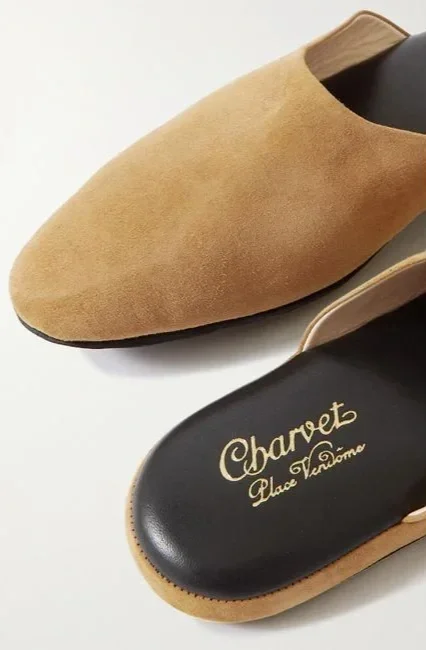
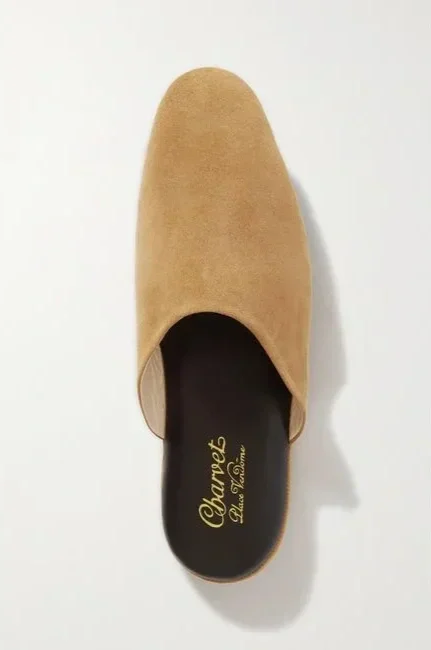
“I take them EVERYWHERE. I wear them on the plane, and I like having my own pair so I’m not tempted to use the hotel’s disposable ones. It just feels better. I’m also that person who puts the do-not-disturb sign on the door because I don’t need my sheets or towels changed every day. There’s so much waste when you travel, and this is my tiny way of keeping it in check.”
THE HOUSE THAT DRESSED ROYALTY, NOW AT YOUR FEET
Hotel slippers are for amateurs. Charvet has been making travel slippers for fifty years—handcrafted in their Parisian atelier, available in 128 shades of suede kidskin or nappa leather, each pair arriving in its own matching carrying case. The calfskin suede sole ensures silent footsteps; the insole is padded for those who take comfort seriously. The brand itself dates back to 1838, when Joseph-Christophe Charvet—son to Napoleon's wardrobe curator, no less—opened the world's first dedicated shirt shop. The atelier moved to Place Vendôme before the jewellers arrived. Nearly two centuries later, Charvet still operates with the unhurried confidence of a house that dressed royalty and never felt the need to mention it.
WHERE EX-PRIME MINISTERS AND ARTISTS SHARE A TABLE
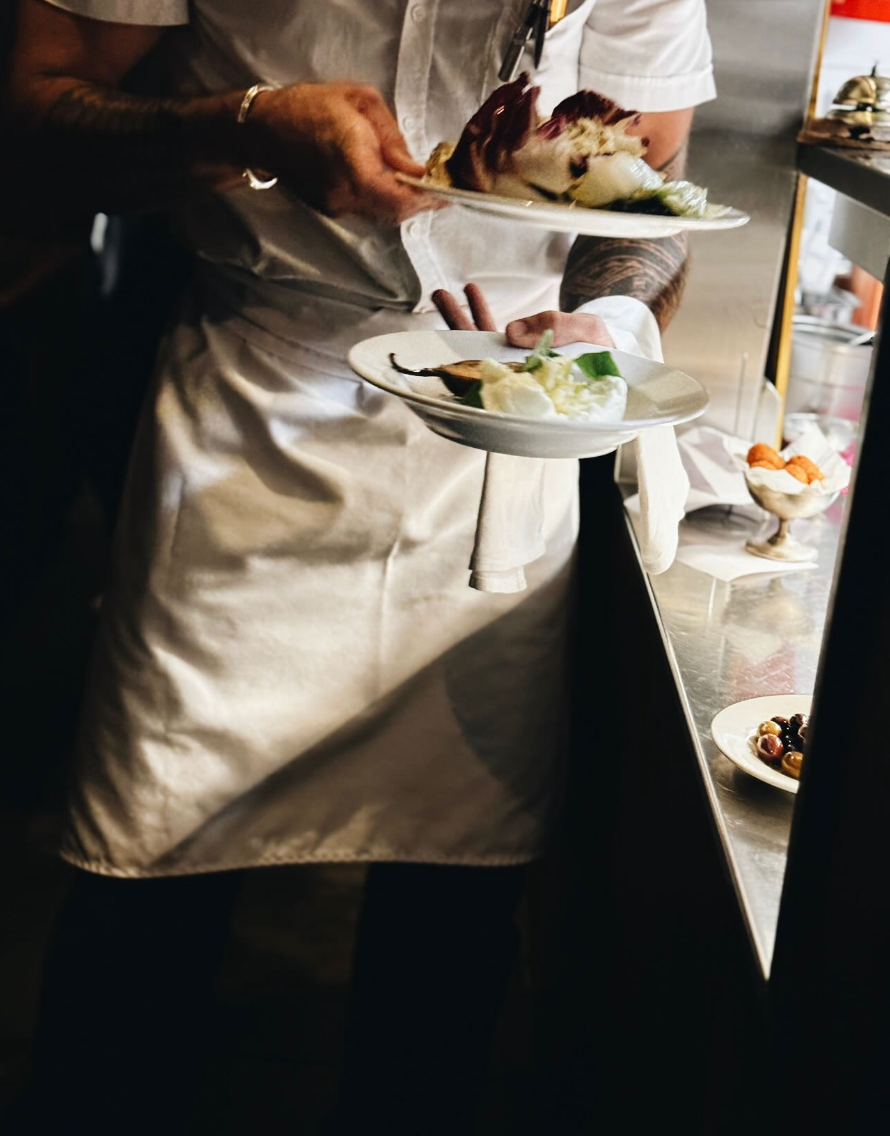
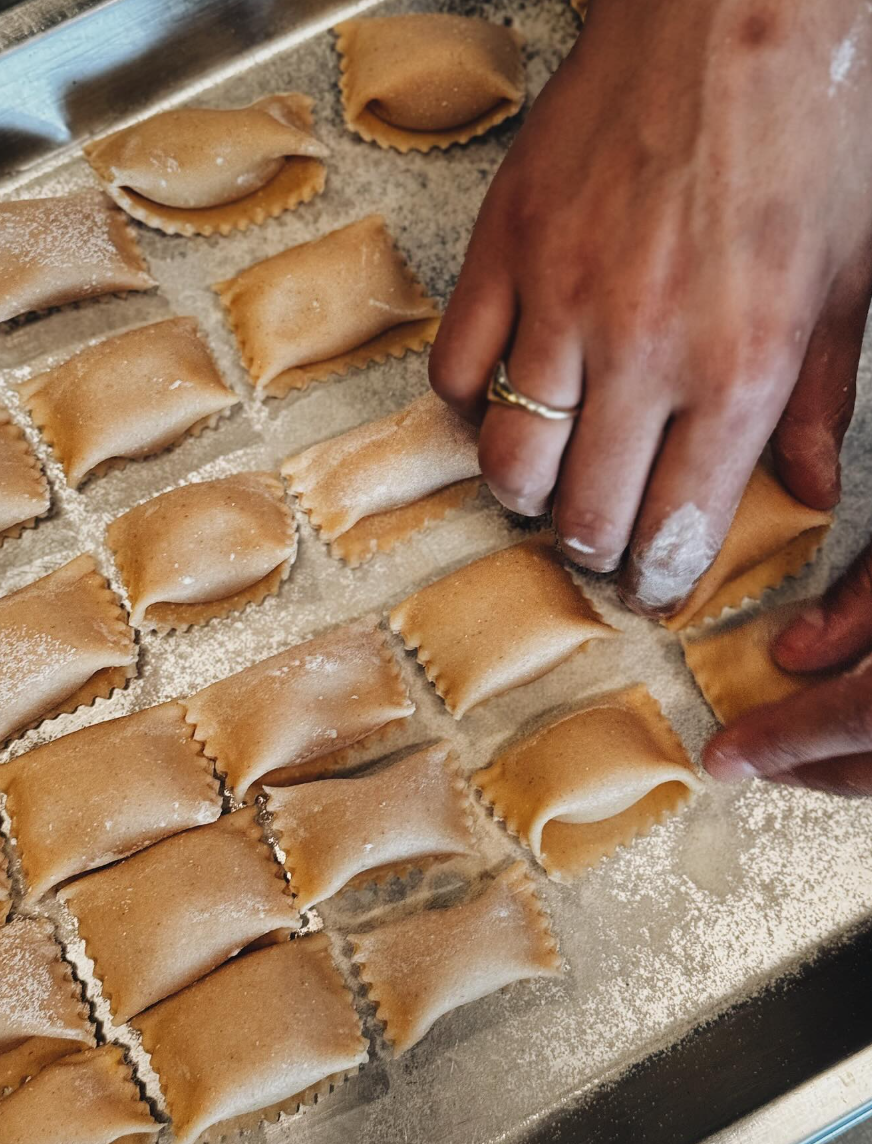
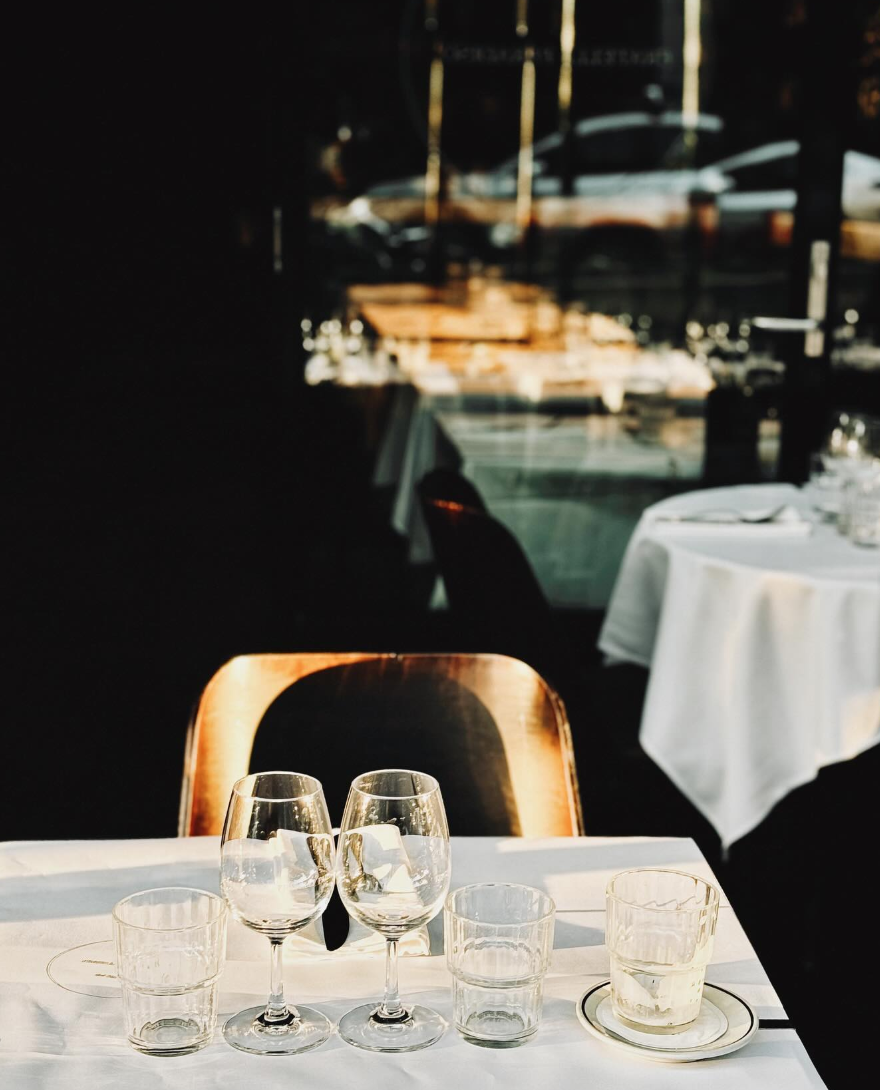
Fratelli Paradiso is the kind of restaurant where you can order pasta at four in the afternoon and nobody blinks. The Potts Point staple has been serving Sydney for over twenty years—no bookings, all-day service, a blackboard menu recited in rapid Italian as you sit down. The cooking is regional and unfussy: calamari fried until golden, lasagnetta Bolognese, chitarra cacio e pepe, a pork cotoletta draped in pancetta and finished with hot broth. The wine list runs to over a hundred bottles, mostly Italian, leaning natural. Brothers Giovanni and Enrico work the floor like it's their living room—pouring, plating, embracing anyone who walks through the door. The crowd is democratic: rumpled linen beside fresh fades, academics next to retired Olympians. You come for the food and stay because leaving feels like poor form.