Luna Paiva
Courtesy of Luna Paiva
HURS CURATORS
LUNA PAIVA
The artist shares her places to eat, shop and listen
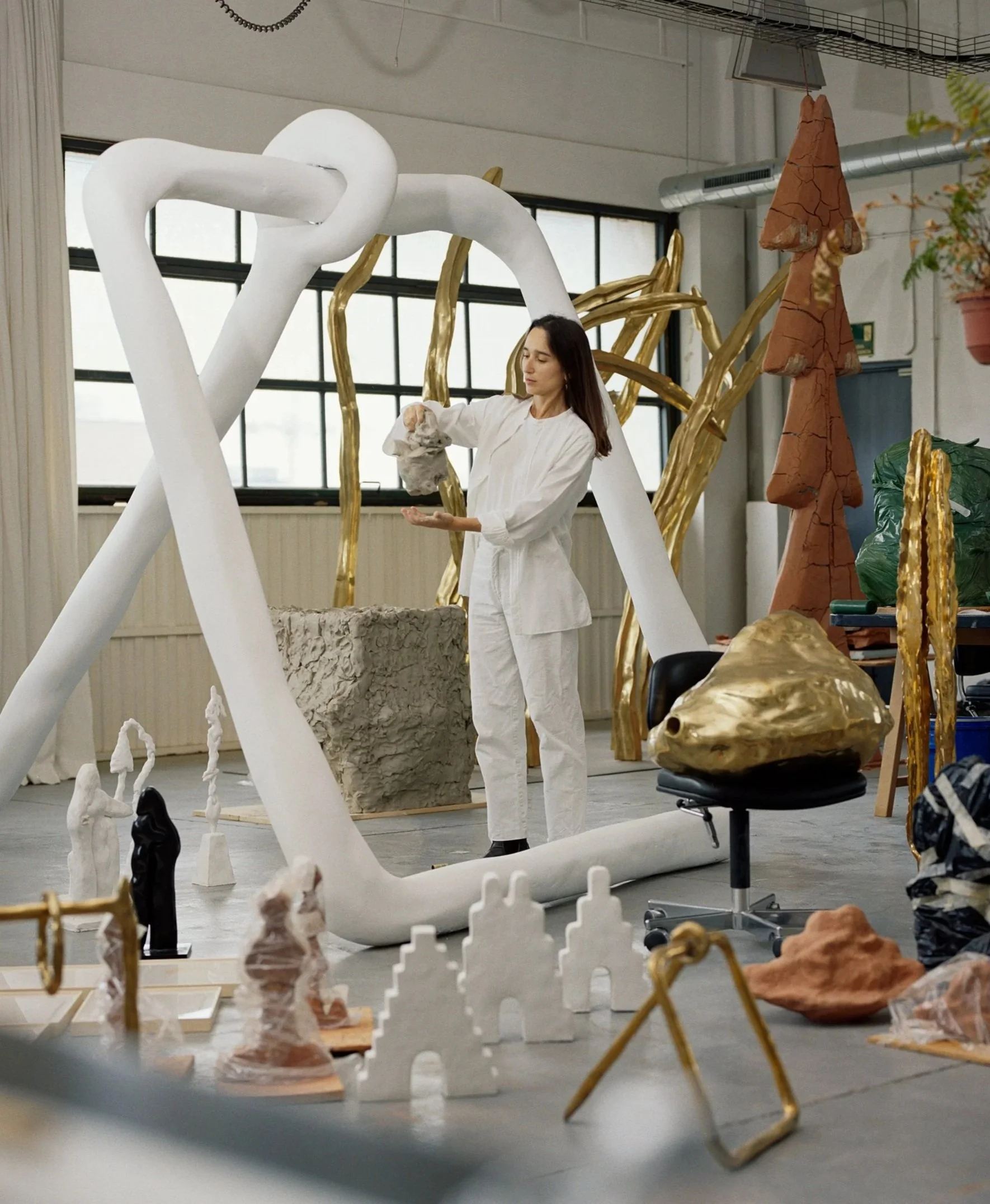
Luna Paiva sees the world in objects. The Franco-Argentine artist, based in Barcelona, works across sculpture, photography, and mixed media, transforming rocks, plants, and garden chairs into bronze, ceramic, and mixed-media works that give ordinary forms lasting presence. Her meticulous process—from clay or plaster to wax and bronze—produces pieces that are both precise and enduring. Rooted in her European and Latin American heritage, Paiva explores memory, ritual, and the objects we choose to preserve. Across exhibitions in Europe, Latin America, and the United States, her work consistently transforms the mundane into something monumental.
THE 99 YEAR OLD CAFÉ THAT PERFECTED ACOUSTICS
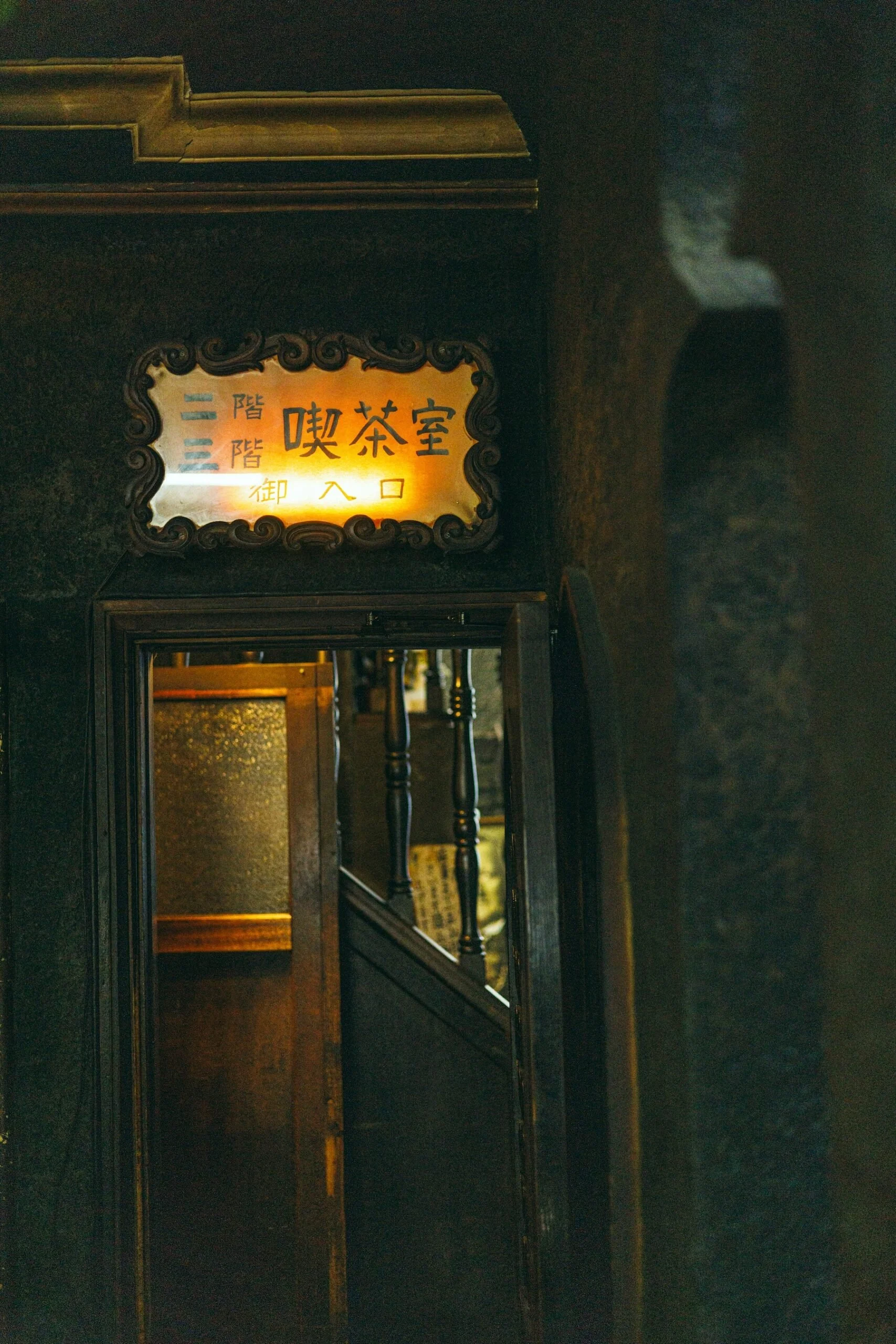
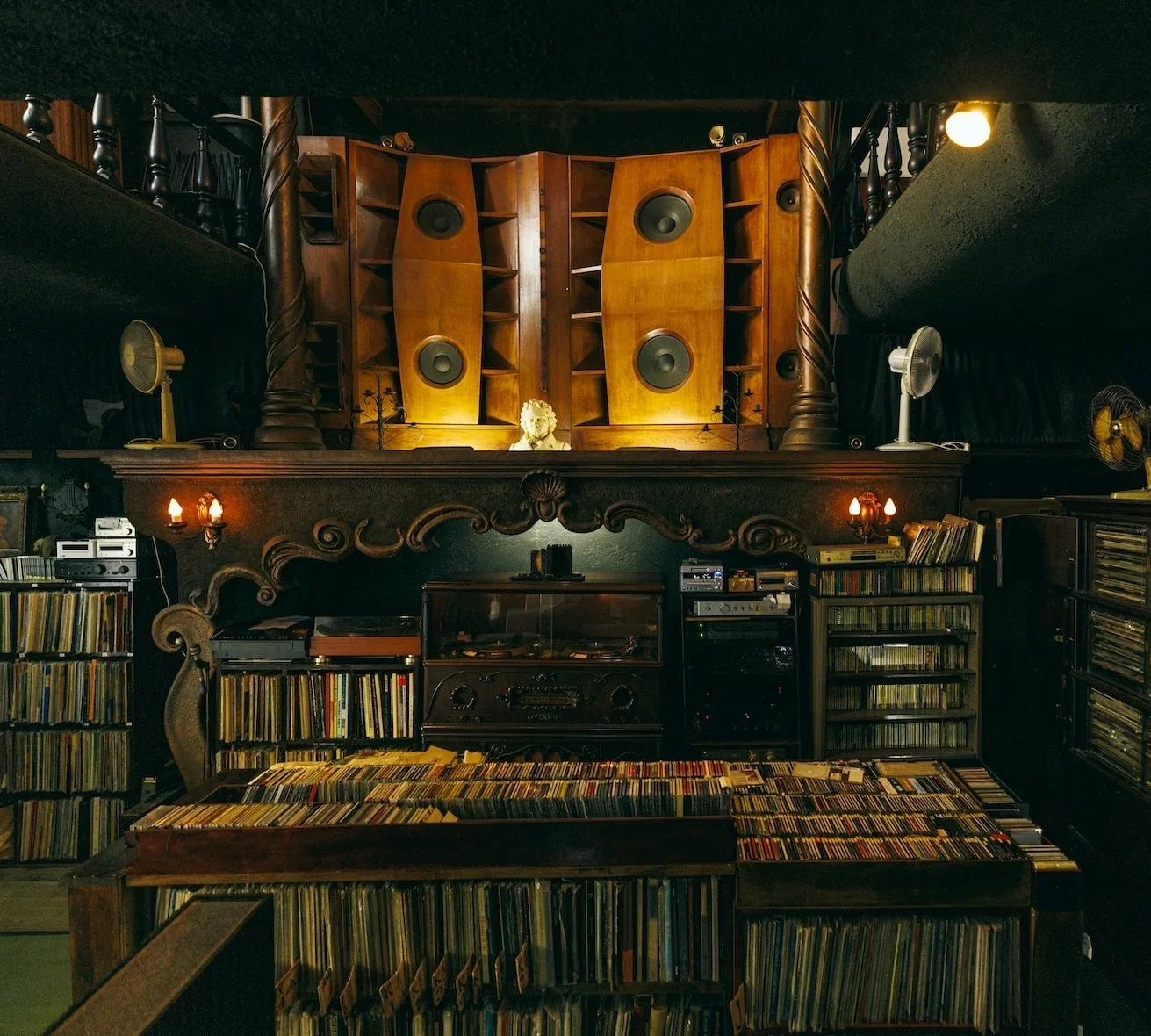
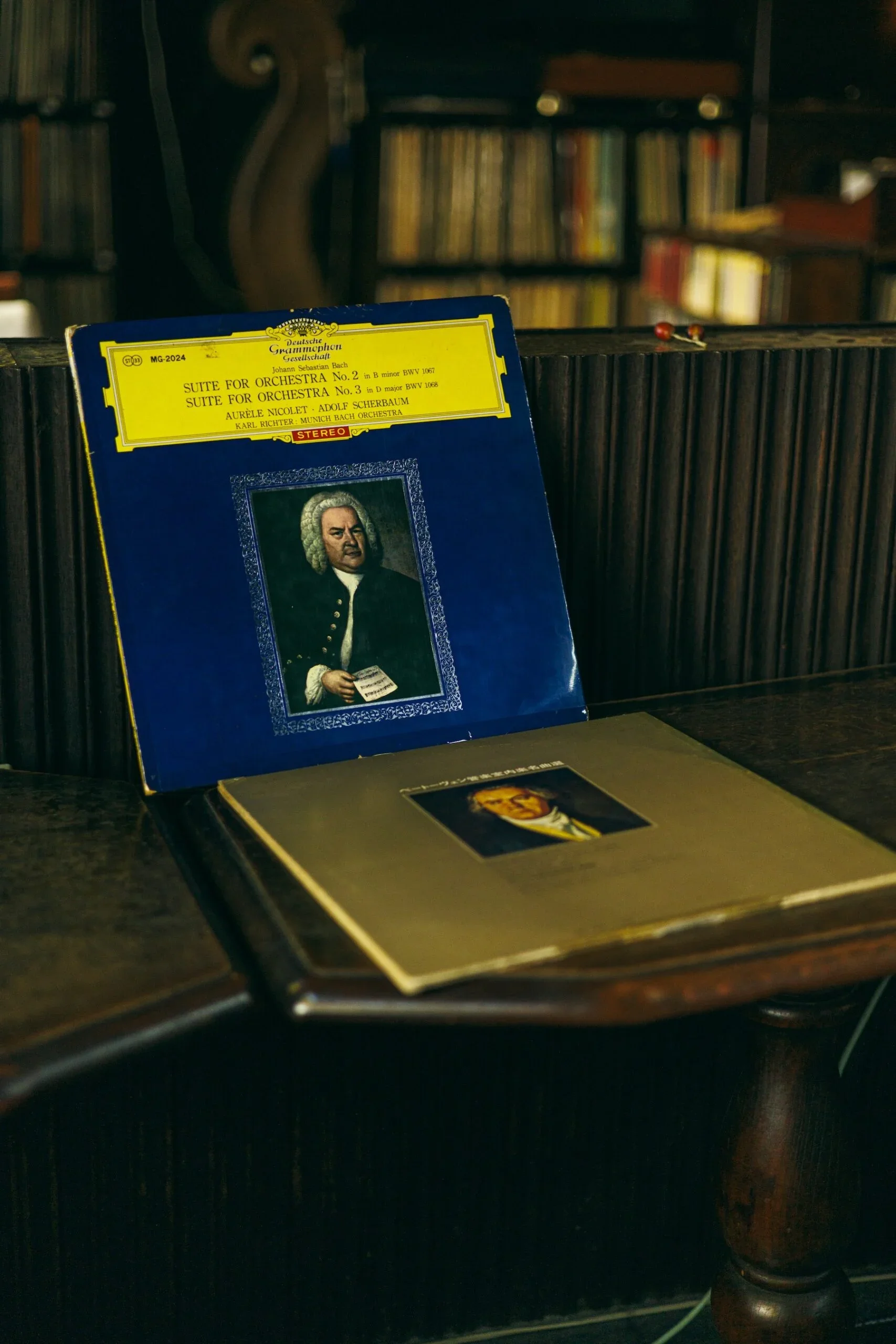
Meikyoku Kissa Lion, founded in 1926, is Tokyo’s oldest and most revered “masterpiece café,” or meikyoku kissa. Tucked into Shibuya’s Maruyama-cho, the two-storey space functions as a miniature concert hall: 3-meter-high custom wooden speakers, a collection of over 5,000 records from Beethoven to Rachmaninov, and a strict no-talking policy ensure the music is heard in full. The interior has changed little in nearly a century—burgundy velour seats, a baroque-inspired balcony, and antique chandeliers preserve its period charm. The café’s short menu of coffee, tea, and lemonade has remained equally consistent, setting the stage for serious listening.
“With custom-made, 3-metre high wooden speakers and a no TALKING policy, this 93-year-old Tokyoite establishment is a neo-Baroque audiophile listening theatre. People sit facing a 1950s music device, where a lady plays a vinyl record and leaves. You sit there, all facing this music shrine. You are not allowed to talk. You choose your tea using signs, and you just listen, wondering why you are in a bar where you can't speak to your friend—but slowly understanding the importance of the experience. Again, a temple, with all the rules of one, where the deity is music.”
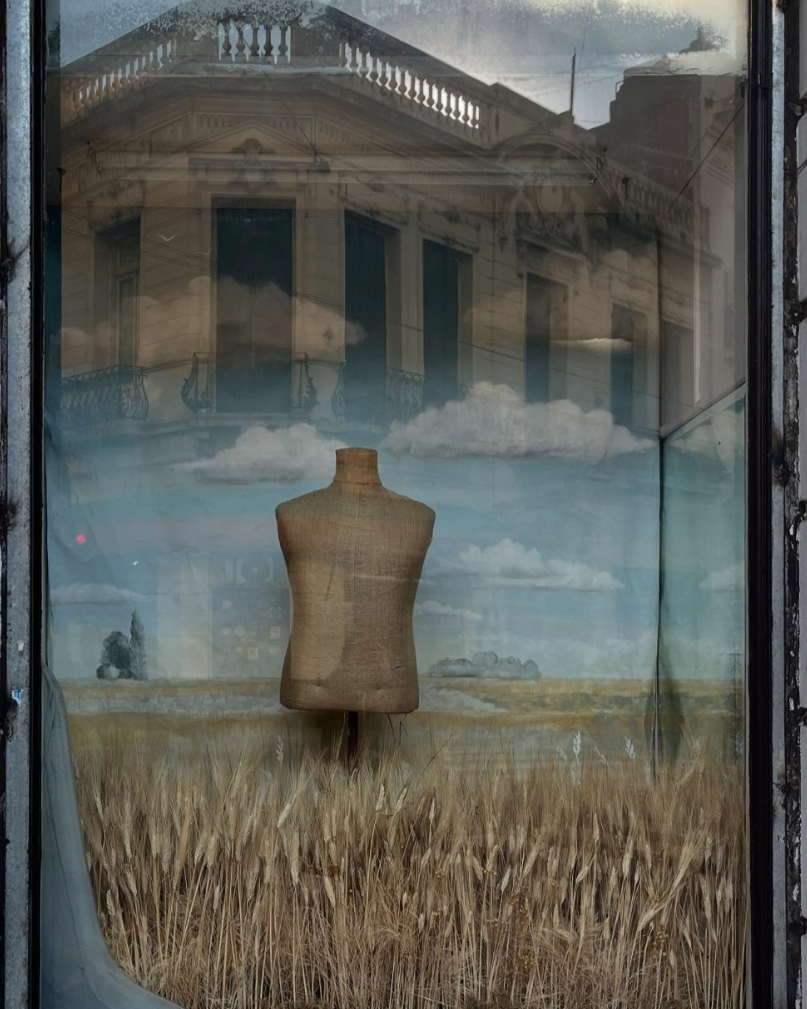
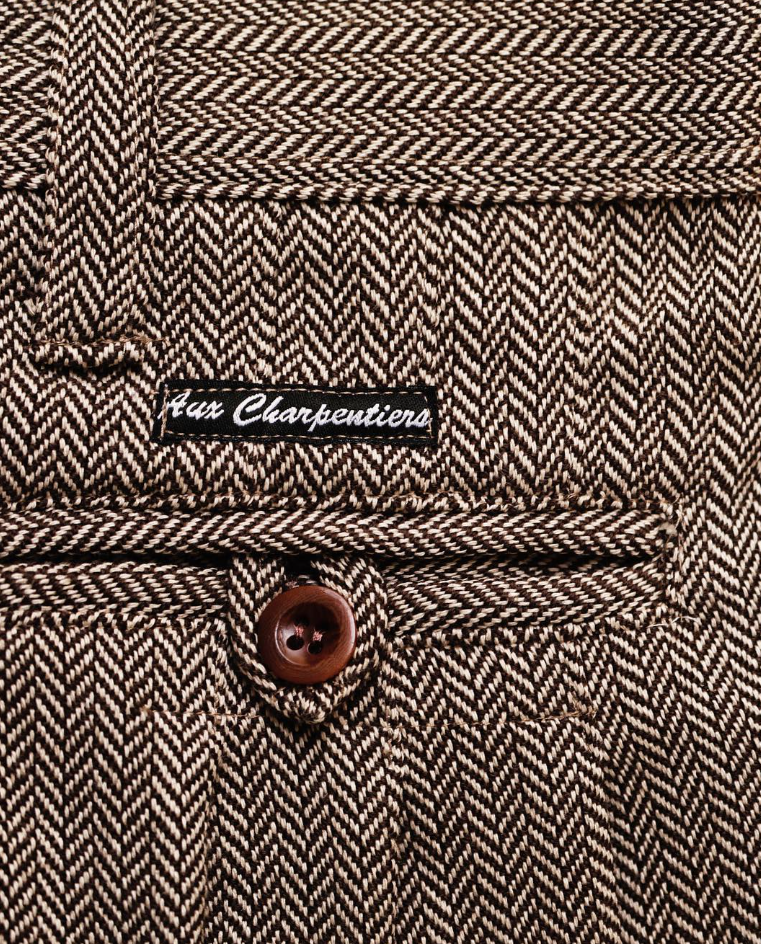
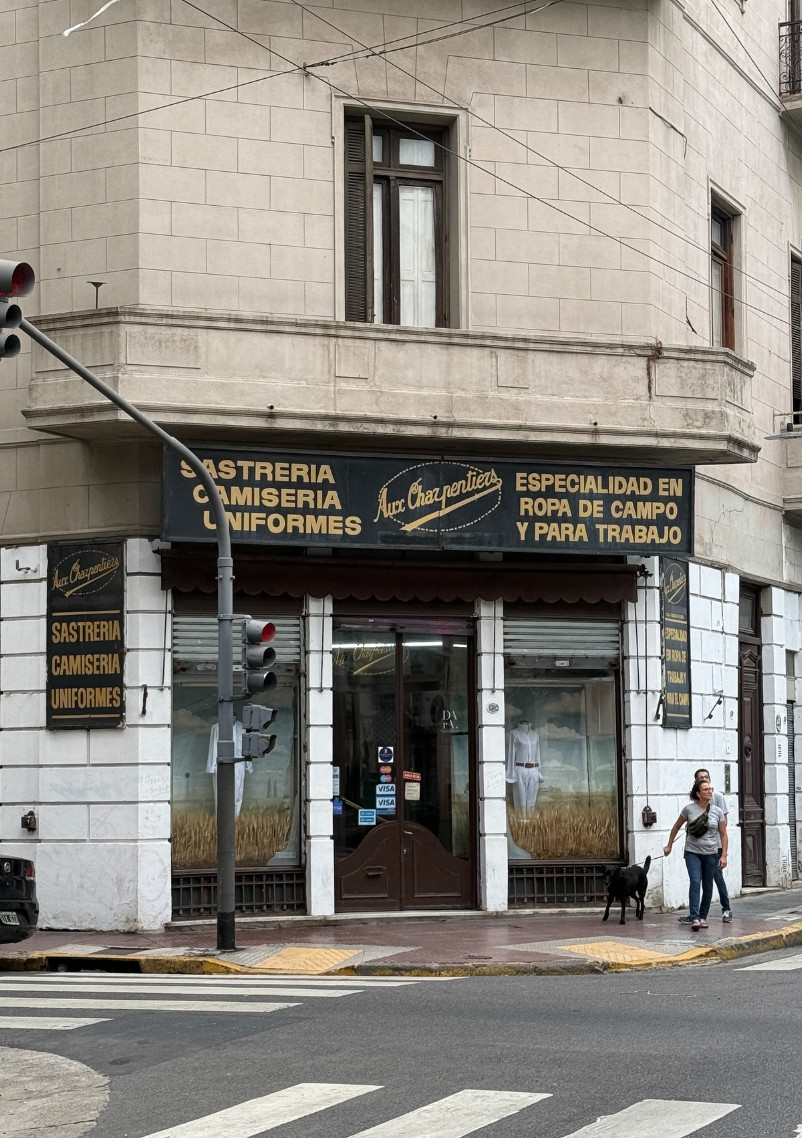
“Every Christmas, the whole family reunites in Buenos Aires, and every 24th, before midday, we all meet at Aux Charpentiers—a store founded in 1888 that supplies TRADITIONAL Argentine riding and work clothes. People from all over Argentina come to this wooden, timeworn shop, still run by the same family after more than two centuries, for special gaucho celebrations. Year after year, at the last minute, we rush to Aux Charpentiers, hiding from each other to buy bombachas de campo as Christmas gifts—the traditional gaucho pants, wide enough for riding horses and made not to get caught on thistles. More than once, we ended up opening identical presents.”
IN BUENOS AIRES, 139 YEARS OF TAILORING
Aux Charpentiers has been making traditional gaucho clothing since 1888 and hasn't changed much in 139 years. The store was founded by three Frenchmen who acquired 100,000 trousers from the Turkish army and re-tailored them for gauchos, then prospered. Now it's run by the Robiglio family—Carmen and her son Ignacio, who took over in 2018. They make bombachas in gabardine, linen, wool, and cashmere using the original patterns from 1888. Each garment is cut in the shop and sent to trusted workshops for production. The dark oak shelves reach the ceiling, the glass counters display perfectly ordered stock, and the polished tile floor is mostly original. They make the same shirts they made 80 years ago because sometimes excellence is found in staying the same.
THE ARTISTS ARE BACK AT CASA BONET
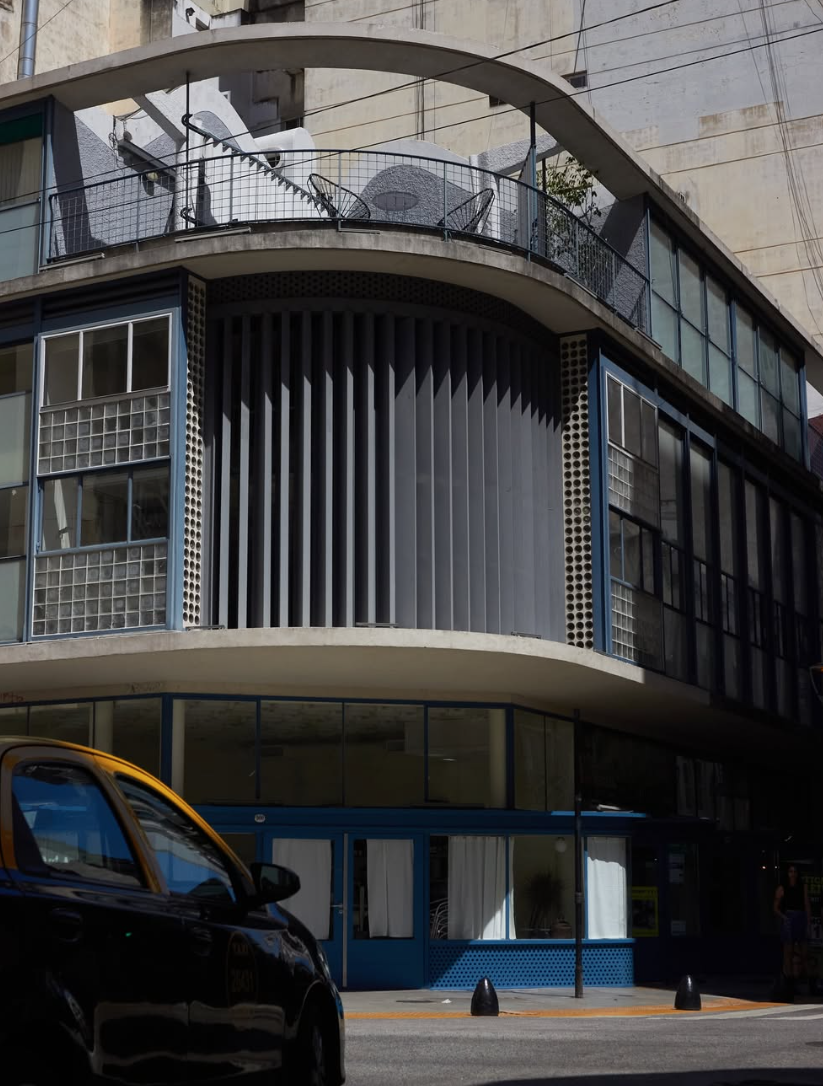
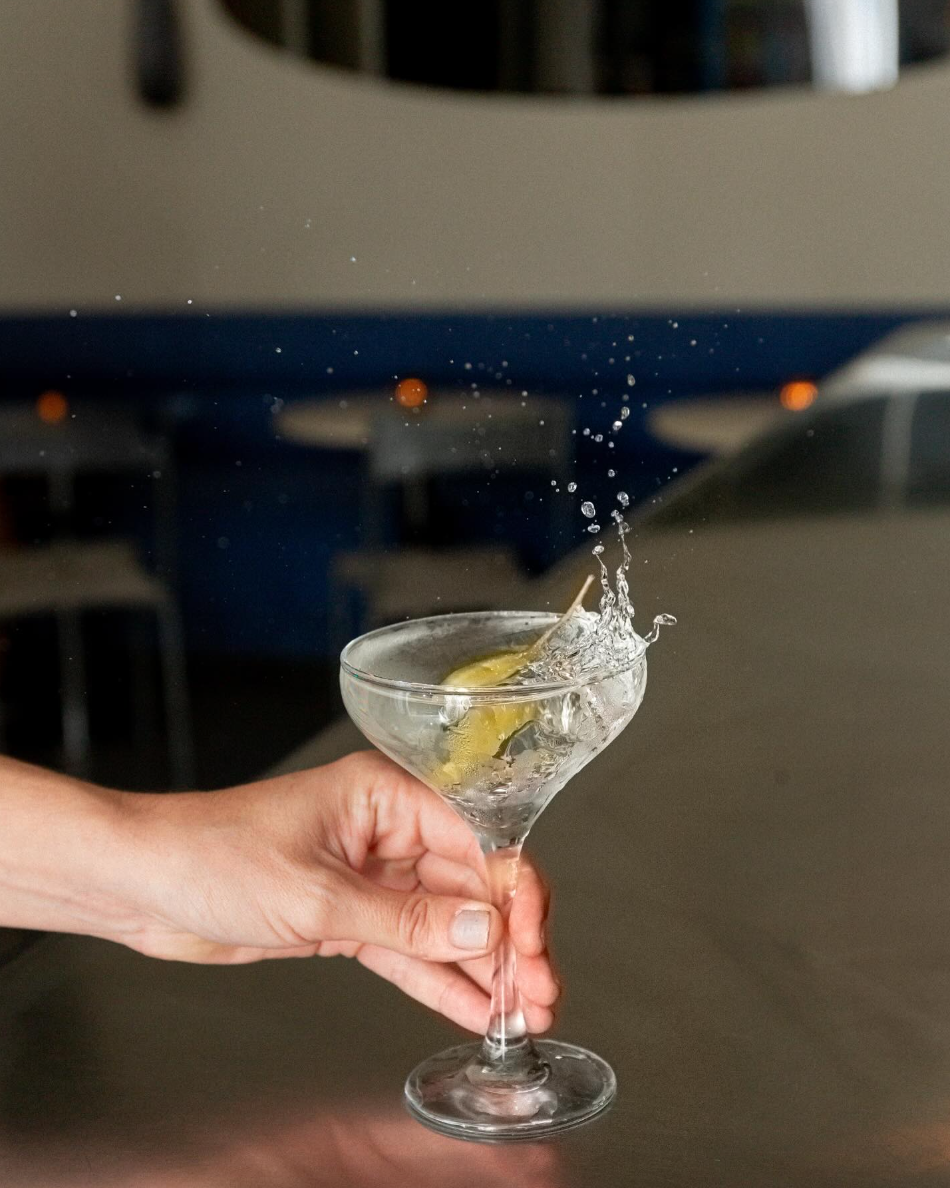
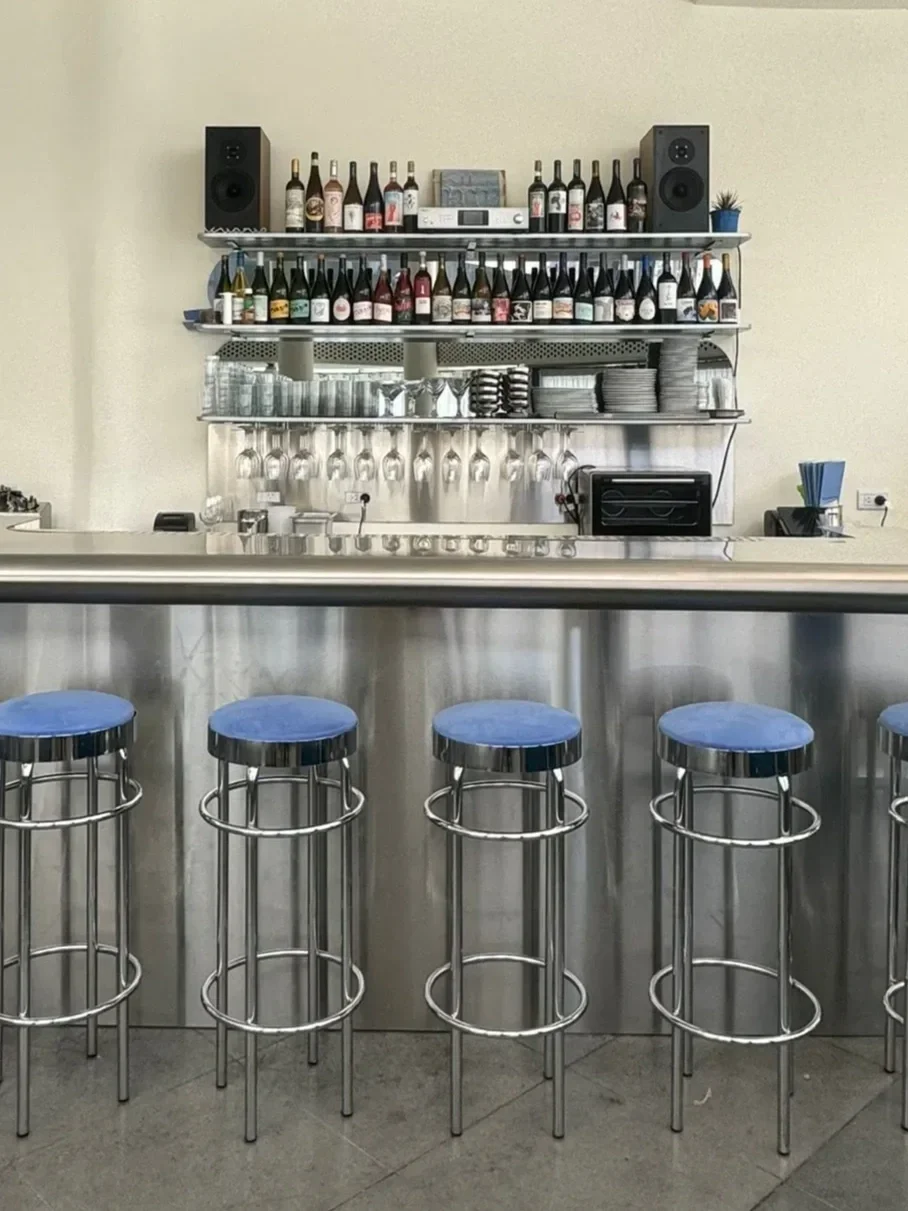
Casa Bonet, Antonio Bonet's 1930s modernist building, was the first legitimate attempt at Le Corbusier-style architecture in Buenos Aires. The building was originally a house of studies for artists, designed by a member of the Austral Group—the only recognized CIAM delegation in Argentina at the time. Now it houses Acuario, a wine bar on the building’s ground floor. Positioning itself as a meeting place for artists in the Microcentro, Acuario is essentially reclaiming what the building was meant to be. They serve natural wines from small producers and both classic and invented cocktails, plus hors d'oeuvres at a well-designed stainless steel bar.
“In the Microcentro of Buenos Aires, the city's financial district, there's a building designed by Catalan architect Bonet. On the ground floor was a haberdashery, but the building was almost hidden by the signs and advertisements of the area. Mateo García de Onrubia, a pianist, architecture lover, and landmark seeker, knew he would one day live there. When the haberdashery closed, he rented the space and RESTORED it to perfection with his two sisters and together they started Acuario Bar. Today, it’s the finest cocktail bar I've ever been to. It blends history, great music, and culture through the revival of this landmark gem.”
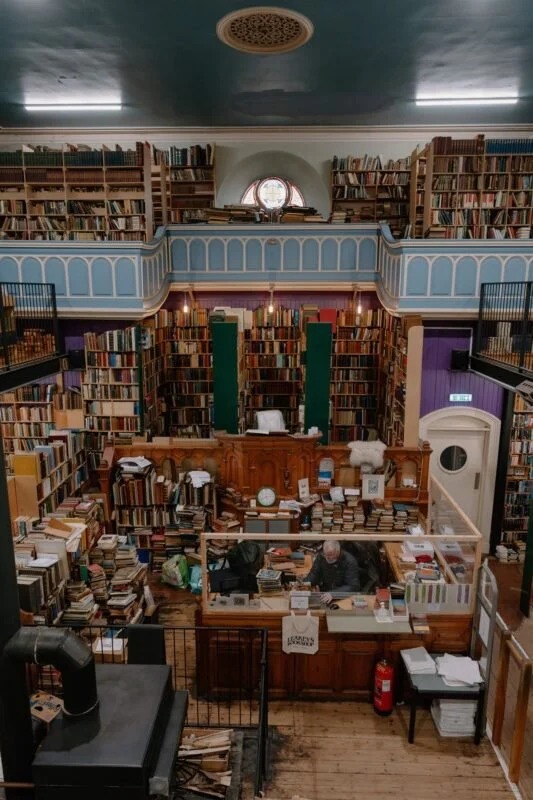
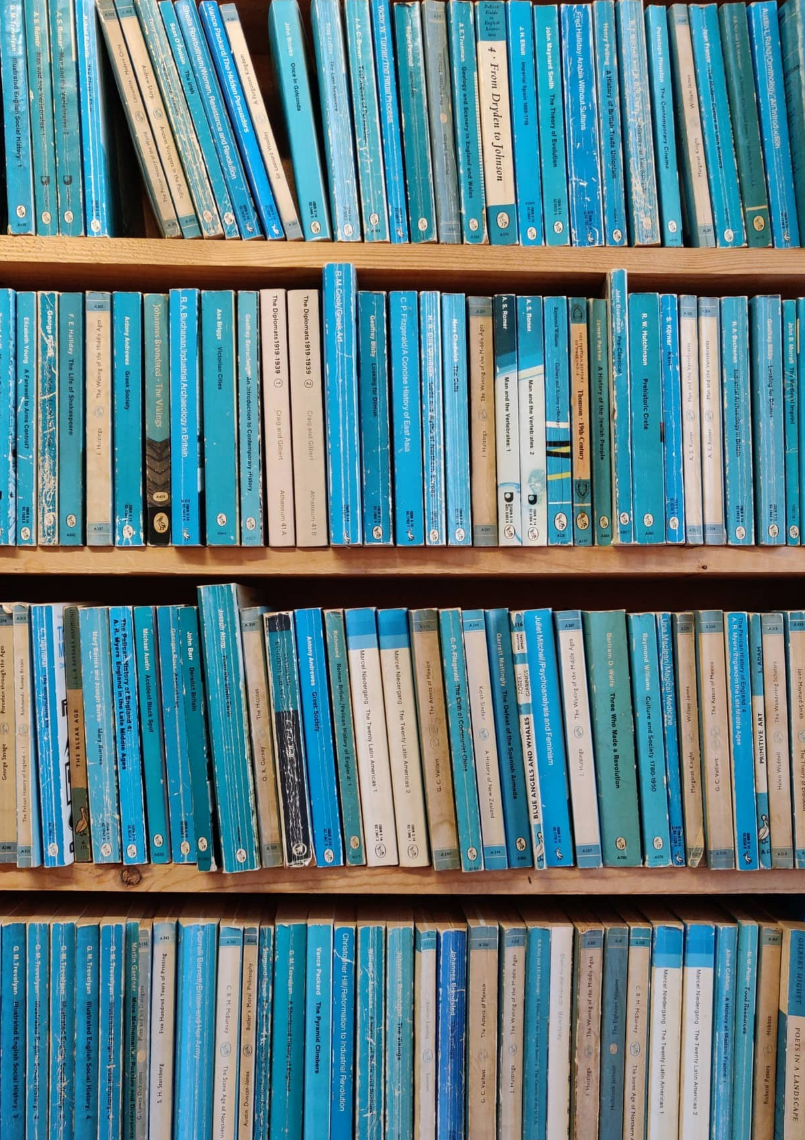
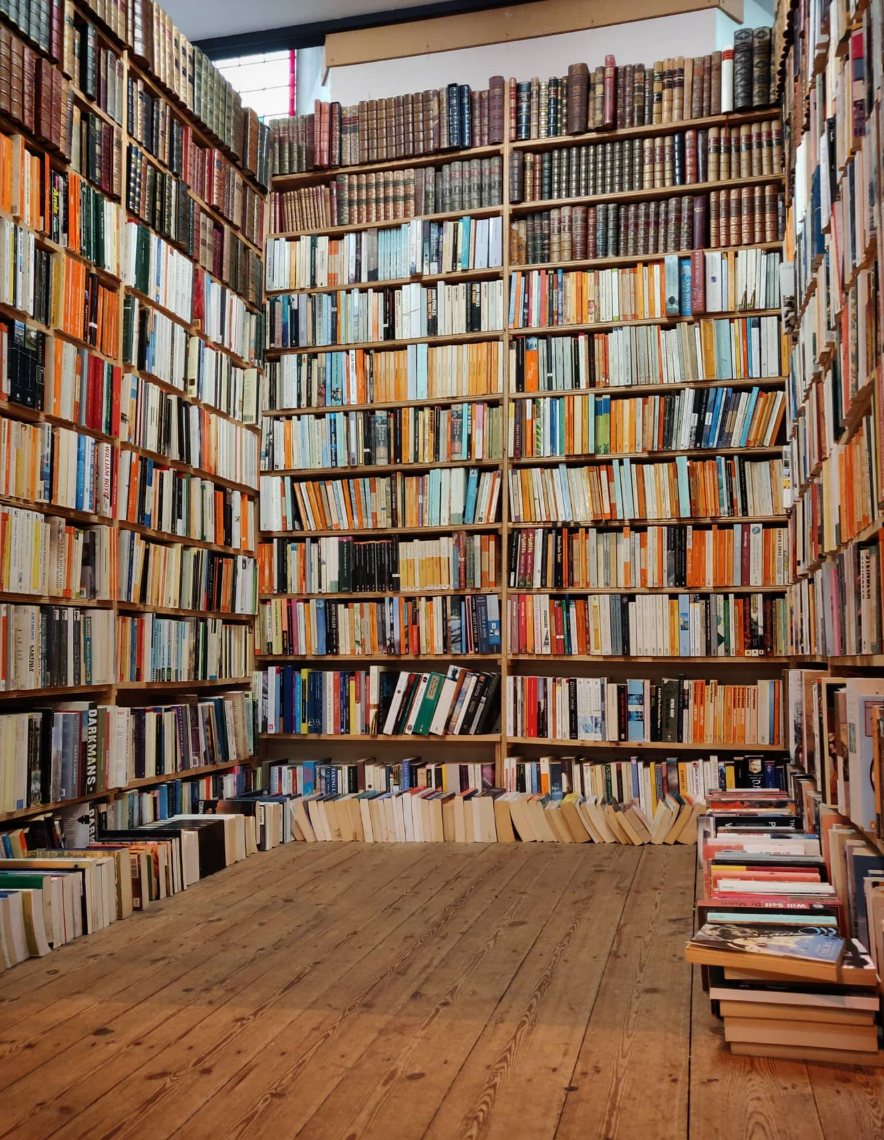
“Expecting nothing, I found a TEMPLE. I was in Scotland during winter, it was raining. I grabbed a coffee in Inverness, and on the other side of the street, I saw a sign: Books Bought, Most Subjects Wanted. I crossed the street and suddenly entered a bookshop in a former church—a temple of knowledge replacing religion. In the middle of books, piled and filed, with engravings of all sorts, there was a huge fire burning in an open chimney at the centre of the church. There were all kinds of forgotten books, all second-hand: ceramics, photography, archaeology, fiction, history, literature. I got an old South American engraving and ceramic book. I was excited, my heart was beating fast from the discovery. I found the meaning of authenticity and a true belief in knowledge. In Leakey's I trust.”
A BOOKSHOP FOR SERIOUS READERS AND AVID COLLECTORS
There's a wood-burning fire in the middle of Leakey's Bookshop, which is either insane or perfect depending on how you feel about open flames near 100,000 books. The shop occupies a former Gaelic church built in 1793 in Inverness, and the high ceilings, stained glass windows, and spiral staircase turn out to be ideal for a second-hand bookshop. It's Scotland's largest, and the owner has been buying books throughout the Highlands since 1979, which means the selection includes rare antiquarian volumes and out-of-print titles you won't find anywhere else. The real appeal is that you don't know what you're going to find—could be a Salvador Dali exhibition catalogue from 1964 or a first edition of Anaïs Nin's journals.
WHERE CHEFS GO TO EAT
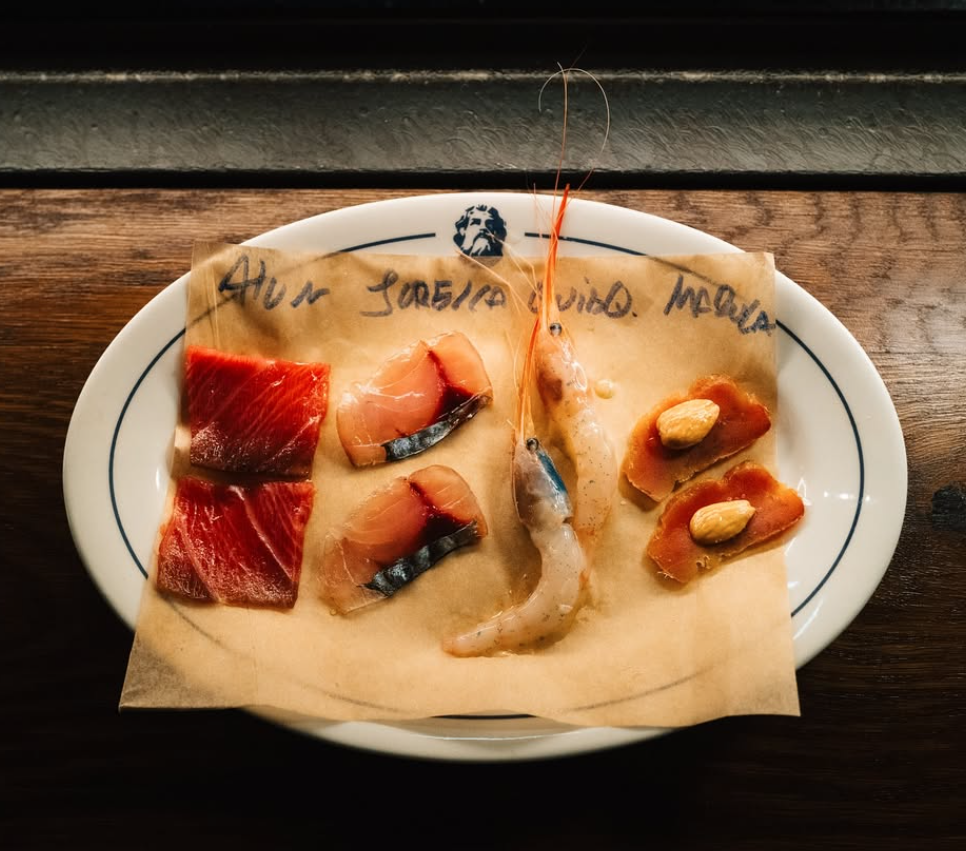
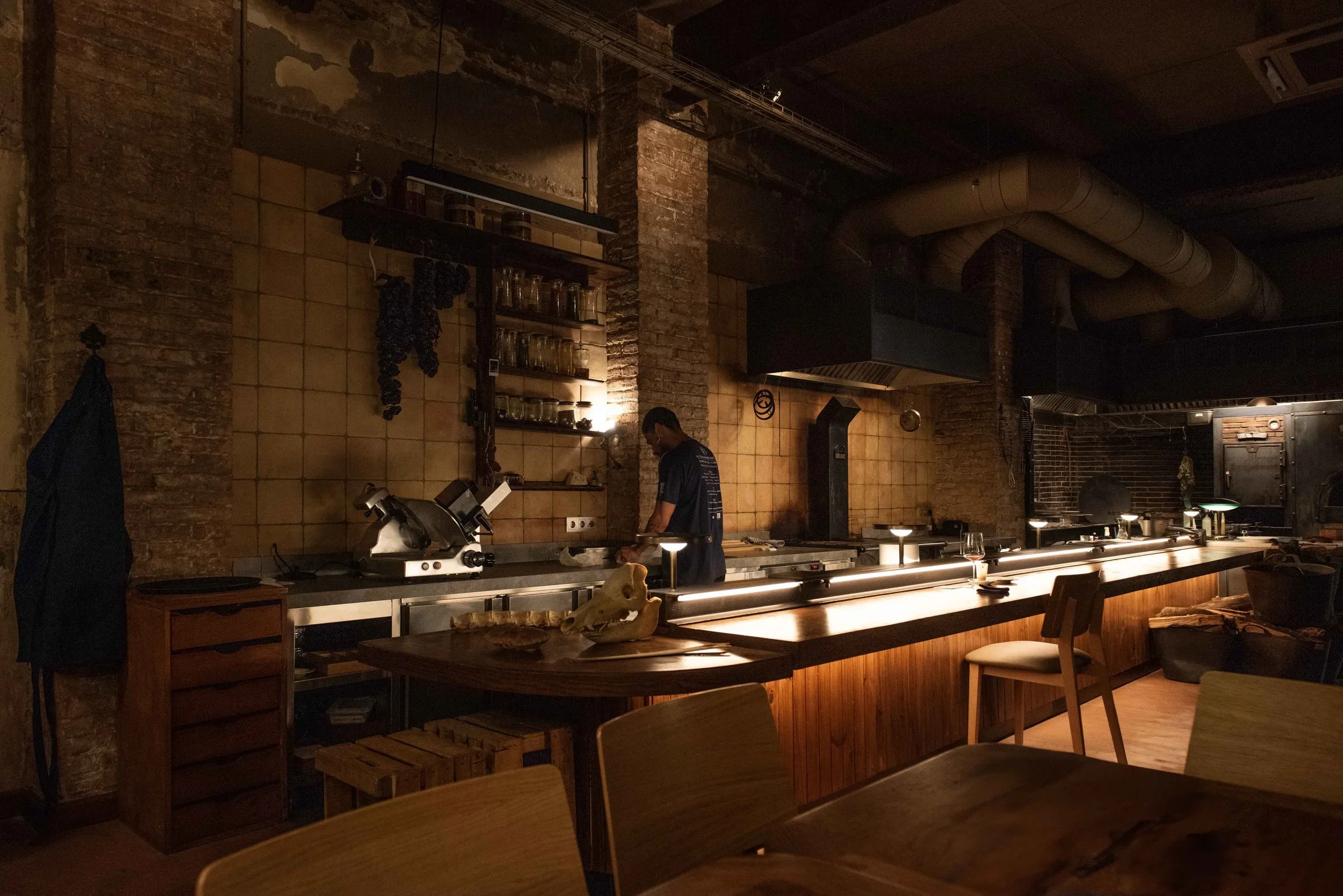
Ultramarinos Marín is what happens when someone who knows what they're doing takes over an old bar and doesn't ruin it. Chef Borja García opened it in 2020 after running the kitchen at Dos Pebrots, and the premise is simple: everything is made in-house—the chistorra, the cured meats, the terrines, even the garums (they've been making these for over a decade, with more than 100 variations). The front bar, inherited from the seventies, maintains its original atmosphere—loud, crowded, the kind of place where waiters shout and people actually talk to each other. The back room has a massive wood-fired oven where everything is cooked over holm oak or olive wood. You can order dishes by weight and in half or quarter portions. If you sit at the twelve-seat bar facing the grill, you'll watch Adrià Cartró work the fire.