Sigrid de l'Epine
Courtesy of Sigrid de l'Epine
HURS CURATORS
SIGRID DE L’EPINE
DEL'EP Founder Sigrid de l'Epine shares her favorite palazzo in Venice, dinner in Saint-Paul-de-Vence and Ryokan in Japan
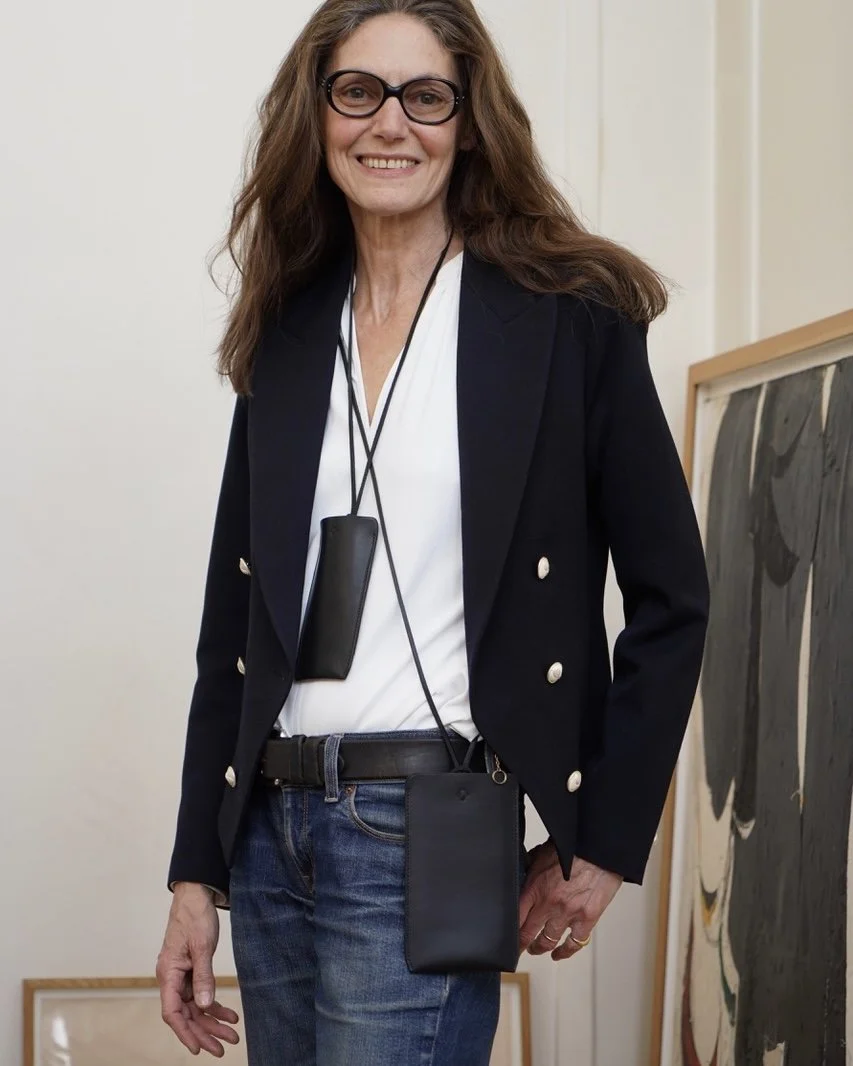
For twenty years, Sigrid de l'Epine decided how French fashion spoke. A model first, she walked Martin Margiela's fabled show for Hermès, then crossed to the other side of the runway and became one of Paris's most trusted communicators: a decade running press for Balenciaga through the Ghesquière years, then directing PR for Chanel Haute Couture, where discretion is a couture discipline of its own. In 2020 she stopped speaking for other houses and founded her own. DEL'EP makes leather cases for the things you lose daily, your glasses, phone and keys, cut from vegetable-tanned leather by French artisans and designed to be worn like jewellery rather than buried in a bag. Charlotte Gainsbourg and Ines de la Fressange are converts. Her recommendations carry the same authority.
THE BRAND THAT PERFECTED THE ART OF LESS
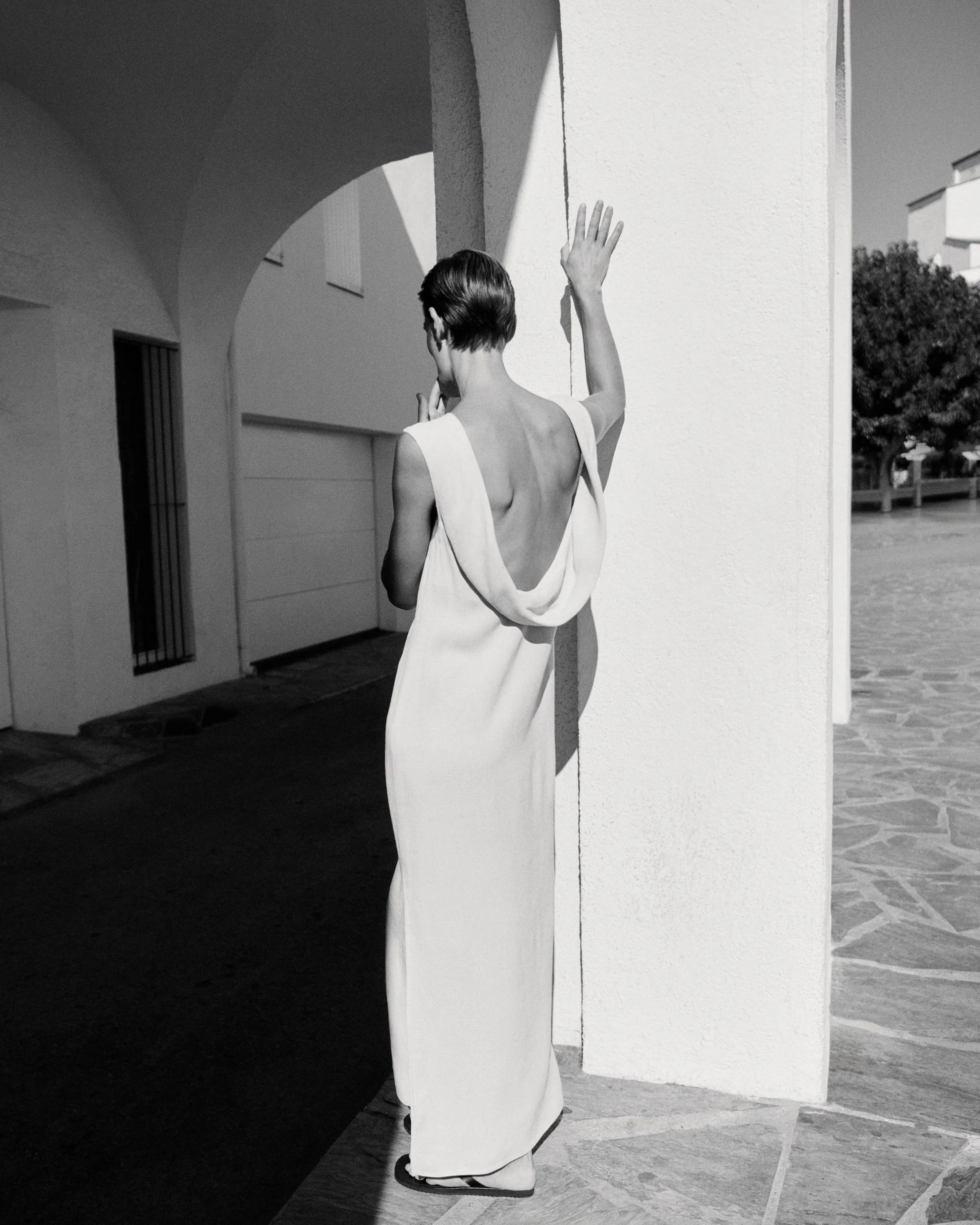
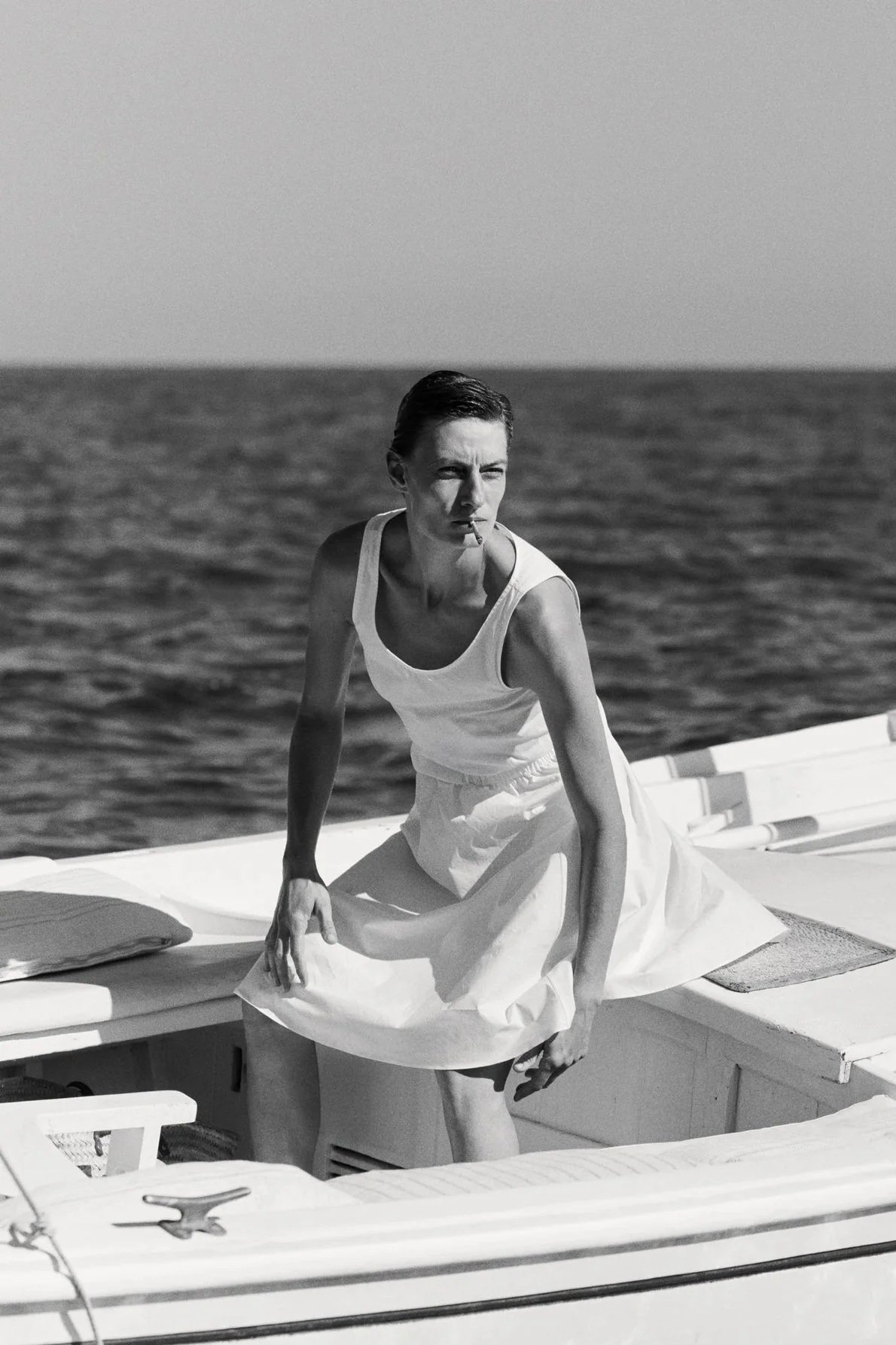
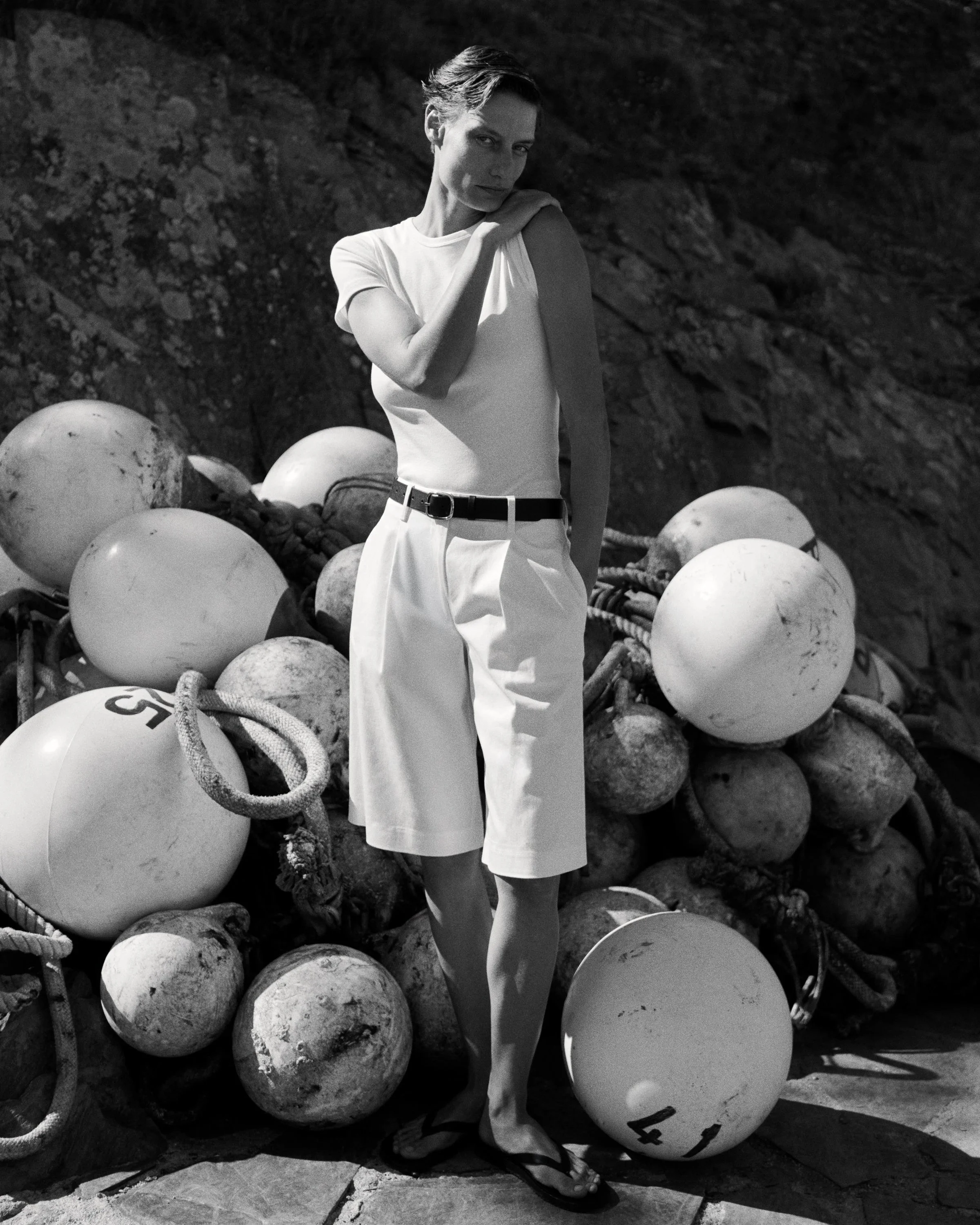
Founded by sisters Ilona Hamer and Peta Heinsen, Matteau concerns itself with the essentials done properly: the bathing suit you actually look forward to wearing, the cotton pant that goes with everything, the tank that becomes second skin. Each piece is made in close partnership with Australian manufacturers and fitted on friends and family, on the sensible theory that clothes should flatter women rather than mannequins. The silhouette is unmistakable, all clean lines and effortless dressing, designed to outlast trends, seasons and, ideally, its owner's other purchases. Ten years in, Matteau has earned its place in the suitcases of people who buy things once.
“I love this Australian brand and its designers, Ilona Hamer and Peta Heinsen, for their clothes, but also for their VALUES when it comes to the choice of their materials and their responsible production methods. I love their image, their way of communicating — at once strong and understated (betting on the long run) — their simplicity, their refinement, right down to their way of enjoying life. Matteau offers chic, timeless pieces that appeal to those in search of a discreet, functional and lasting luxury. I love as well the feeling you have, soft and joyful, when you wear their clothes. I was delighted to be able to celebrate their 10th anniversary with them, on a wonderful trip to the Côte d'Azur.”
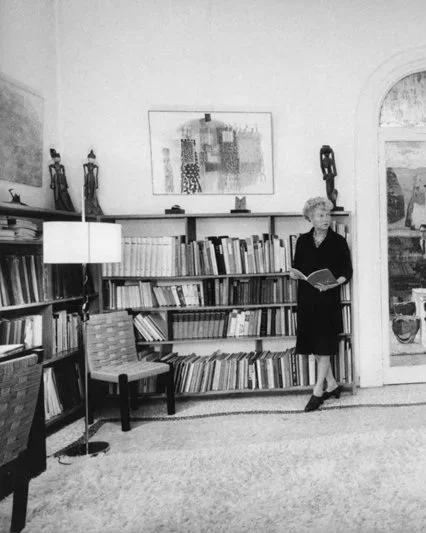
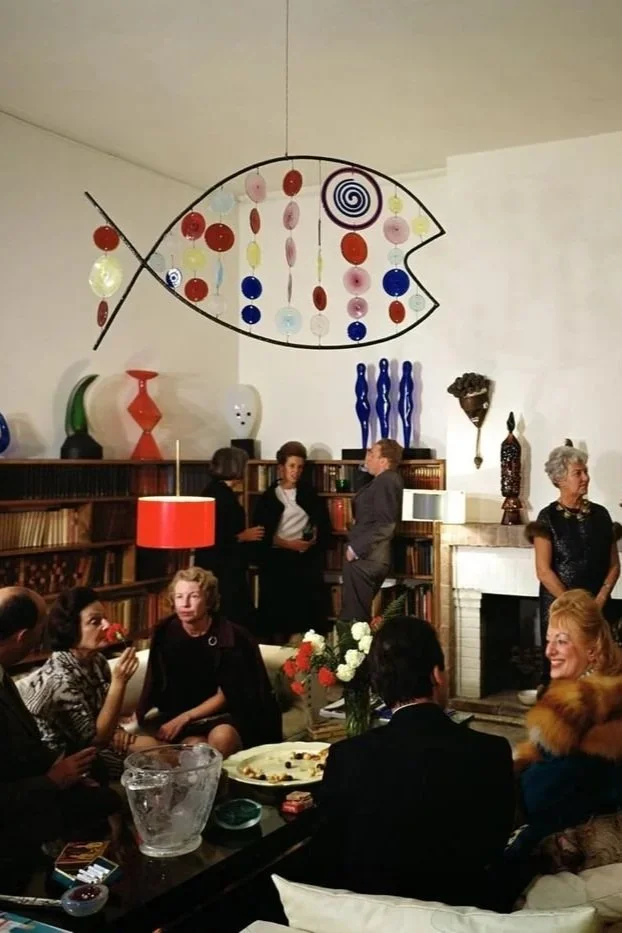
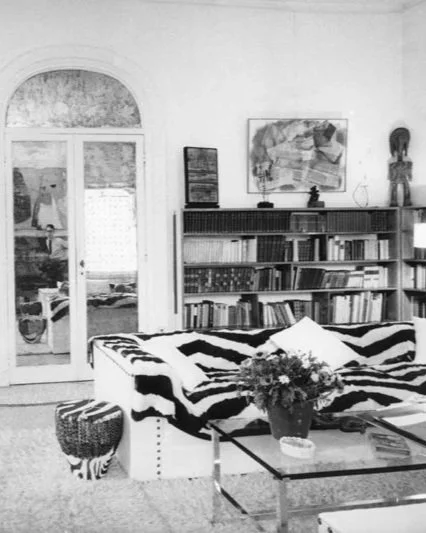
“Along with the cemetery island, this is without doubt one of my favourite places in Venice. This Palazzo, set upon the canal, houses one of the most BEAUTIFUL collections there is — that of Peggy Guggenheim, whose life was made of passions, of tragedies and of a great deal of art. It's utterly wonderful to find yourself, at the very end of the afternoon, on the terrace of her Palazzo overlooking the Grand Canal, recalling the lavish evenings of the days when she lived there — it's one of the most refined places there is.”
PEGGY GUGGENHEIM’S LAST GREAT ACQUISITION
Palazzo Venier dei Leoni was meant to have five storeys; the Venier family managed one. Peggy Guggenheim, who had a talent for seeing potential where others saw problems, bought it in 1949, fresh from introducing Europe to Pollock and Rothko at the Venice Biennale, and lived there for thirty years. From 1951 she opened her home to the public three afternoons a week, free of charge, an arrangement Venice found so agreeable it made her an honorary citizen. Today the palazzo holds one of Italy's finest collections of twentieth-century art: Cubists, Surrealists and Abstract Expressionists, assembled by a woman who collected artists as devotedly as artworks, and who is buried in the garden beside her fourteen dogs. Visit at the end of the afternoon, when the terrace over the Grand Canal is at its most beautiful.
WHERE THE GIACOMETTIS WATCH YOU EAT
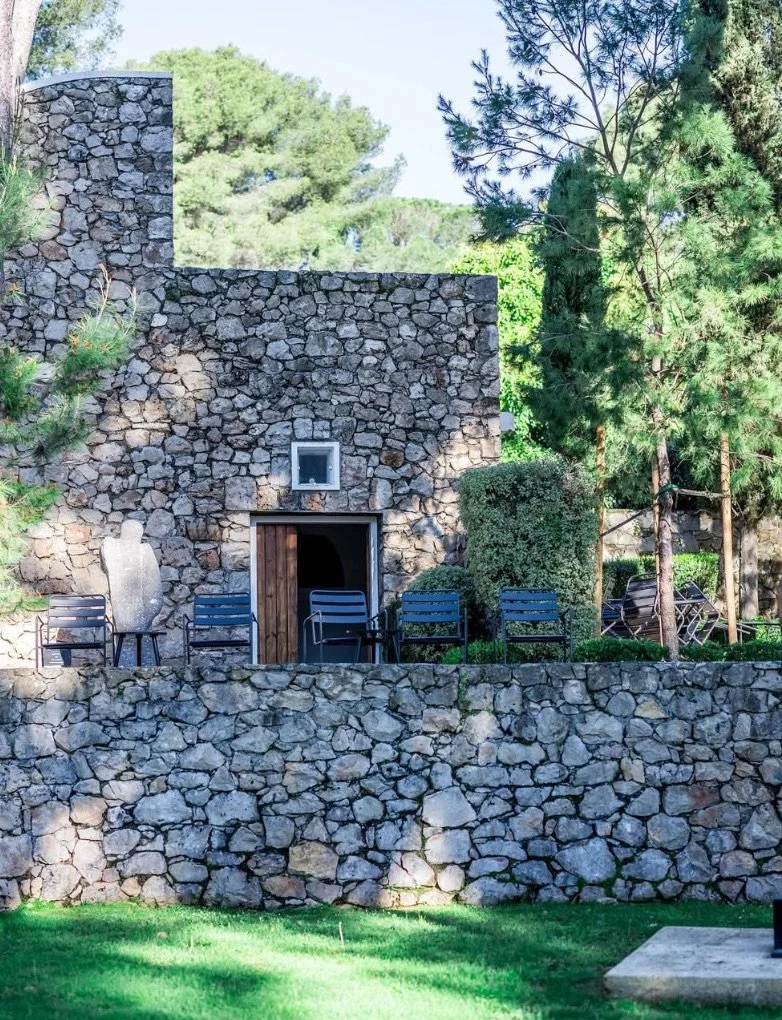
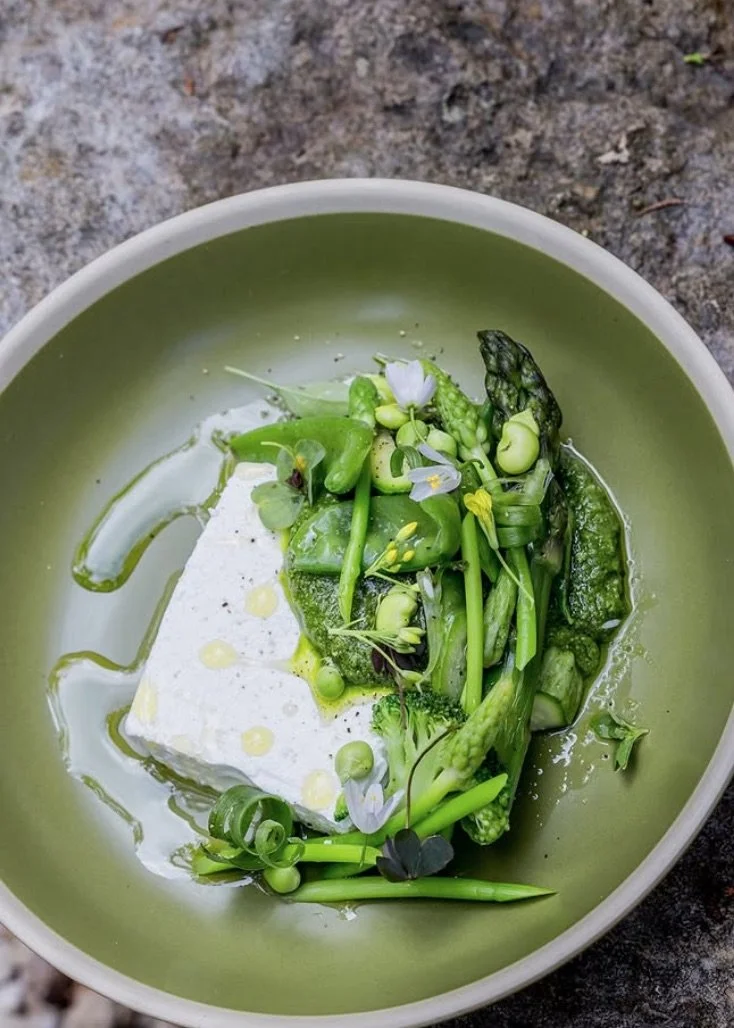
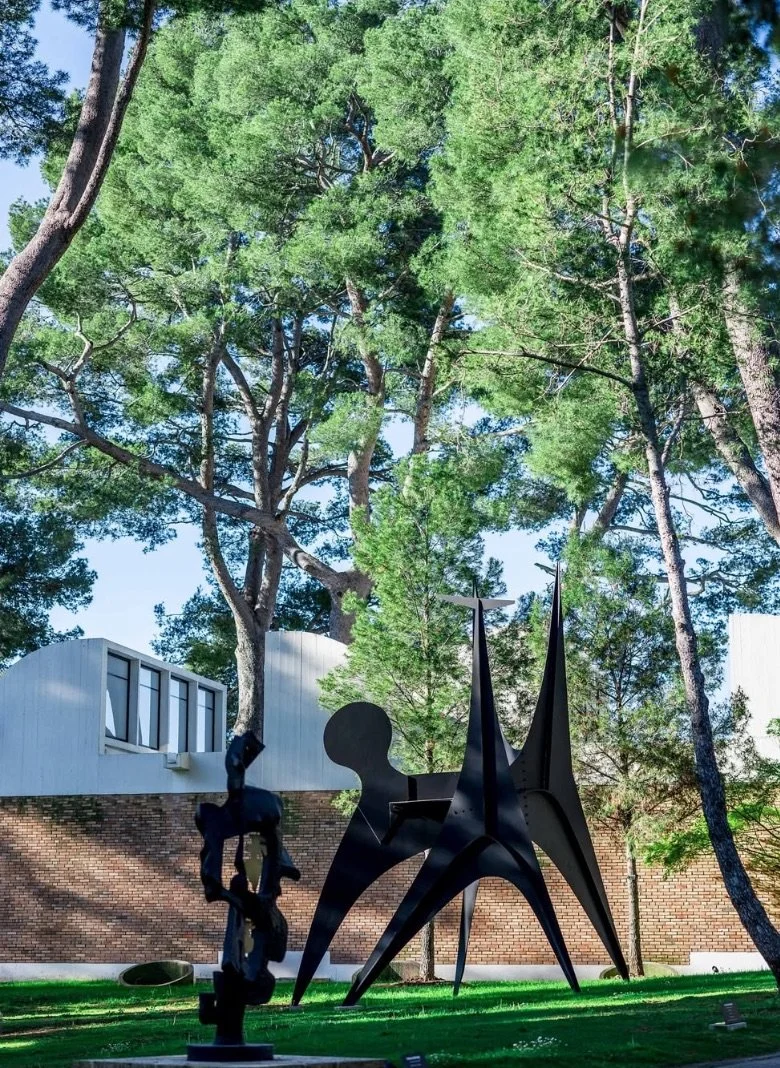
Very few restaurants can claim furniture by Diego Giacometti and a garden by Miró. Sous les Pins, the restaurant-café of the Fondation Maeght, can claim both. Run by the chefs of Les Agitateurs, the Michelin-starred restaurant in Nice, it serves a weekly lunch menu built with local farmers and producers, a simple, seasonal cuisine scented with the wild herbs of the Provençal hills. On summer Friday and Saturday evenings, dinner moves under the Aleppo pines, facing the sculpture gardens of the foundation Aimé Maeght built with architect Josep Lluís Sert and filled with a thousand works by Braque, Chagall and Calder. Few museums let you stay past closing. Fewer still feed you this well.
“Saint-Paul-de-Vence — dinner under the pines, facing the garden of the Fondation Maeght, with its sculptures and fountains by Miró, Calder, Pol Bury and Giacometti. A PRIVILEGE to be able to enter the gardens of the Fondation Maeght at sunset — for me, one of the most beautiful museums there is. As much for its collections as for its architecture, its view over the Mediterranean and its sculpture gardens, where I love to lose myself for hours.”
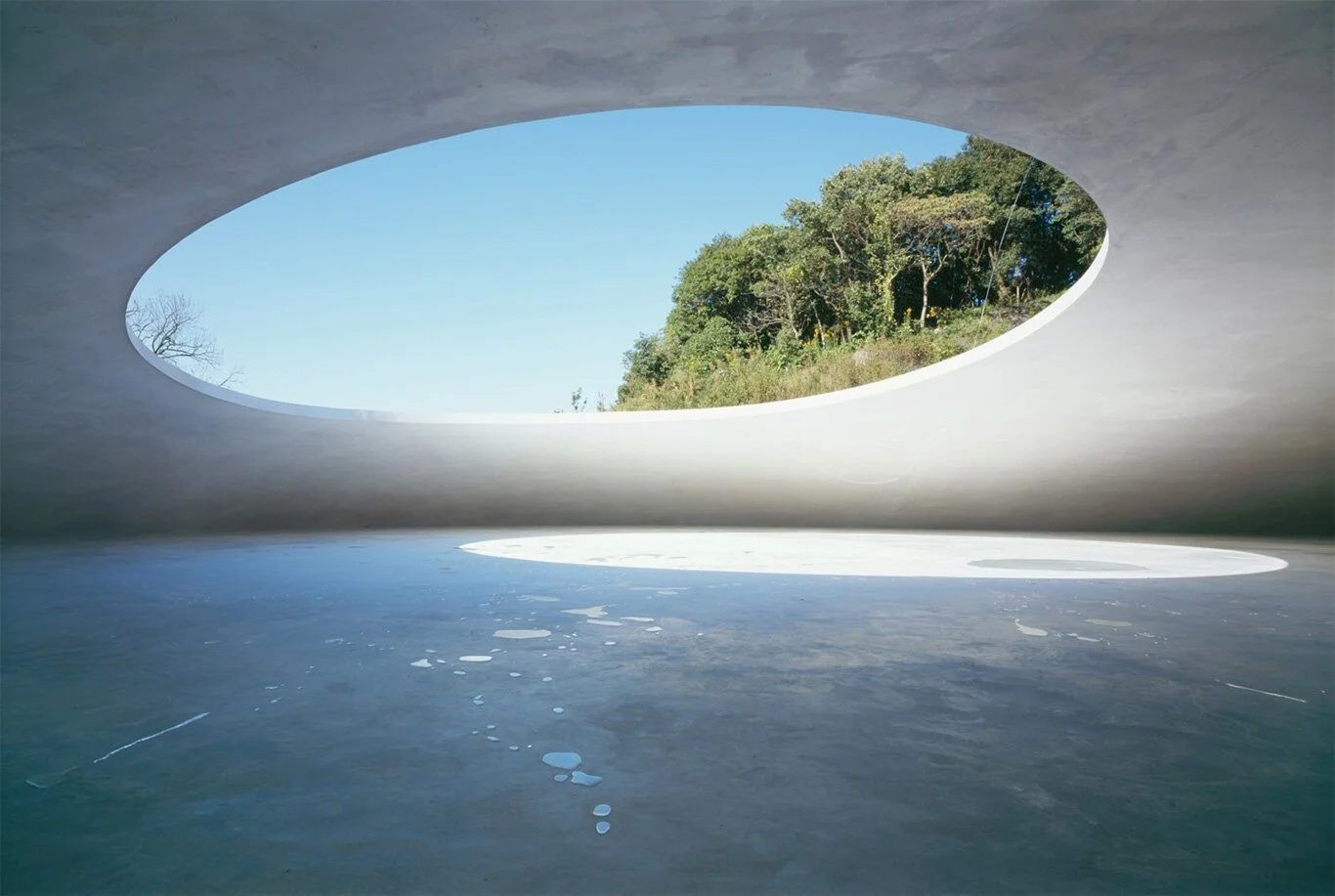
“The Teshima Art Museum, born of a collaboration between the artist Rei Naito and the architect Ryue Nishizawa, seems to have landed like a UFO at the top of the Karato hill, just above the sea. It’s a true inner JOURNEY, this immense concrete dome which you enter after removing your shoes, and where you sit in absolute calm. Through two great circular openings, like breaches towards the sky, the outside world drifts in: sunlight, birds, insects, and on the day of our visit, the rain — its few drops resting on the floor like pearls of mercury. It's a work to be lived and felt, a total communion with yourself and with those who accompany you. An extraordinary place. Absolute purity.”
THE MUSEUM THAT HOLDS ALMOST NOTHING
Getting there is a small pilgrimage: road, rail, ferry, then a slow bus over the hills of an island of barely a thousand residents, most of whom are farming well into their nineties. The reward is one of the most singular buildings in Japan, a white concrete shell 25 centimetres thick, shaped like a water droplet at the moment of impact, which architect Ryue Nishizawa designed without a single wall or pillar to hold it up. Inside, artist Rei Naito's installation does almost nothing, exquisitely. Beads of water rise from pinholes in the floor, merge, race about and vanish. Two oval openings in the roof admit the light, the wind, the rain and the occasional bird, all of which become part of the work. You remove your shoes, you sit, and the museum happens around you.
THE INN THAT HAS HOSTED EMPERORS AND ACTORS SINCE 1854
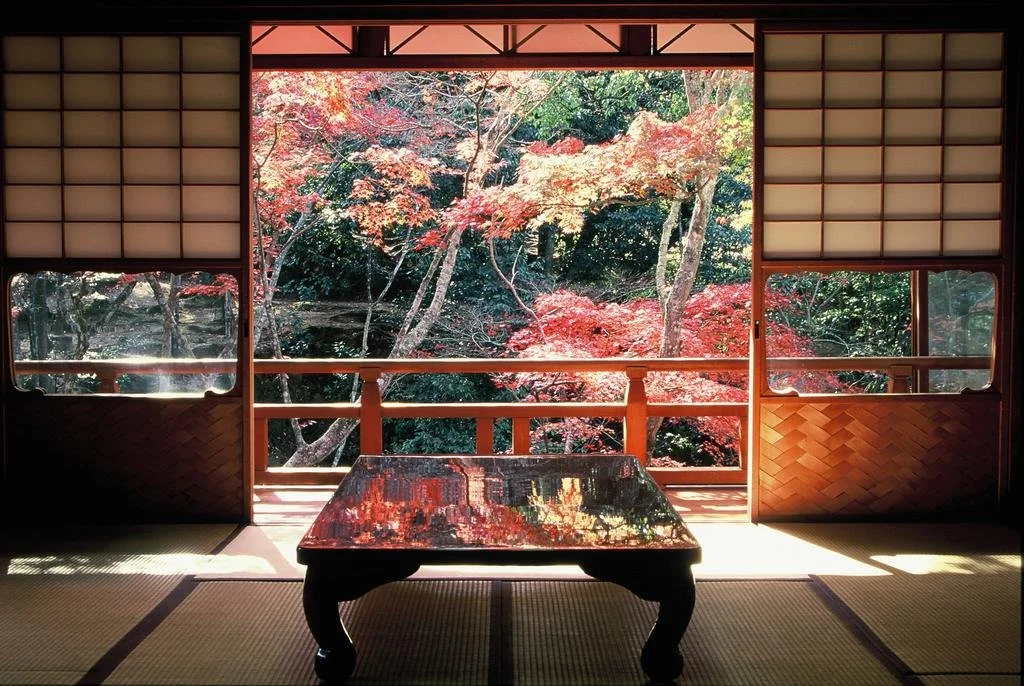
A few minutes' walk from the floating torii of Itsukushima Shrine, Iwaso has been receiving guests since 1854, among them Emperor Hirohito, several G7 delegations and, rumour insists, Audrey Hepburn. The ryokan sits beside a stream at the entrance of Momijidani Park, under a thicket of a thousand Japanese maples that burn red each autumn. Its 38 rooms are entirely traditional: tatami floors, sliding shoji doors, futons laid out at nightfall, the most coveted being the four hanare, individual wooden cottages built between 1924 and 1951. Days are spent soaking in the hot spring baths or walking the trails of Mount Misen; evenings begin with a kaiseki dinner of local ingredients, Hiroshima oysters included, that holds a Michelin star. The house even invented the Momiji Manju, the maple-leaf pastry that became Miyajima's signature.