TIFFANY HSU
Courtesy of Tiffany Hsu
HURS CURATORS
TIFFANY HSU
Chief Buying and Group Fashion Ventures Officer Tiffany Hsu shares her favorite lunch in Milan, retreat in the Alps and food market in Tokyo.
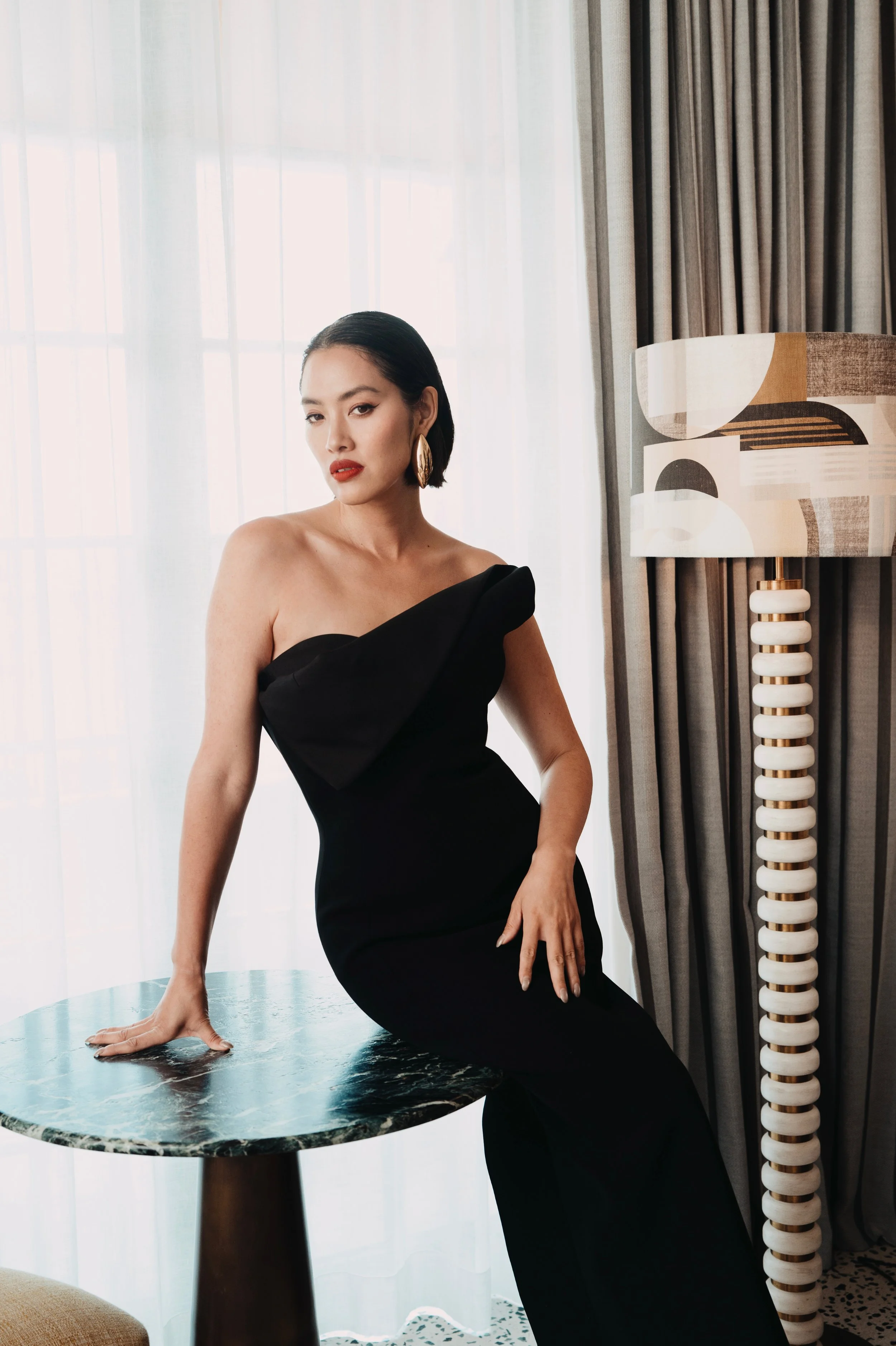
Tiffany Hsu's instincts about fashion are, by any measure, unusually good. Born in Taiwan and educated at Central Saint Martins, she joined Mytheresa in 2015 and now serves as Chief Buying & Group Fashion Ventures Officer; responsible not just for what the retailer stocks, but for how it positions itself culturally. She approaches buying as a form of curation: selecting pieces, spaces, and experiences that carry meaning rather than simply filling a wardrobe. What makes her effective is that she is, first and foremost, a serious student of fashion, someone who notices who will matter next before most of us do, and whose own outfits reflect a distinct point of view. She is also, for anyone who has met her in person, genuinely funny. In an industry that can take itself very seriously, that turns out to matter quite a lot.
THE DESIGNER BEHIND EVERY SHOE YOU’VE COVETED
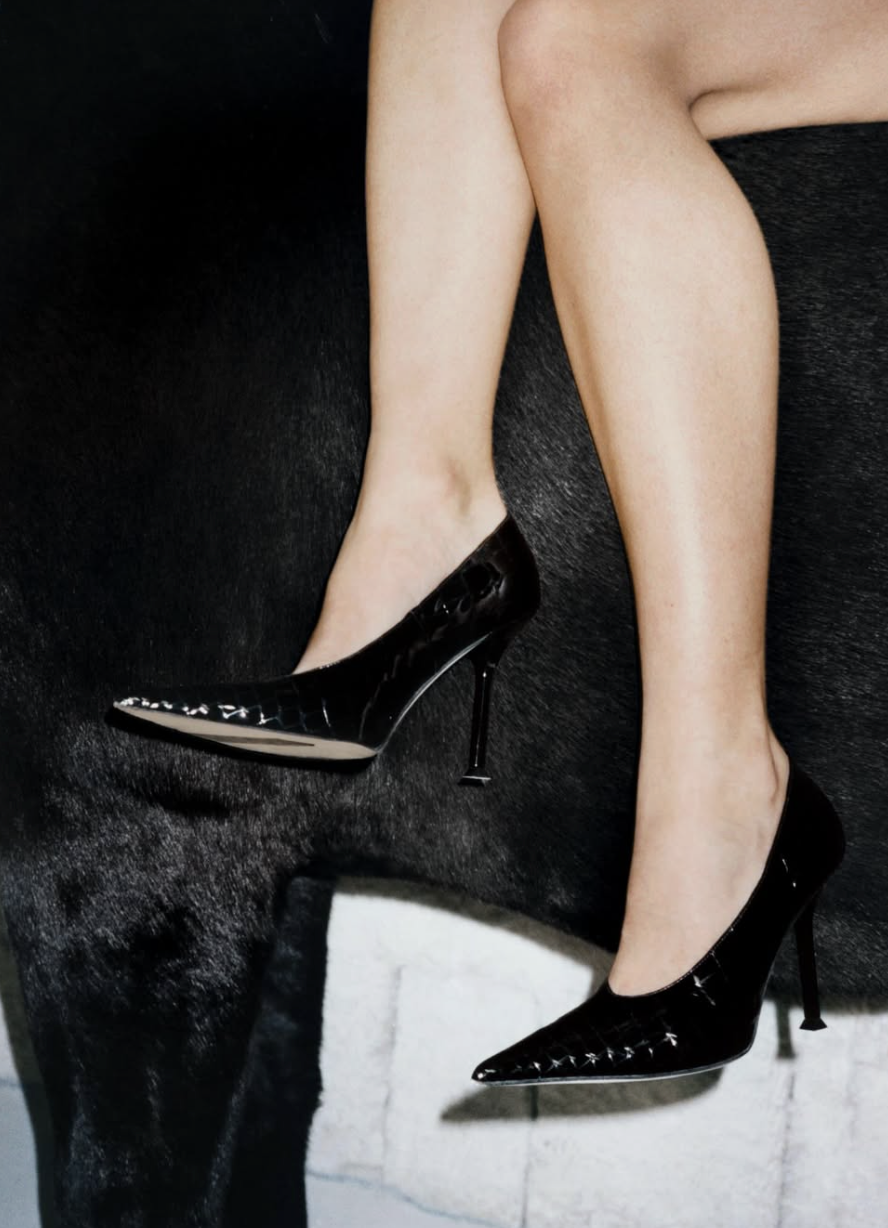
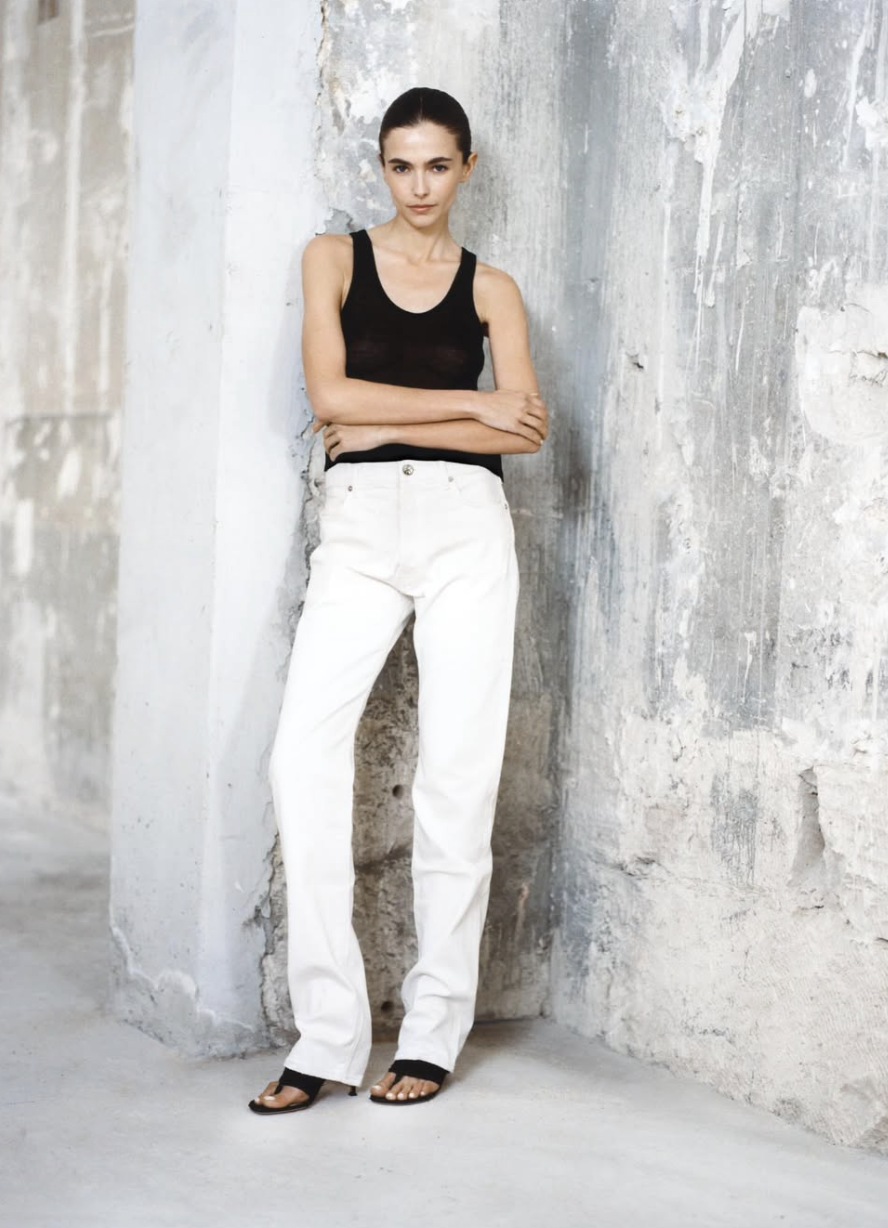
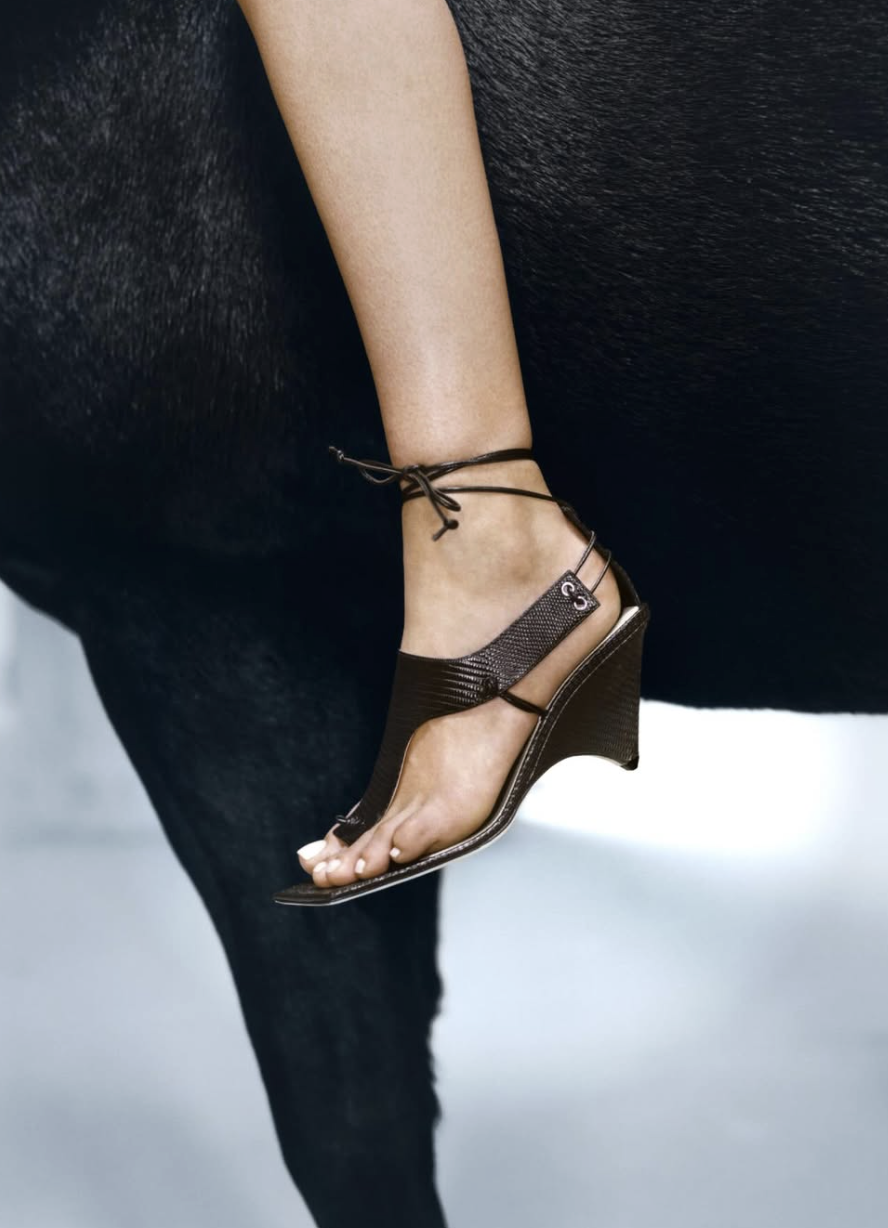
Most people have strong opinions about shoes and no idea who made them. Nina Christen is the answer to more of those questions than you might expect. For two decades, the Swiss-Chilean designer was behind some of the most covetable footwear in fashion—Bottega Veneta, Loewe, The Row—while remaining largely anonymous. She launched her eponymous label in 2024, and continues to head up footwear at Dior alongside Jonathan Anderson. The shoes are exactly what you'd hope for: heeled sandals lined with goat shearling, knee-high tabi boots in skin-tight leather, each made using traditional craftsmanship from Italy's Veneto region. The kind of shoes that you didn’t know you wanted yet.
“Nina Christen is one of the most EXCITING names in footwear today. She is the new design director of shoes at Dior, and her own label, Christen. Her creations blend sophistication with a strong artistic point of view. I admire how she pushes boundaries while staying true to craftsmanship.”
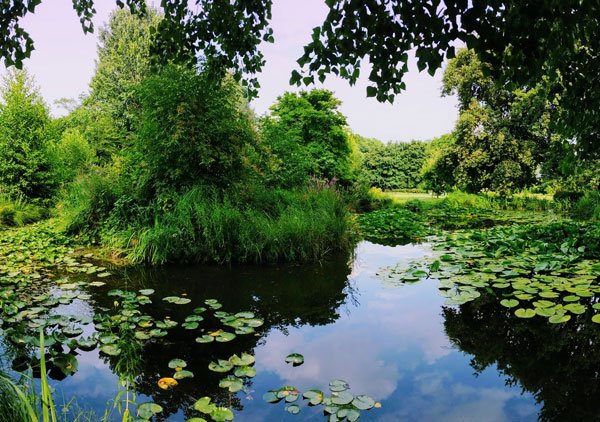
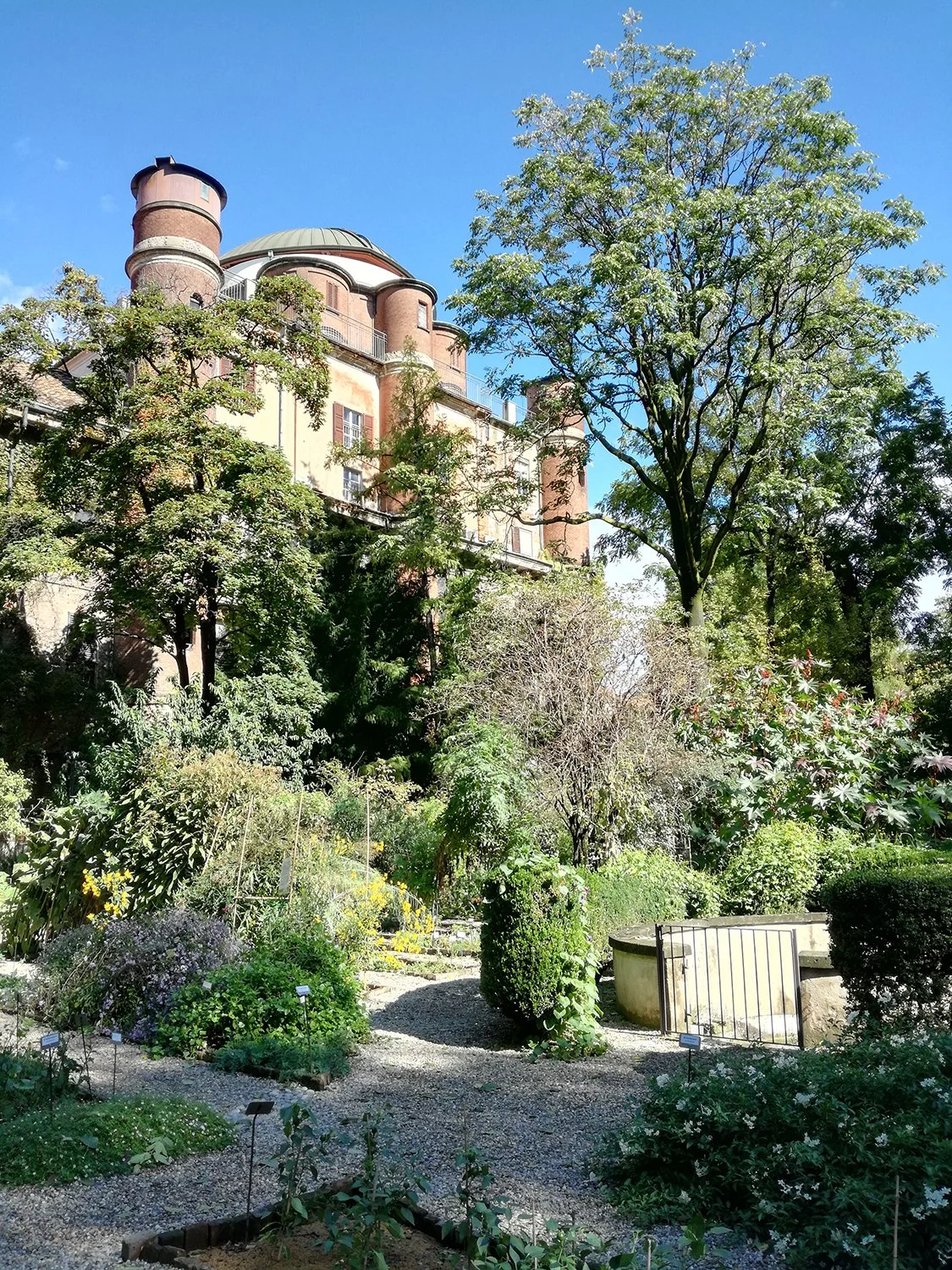
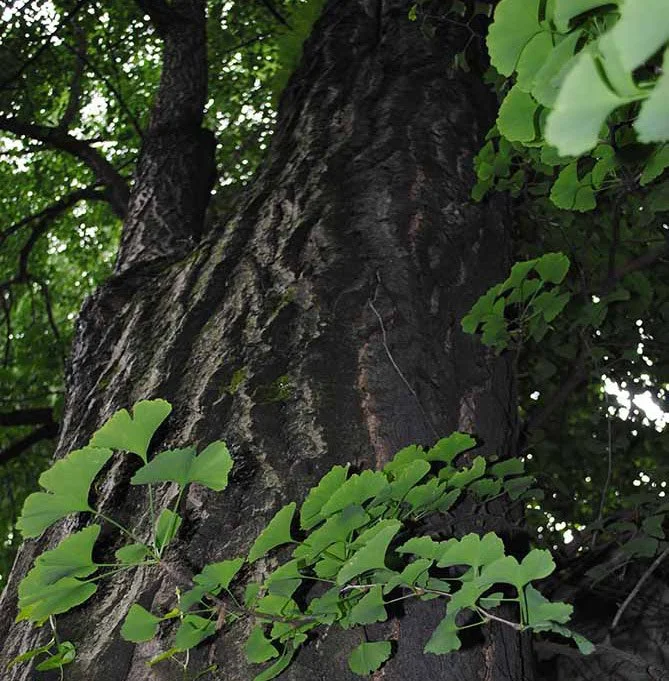
“I love to begin my day at the Brera Botanical Garden whenever I’m in Milan. It’s such a PEACEFUL and historic spot, almost like a secret escape in the middle of the city. I always leave feeling relaxed and inspired.”
THE SECRET GARDEN BEHIND ONE OF MILAN’S GREAT MUSEUMS
Milan is not a city that advertises its pleasures. The Brera Botanical Garden, tucked behind the Pinacoteca and open to anyone who thinks to look for it, is worth seeking out. The Jesuits cultivated this plot in the sixteenth century; Maria Theresa of Austria gave it scientific purpose in 1775; today it belongs to the University of Milan and charges no admission. The layout is eighteenth century and the oldest residents are two Ginkgo biloba trees, each over two and a half centuries old. During Design Week it becomes an open-air installation. The rest of the year it is simply one of the better places in Milan to spend an hour doing nothing in particular, which is an underrated skill.
JAPAN’S MOST SERIOUS FOOD ADDRESS
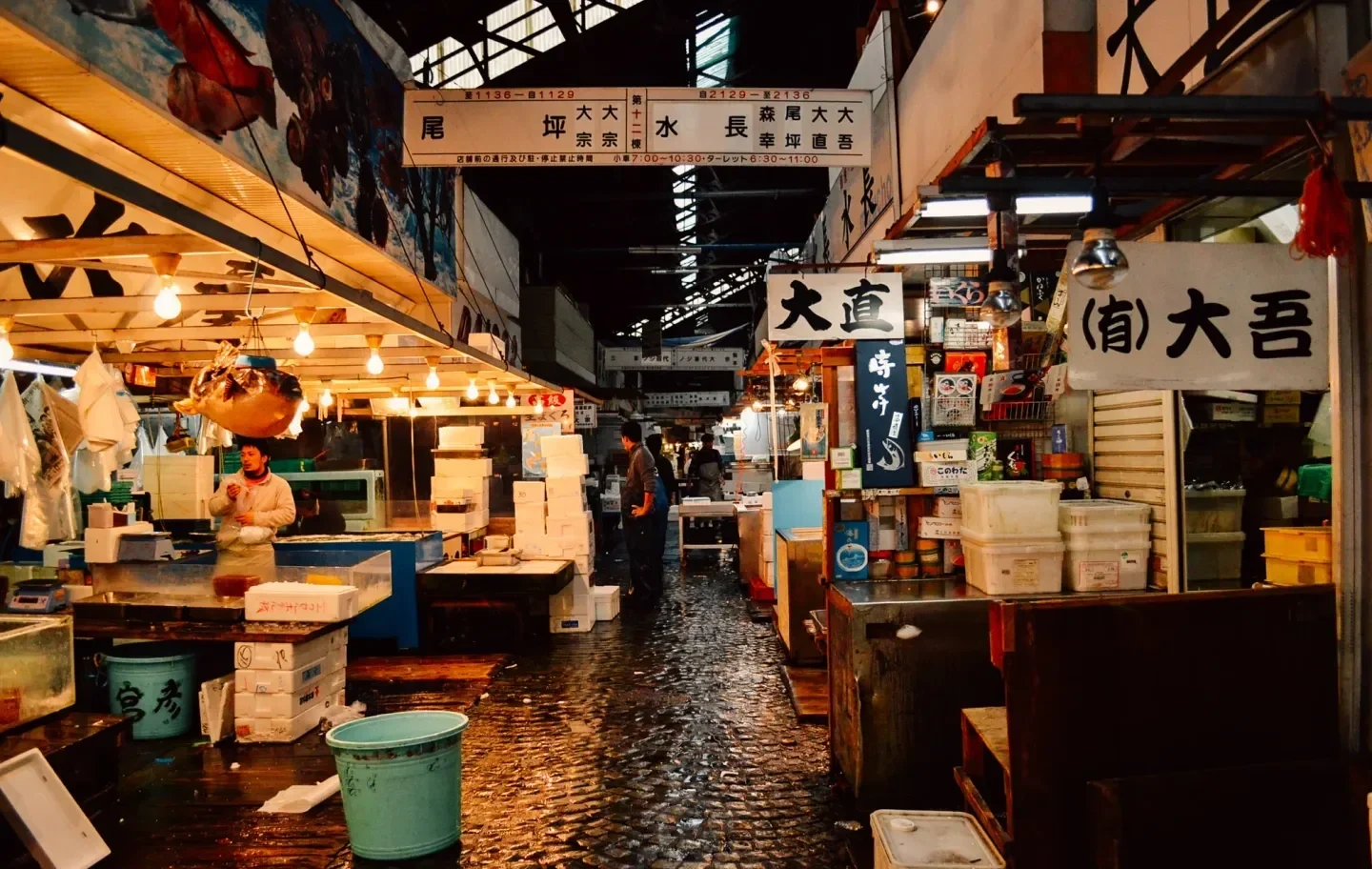
There are places in the world that exist to remind you how seriously some people take eating. Tsukiji Outer Market is one of them. Established in 1935 after the Great Kanto Earthquake destroyed the original, it became the largest wholesale seafood market in the world before the inner market relocated to Toyosu in 2018. The outer market stayed, and the narrow lanes of seafood vendors, knife shops, and counter restaurants remain one of the most compelling places to spend a morning in Tokyo. Stalls open at five. The correct move is to arrive early, find a sushi counter, and let the day arrange itself around that decision.
“Visiting the Tsukiji Outer Market is always an ADVENTURE. The energy, the craftsmanship, and the incredible variety of fresh seafood make it a must-see. I love wandering through the stalls, discovering flavors, and appreciating the artistry behind Japanese food culture.”
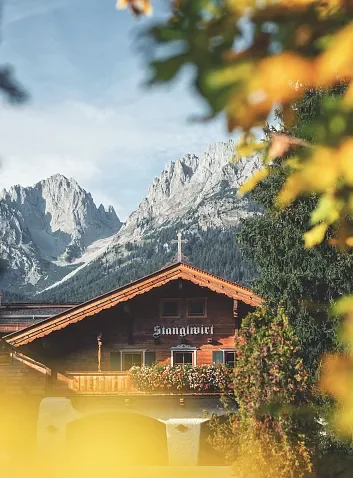
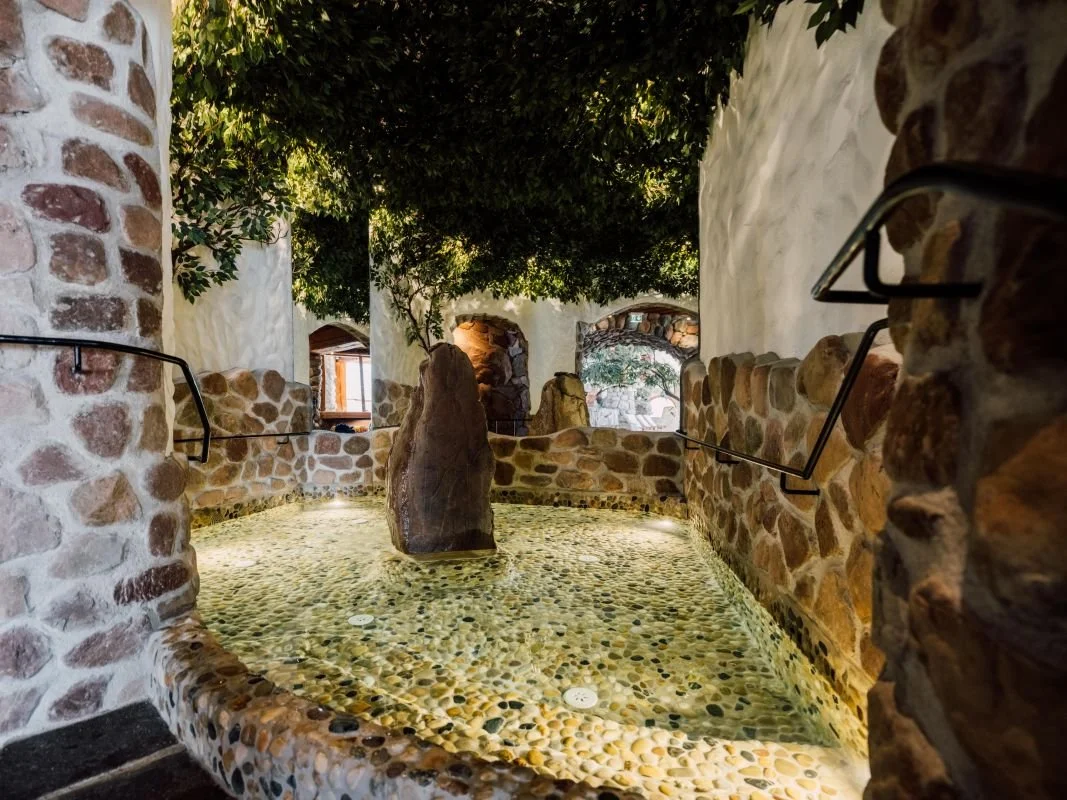
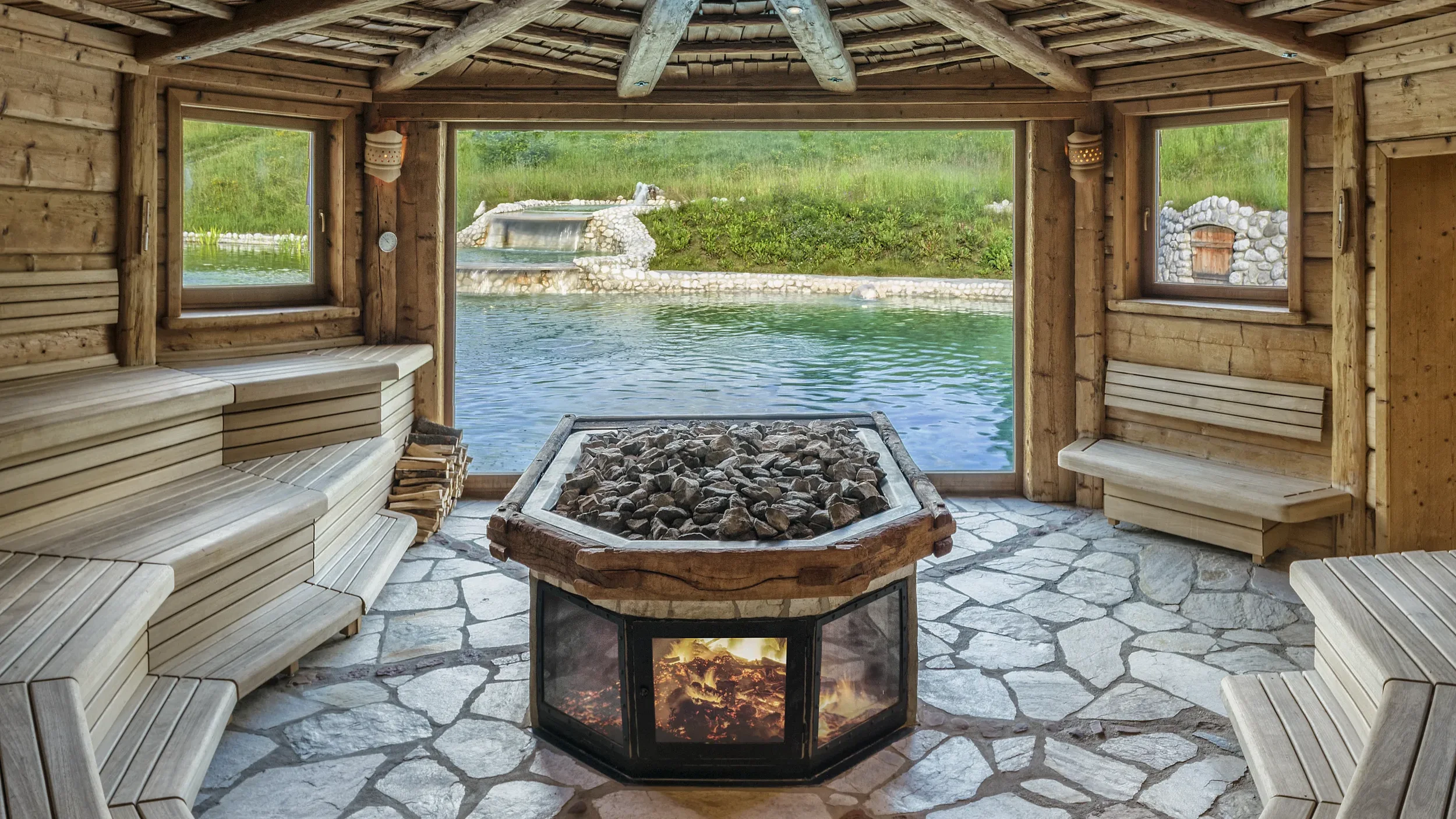
“The Stanglwirt is my go-to when I need a true RESET. Surrounded by the Austrian Alps, this eco-luxury wellness hotel combines nature, tradition, and relaxation in the most harmonious way. It’s the perfect escape for recharging both body and mind.”
A FOUR-CENTURY-OLD AUSTRIAN MOUNTAIN RETREAT
Stanglwirt has been welcoming guests in the Austrian Alps since 1622, which means it was sustainable, family-run, and excellent long before any of those things became something hotels put in press releases. Built in native pine and powered by hydropower, it sits at the foot of the Wilder Kaiser with four centuries of practice behind it. The largest heated saltwater pool of any hotel in Europe is here, alongside a sauna complex, a ski school, and restaurants drawing on the property's own organic farm. Rooms are lined in Swiss stone pine and wool. Eighty percent of guests return, some for years at a stretch. A statistic that renders the rest of this paragraph largely unnecessary.
THE MILAN BISTROT WHERE LUNCH IS THE MAIN EVENT
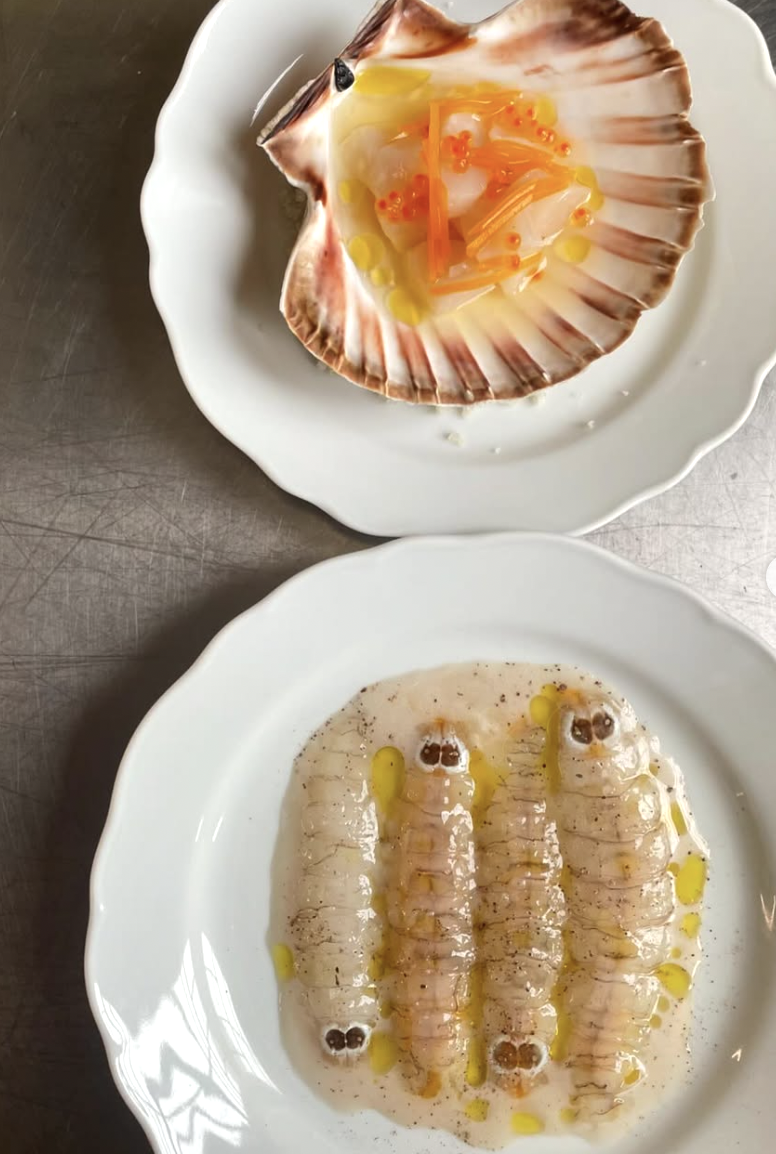
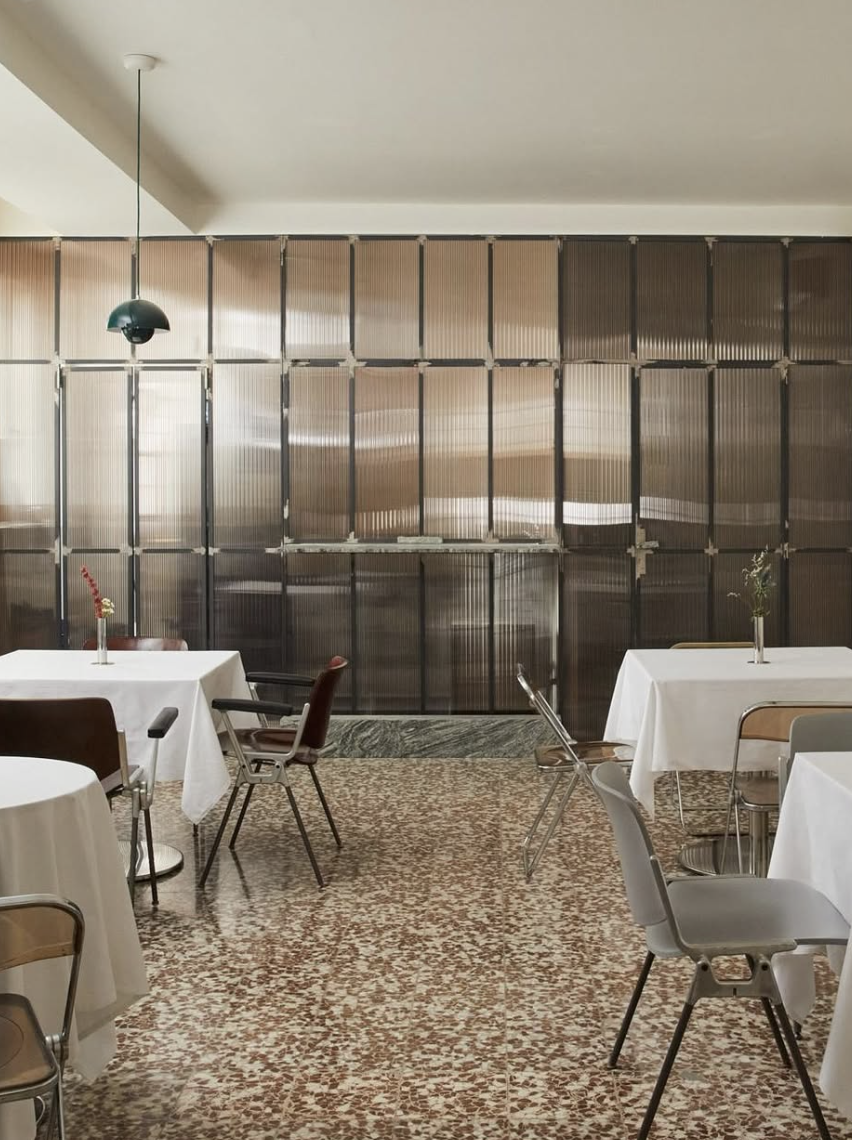
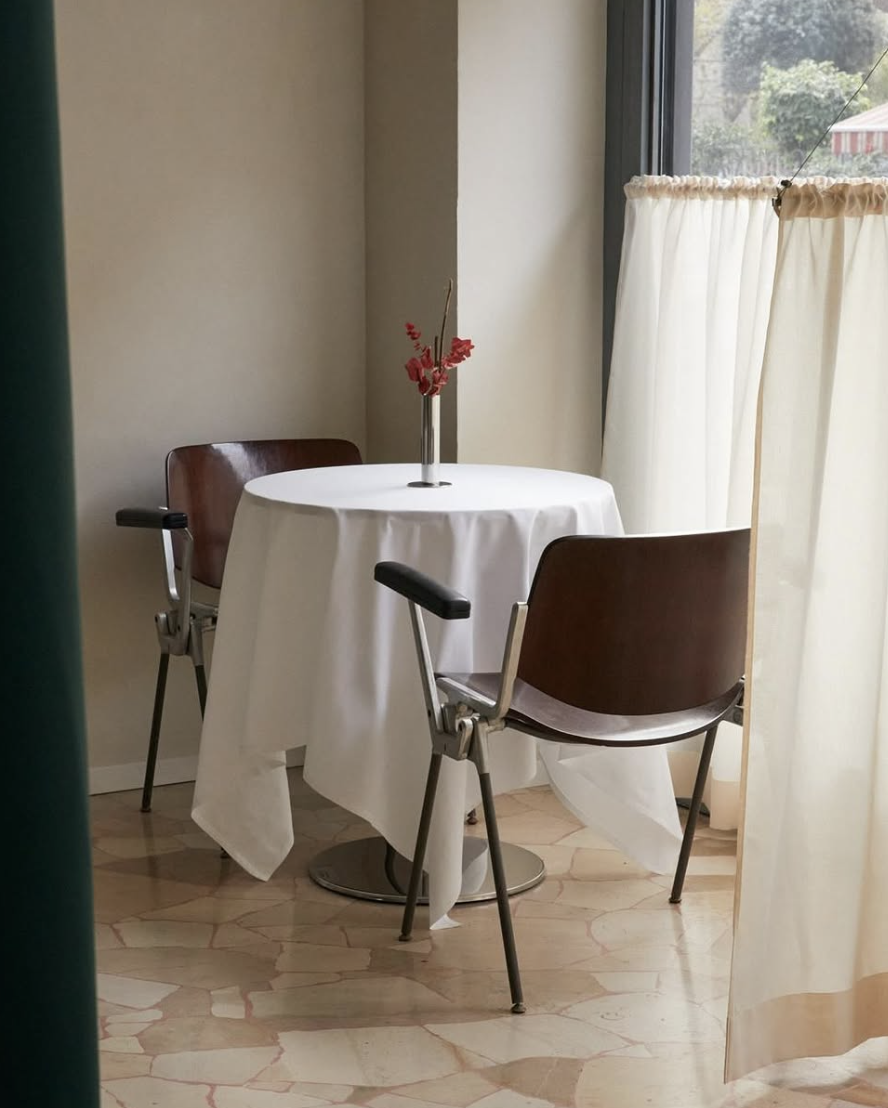
There is a version of the neighbourhood restaurant that most cities promise and rarely deliver: unfussy, considered, the kind of place that makes you resent having eaten anywhere else. Sandì, opened in Milan by chef Laura Santosuosso and restaurateur Danny Mollica, is that restaurant. The menu is short and changes with the season—tagliatelle with melted spring onion, dandelion and Castelmagno; a cordon bleu of sirloin that has quietly become a signature. The room has grit floors, white tablecloths, and a curtained corner with a round table at its centre. Lunch runs Monday to Friday; dinner only on Fridays, which creates the kind of scarcity that makes people plan their week around a meal. Thirty wines. No excess. Nothing to argue with.