Mabel, Unfiltered

Courtesy of Mabel
Mabel
Mabel, Unfiltered
By Bonnie Langedijk
After a decade of navigating the pressures of modern pop stardom, Mabel has done something quietly radical: she’s stopped trying to please everyone. The BRIT Award-winning artist, who has amassed twelve top 20 singles and over 4.5 billion streams worldwide, has spent years inside the machinery of the music industry. But with her new self-titled mixtape, she’s decided to step off the treadmill.
Recorded almost entirely at home, the nine-track project is loose, layered, and deeply personal. It’s not interested in genre or perfection or what anyone thinks a pop record should sound like. Instead, it captures something messier and far more compelling: a woman reclaiming her creative agency, writing from instinct, and finally making work on her own terms.
Mabel calls the project “a toxic love letter to my 10 years in the industry,” and it’s not hard to understand why. Over the course of her twenties, she was praised, scrutinised, overexposed, and often misunderstood, shaped as much by expectation as by success. This mixtape doesn’t reject that past, but it does question the system that demanded it.
And in doing so, she joins a growing chorus of artists—particularly women—who are challenging the old structures of fame: the genre boxes, the marketing blueprints, the pressure to endlessly evolve. If Mabel’s earlier albums were about arriving, this one is about returning. Not to a sound, but to a self.
But we’ll let Mabel do the talking.
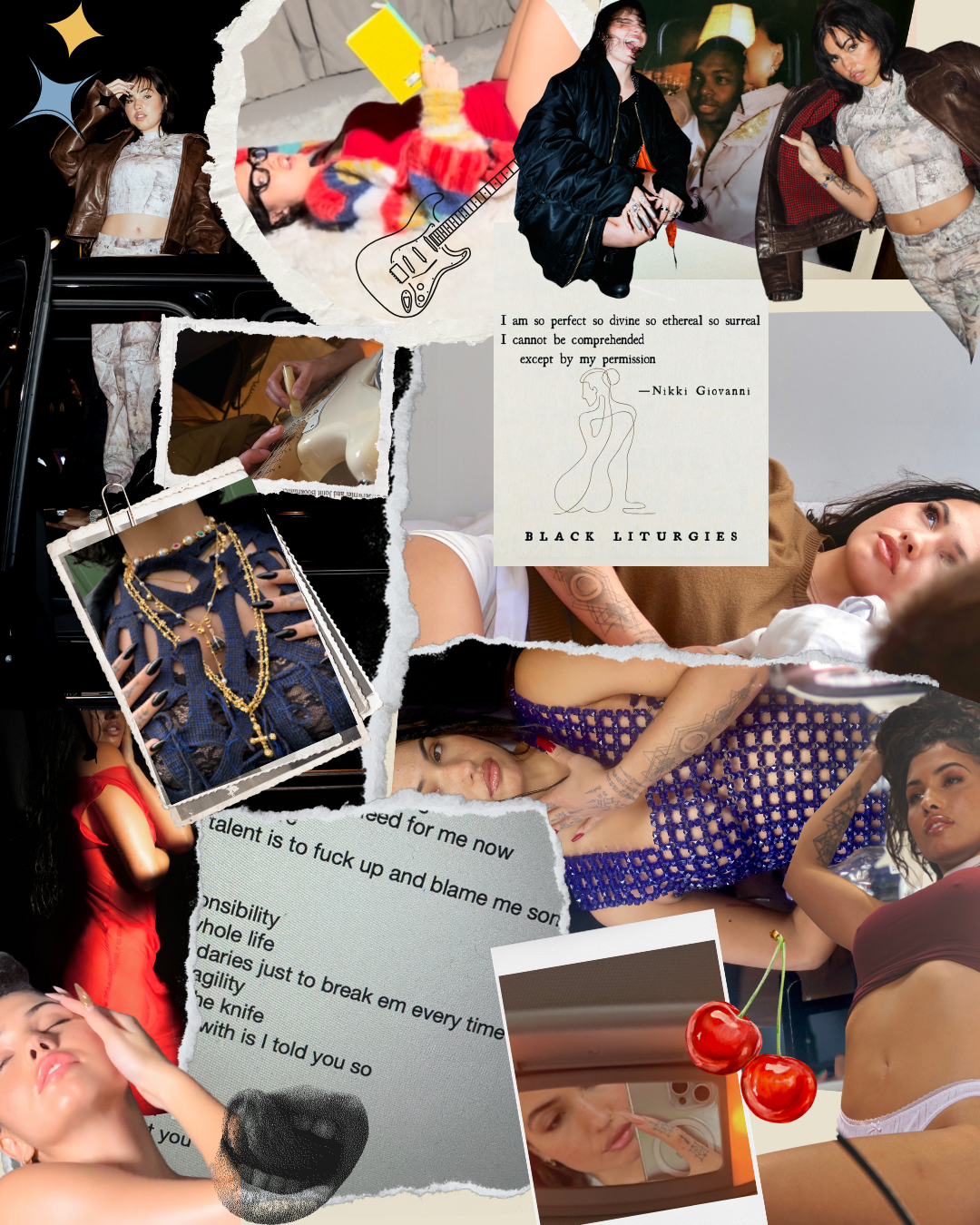
Courtesy of Mabel
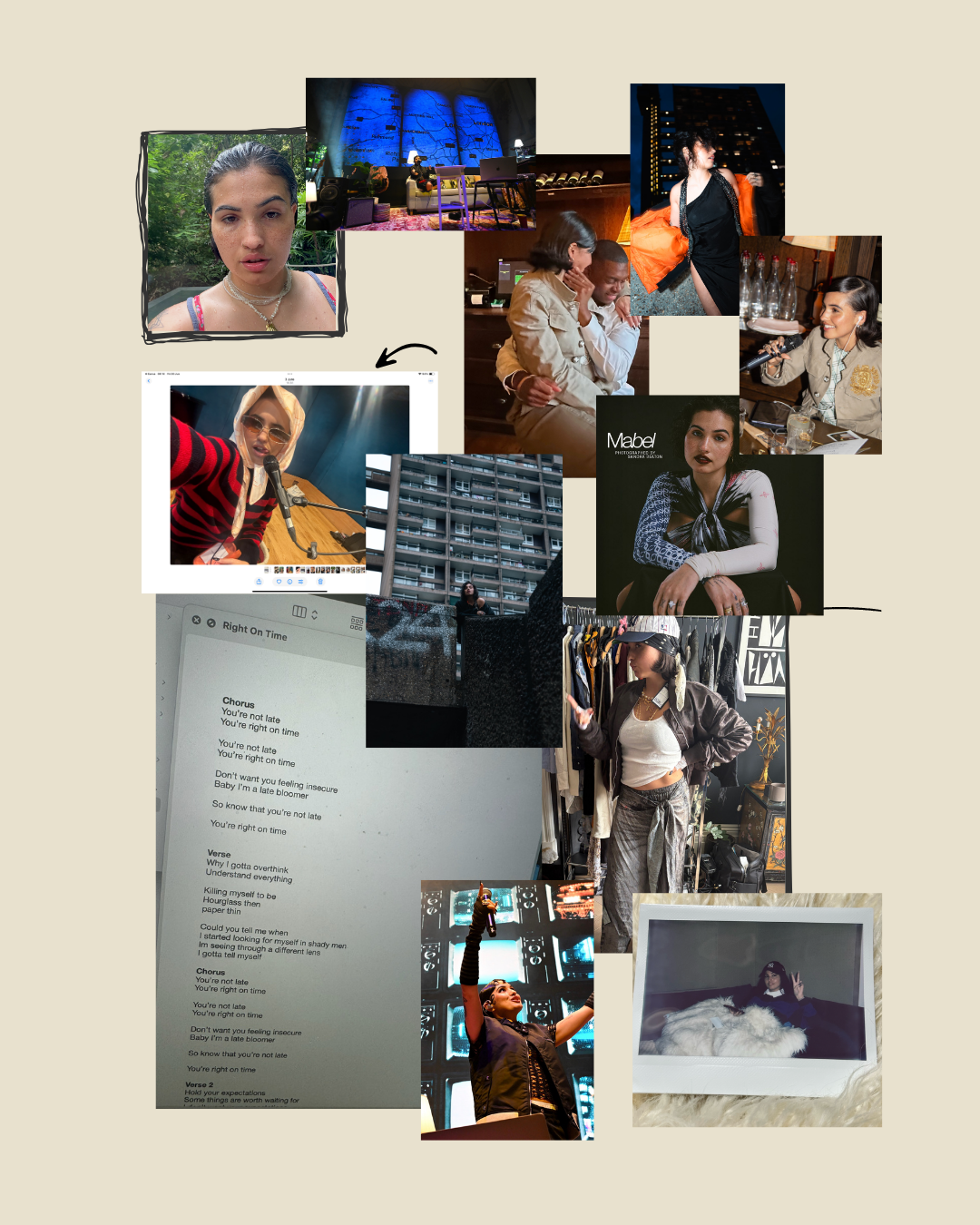
Courtesy of Mabel
Has working on this project allowed you to fall in love with making music again?
Mabel: A hundred percent. If I was going to quit, I would've quit last year. That was a question I was asking myself for years leading up to the time around my second album. It was never about not loving it anymore, it was the way that I was doing it and the pressure that I was carrying to make music. It's impossible to create your best work when you’re constantly questioning what people are going to think about it. When I first started making music, I was just doing what felt good. I lost that somewhere along the way and it does feel like I've been making music again for the very first time.
It takes a lot of guts to be vulnerable or be yourself.
Mabel: Terrifying. Particularly having been doing this for 10 years. As a female pop star, it’s about the character that you’re playing. There is this wall between consumers and artists. And in between albums you're supposed to reinvent yourself. I love pop stars that do that, but I found the constant reinvention draining. Especially being a young woman in your twenties when you're just figuring out who you are. You're playing all these different people and wearing all these different hats in different rooms. I would come home and think, I don't know how I like my eggs, I don't know what music I like to listen to anymore. I don't know what my personal style is anymore. I don't dress myself. There was this turning point when I met my partner. I wanted to first create a life outside of what I do and then this project was about bringing those things together.
“As a female POP STAR, it’s about the character that you’re playing. There is this wall between consumers and artists. And in between albums you're supposed to reinvent yourself. I love pop stars that do that, but I found the constant reinvention draining.”
It's almost this childlike freedom. There's no pressure of performance or how it's received.
Mabel: My mom always said to me that I used to draw loads when I was younger. She remembers the day when I came home from school and I was drawing and I got really frustrated. And I was like, it's not good. And she was like, what do you mean? It's amazing. I was trying to draw a dog but I felt it didn’t look like a dog. And she was like, it doesn't matter. It can look any way that you want it to. And I just thought, no, that's it. I'm shit. And I just stopped drawing. You lose your freedom when you start questioning whether you are good or not and when you try to follow these rules about what you can and what you can't do. I realized I had lost that maybe five years ago, creating just for the sake of creating. ButI do that a lot now. Even though I have my project coming out in two weeks, I'm sharpening my pen and I'm experimenting with sounds. I'm getting rid of the idea of perfection.
This album is very personal, very intimate, but I'm sure you also try to create some sort of barrier between you and all of that external noise.
Mabel: It's a really fine balance. I'm being authentic and I'm being the person online that I am at home, but there are some things to keep for me. Socials became really negative for me because throughout my twenties, there was a lot of judgement. Whether I was performing well, which I wasn't always, because I wasn't in a good place. When you've read a bad comment from the night before, you’re going up on stage and you're carrying that with you and you can't perform at your best when you are already feeling negative about yourself. A lot of my career was also about the way I looked. You make an album and still publications just want to talk about your breasts and how you've put on a busty display. I actually just have boobs on my body. I don't know what you want me to do about that. It was about who I was dating and whether I had gained weight or lost weight. I then became really obsessed with looking perfect and making sure that every time I stepped outside I was pristine. I wanted to be the person, the pop star, that people wanted me to look like and be. It really fucked me up.
The media is such a big part of the problem too, especially around female artists and the way they are talked about.
Mabel: We've seen a lot of situations where people get rinsed in the media and then end up in really bad places.There are no boundaries around what people can say and can't say about usually quite vulnerable people. For me, it just put me in a shell. To be able to make the music that I've just made and to now be in a place where I don't really care, took a lot of time. The first few years of that process were very much about protection. I locked down essentially. I was so fucked up from being talked about in a crazy way by people all the time.

Mabel at home. Courtesy of Mabel.
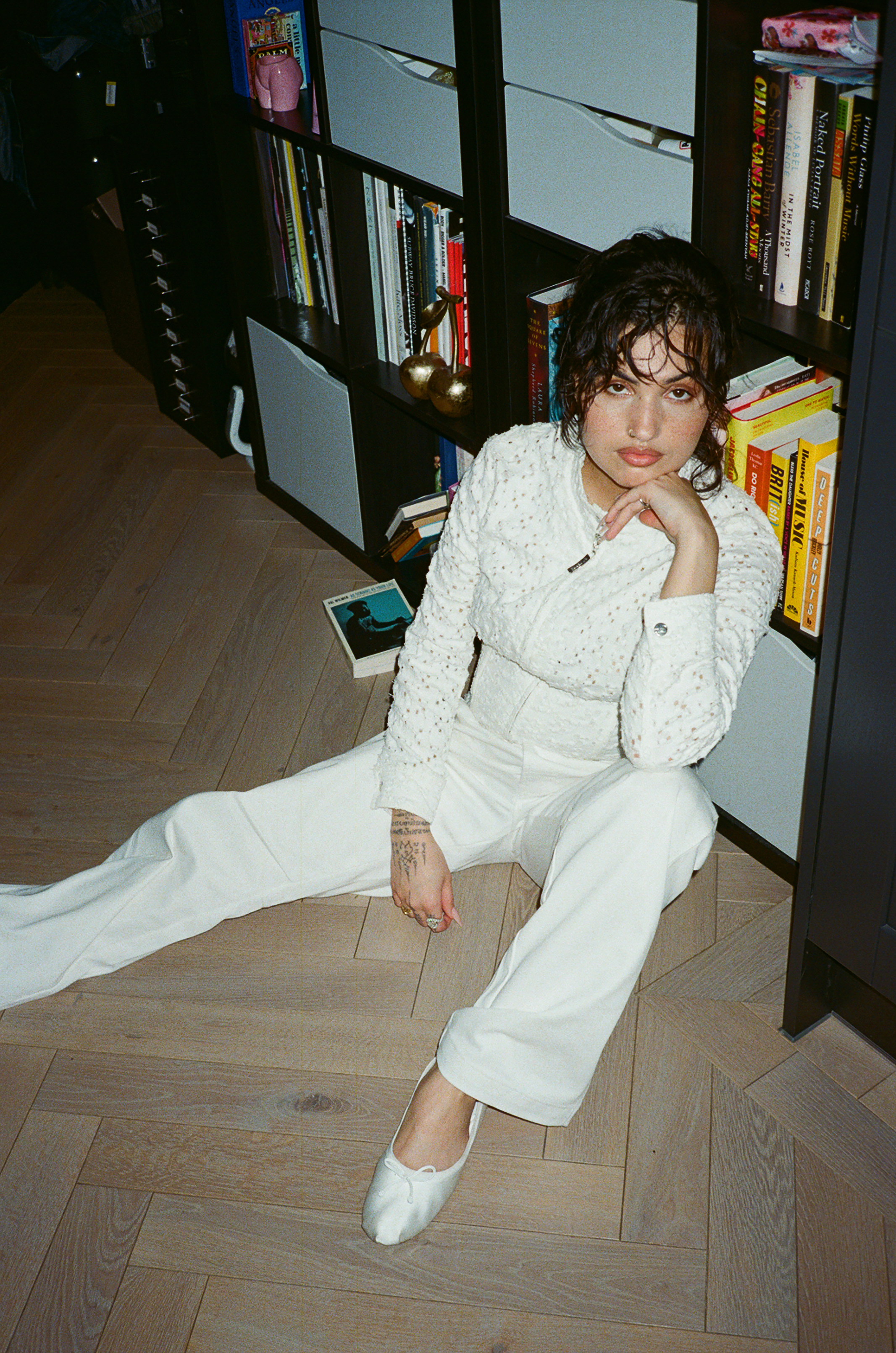
Mabel at home. Courtesy of Mabel.
Making art should never be about thinking about the consumer. But then on the marketing end, the first thought is always, what do people want from you?
Mabel: I think in creative industries, we're in a transitional phase, trying to figure out the landscape again. People in offices don't have the answers anymore. For me, it was the first time in my career when I realized I didn't have to keep it going the way that we had been. And spiritually, I have been feeling like that for a long time. When the market changed too, it became clear that everybody is just guessing. I might as well be throwing paint at the wall in a way that feels authentic to me.
There seems to be this whole wave of British artists who are speaking out about their frustration with the music industry like Raye, Little Simz and James Blake. Why do you think that's happening now?
Mabel: For a long time everything that was happening here was relying on what was happening in America. We were trying to do our version of what they were doing, when the UK has such a rich culture. We've had so many incredible artists and albums and iconic moments, but I think those come ultimately from those safe places of not giving a fuck about what anybody thinks. I think the timing of people speaking out is because we can now. There's a different sense of freedom with the types of communication we have access to. People want to hear the truth.
This project blends multiple genres, cultural influences. In this era we live in, we love to box people in. How important is it for you to resist those boundaries?
Mabel: Me and Oscar Sheer, who I worked with, we always say we’re allergic to genres. I am so many different things. I speak multiple languages. I have family all over the world. I’m British, I’m Scottish, I'm Swedish, I’m West African. I grew up listening to all kinds of music. With this project, rather than trying to explain that to people through my music, I put all of those things into this beautifully chaotic tapestry. It used to really stress me out when people would ask me about my background, or where I was from. I wouldn't know what to say. Now I have so much pride. I'm getting married quite soon.
Congratulations.
Mabel: Thank you so much. We've been talking so much about the pride that we have in all our different cultures. We're paying homage to my partner's Jamaican side and his Nigerian side, but also to our British side, and then all of my cultures and that's sick. That's an amazing fountain of inspiration.
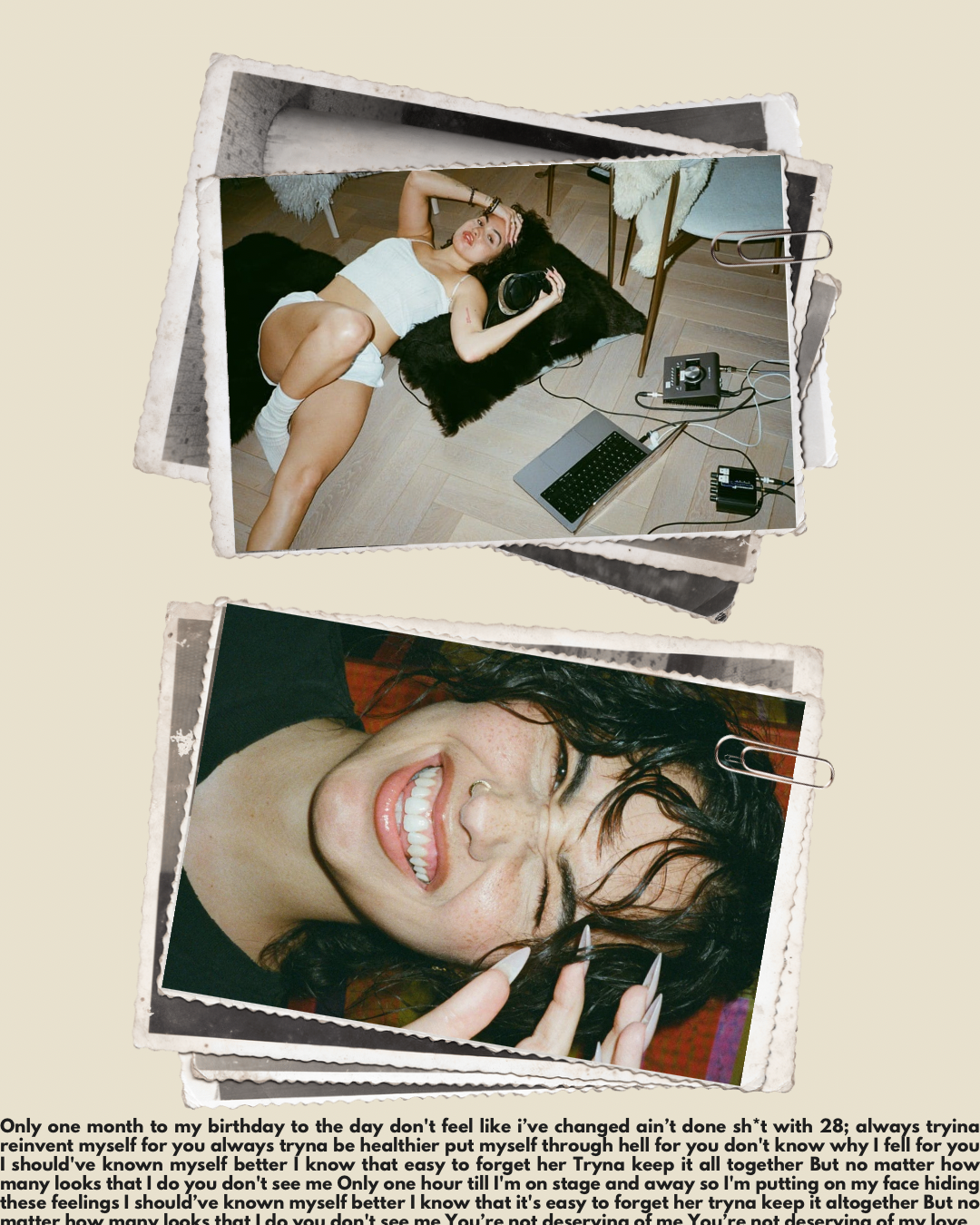
Courtesy of Mabel
Courtesy of Mabel
Music is heavily driven by streaming numbers and social media metrics. How do you measure success for yourself?
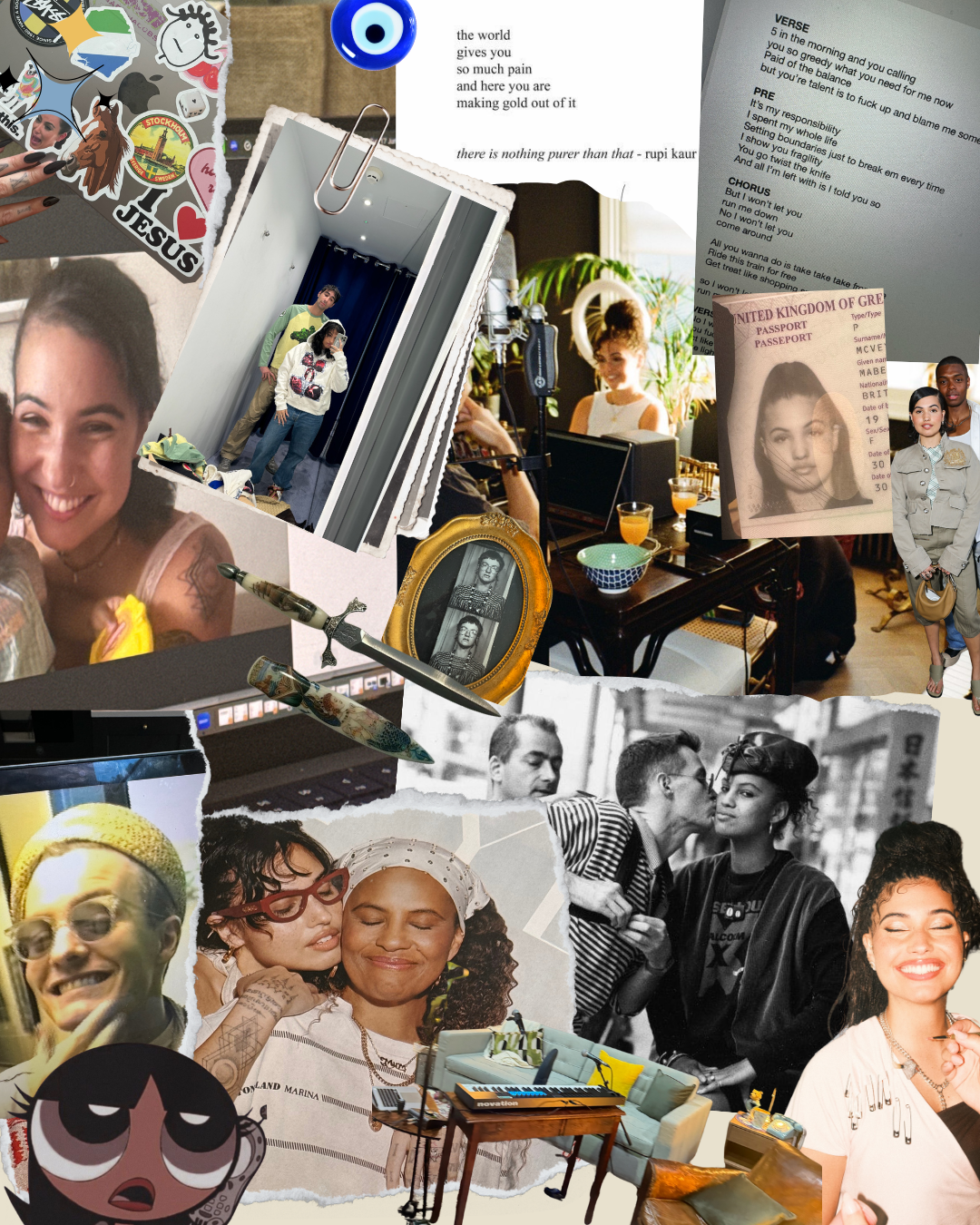
Mabel: Success for me is putting a song out that I actually love. A song that reflects me even if it's imperfect. We did all of my artwork here in my house, with my best friends. That's a win. Had you asked me that question seven years ago, my answer would have been very different. Selling out shows, and hitting great numbers obviously would be lovely, but absolutely not at the cost of my integrity or at the cost of my identity. I want people to know more about who I am. I think the only way I was going to be able to do that on this project was to work with the people that know me the best. I didn't want to hire a big creative director and then make these expensive music videos. It didn't feel right for this project. I didn't want to let random people in to bust this little bubble.
It's amazing that you took a step back to figure out who you are and also share that on your own terms.
Mabel: I’m excited to perform shows this summer. We're bringing my living room to the stage. At first I was very frustrated with having to play some songs, because I connect certain songs to difficult times in my life. But seeing and realizing what that song means to somebody else, has really brought them back to life for me. Watching people enjoy them in the crowd has made me enjoy them in a different way as well. They're still a part of my journey. As much as I am proud of where I am now, I have to honor and respect that I am here because of those things as well. I think about the girl that I was when I did make those songs and I still love her.
To end on a different note, what's something you're currently exploring outside of the project?
Mabel: I'm still super horse obsessed. I have two. Captain and Gus. That's a consistent obsession. That's my number one outside of music. Horses can sense how you're feeling. They can hear your heartbeat from three meters away. They're hyper aware of what I'm giving off and where I'm at.
This interview has been edited and condensed for clarity.
Shaniqwa Jarvis on why photographs are beautiful liars, grief as a portal, and the moment she found her whole practice hiding in a childhood snapshot.