Music's Most Culture-Conscious Executive
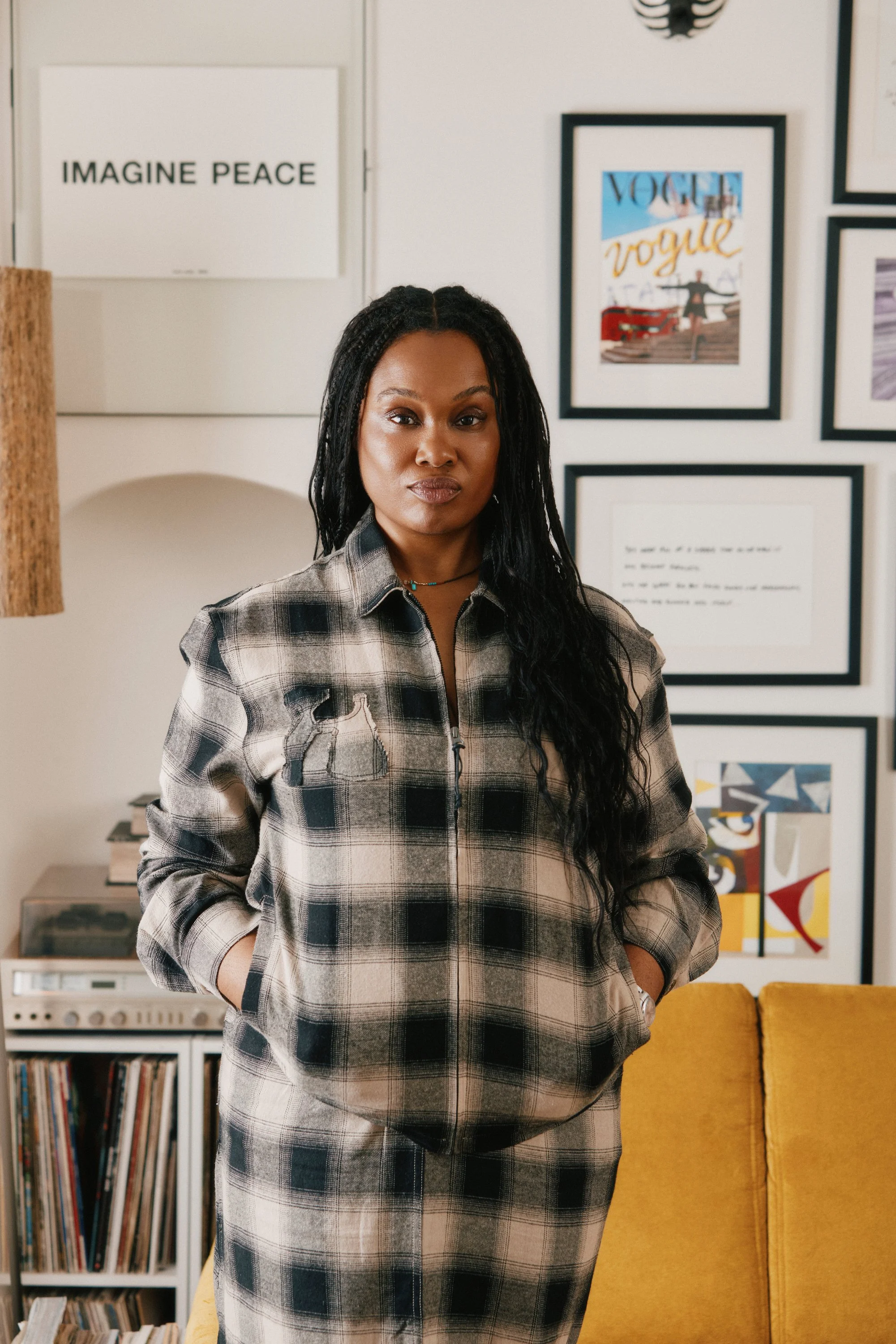
Damaris Rex Taylor, photographed in her home.
Damaris Rex Taylor
Music's Most Culture-Conscious Executive
By Bonnie Langedijk
Damaris Rex Taylor is in the business of world-building, not just record-breaking. As Managing Director of RCA Records UK, she is one of the most influential voices in British music, steering campaigns for global superstars like Miley Cyrus, JADE and Cat Burns while championing the next generation of British talent. Her journey through the industry, from Parlophone to Disturbing London (working alongside co-founders Dumi Oburota and Tinie Tempah) to her current role transforming RCA UK, reflects a deeper understanding of how culture moves in the digital age.
RCA Records carries extraordinary cultural weight. Home to legendary artists from Aretha Franklin and Patti Smith to contemporary powerhouses like A$AP Rocky and SZA, the label has consistently sat at the intersection of artistry and cultural influence for nearly a century. Since joining RCA in 2019, Rex Taylor has played a defining role in reestablishing the label’s creative credibility and domestic relevance, bringing a fiercely independent mindset into the structure of a global powerhouse.
What sets Rex Taylor apart is her refusal to choose between artistry and commerce, between data and instinct. Having completed a postgraduate degree in Strategy and Innovation at Oxford University's Saïd Business School while co-chairing Sony Music UK's Social Justice Fund, she represents a new breed of music executive. One who understands that lasting success comes from building worlds, not just viral moments.
HURS sat down with Rex Taylor to speak about building artists, shaping culture, and the evolving responsibility of the modern music label.
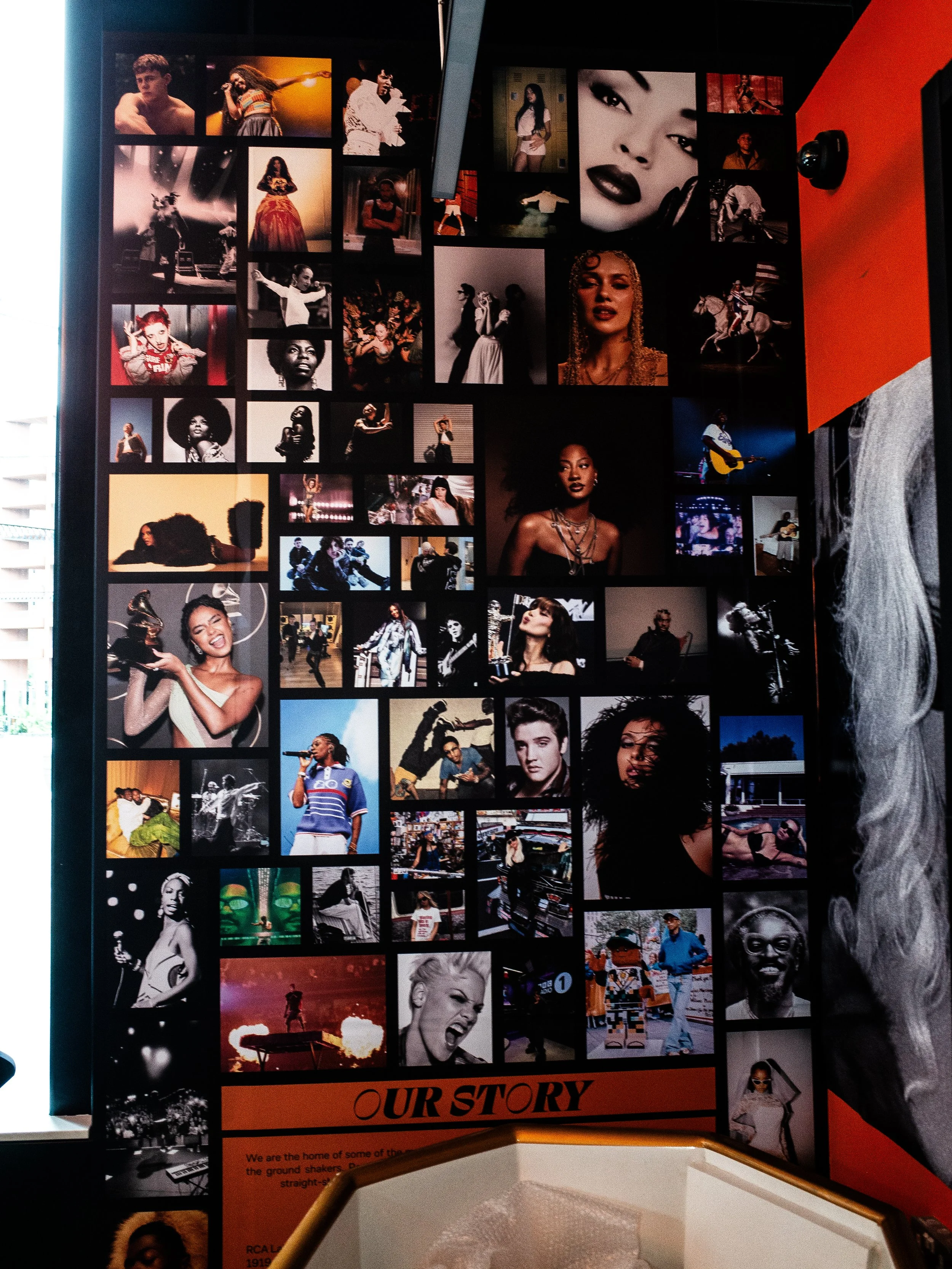
RCA’s Record Store in London. Courtesy of RCA.

SZA, represented by RCA. Courtesy of RCA.
Growing up, were there any artists who had a big impact on you?
I grew up in a mixed Ghanaian household in West London, with siblings ten years older than me who I loved and cherished and still do. The house was a sound system: Motown, jazz, Nina Simone, Aretha Franklin and highlife from my mum; dance and very specific US hip-hop from my brother; Jamiroquai and Neneh Cherry from my sister. It was messy and brilliant. That friction between genres, cultures and generations is what pulled me into music. Aretha Franklin and Public Enemy meant as much to me as Bloc Party later did. Hearing Kele Okereke’s voice, as a Black British girl drawn to indie and cross-genre sounds, showed me there was space for people like me in this world. Brown. Anglo-West African. Indie-leaning. Deeply invested in music, fashion, art and culture. Representation inside subculture shifts possibility.
How do you think culture is shaped today, especially after the shift from physical to digital?
In some ways, we’ve lost the traditional gatekeepers. But most artists haven’t changed that much. The ones who break through are either hyper-aware of the zeitgeist or total purists. If Madonna were 21 today, she’d be running TikTok. Bowie, maybe. Hendrix, maybe not. The icons always moved with the moment. What’s different now is how fragmented everything is. Culture isn’t centralised anymore. I can be at a fashion week party standing next to someone with five million followers and have no idea who they are. But despite the noise, the fundamentals are still the same. People respond to quality, intention and truth. That has not changed. The amplification strategy has. AI is not a shortcut or a threat. It is a tool. The industry needs to engage with it transparently and intelligently, as our company is aiming to do. That conversation is only just beginning.
“In some ways, we’ve lost the TRADITIONAL gatekeepers. But most artists haven’t changed that much. The ones who break through are either hyper-aware of the zeitgeist or total purists.”
How has the business of breaking artists evolved? What does it take now to launch a global act with real cultural weight?
You’re not just selling music; you’re selling a worldview. That demands sensitivity. When I started, people dismissed the democratisation of downloads and streaming. Not many saw the tsunami coming. Then some in the industry swung too far the other way, obsessed with data and chasing virality.Often, I saw that some people weren’t building artists, they were building momentary reactions. Now we’re coming back to story. If you want longevity, you have to build a world. That takes research, instinct and imagination. We are not just competing with other songs. We are competing with the entire attention economy. You need pluralistic thinking, understanding culture deeply, while keeping your hands in the soil of the art.

Nigerian singer-songwriter and record producer Tems, represented by RCA. Courtesy of RCA.
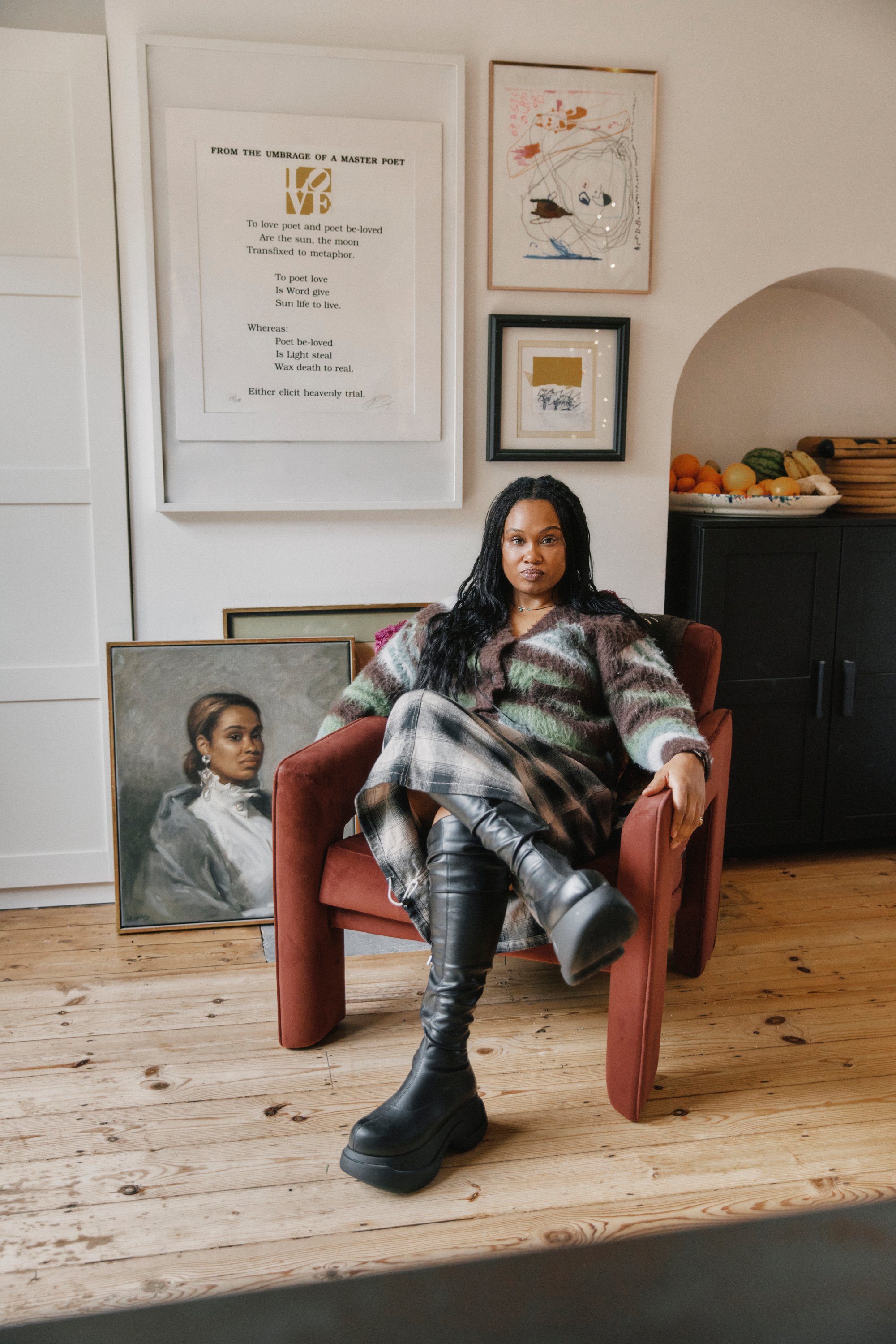
Damaris Rex Taylor, photographed in her home.
How do you balance creativity with commercial pressure?
You can’t be a purist, but being purely commercially driven doesn’t help either. Data shows you what happened, not necessarily what’s next. The best artists, the ones who shift culture, are the ones who take risks. Our job is to help them do that without falling off a cliff. Not everyone wants to headline Glastonbury. Success doesn’t have one shape. But what all artists need is consistency. Consistency of story, tone and world. That’s what builds real connection. Risk and consistency aren’t opposites. They are dance partners. Commercial pressure is something the industry has created. All of us, including artists. We still look at chart markers in the UK, but success is defined per artist. Some of our more rock-leaning acts build extraordinary global fandom without chasing chart positions. That is still success. My postgraduate studies at Saïd Business School shaped how I think about sustainability. We studied competitive strategy, mergers and acquisitions, emerging markets and global regulation. Markets reward clarity, process and long-term positioning. Art is no different. Commercial success enables longevity, but clarity of vision must come first. When the world is coherent, commercial success tends to follow.
How has social media changed the artist-fan relationship?
It’s made artists both more accessible and more exposed. The Beatles had screaming fans, but they didn’t have to answer DMs at 3am. There’s an intimacy now that can feel overwhelming. People feel lonelier than ever, yet they can interact with anyone at any time. It’s disorienting. We are not at the end of a social media era; we are at the beginning of a more complex one. At RCA, we tell artists: yes, you need to think about content. But if that’s not authentic to you, we will find other ways. Some of our artists play small venues, post once a week and still stream strongly. It’s about alignment. The performance cannot crush the person. Mental health isn’t a side note. It’s central. When I started, suffering was often romanticised as part of the artist mythos. That’s unacceptable. Labels have and should provide a duty of care. We protect the human first. The art follows.
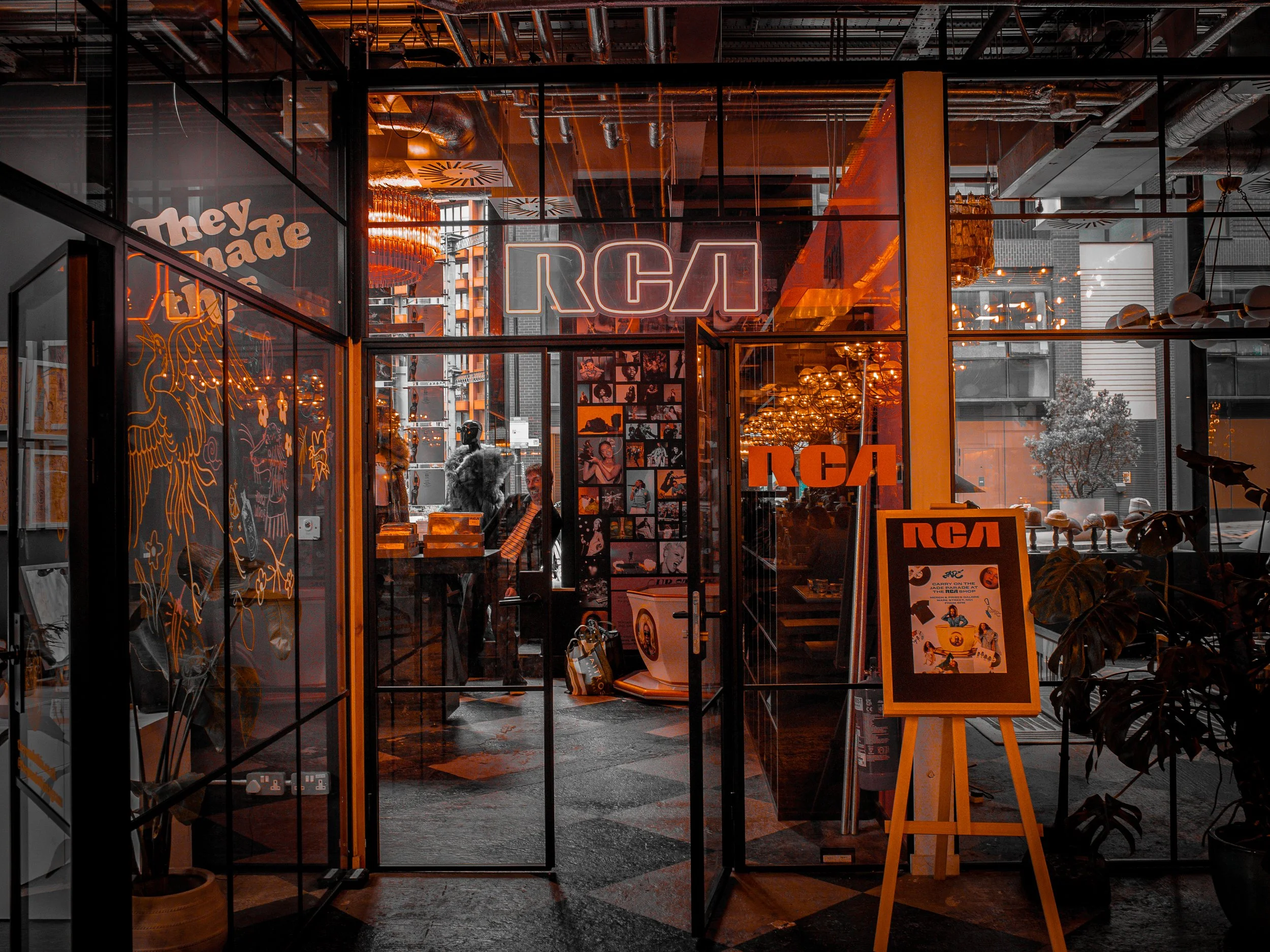
RCA’s Record Store in London. Courtesy of RCA.
British singer-songwriter Cat Burns represented by RCA. Courtesy of RCA.
What’s your North Star when it comes to signing and developing talent?
When I joined RCA from running Disturbing London, and before that Parlophone at one of its peaks, I was used to working predominantly with domestic talent. RCA always had an incredible global roster, and over time we’ve strengthened the domestic roster.. That has shifted. Many of our senior team come from indie backgrounds with strong domestic track records, and we bring that spirit into everything we do. The label is constantly evolving. RCA UK feels progressive, and no one is complacent. We understand how cyclical this industry can be. But we care deeply about taste. We care about music as an art form. That may sound idealistic, but it’s practical. The British music industry needs to keep evolving and rebuilding, and we want to be part of that. My North Star is alignment. Creative architecture and A&R vision must meet early. From there, success is defined per artist: cultural impact, longevity, pride in the work. The metrics differ. The intention does not.
What’s Britain’s role in the next era of music?
Progression in its purest form. Britain carries cultural weight globally, but we’ve lost some boldness. We’ve been politically and emotionally stunned, from Brexit to austerity to cultural defunding. You feel it in the arts. We can become nostalgic and inward-looking. But the talent is here. This generation is rich with stories. If we don’t invest, we’ll lose them. There isn’t adequate funding for small venues, and there is no clear pathway. So who steps in? If we’re not careful, we drift backwards towards classism, gatekeeping and monoculture. But I believe in cultivating art that means something, especially for future generations. My daughter is already developing her own musical palette. That reminds me of what is at stake. We need infrastructure that reflects who we are now, not who we were. If we build that, the talent will lead.
This interview has been edited and condensed for clarity.



Shaniqwa Jarvis on why photographs are beautiful liars, grief as a portal, and the moment she found her whole practice hiding in a childhood snapshot.