An Artist and Her Creative Director on Why Indie Labels Are Winning
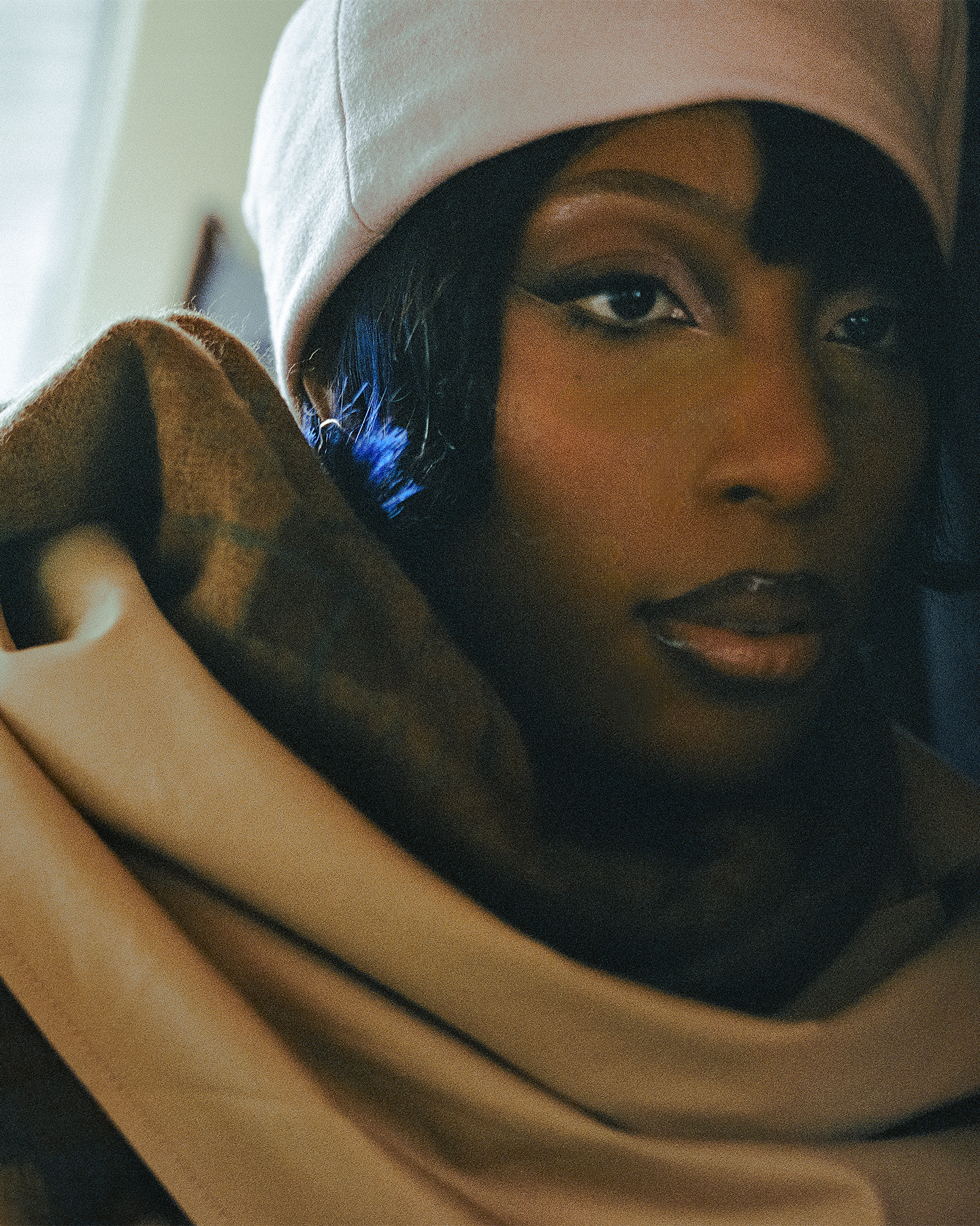
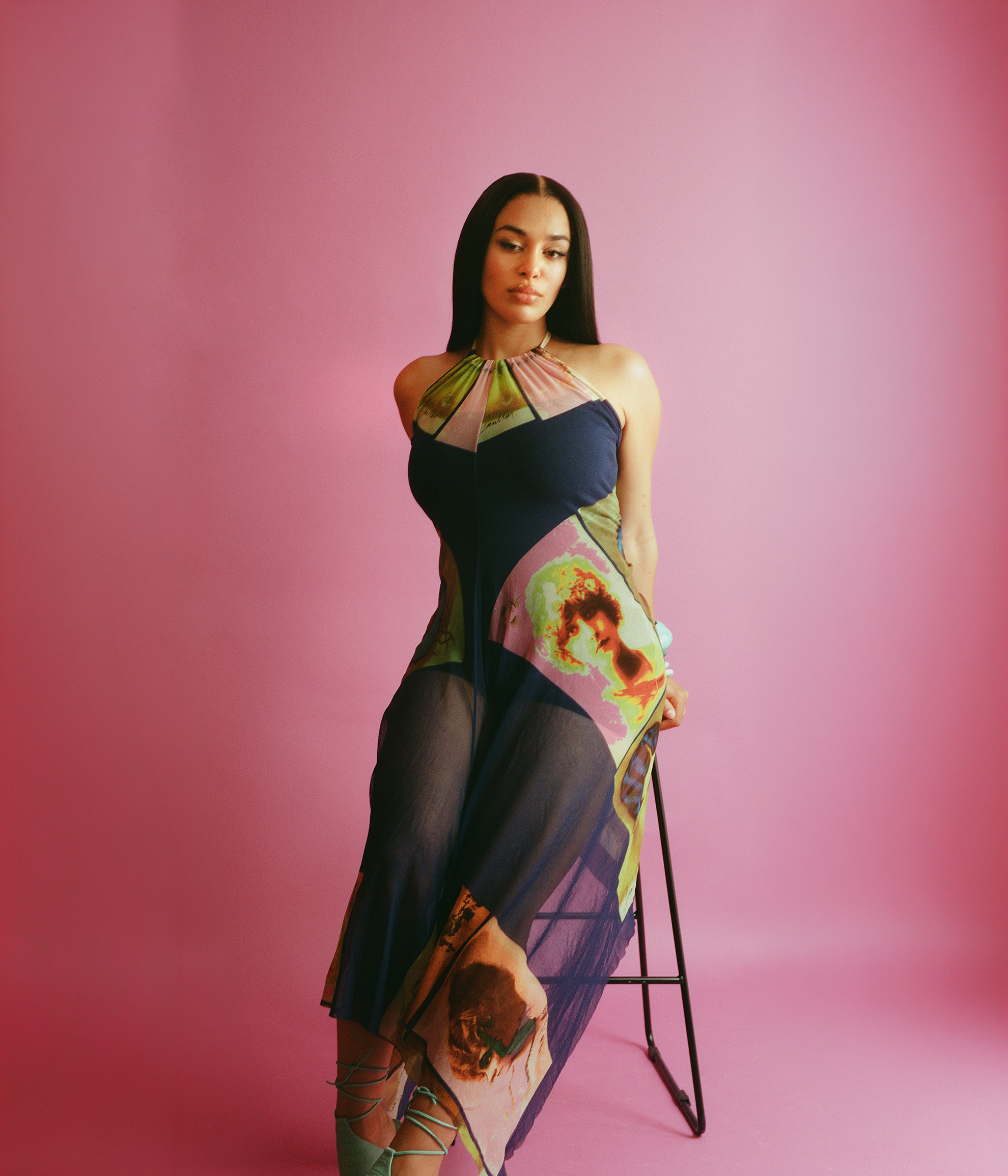
Courtesy of Demae. Photography by Erea Ferriero.
Demae and Erin Corrian-Alexis
An Artist and Her Creative Director on Why Indie Labels Are Winning
By Bonnie Langedijk
The best creative partnerships rarely begin in boardrooms. They begin, if you're lucky, over doubles in Harlesden—the Trinidadian street food, not some corporate jargon. This is how Demae, the North West London singer whose new EP Deep Dive marks her most searching work yet, met Erin Corrian-Alexis, Head of Creative and Commissioning at FAMM, Jorja Smith's fiercely independent label, and co-founder of Working Studio a creative direction agency focused on artist development and forming uncompromising visual identities. The label’s co-founder Zubin Irani had spent four months insisting they'd click. He was right.
Both women grew up in a part of London that rarely gets its flowers—too far from the postcode cachet of East or South. But Harlesden shaped them: its community spirit, its vibrance. Now, as the music industry reckons with questions of ownership, AI, and who gets to control an artist's voice, their collaboration offers a quieter counter-narrative. Demae spent a month in Sweden with Little Dragon's Erik Bodin, waking at 6am to run, making music that moves from jazz-adjacent to divine R&B. Corrian-Alexis, also a painter, helped build the visual world around it. Here, they talk process, trust, and what it means to stay playful.
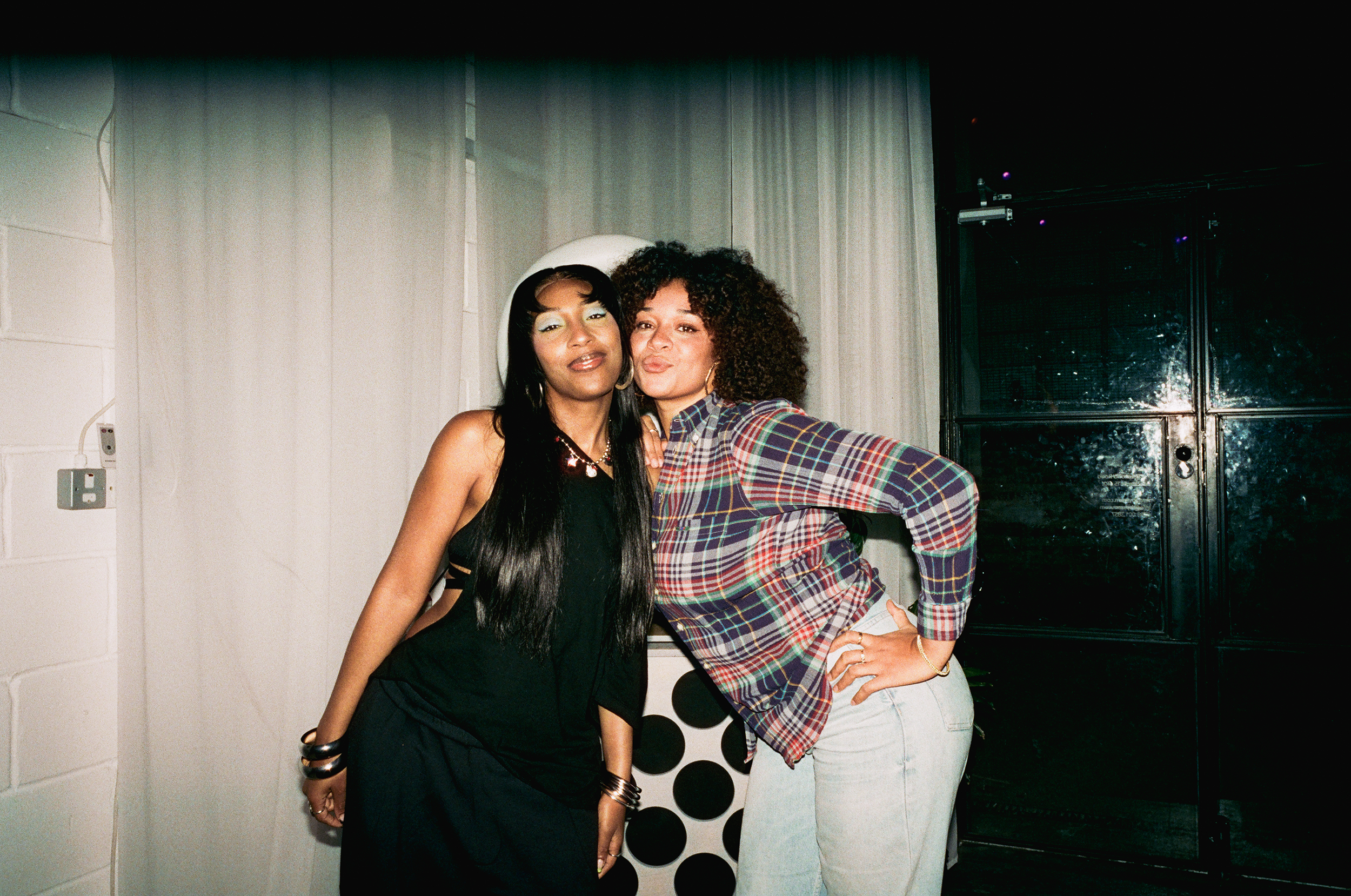
Demae and Erin Corrian-Alexis at Damae’s listening party. Photography by Erea Ferriero.
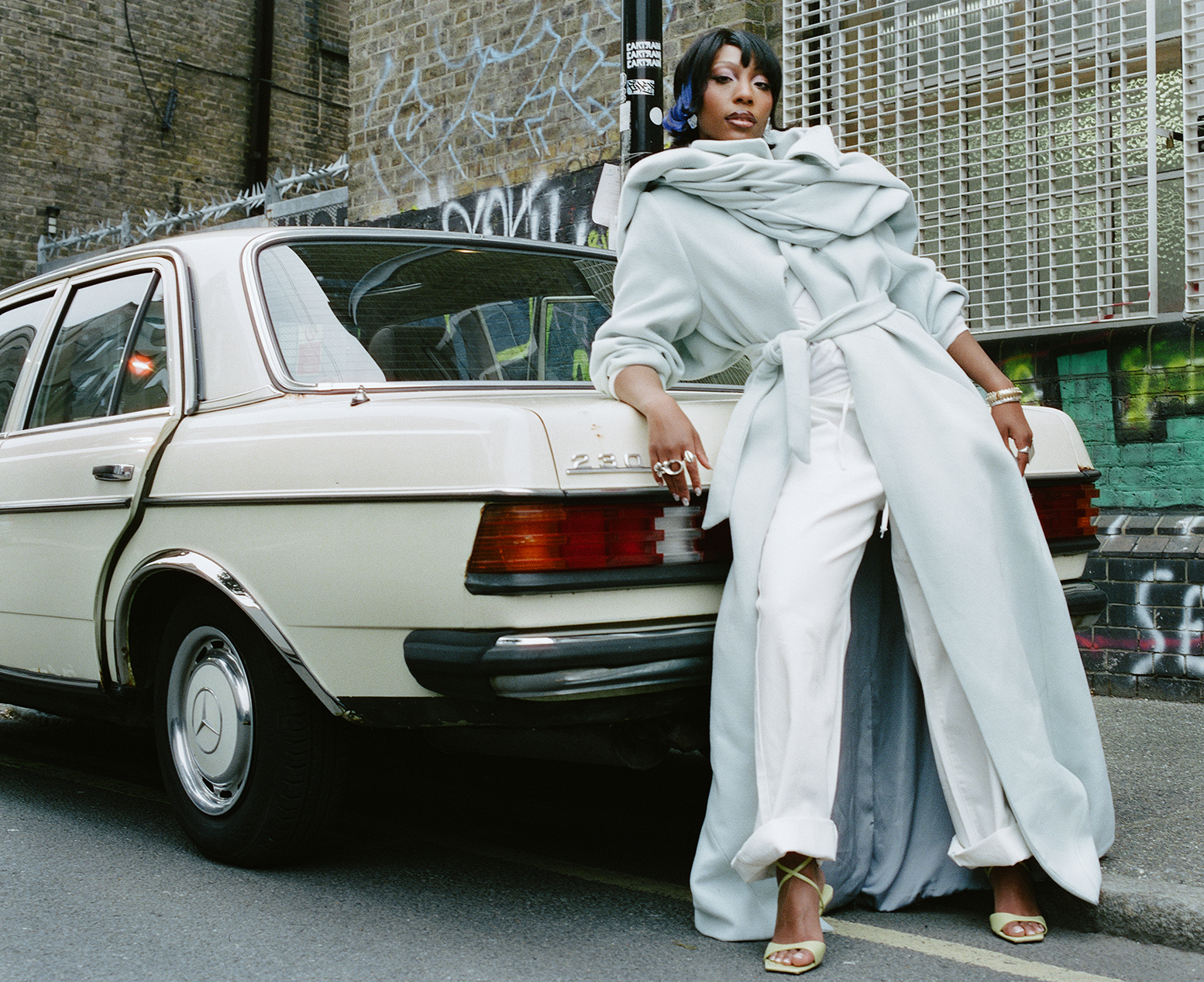
Courtesy of Demae. Photography by Erea Ferriero.
Bonnie: Tell me about how you work together—the creative direction, building image. How do you approach that?
Erin: FAMM is very artist-led. A couple of years ago, Zubin [Irani] and I were talking about expanding in terms of artist development—not just on the music side, but creatively. How can we delve deeper into understanding these artists? I put together these workshops, with questions to run through with artists to understand their artistry, their goals, what they want to do with it. We started running these workshops through Working Studio. Demae, myself, and Ivor Lawson-Adamah worked on a few together. It was us brainstorming, mapping things out, mood boarding. It helped us understand Demae's vision, but more than that, it helped us all get to know each other better. We have such a great working relationship, Demae is so creative and also so open and trusting in other people to help her expand her vision and build worlds.
Demae: We created a visual bible, we called it the Demae bible. It was really refreshing because it made me question everything. Why do we like an image like this? What is it about it—is it the shape, the color, the proportions? Diving that deep into everything made me feel like, okay, this is the direction I want to go in, this is what I like, this is why I like it. That's why now working with both of you, Ivor and Erin, it's really easy. We have a better understanding of each other. And I also feel like we're not afraid to get our hands dirty. We DIY a lot of things—
Erin: Maybe too much sometimes.
Demae: But it's really fun. On set, me and Erin have created looks, made wigs, done some really crazy set design stuff. It's cool to experiment and it always gives it a unique feel because no one else is going to have that—we've done it ourselves.
Erin: We've learned a lot together over the past few years. If you could describe a benefit of working with creative directors in one sentence, how would you put it?
Demae: It feels like the possibilities are endless when working with creative directors. It's refreshing to have someone or a team that supports the vision.
Erin: You know what I would say? The benefit is having people that are as devoted to a vision as you are. We try to always remember what you said in the beginning or along the way and refer back to it. Sometimes you need someone to stand there and remind you—hey, remember when you said that? This is what we're doing it for.
Demae: You're great at that.
“People understand more than ever now about the POWER you have as an artist—owning your own stuff is important. And creatively, at major labels there was no opportunity to really be creative. I lost my creative voice.”
Bonnie: Why do you think so many artists are either signing with labels started by other artists, or just publishing their own music?
Demae: People understand more than ever now about the power you have as an artist—owning your own stuff is important. And creatively, at major labels there was no opportunity to really be creative. I lost my creative voice. I was told I had to fit into this box. Whereas now, a lot of people have the resources with the internet and publishing deals and indie labels. There's just other ways, and if you can do it that way, why not? I was signed by a major when I was like 19, 20, and I had a horrible experience. So it was refreshing to really have that time to have artist development and people who really care about what you want to say.
Erin: Sometimes I forget that you've really been out here and that speaks to your experience. How has your approach to releasing music developed from when you first started?
Demae: I haven't completely found it, but I'm definitely more self-assured now. I'm trusting myself more, trusting my ideas, and I'm enjoying the process. I used to hate the process of creating and making music, but recently I've been in a space where I'm enjoying literally every single part of it. From the writing, to the mental blocks, to just going outside and living and having experiences with you guys, to creating the visual world, and then the last part—letting the music have a new life and seeing my music through new eyes with what people tell me about it. I'm definitely feeling more at peace with whatever happens. I used to build this idea in my head of what I wanted, but now I just go with the wave.
Erin: Obviously we get to know you through the process, but we're only really locked in for part three. You're living the life, making the music. You come to us down the line when you've got something you're ready to share. Then we have this three-month-long process, sometimes longer, of getting the creative out, working on the videos, thinking about marketing. How do you stay excited—not only at the creative point, but even afterward? How do you keep that glint in your eye about a project you've been listening to over and over again for a year?
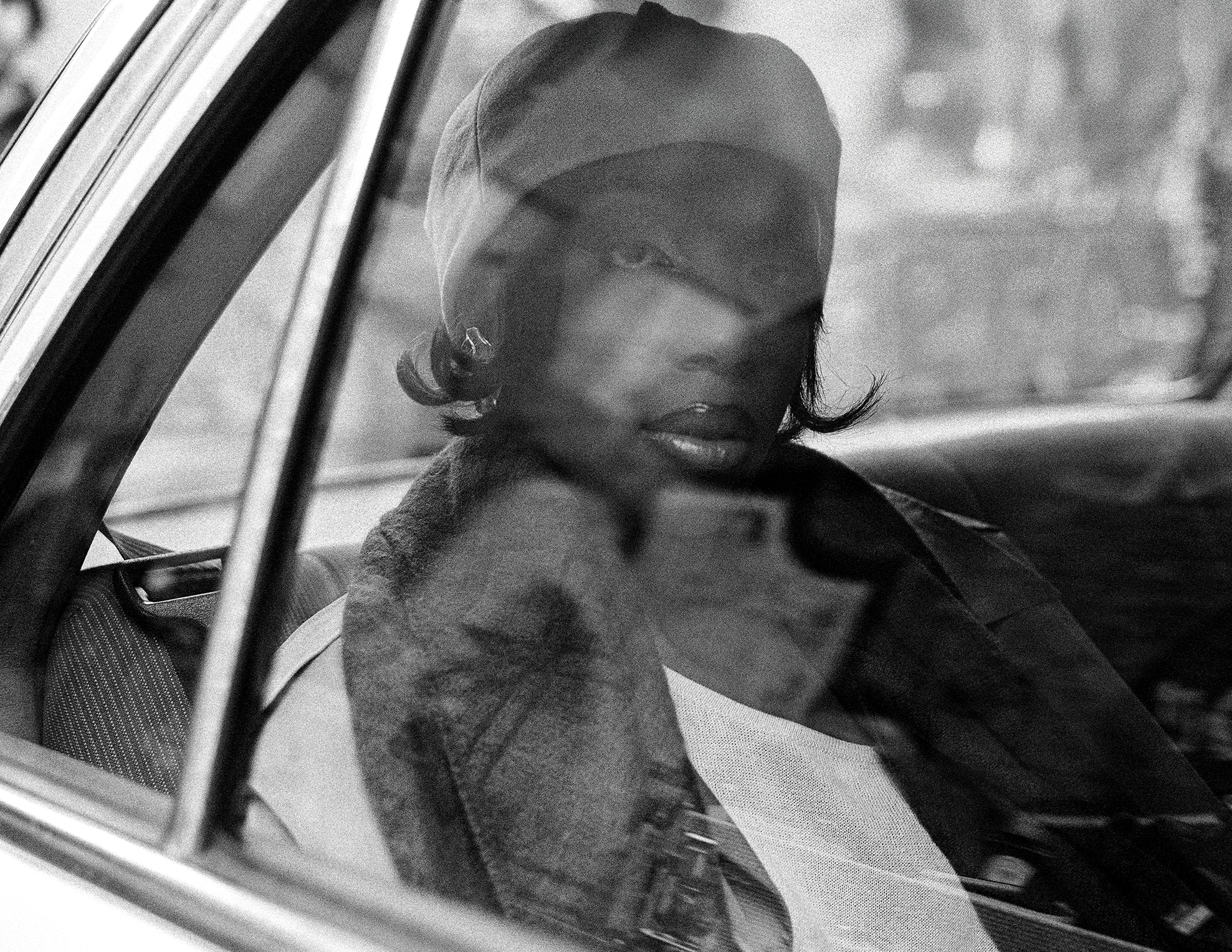
Courtesy of Demae. Photography by Erea Ferriero.
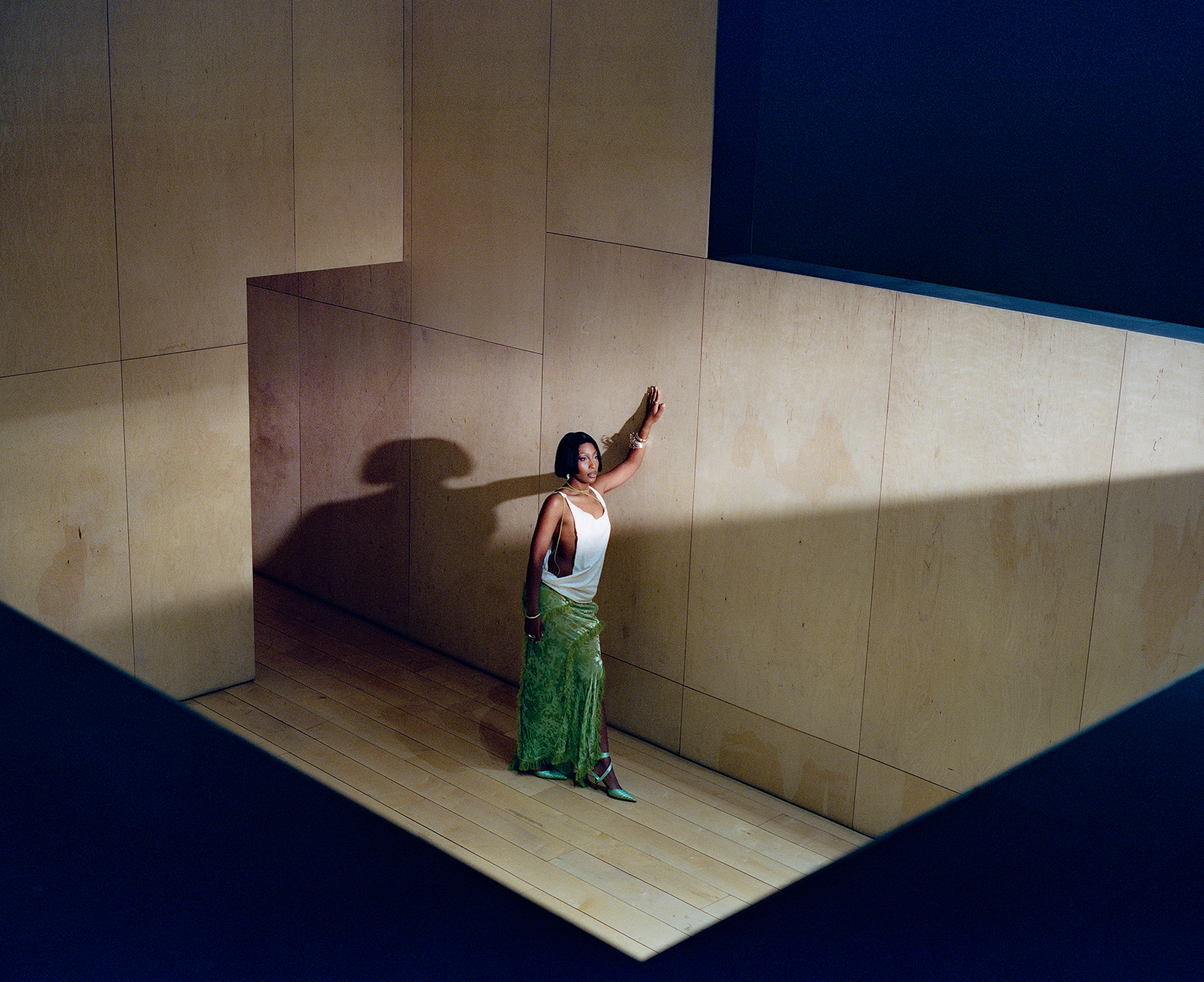
Courtesy of Demae. Photography by Erea Ferriero.
Demae: It's weird. Once you release music, it's new again. You've had it for this time, nobody else has heard it, you get a little bit bored of it—but then once it's out, it's not yours anymore, it's everybody else's. Performing and touring is a different approach too. You're not in a studio, you're with an audience, there's a whole crowd interaction and energy which feels crazy. People might know the lyrics and might have connected with the song. Releasing actually feels spiritual in a way.
Erin: A rebirth.
Demae: A rebirth. When working on visuals for artists, where's your favorite place to start?
Erin: For me, it’s a listening session. Do you ever feel awkward playing your music for people?
Demae: Yes.
Erin: Everyone's always sitting there in a room, nodding their head, trying to avoid eye contact. But I do think it's really great to run through a full project with you, in whatever order you intend it to be, then hear your opinion on what you think is a single, what needs a visual, and speak through the motivations for writing the song—how you feel about it and where you'd want it to go.
Demae: But do you ever hear the music and feel like, oh, we need to do a visual for this song, or do you always let the artist make those decisions?
Erin: The very beginning is where you have more room to overstep and make suggestions. Down the line you've got to hold your opinions more to yourself. One of the beautiful things about FAMM is that everyone steps into each other's departments and gives an opinion. The floor's always open.
Demae: I love that about FAMM. I don't really feel like there's any hierarchy. Speaking of listening and artists sharing their music, I'm actually having a listening party in two weeks. It's my first one ever and I'm freaking out because I've never listened to my music with other people. I don't even share my music with my parents until it's out in the world. It's only you guys that hear my music.
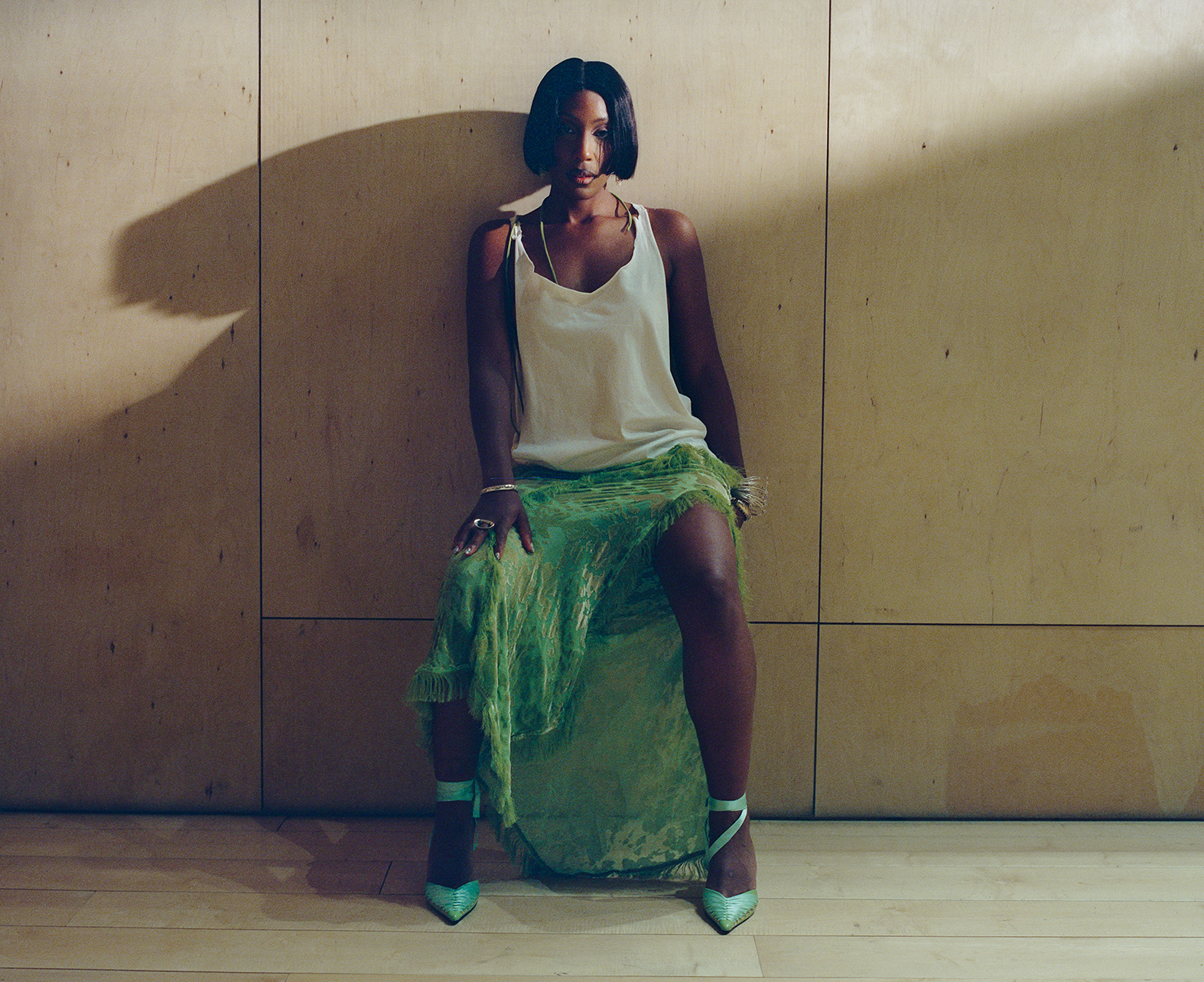
Courtesy of Demae. Photography by Erea Ferriero.
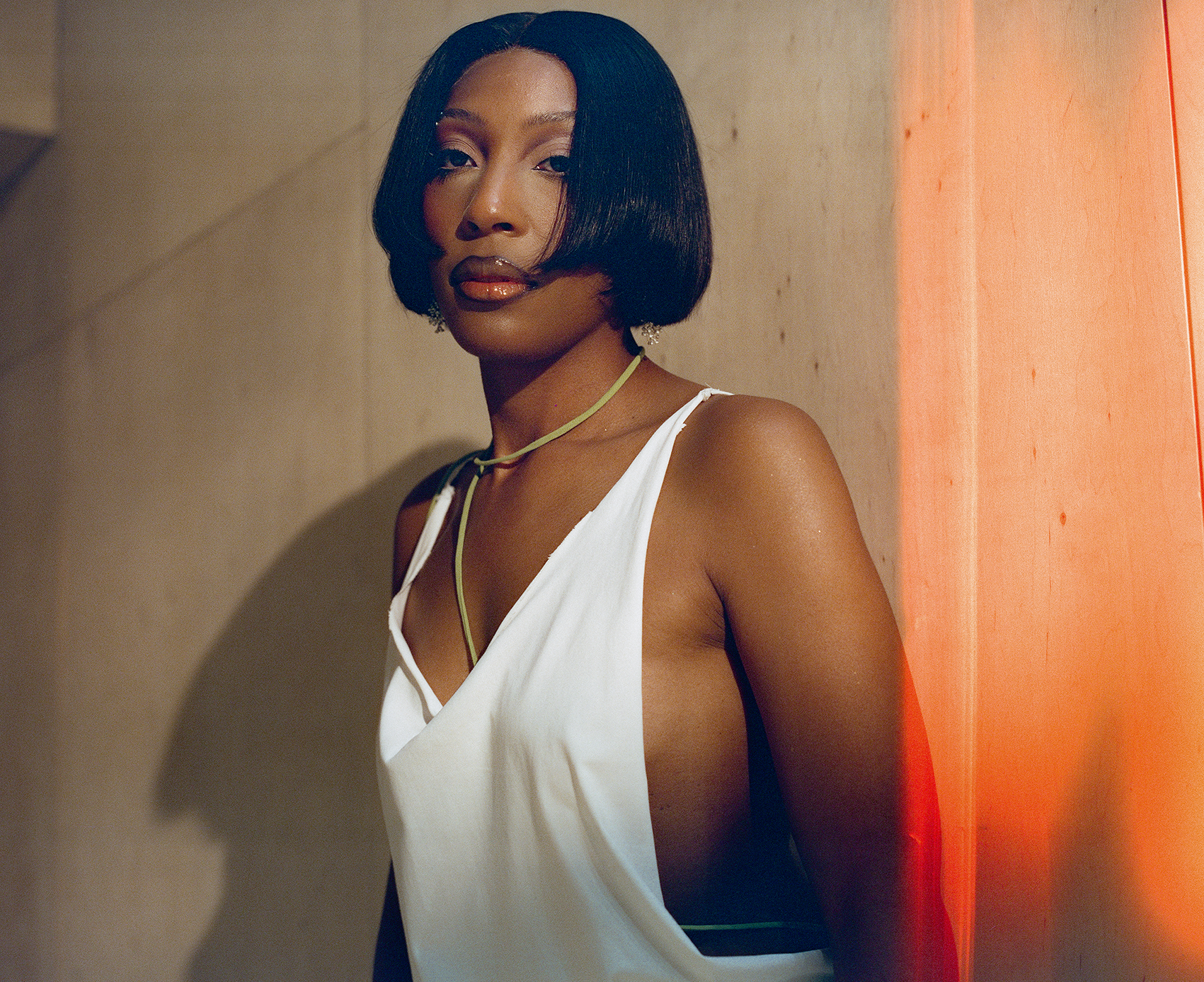
Courtesy of Demae. Photography by Erea Ferriero.
Erin: My favorite part of listening with an artist is when they talk you through the songs. I love when that context is added. It's a moment for these people who are there for you to hear you. It's unique. No one else is going to get that experience.
Demae: I love that too. When I listen to interviews with my favorite artists, that's what I look forward to. But when it comes to me, it feels different.
Erin: I wonder if we need to provide context—have a little video of you in Sweden or something to explain where you were. That way, they get to see you at the beginning versus you at the end.
Demae: We've got loads of footage. It’s funny because I went to Sweden not knowing what I was going to come back with. It's the first time I stayed for a long period of time to record something. I was in a bubble, which was really cool. I stayed in the studio, I stayed in the flat downstairs. The guy I was working with from Little Dragon would wake me up at 6:00 AM, we would go for a run, and I’m not the running type. So jog, then work on music, have dinner, then do it all over again. That was my life for a month.
Bonnie: When you're creating something, are you ever thinking about the outcome?
Demae: Sometimes I do think about the outcome, but whenever I do, it's the worst because I get so in my head. The best space for me to create within is going in blind and just feeling what I feel. That's why Sweden was so good—I was in the bubble, making music and having fun. That's the first time I really got to be very playful and childlike. You make the best stuff when you can tap into your inner child.
Erin: For me it's a bit different—I'm thinking about the deliverables at a certain point. But that's only when we get to shooting. Demae is a beast on camera by the way. The shy girl is nowhere to be found. During the earlier stages, the process is just really beautiful. Looking back on the projects we've done together, the process is the fun part. And having a great time doesn't always equal fun—just a great time in terms of being like, "Wow, this looks sick." We're really lucky that we get this fabulous outcome every time, but a lot of the time when I look at my favorite videos, the process is a big part of why I like it.
This interview has been edited and condensed for clarity.
Shaniqwa Jarvis on why photographs are beautiful liars, grief as a portal, and the moment she found her whole practice hiding in a childhood snapshot.