Have We Turned Exercise into Identity?
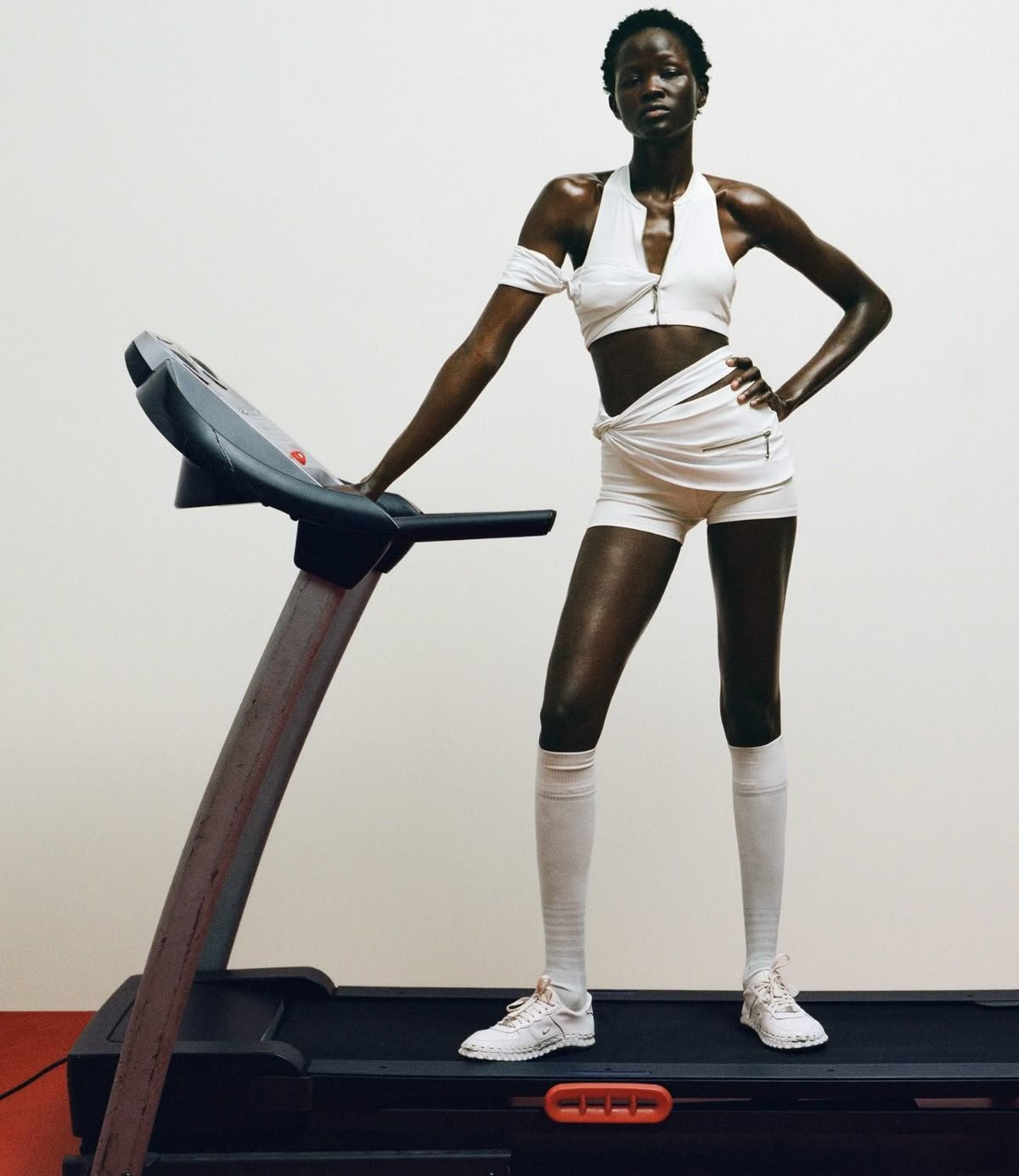
Courtesy of Jacquemus
Have We Turned Exercise into Identity?
with Marsha Lindsay, Johanna Engvall and Élodie Ouédraogo
By HURS Team
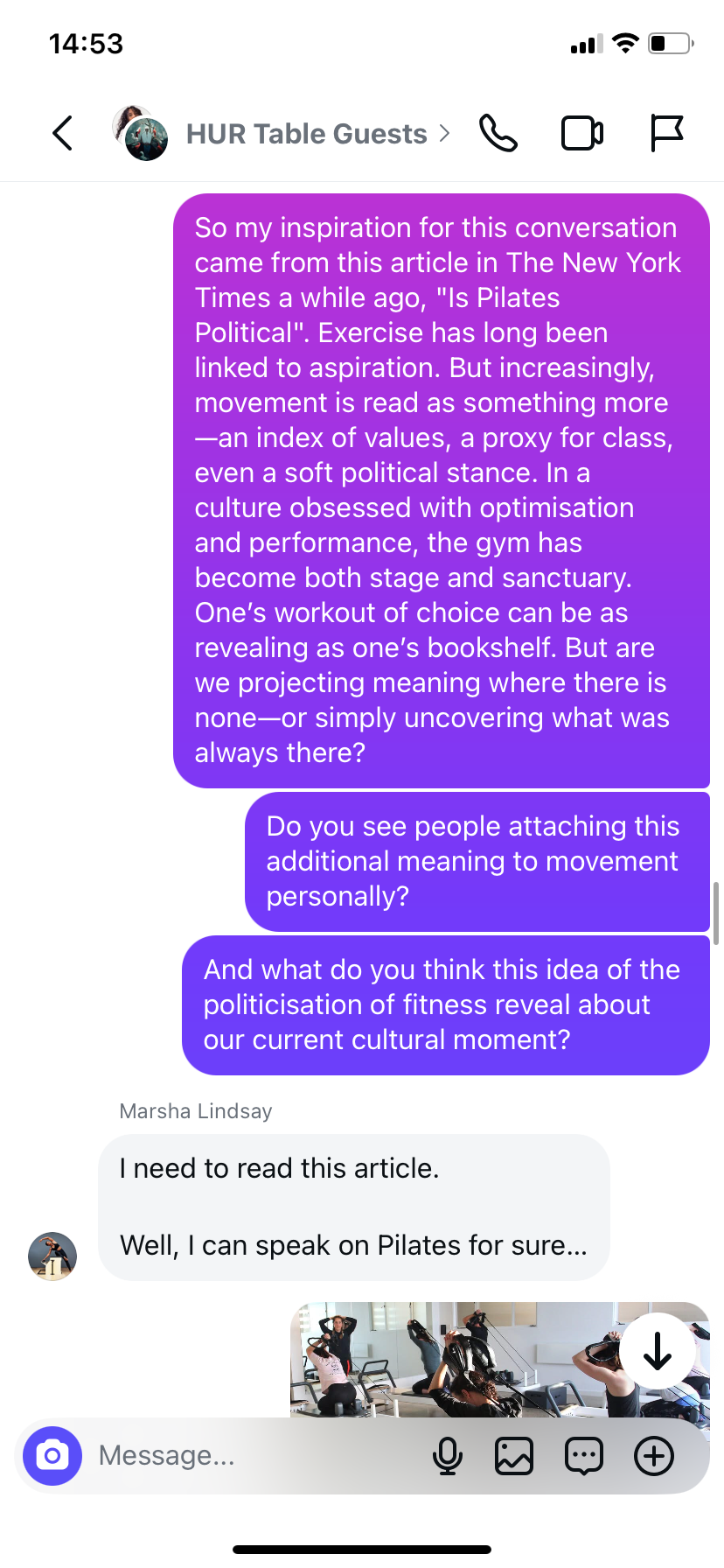
Exercise has long been linked to aspiration. But increasingly, movement is read as something more—an index of values, a proxy for class, even a soft political stance. In a culture obsessed with optimisation and performance, the gym has become both stage and sanctuary. One's workout of choice can be as revealing as one's bookshelf. But are we projecting meaning where there is none—or simply uncovering what was always there?
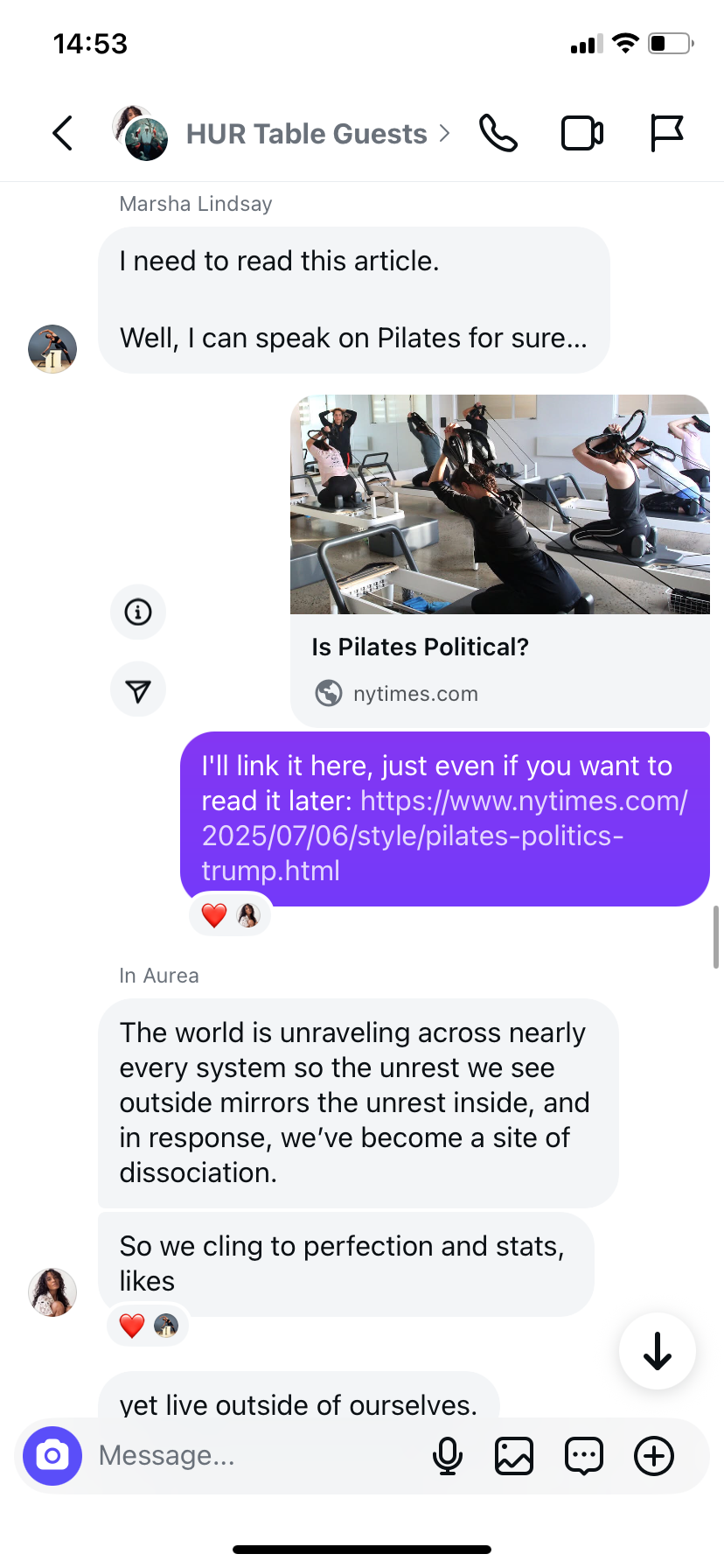
In spring 2025, a fitness influencer ignited millions of views by drawing a line between Pilates and Trump-era conservatism. Her argument: body ideals swing with political tides—slender, feminine frames during conservative periods, muscular builds during feminist waves. The backlash was immediate, but the conversation revealed something uncomfortable.
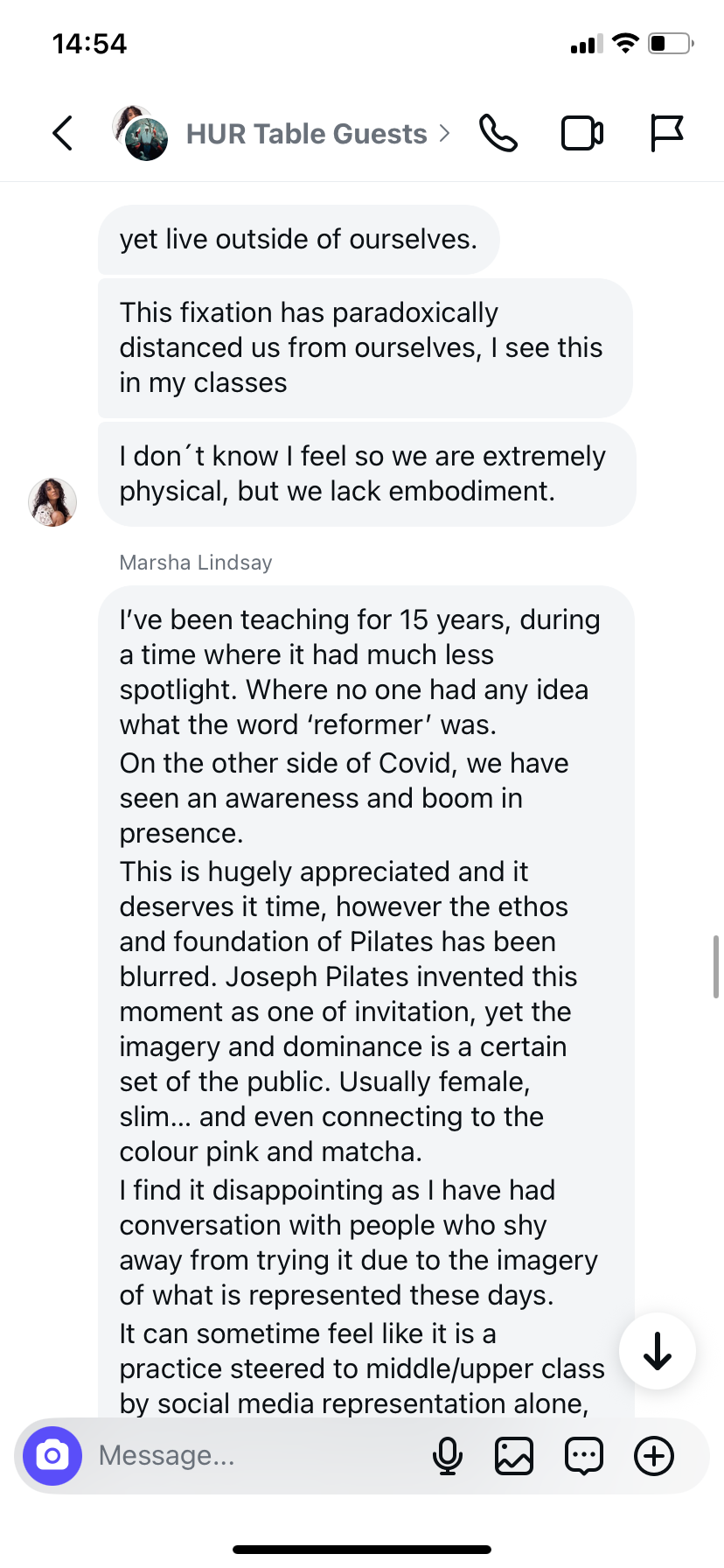
The language around fitness has shifted too. We no longer simply "exercise"—we "train," we "optimize," we "invest in ourselves." Rest days become "active recovery." The body is perpetually a project, never quite finished, always capable of improvement. The boutique studio with its £200 classes speaks differently than the council leisure centre. The ultramarathon runner carries different connotations than someone doing home workouts on YouTube. These distinctions are woven through with assumptions about discipline, privilege, and who deserves to occupy space.
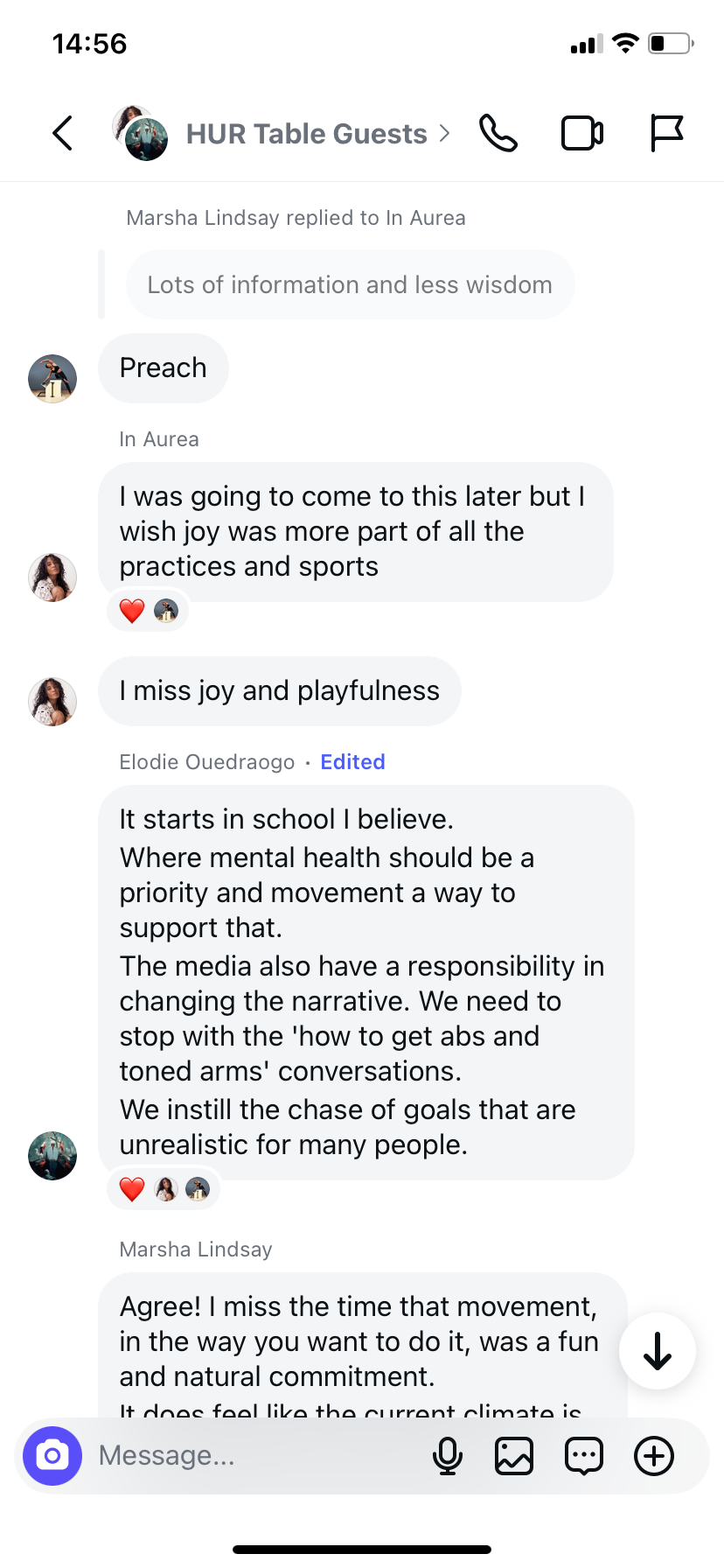
And yet, beneath all this self-surveillance, something else persists: the primal pleasure of movement, the clarity that comes after exertion, the strange democracy of shared effort. What does the politicisation of fitness reveal about our current cultural moment? How do class, gender, and race intersect with our ideas of health and movement? Is the joy of physical exertion still accessible in a world of social signifiers? Can the act of working out return to being communal rather than coded?
We asked three experts for their take.
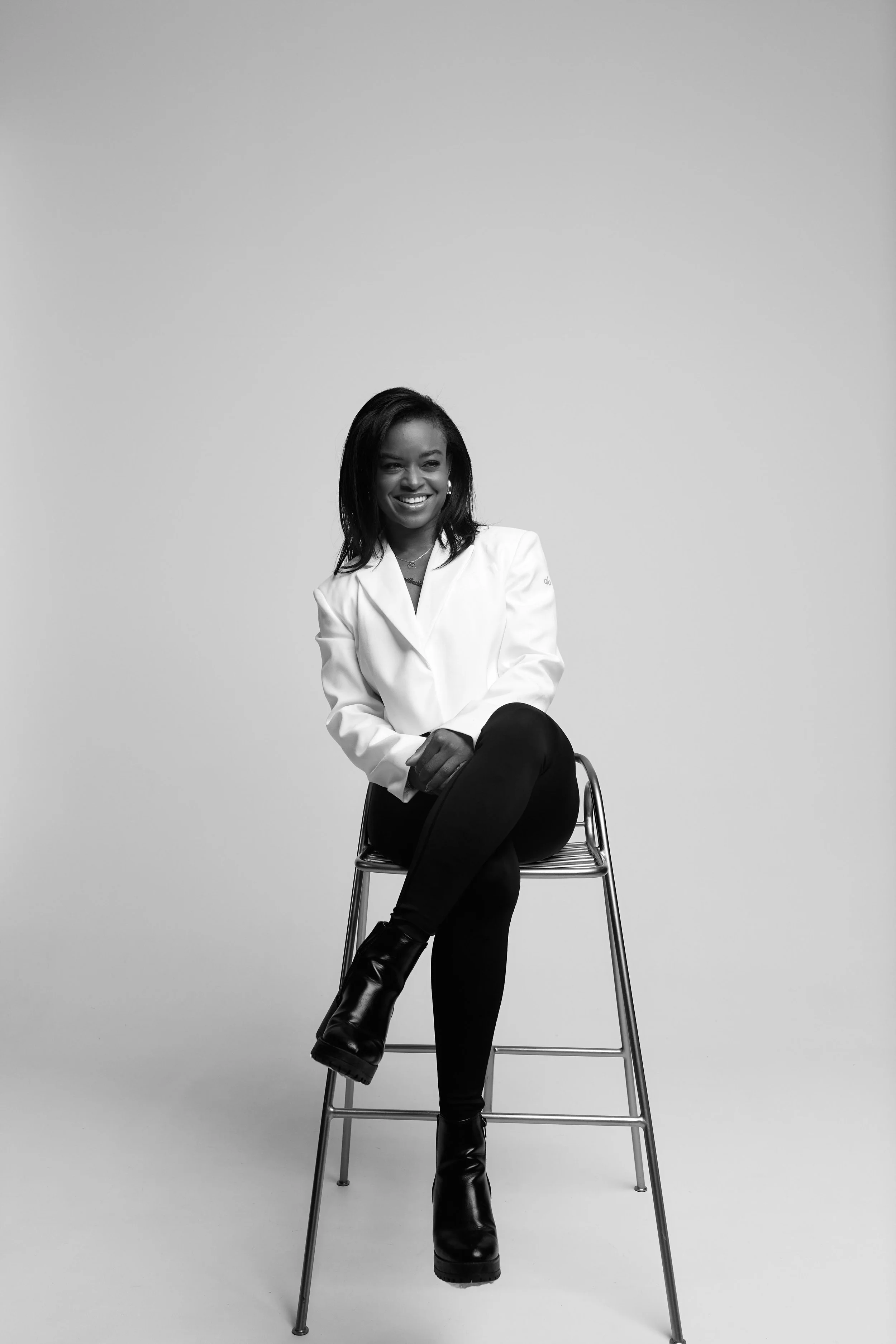
MARSHA LINDSDAY
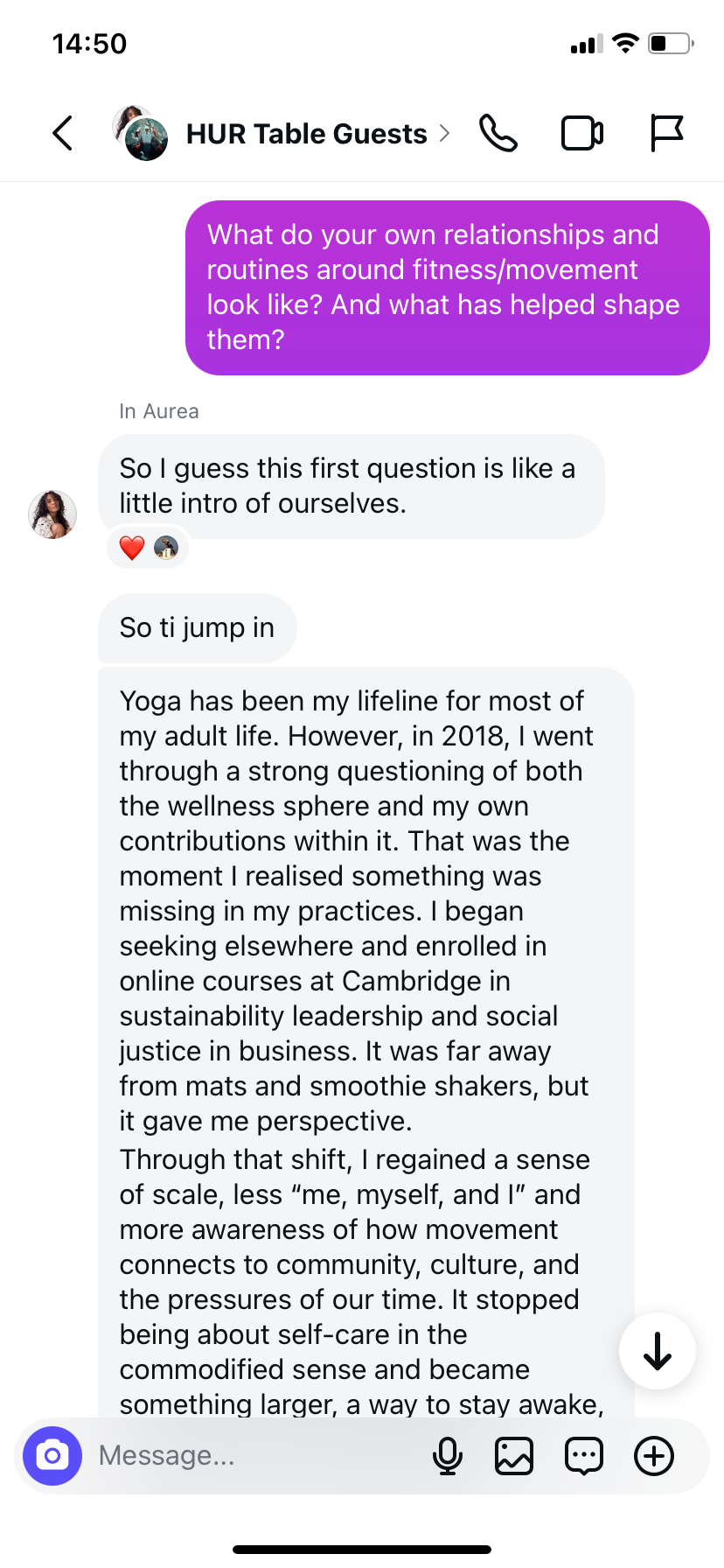
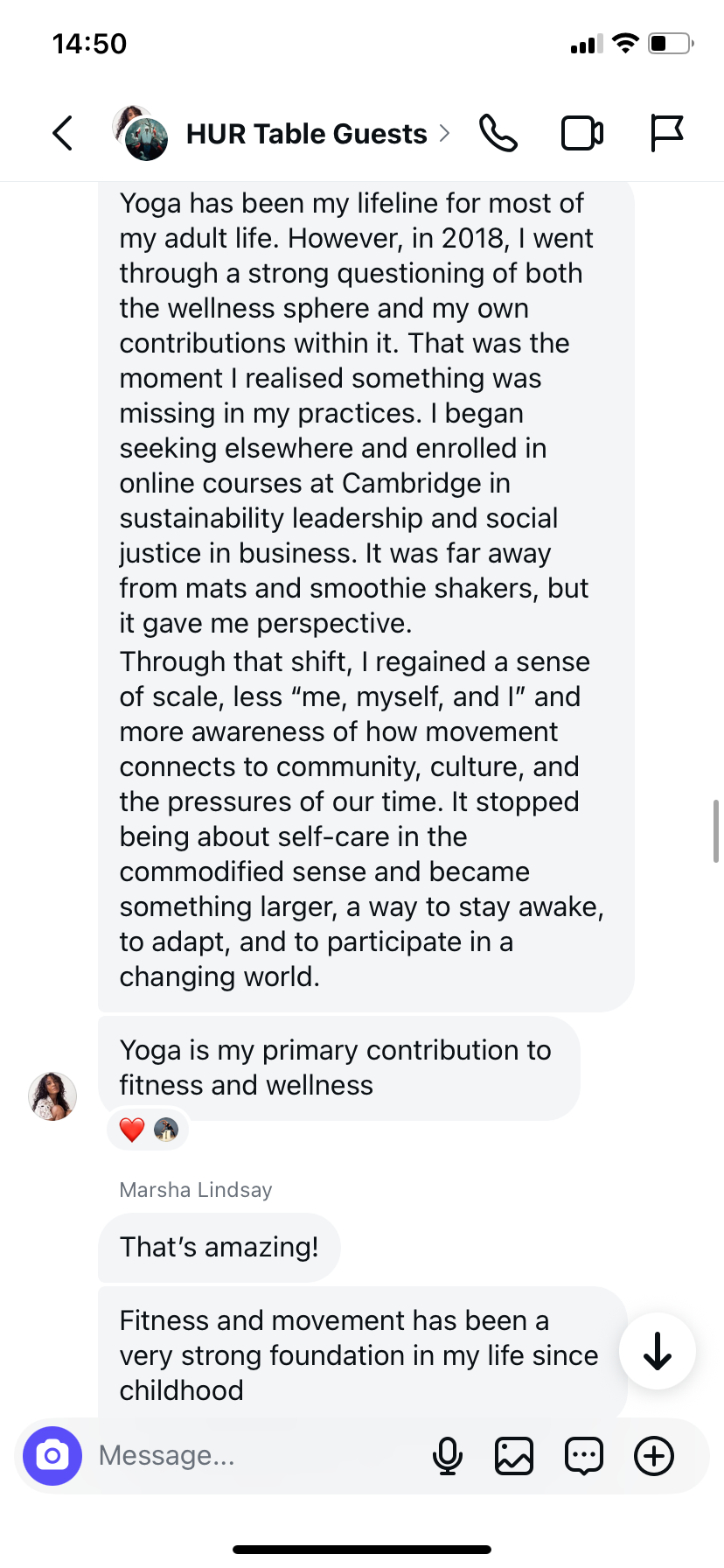
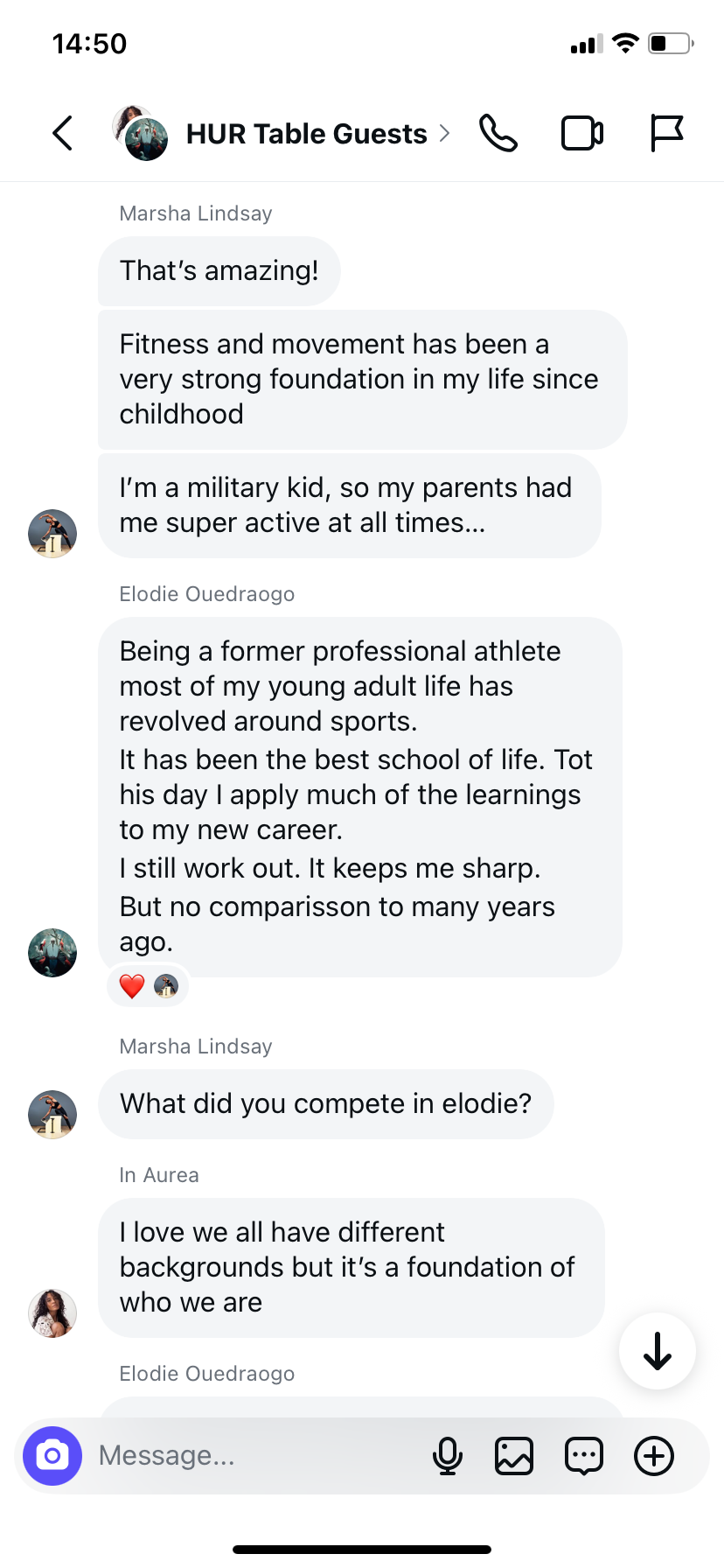
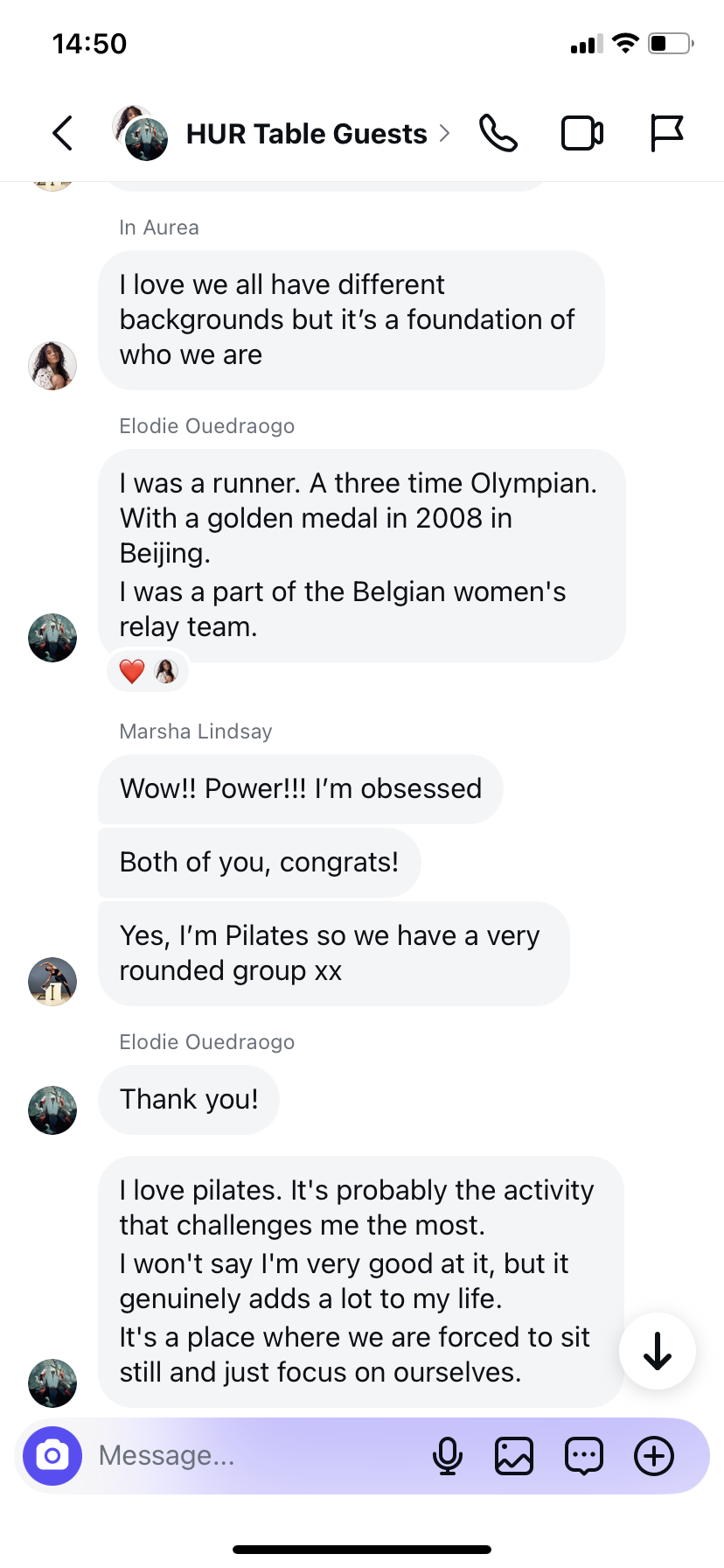
Marsha Lindsay is the Founder and Director of Nobu Pilates, known for her intellectual approach to movement and her ability to elevate Pilates beyond its traditional confines. With a background that fuses performance, business acumen, and brand vision, she has established Nobu Pilates as both a luxury destination and a philosophy of modern wellbeing. Her refined aesthetic and discerning cultural sensibility have positioned her as one of the most credible figures in contemporary Pilates, with a clientele that includes Alec Maxwell, Emma Thynn, Harris Reed, and Maya Jama, alongside collaborations with leading global brands.
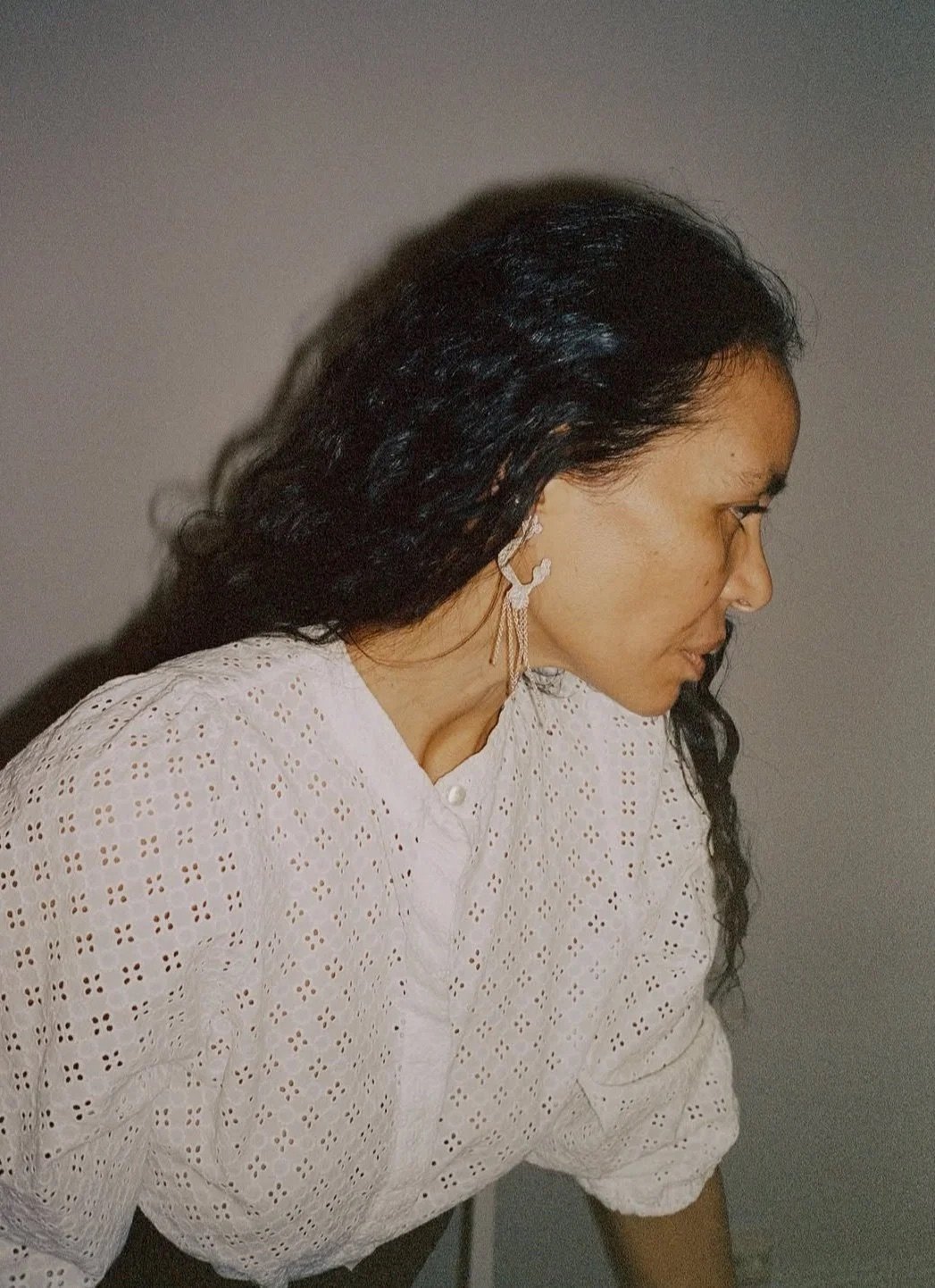
JOHANNA ENGVALL
Johanna Engvall is a writer, creative consultant, culinary artist, and yoga teacher who creates work that nourishes—on the page, at the table, and in the mind. Her path spans beauty, fashion, wellness, and the culinary arts, shaping projects where process and purpose hold equal weight. Guided by stillness and cross-disciplinary curiosity, Johanna blends lived experience with research, connecting unseen threads between past and present. She nurtures ideas with the same care she brings to her recipes—crafting work that outlasts trends and favors contribution over display. She manages editorial direction for Faith, Love & Hope magazine, serves as culinary artist for neoNutritions®, and is a longtime consultant to Swedish fragrance house Björk and Berries. Her purpose project, Food for Thought—co-created with Charlotte Manning—explores the intersections of food, movement, storytelling, and collective inquiry in retreat settings.
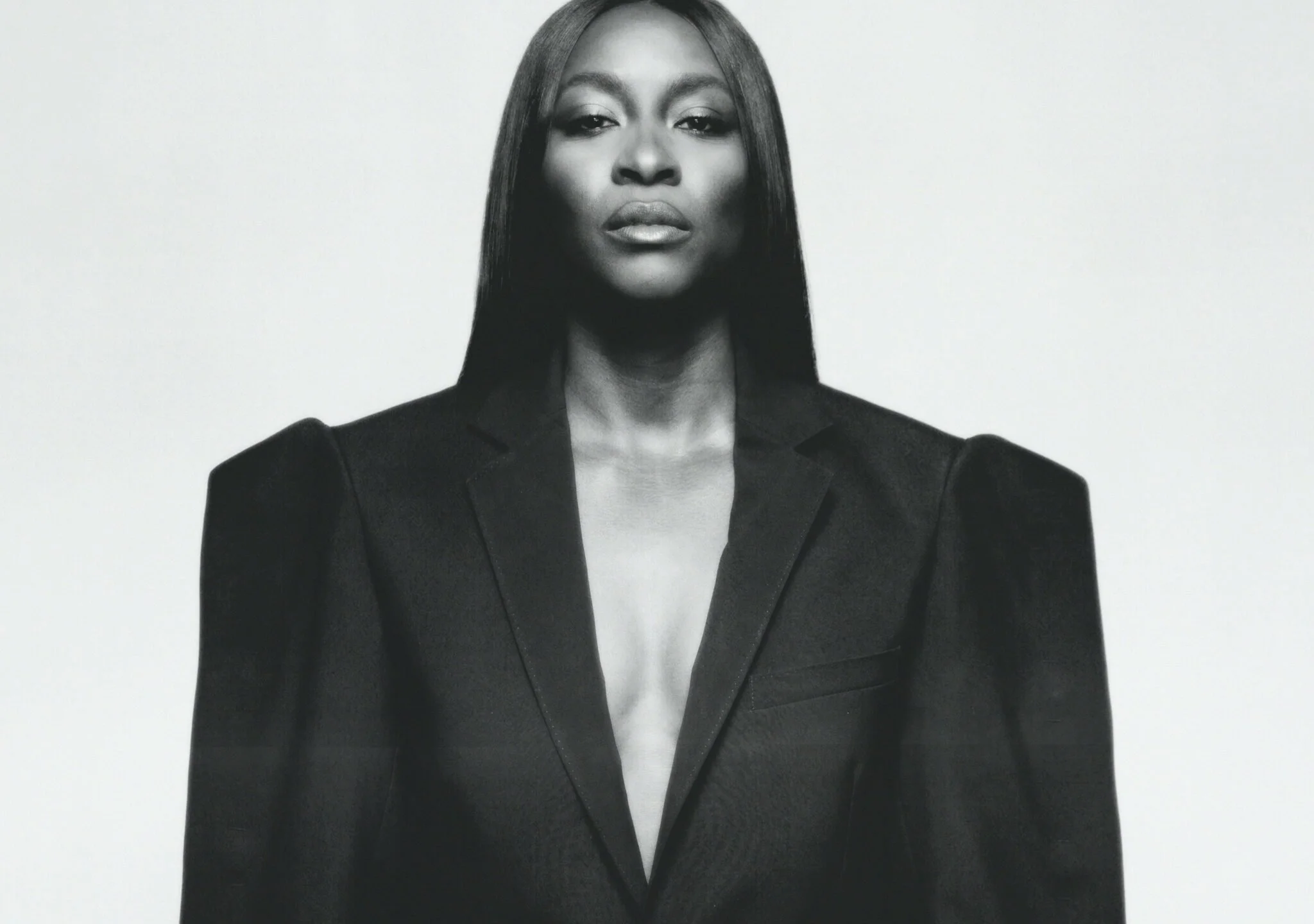
ÉLODIE OUÉDRAOGO
Élodie Ouédraogo is a former Olympic Gold Medalist and the Fashion Director of ELLE Belgium. Her career spans sport, media, and design. After retiring from professional sprinting, she co-founded the sustainable activewear label UNRUN, translating the discipline of athletics into a study of form, movement, and contemporary femininity. At ELLE, she curates fashion through a cultural lens—exploring how style, performance, and identity intersect.
RELATIONSHIPS AND ROUTINES AROUND FITNESS

ATTACHING ADDITIONAL MEANING

THE CONNECTION BETWEEN BODY AND MIND

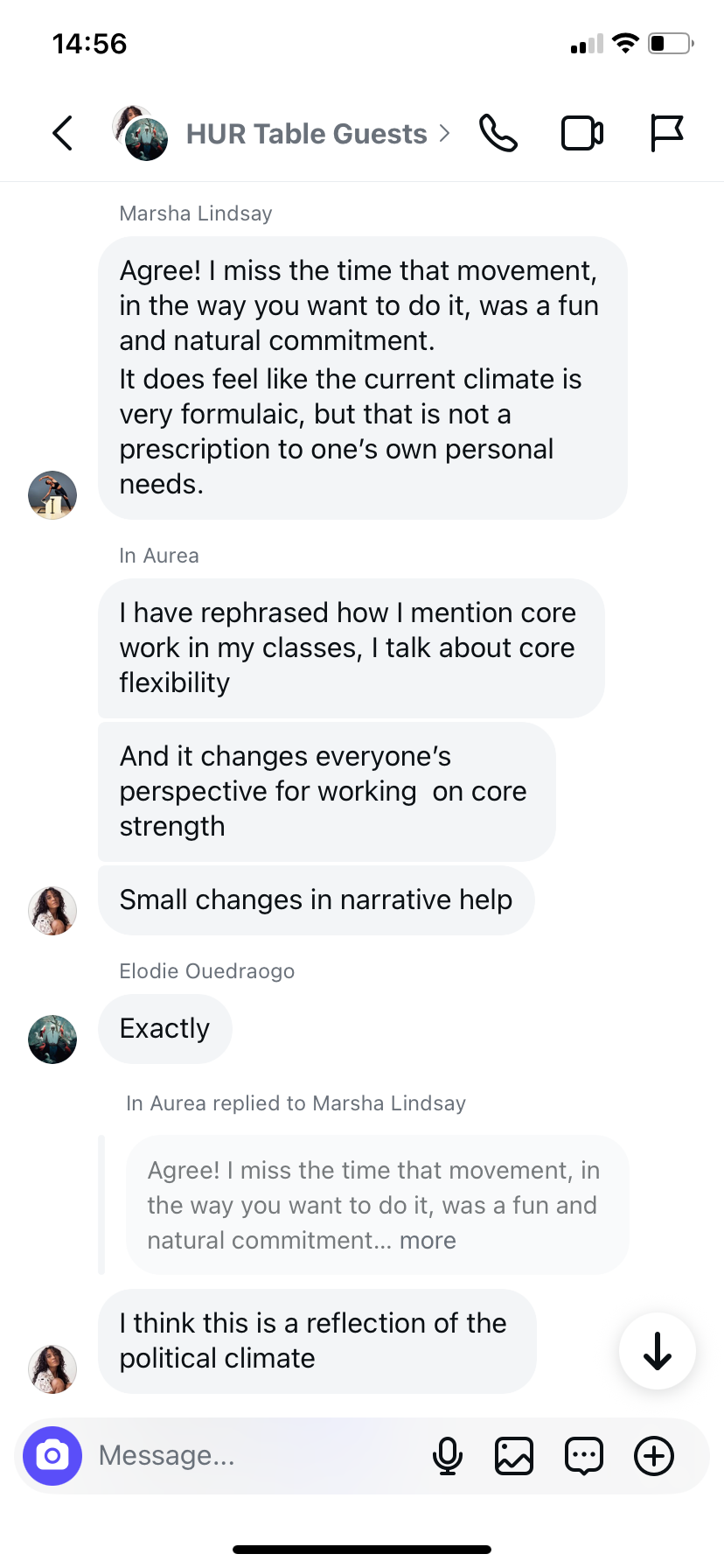
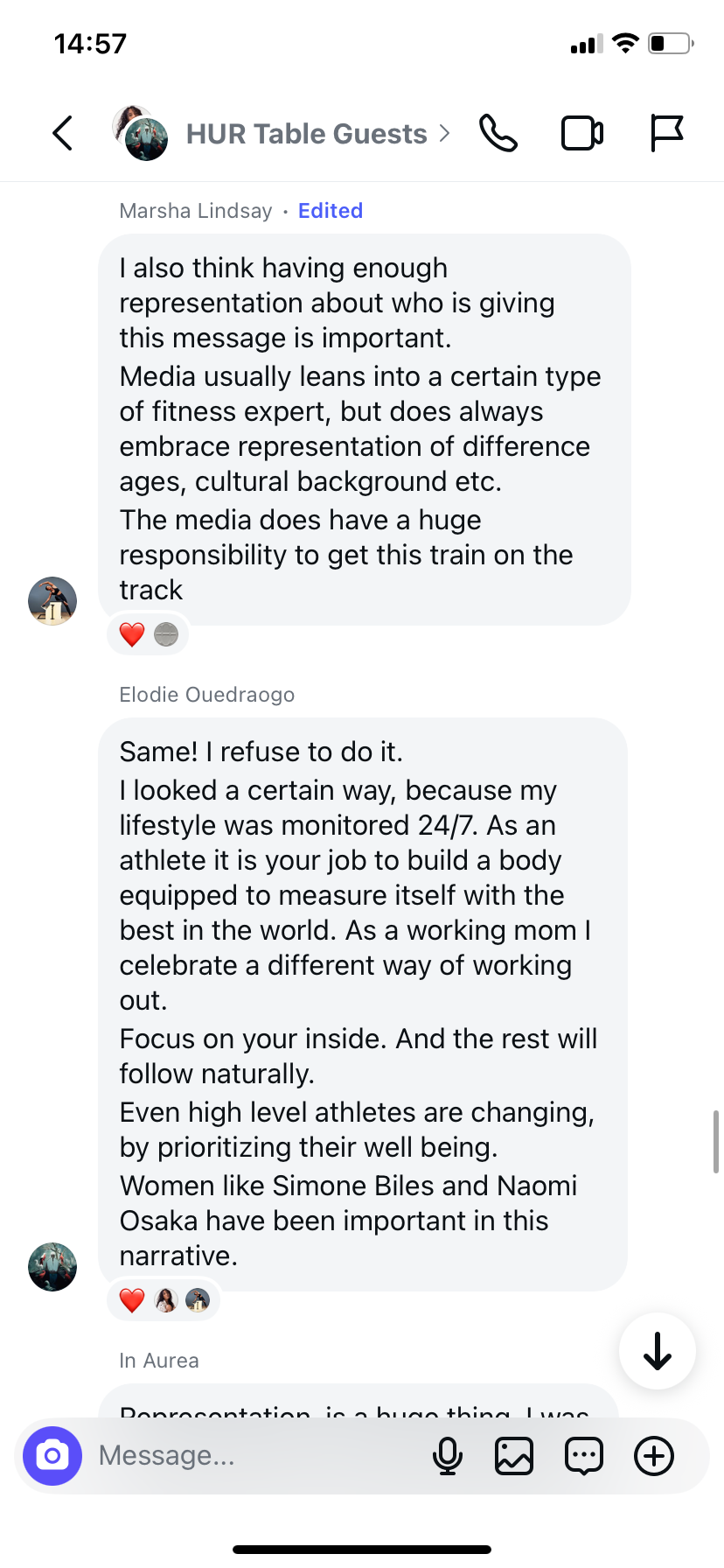
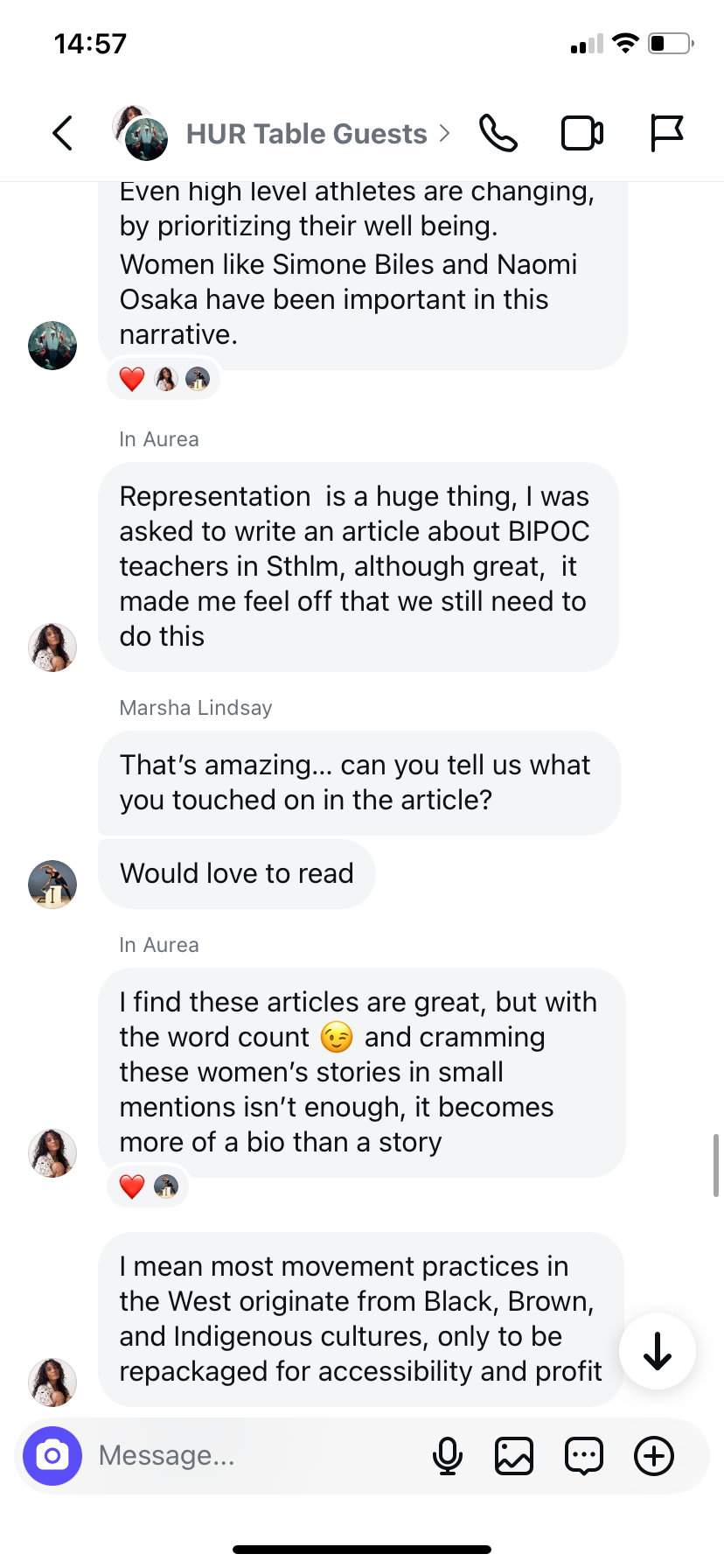
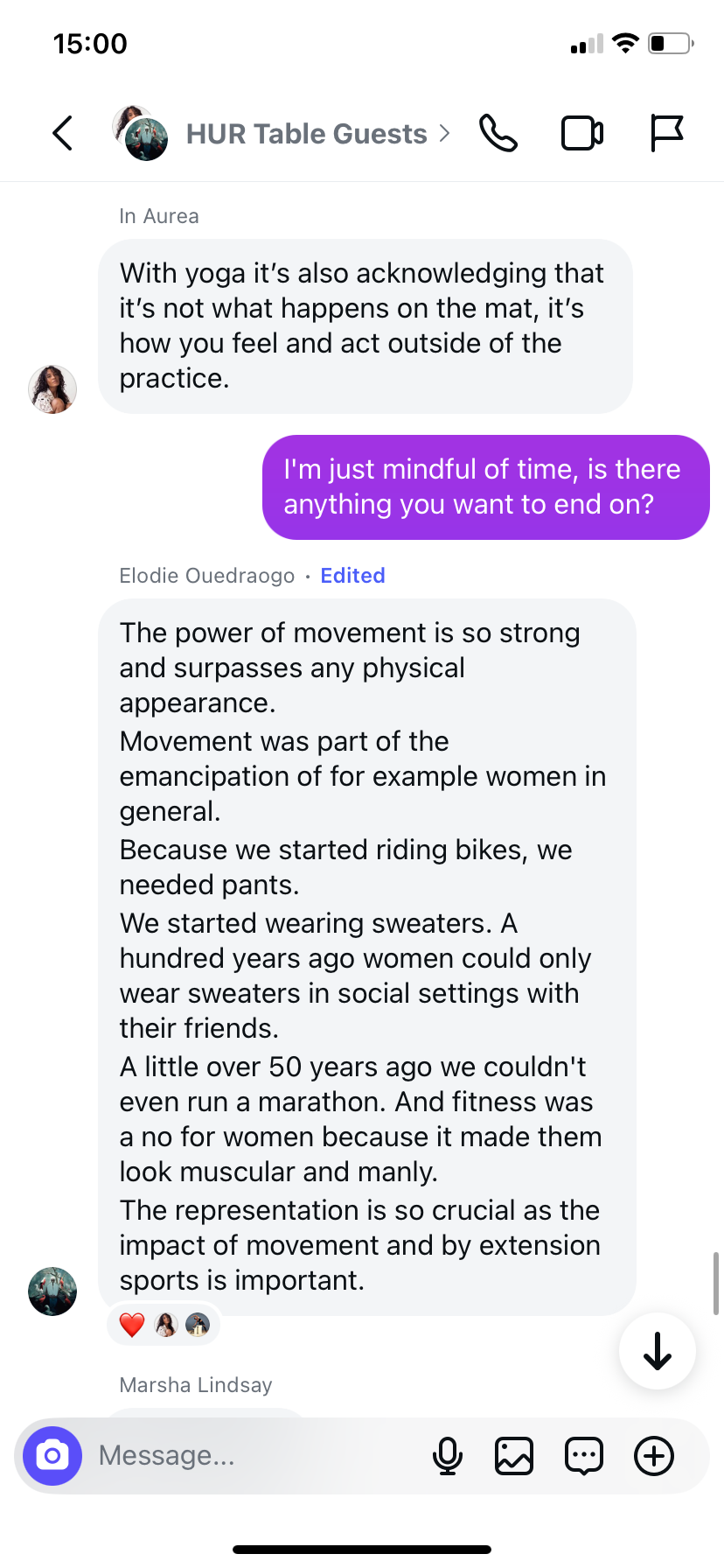
THE IMPORTANCE OF REPRESENTATION AND MESSAGING
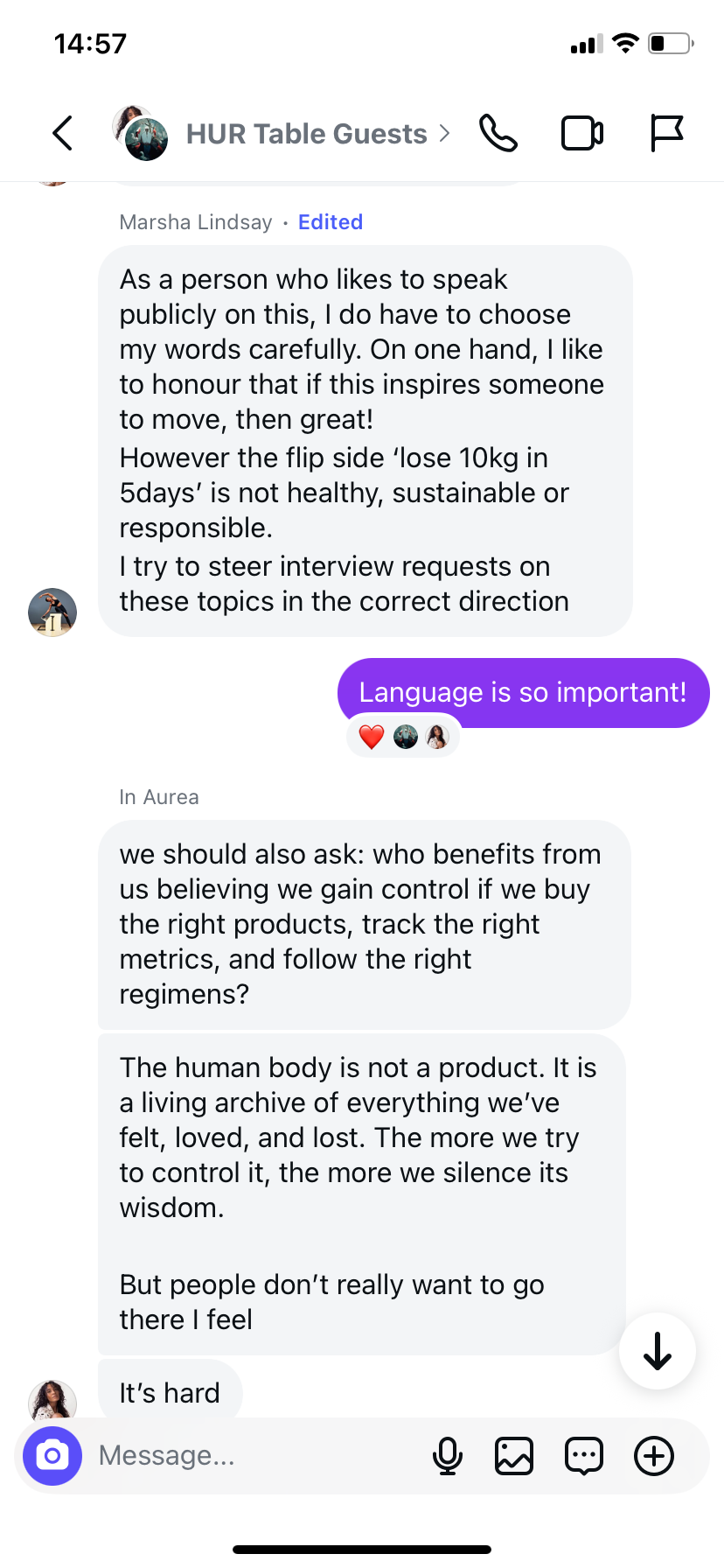
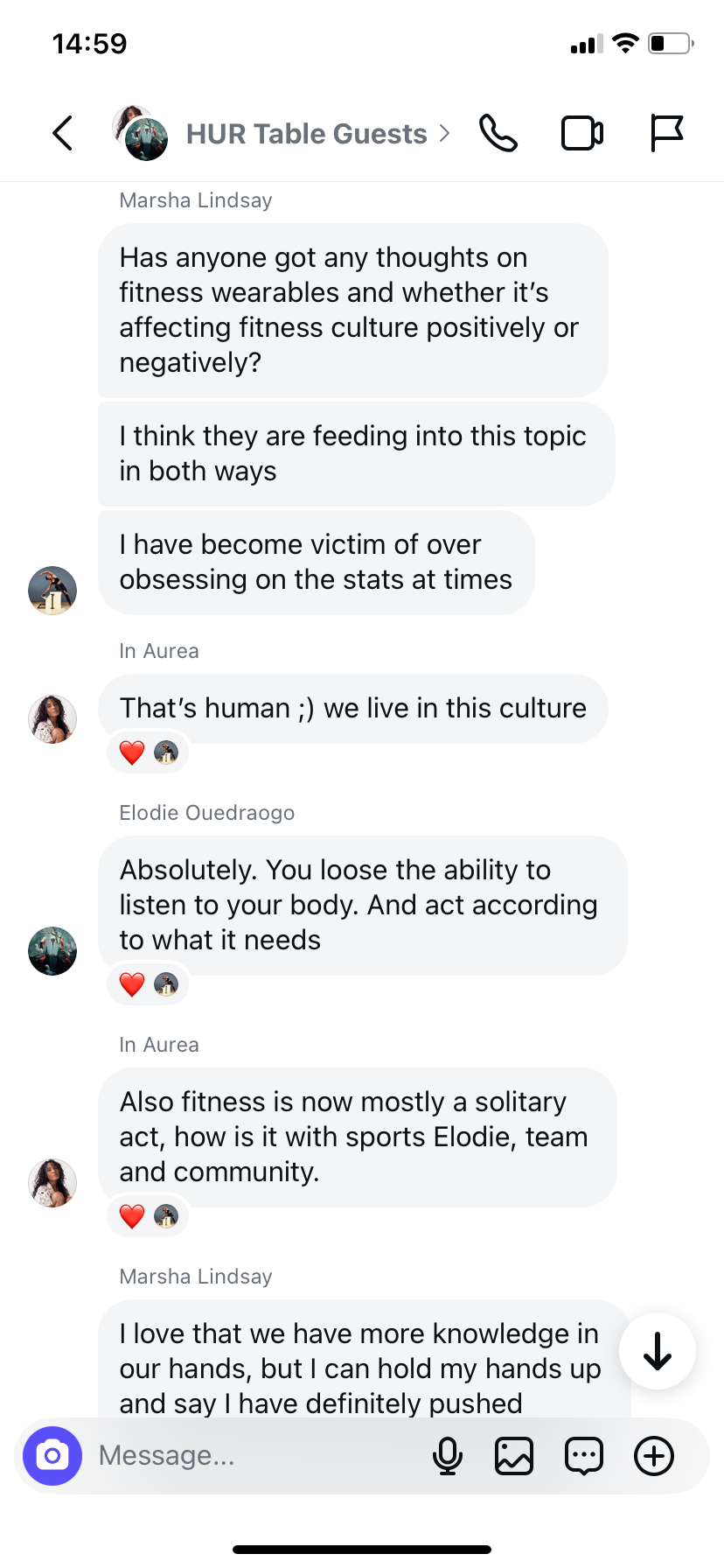
FITNESS TECH AND HOW THEY AFFECT THE CULTURE
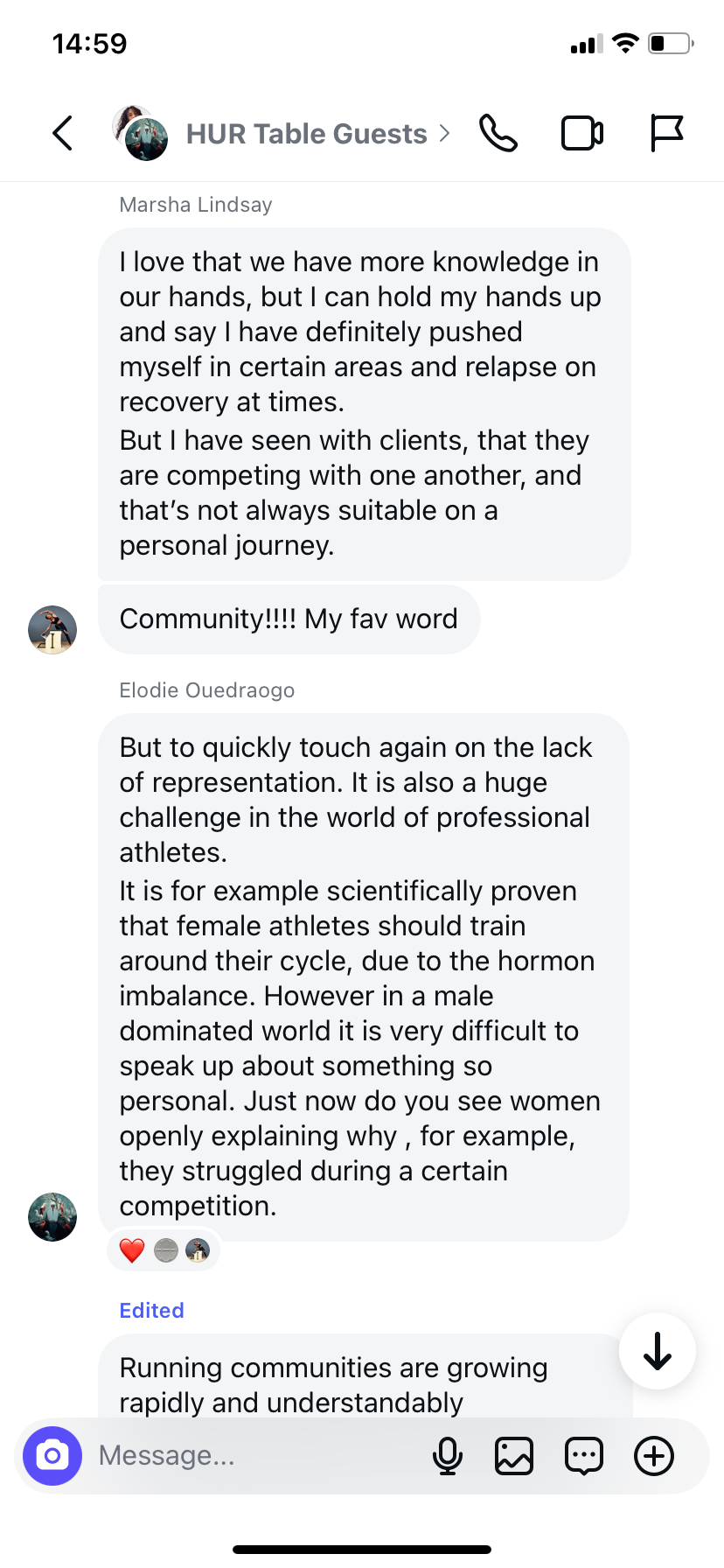
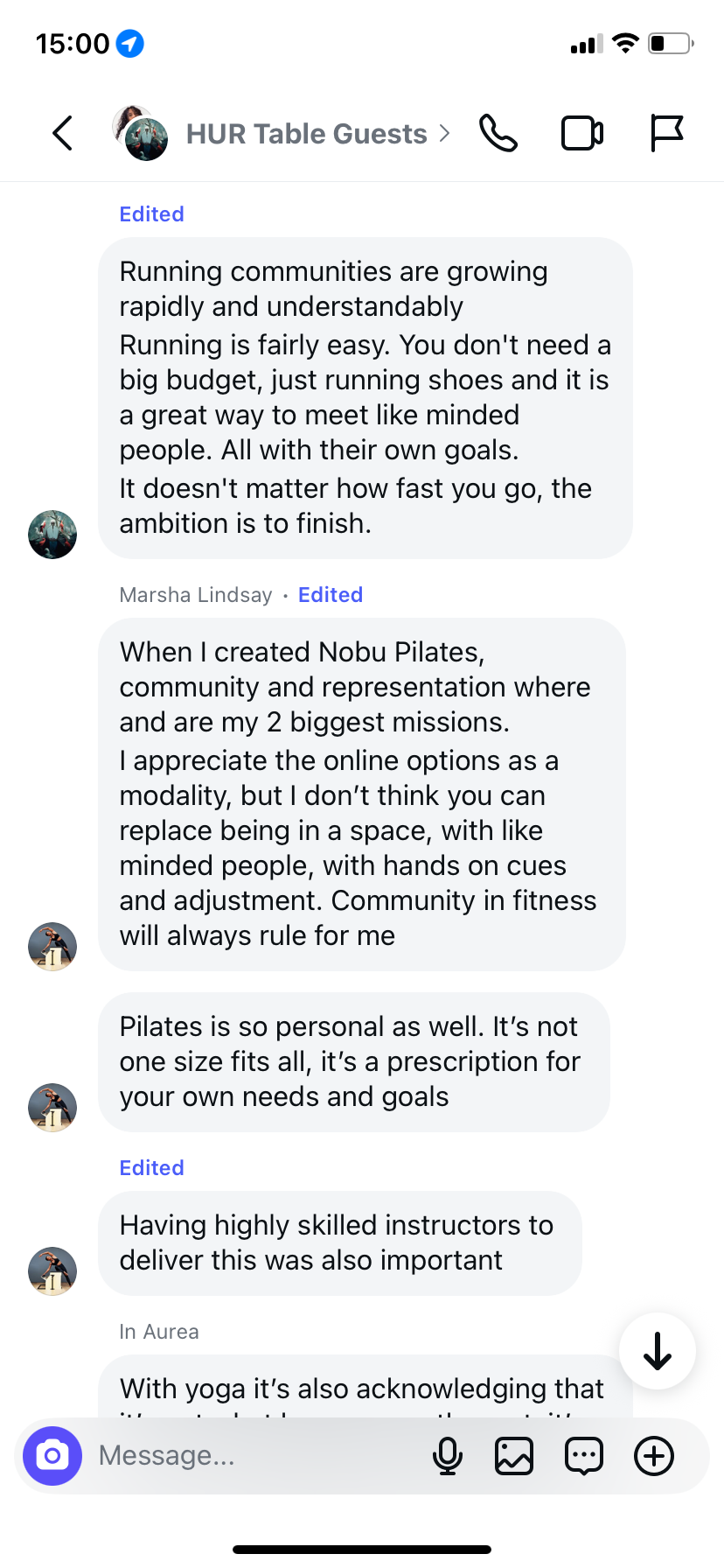
COMMUNITY AND CONNECTION

Valerie van Maarschalkerwaart, Isabel Ferreira de Sousa, Harriet Francis and Johanna Engvall, all HUR Club members, on the quiet cultural instruction to become smaller, what words like "clean" and "quiet" are really asking of women, and whether an aesthetic that liberates rather than contains us is even possible.