The Return of the Hand
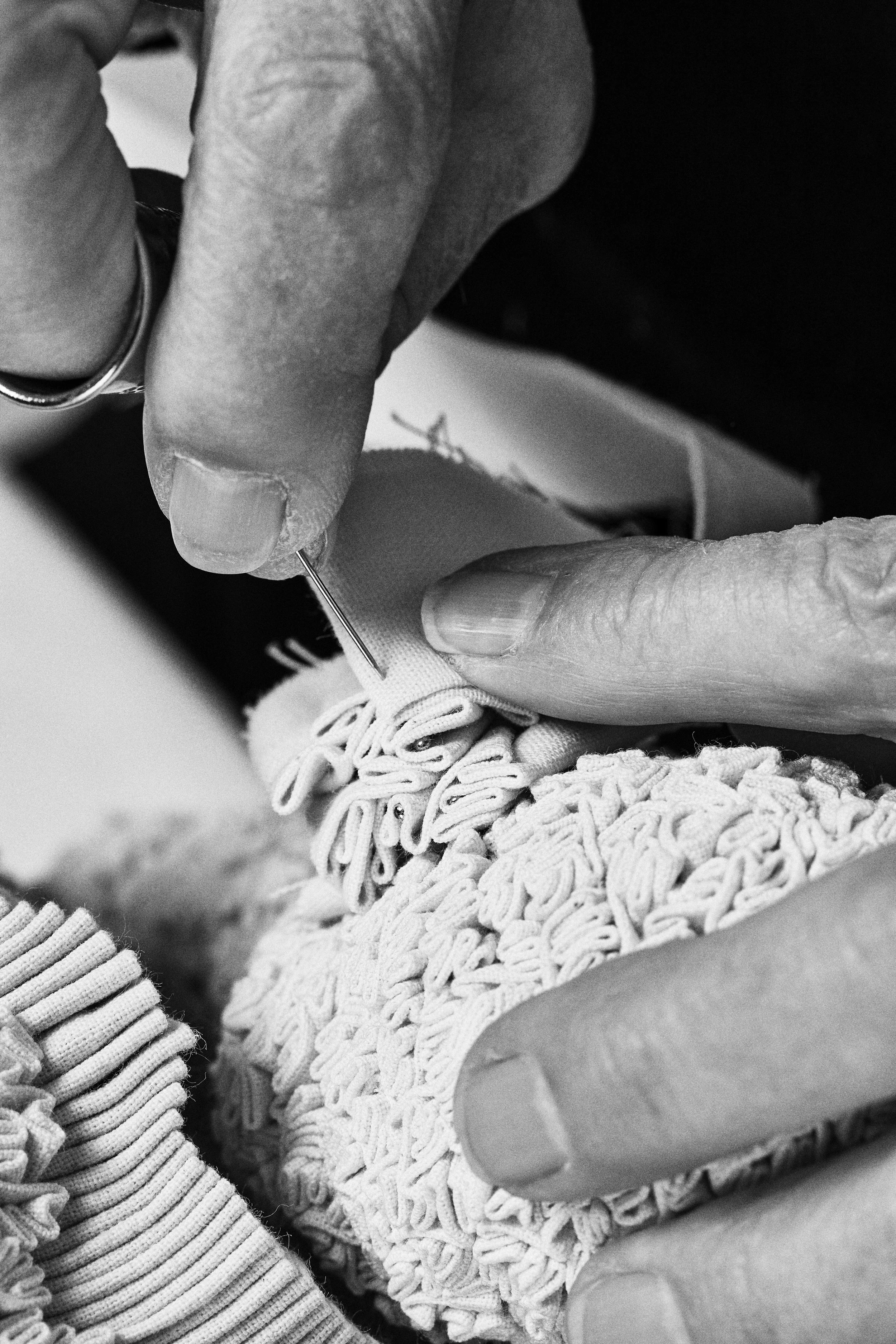
Simone Pheulpin, photography by Antoine Lippens.
The Return of the Hand
How our obsession with craftsmanship challenges the value of time and the human condition
By Valerie van Maarschalkerwaart
Consider an old ceramic vase - not a valuable one, just old. You notice the small cracks when you change the flowers. The paint has faded slightly in places where hands have touched it. The object has no language, yet it tells stories of years before you. We care for the memory of an ancient vase, yet we’re easily seduced by contemporary alternatives. Surrounded by things that don’t need to matter, we have become suspicious of those that do. We’re told we live in a materialistic culture, but I suspect the opposite is true. In modernity we find ourselves in a dichotomy where speed is a necessity, and ‘slow’ feels like a luxury. It makes us long for analogue, handmade, offline, the ‘authentic’. An almost melancholic urge for craft. Not only do consumers yearn for the ‘handmade’, the industry is fully embracing and integrating the arts et métiers into their brand identity. Is our current obsession with craft an antidote for speed, a hunger for authenticity in a digital age? Or are we turning an art form into a commodity?
“Craft reminds us of something essential: that meaning can be built slowly”, states French visual artist Clara Imbert. From her atelier in Paris she builds installations and sculptures, using metal, stone, and other materials with a sense of elemental texture and weight. She believes that the renewed interest in craftsmanship that we see in luxury today comes from a deeper cultural longing. In an era where everything seems to move at a rapid pace, there is a desire to surrender to something that feels timeless. Responding to a need to reconnect with the tangible and real values, as French artist Simone Pheulpin points out. In her practice she creates sculptures with textiles, deeply rooted in “materiality and process”. “It is the living imprint of a civilization, reflecting knowledge of a country, its natural and agricultural resources, its relationship to the territory as well as its history”, adds Pauline Guerrier. As an artist Guerrier uses various techniques to explore the themes of spirituality, ecology, science and faith. Objects are not solely things that can be beautiful, or old. They are storytellers that reflect different lives. They offer a reconnection to humanity.
The Luxury Paradox
The admiration of the crafts isn’t new, but the increased commercial interest in them is. Luxury – or as some prefer ‘legacy’ – brands have always had a connection with the métiers. They don’t shy away from promoting the artisanal stitches and unique embroidery carefully sewn by their own artisans. Crafted objects are the ultimate vehicles for cultural storytelling and have become another way to make luxury projects more desirable. The prices are legitimized through the materials and techniques used, but increasingly also through the created narratives. Those legacy brands build multidisciplinary worlds. This celebration of craftsmanship as a tool for selling at scale, is a paradox. Today, are we weaponizing the craft, knowledge and skill as a class distinction?
We need to distinguish authentic gestures from a marketing gimmick. In some cases these legacy narratives are combined with a cultural mission and ‘transmission’. An example is CHANEL’s La Galerie du 19M, a place that celebrates and showcases the savoir-faire of craftspeople and designers, and offers a dialogue to the public. A continuation of Coco Chanel’s vision, that was modern and innovative, with an emphasis on quality and women’s empowerment rather than fashion. The question remains whether initiatives like this are able to genuinely stimulate the world of arts and métiers, and make craft accessible for everyone. How do we prevent them from becoming a privilege?
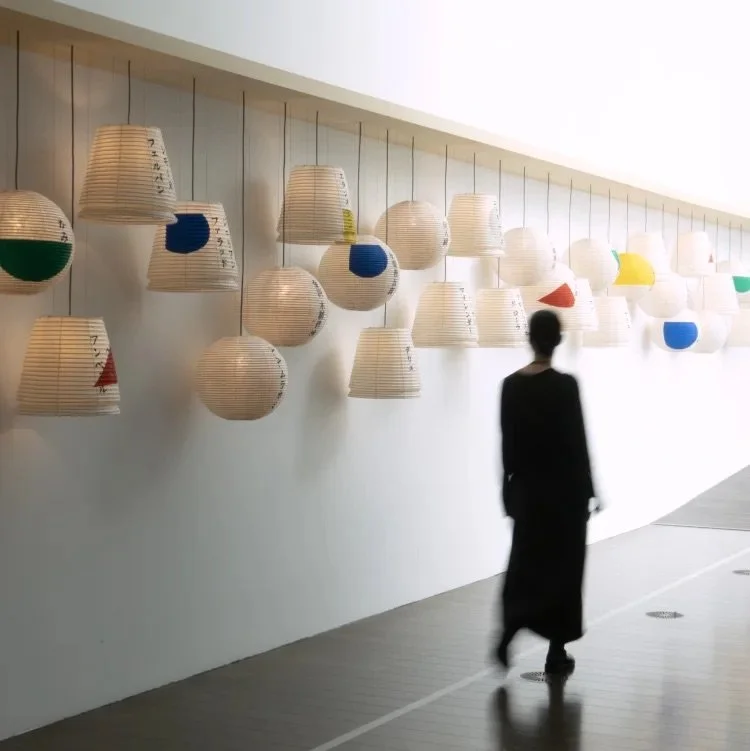
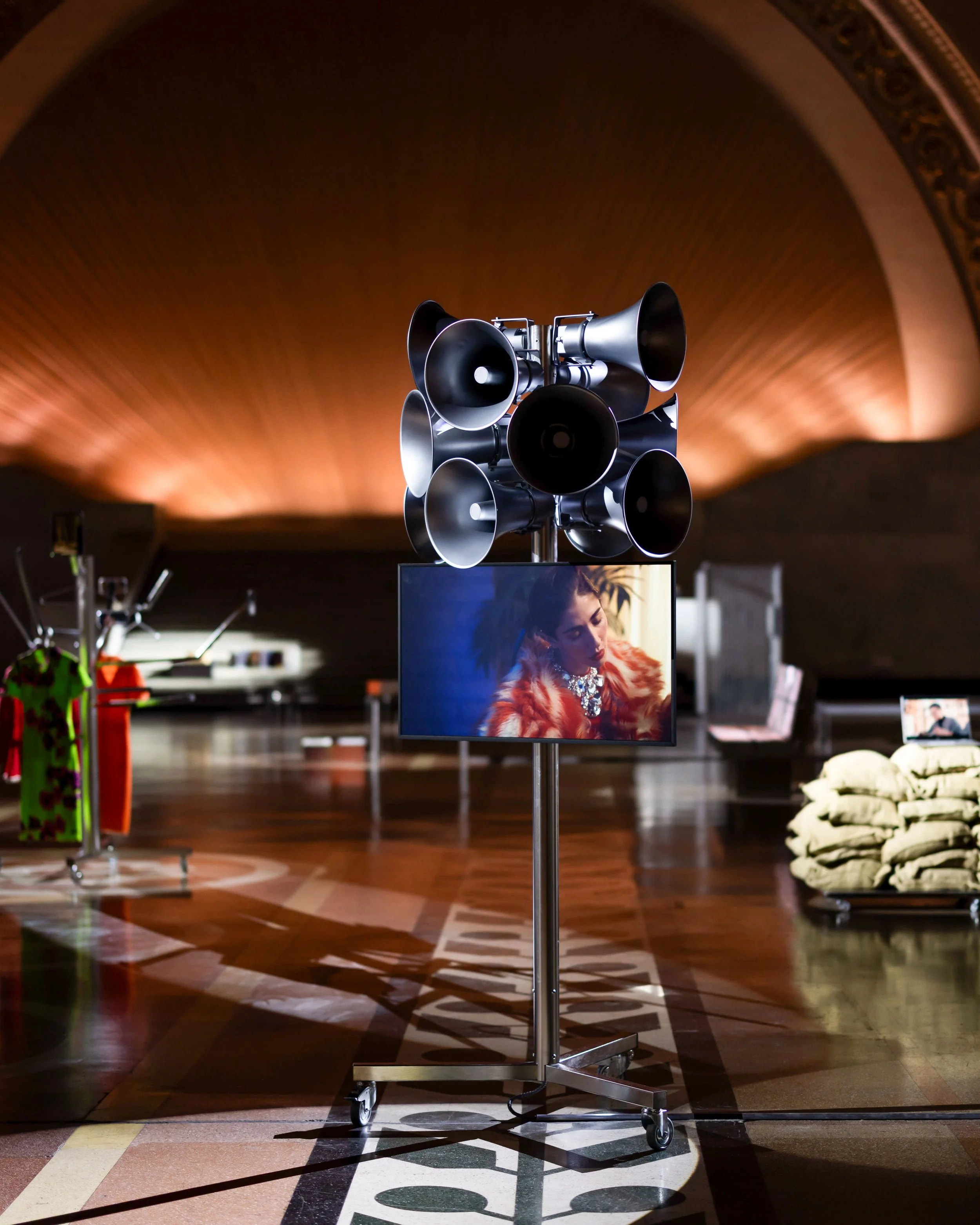
Beyond our Horizons: from Tokyo to Paris, an exhibition by CHANEL’s le19M invites visitors on a journey through materials, creativity, and craftsmanship. Inspired by a conception of the world governed by elemental forces — echoed in the philosophy of the five elements earth (土, do), water (水, sui), fire (火, ka), wind (風, fu) and void (空, ku) – the exhibition explores the deep connections between nature and creation. These principles describe a world in perpetual dialogue, where harmony and impermanence, stability and movement, body and spirit respond to one another. The five chapters of the exhibition celebrate the encounter between the Maisons d’art of le19M — Atelier Montex, Desrues, Goossens, Lemarié, Lesage, Lesage Intérieurs, Atelier Lognon, Massaro, Maison Michel, Paloma, and Studio MTX — Japanese craftsmanship and contemporary creation. Courtesdy of le19M x Clarisse Aïn
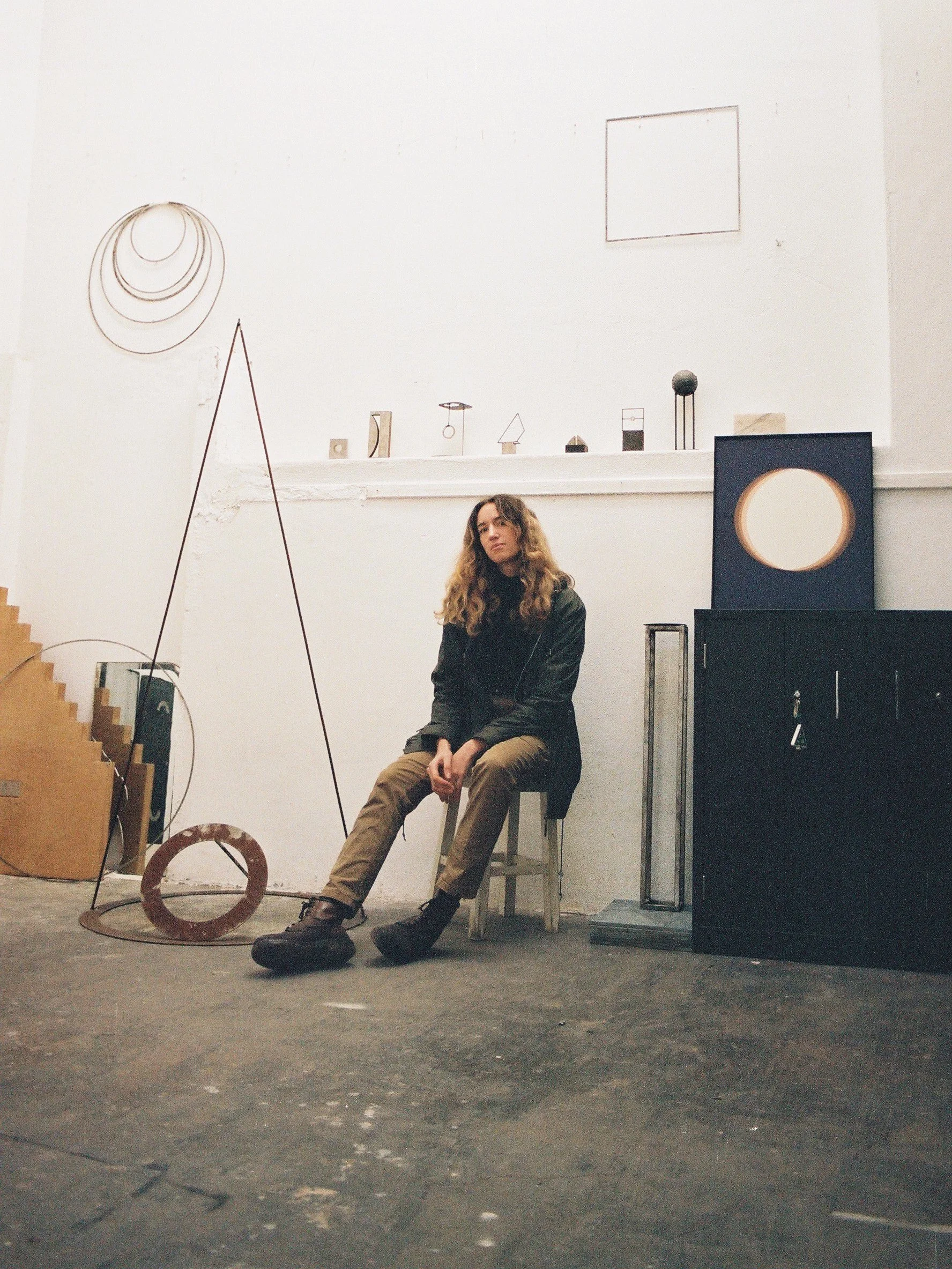
Clara Imbert in her studio. Photography by Luisa Bravo.
The Soul of a Stitch
While brands hold the microphone when speaking to consumers, it is the artisans that possess the voice of meaning. The act of making is as ancient as humanity itself. Throughout our existence, we have tried to ‘create’. For the maker, craft is not a privilege, but an urgency. Whereas some have inherited their skills through lineages, for others it is an inner necessity. Shinichiro Ogata, one of the 30 artisans of the 19M exhibition in Tokyo, designer and owner of Simplicity Co., believes it is “essential for craftsmanship to be born in a specific place, to evolve through contact with different cultures”. It makes craft an extension of culture, where different places give different meanings to objects. Aska Yamashita found a more spiritual connection to material and place in Japan. As the artistic director of Atelier Montex and member of the Editorial Committee of 19M, Yamashita finds her roots in Japan and her home in Paris. The French showed her “beauty as a purpose in itself, where usefulness is not always the primary concern, and artistic expression can flourish freely”. Two cultural poles shaped our universal sense of quality and luxury, each in its own way. One is embedded in quality and attention to detail, with high aesthetic values, while the other excels in a natural, minimalist style defined by clean lines. Clara Imbert sees that instead of opposing each other, they create a space of exchange, where each perspective can enrich the other.
“At its core we are all the same”, recalls Architect Tsuyoshi Tane, whose roots are in Japan, and his office ATTA is located in Paris. “Humans share the same basic needs – food, water, resources. It is not about the objects, but about the connections they represent”, he adds. Tane uses the village as a metaphor for a place where people gather. A place where knowledge is passed down from generation to generation, into the future through the hand. Craft’s desire is universal; it is the nature of what defines ‘human-made’. Economists call it a craft-oriented approach, which is about more than caring for products’ profitability. It is an attitude or lifestyle that is accessible to everybody. Even if you cannot afford that luxury bag.
The Resonance of Memory and Material
Multidisciplinary Artist Pauline Guerrier refers to it as a genuine presence in the world, “a deep attentiveness to things, to natural rhythms, to imperfections and to change”. Craftsmanship seems to offer something neither industry nor technology can truly provide. For artists and artisans, the process is natural. Their practices are shaped by the movement of their hands through trial and error. Yamashita and Guerrier learned to embrace slowness through their artisanal process. Not as a limitation, but as a necessity and form of richness. “Craft is a knowledge that cannot be theorized, but must be practiced”, adds Simone Pheulpin.
Craftsmanship has a fundamental social dimension. Where industry reduces people to machines, craft humanizes production. Even though technology can be incredibly useful, it cannot replace the gestures passed down through generations: the dialogue between the maker and the material. Something that Clara Imbert and Shinichiro Ogata refer to as the ‘soul’ of products. “Where technology seeks to erase differences, craftsmanship reveals and affirms them. It embraces what escapes total control”, Pauline Guerrier adds.
“Some artisans spend decades refining their gestures. There is something profoundly human in that commitment”, says Clara Imbert. It shapes a resonant relationship with the material, which is a philosophy of life in itself. Yet, it is also the source of artisanal marketing. Then, will the meaning of it remain if legacy brands are borrowing its cultural glow?
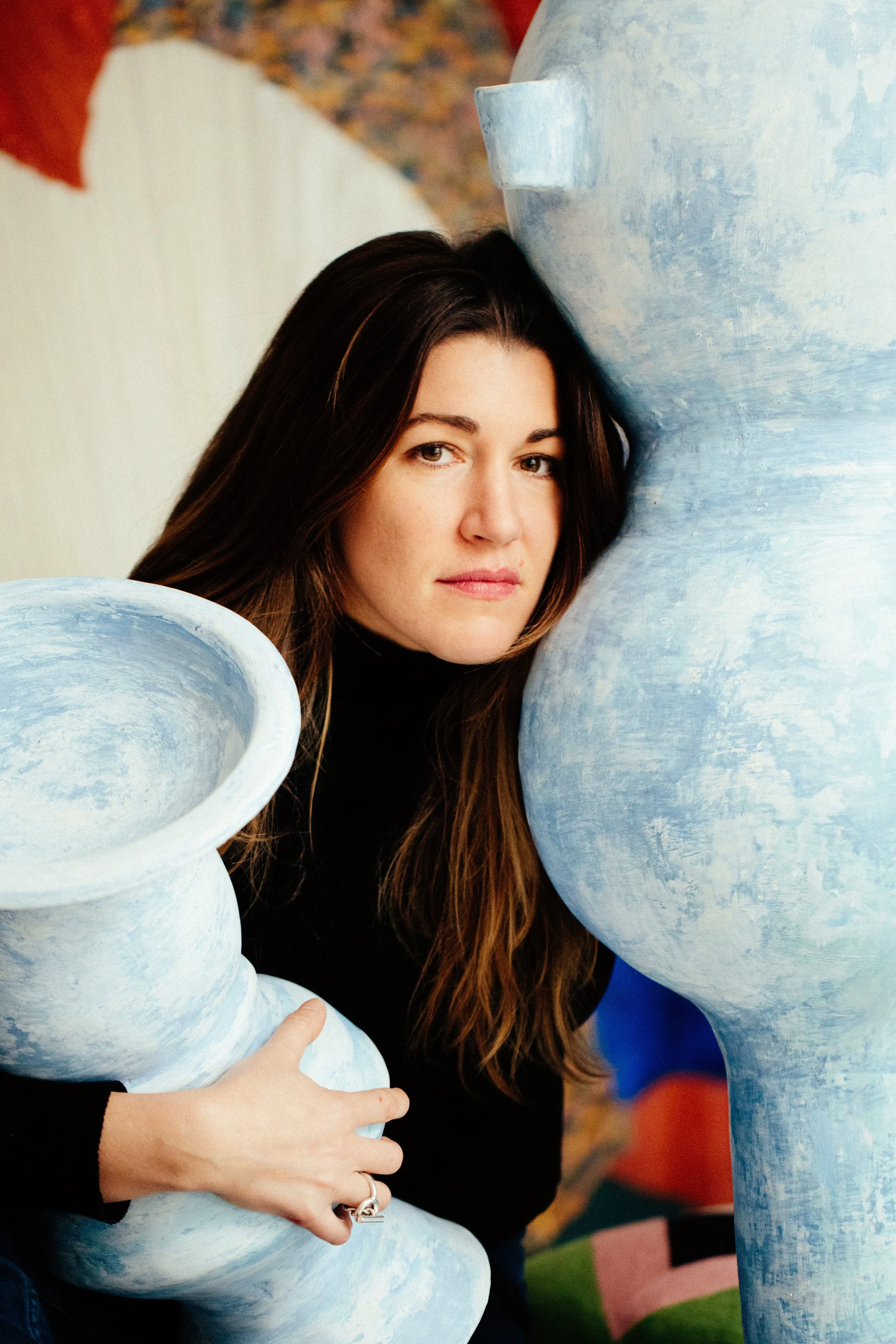
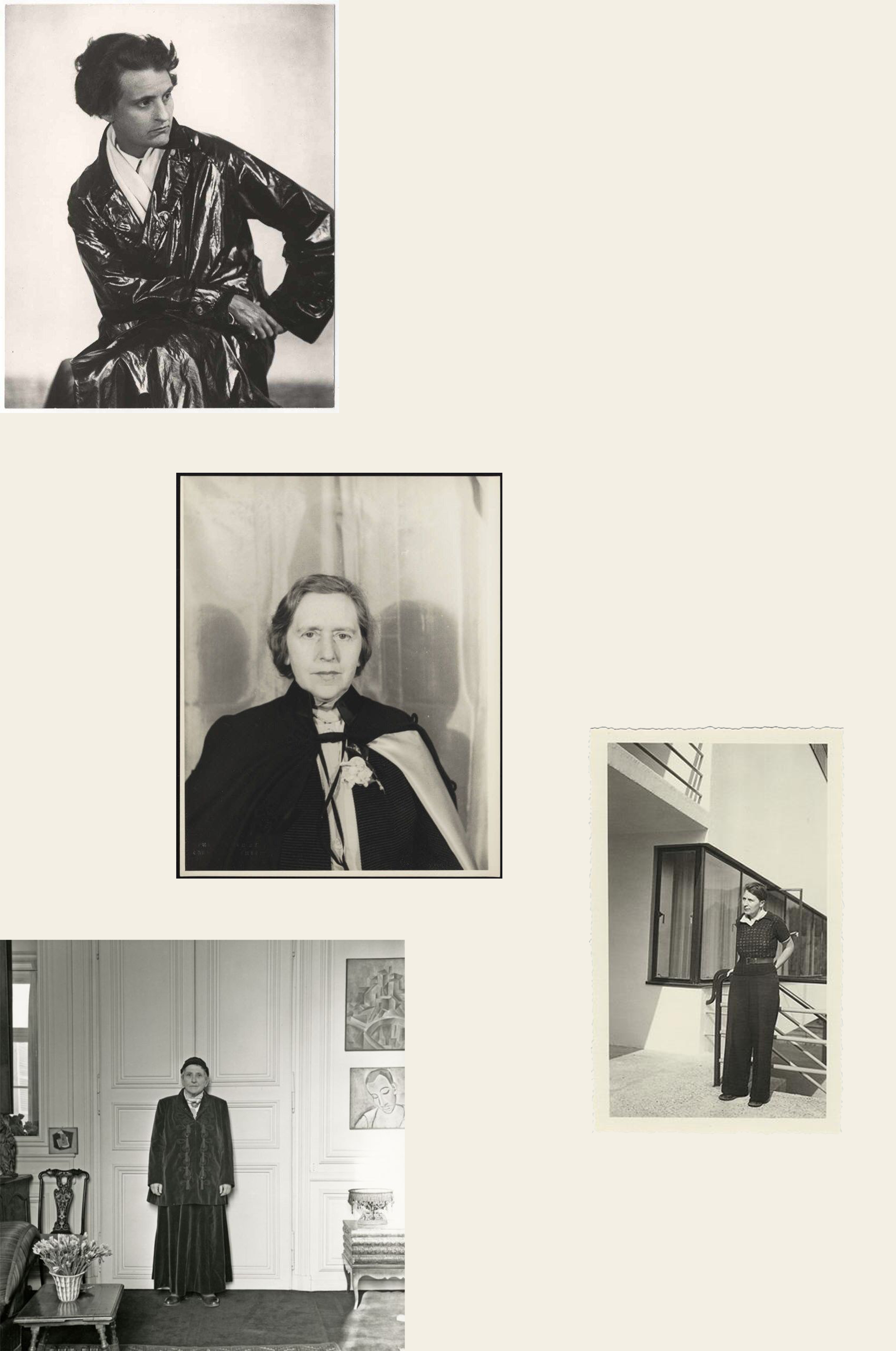
Pauline Guerrier, captured by Maxime Van Maldergem
That village of Tane, and the value of time, is something different than a strategy or consumers’ desire. “Human beings and emotions are connected to craft: if you buy a handmade object, you are not going to throw it away the next year, because somebody made it”, states Tane. Philosopher Hannah Arendt foresaw society getting stuck in cycles of labour and consumption. In her book, The Human Condition, she described the phenomenon where work becomes consumption-based, and therefore productivity replaces meaning. When crafts are used for commercial purposes only, they are reduced to mere commodities lacking depth. As an art form, craft captures a purpose that goes beyond consumption. A purpose connected to our cultural values, a purpose that explains our cravings towards craft.
Sincerity versus Strategy
Brands need to find a way to divide their commodities from their objects of resonance. “The world of luxury has always been nourished by rarity and excellence, holding in certain cases a genuine dimension of cultural preservation. However”, Pauline Guerrier continues, “it would be naïve to deny that it is also a powerful marketing language”. As an artist, she sees that the two can coexist “as long as the gesture is sincere.” Witnessing the hand shaping clay, or the needle and thread of embroidery repeated thousands of times, makes time tangible. But also valuable. It’s up to the brands to convey the story and make you part of it.
Human connection is forged through craft. Therefore we need real life places for exchange other than a shop floor – buying craft doesn’t facilitate executing or understanding it. An example is the platform CHANEL created with 19M. “It makes visible what often remains hidden to the public”, Yamashita says. “It gives collaborations the space to flourish and inspire, fostering creative effervescence”. What is important within these encounters is enabling a dialogue about ‘savoir-faire’. While much knowledge can be shared digitally, for craft it remains essential to touch, sense the materials and witness the work up close.
The future of dialogues like 19M in Tokyo and Paris, depends on “our ability to pass on the message that patience, attention to materials and sensitivity are essential qualities; not only for creating art, but also for fully understanding it”, Simone Pheulpin states. “Beyond technique, it is a true philosophy, a way of perceiving the world”. Craft as such does not solve the climate crisis, or won’t make products cheaper. But it offers a backbone for an economy where growth is not the goal. What matters is the possibility of exchange and connection. Whether or not it is a luxury brand that offers it. In the end it is not only the industry that uses it for branding, but also the people that crave for it.
To challenge our ‘human condition’ in the 21st century, the question we need to ask isn’t whether craft is beautiful, or valuable. But whether we can preserve its meaning. It requires adaptation and participation from the full ecosystem. The artisans, the consumers, and the industry. Instead of fighting the digital revolution, we can use innovation to infuse contemporary life into traditional crafts. Creating hybrid models that complement rather than replace the magic of the hand. More importantly, it is up to the industry to contribute, and consumers to be curious. Rather than just borrowing stories of the makers, brands can create places to let the craftsman tell theirs. Reward the craftsman, participate in events, invest in them, collaborate. In the end, if we want culture to exist we need business models that support people rather than profit. It’s a re-evaluation of, not only the value of the making and marketing, but the value of meaning. It requires intention and devotion, and encounters to turn relics of the past into pathways to the future.
Everyone is an expert now, and almost no one is. In her latest essay, Bonnie Langedijk asks how confidence came loose from competence, why we believe the ring light over the researcher, and whether real expertise can survive a culture that rewards speed over depth.