Design’s Quiet Purist

Courtesy of Pierre Augustin Rose.
Nina Rose
Design’s Quiet Purist
By Bonnie Langedijk
Nina Rose is not in the business of reinvention. While the design industry cycles through aesthetic trends with increasing velocity, she remains fixed on a different proposition: furniture anchored in substance rather than discourse
As one-third of Pierre Augustin Rose, the Paris-based design studio she co-founded with Pierre Bénard and Augustin Deleuze in 2018, Rose operates as the essential link between vision and execution. When Bénard and Deleuze—both antique dealers—identified furniture they wanted but couldn't find, Rose made production possible through her extensive knowledge of European craftsmanship and cultivated network of artisans. Her role explains why a single armchair can spend 45 days in production, why saddle-stitch techniques are applied with haute couture rigor.
The resulting collection resists categorization: 1930s Scandinavian restraint meets Empire-era sculptural confidence, filtered through mid-century material warmth. It's furniture made for those who prefer sophistication over immediacy.
In six years, the studio has cultivated a devoted following among collectors and the more discerning corners of the fashion world. Now, with their first American gallery at 224 Centre Street in SoHo—a 6,000-square-foot space in the historic Odd Fellows Hall—Rose and her partners are extending their network beyond Paris while maintaining their fundamental premise: moving at their own pace isn't a luxury, it's a prerequisite for work of lasting value.
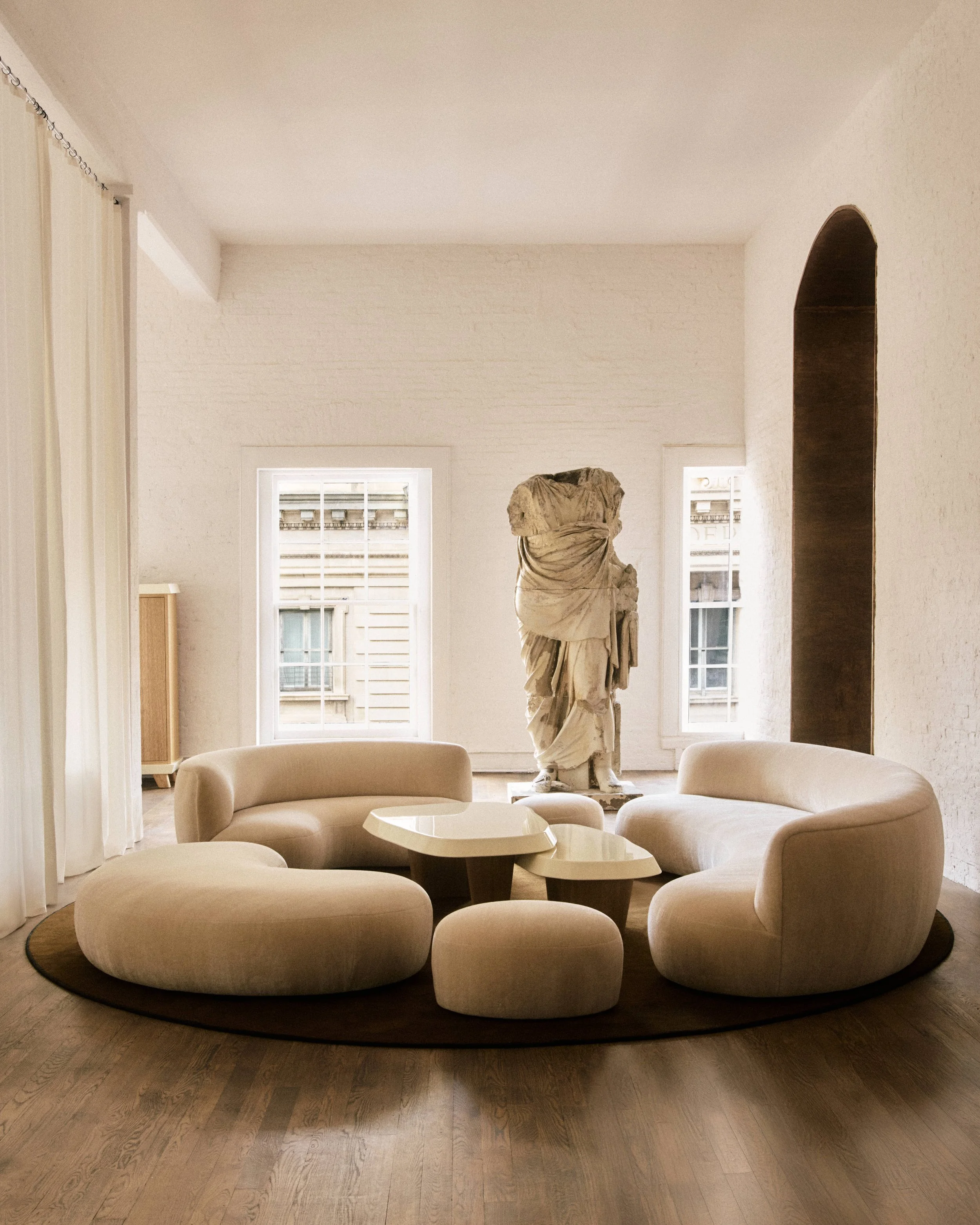
Pierre Augustin Rose’s New York gallery. Courtesy of Pierre Augustin Rose.
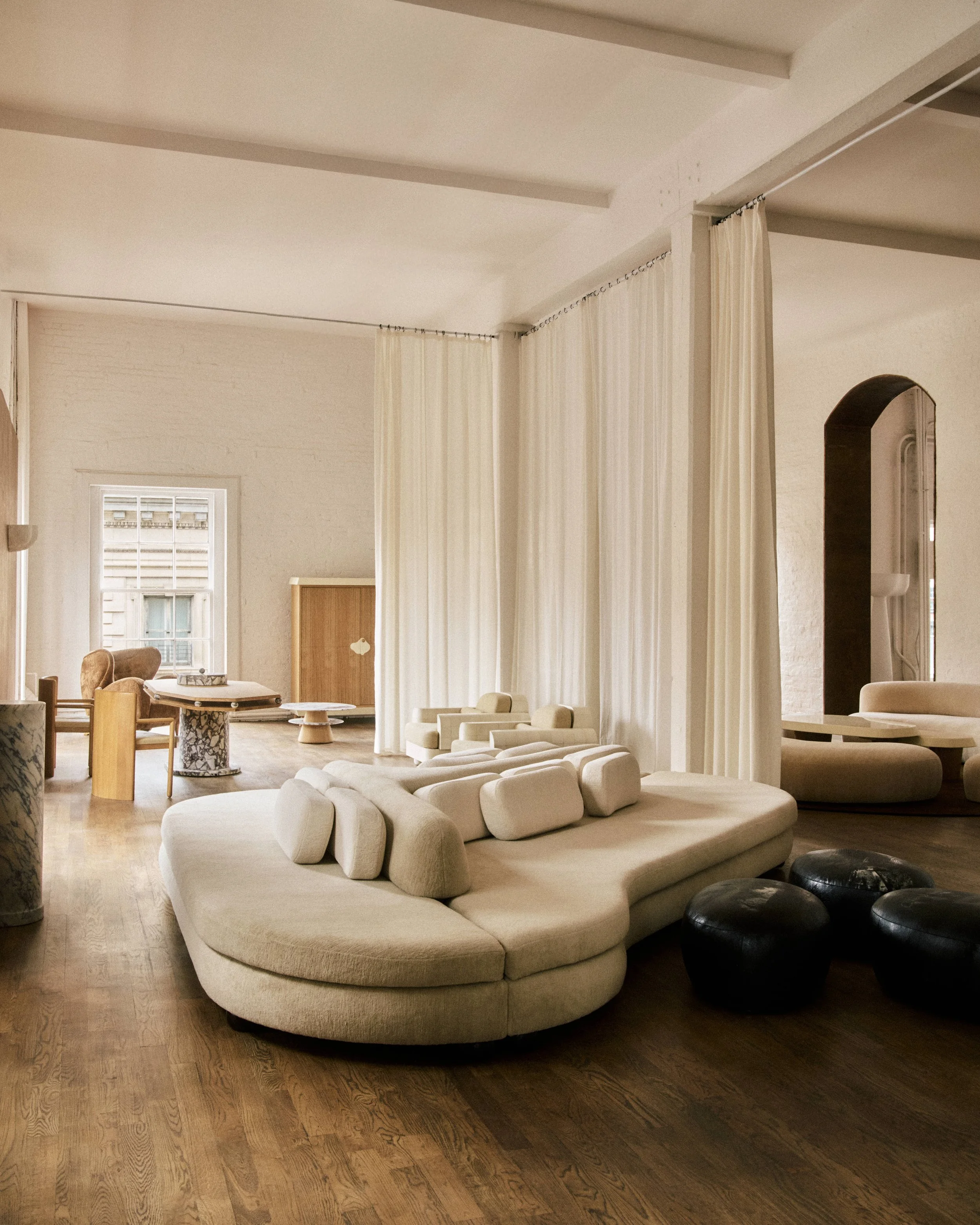
Pierre Augustin Rose’s New York gallery. Courtesy of Pierre Augustin Rose.
The word timeless is everywhere in design discourse. How do you define it?
Being so closely connected to the world of antiques, it resonates as something you can preserve. Timeless surpasses the fast pace of a trend. In my process, timeless is an intention—trying to refine a form so it can endure beyond a moment.
Much of your collection draws from 20th-century design. What does referencing the past mean today?
I consider it inevitable. Everything has already been invented, in a way. Referencing is a form of a tribute, a recognition of greatness. In our case, Pierre Augustin Rose is incarnated by three distinct personalities, each with an atypical background. What we create emerges from our ongoing conversation and a deep passion for design, filtered through our own sensibilities.
“Very little of what we’ve done was ever CALCULATED or driven by market analysis. From the beginning, our approach was rooted in dialogue.”
What gaps in the market did you identify early on that pushed you to start producing your own line?
Very little of what we’ve done was ever calculated or driven by market analysis. From the beginning, our approach was rooted in dialogue. The first sketches and prototypes were conceived without a clear intention to develop a full line. We only later realised that what we were creating had become a collection.
Why was New York the next logical step for Pierre Augustin Rose—and what does this expansion say about where the design industry is heading?
Over the past couple of years, New York has been transformed by the arrival of many design and art galleries. It felt like the right moment to be part of that energy. I truly hope this momentum will help design take its place alongside other leading creative industries.
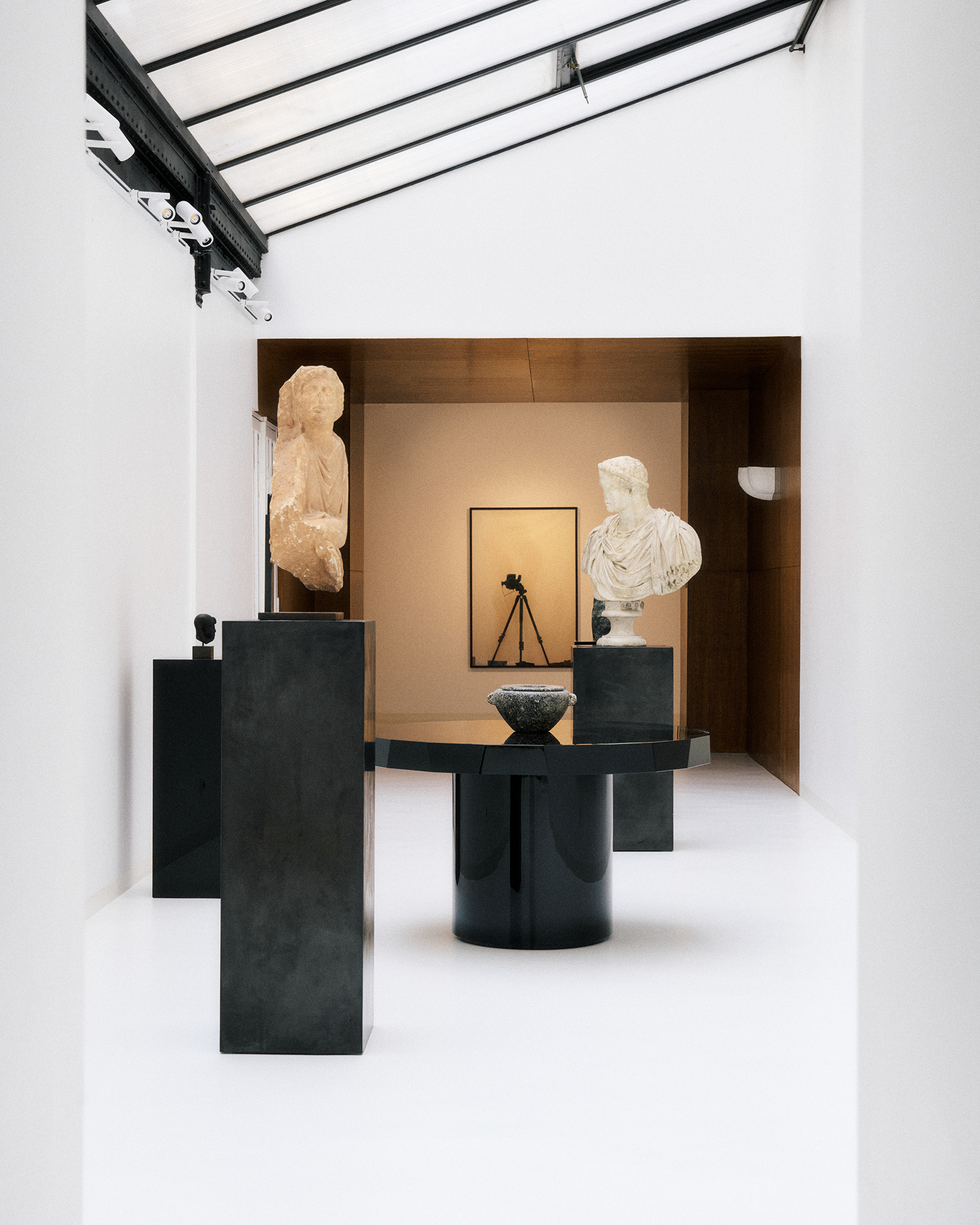
A collaboration with multidisciplinary artist Alexander May. Courtesy of Pierre Augustin Rose.
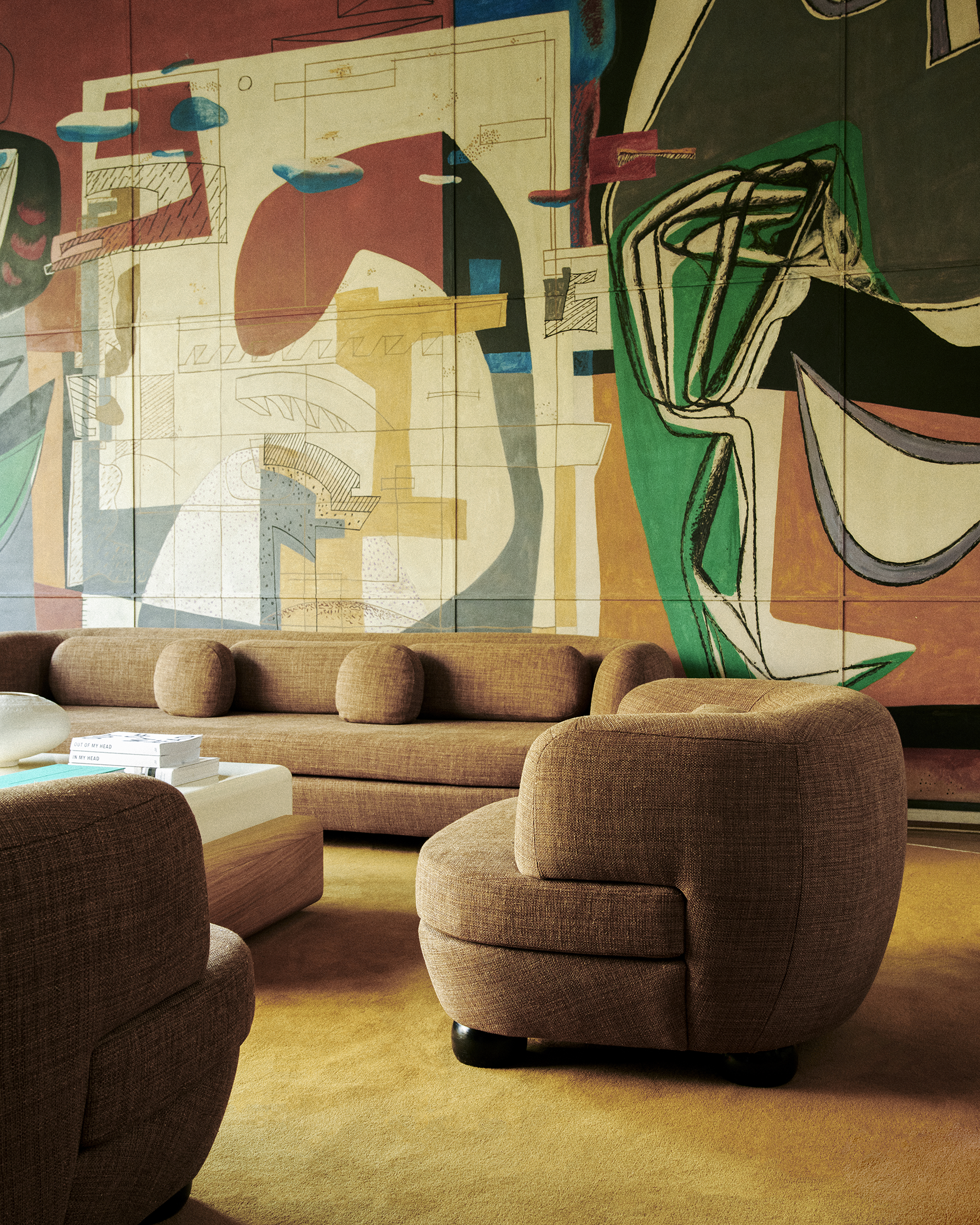
Pierre Augustin Rose’s collection captured at the iconic Pavillon Suisse by Le Corbusier. Courtesy of Pierre Augustin Rose.
The new SoHo gallery is a physical extension of the brand. What was the process of finding the location and creating the space, and how do you hope visitors experience the work?
It was definitely a challenge, lots of back and forth between Paris and New York. For the first time outside of Paris, visitors will be able to experience our work as a whole. Its scale, coherence, and spirit.
You come from a background deeply connected to craftsmanship. How does that shape your approach to authorship and quality in an age of mass production?
I’m someone who works with intense focus, avoiding distractions and fully engaging with the process especially through the close relationship I have with our ateliers. That level of attention and care naturally translates into our work. It speaks for itself.
The design world is often image-led. How do you protect the integrity of a piece in a culture driven by speed and surface?
Staying true to your vision is essential. In a world that often prioritises speed and surface over substance, protecting the integrity of a piece means cultivating focus, blocking out noise, and resisting the temptation to design for quick impact. For me, it’s about taking the time to refine every detail and produce work of lasting quality.
A large part of owning a brand or company today is about image making, storytelling, being part of the cultural calendar. What’s your approach to building the world of Pierre Augustin Rose beyond the furniture and products you work with?
It’s rather atypical. We move at our own rhythm and rarely operate around collections. A piece is ready when we feel it’s truly ready. We don’t follow a structured calendar, everything unfolds organically. It’s an intuition-driven process, guided by our ideas and what we genuinely want to express at a given moment.
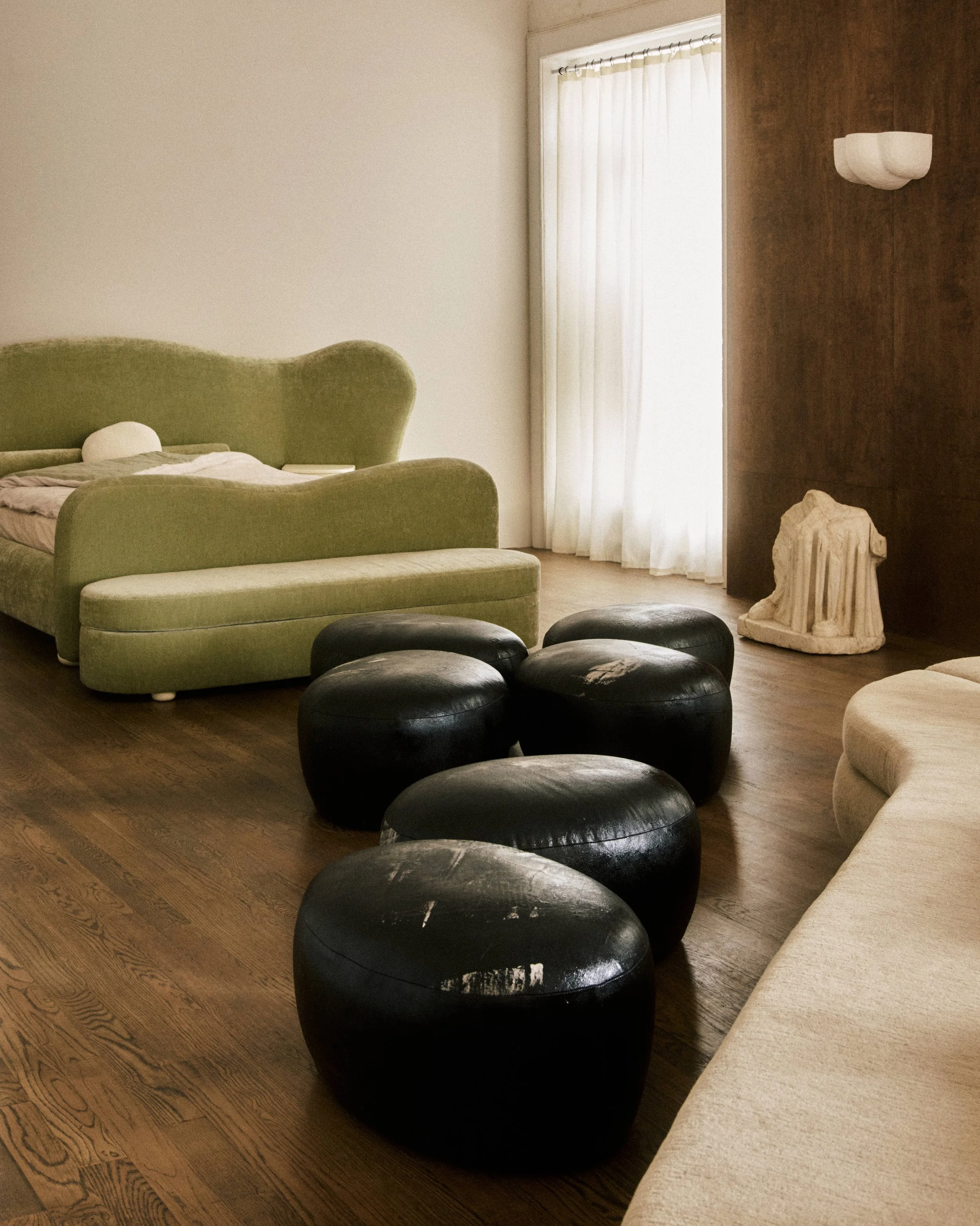
Pierre Augustin Rose’s New York gallery. Courtesy of Pierre Augustin Rose.
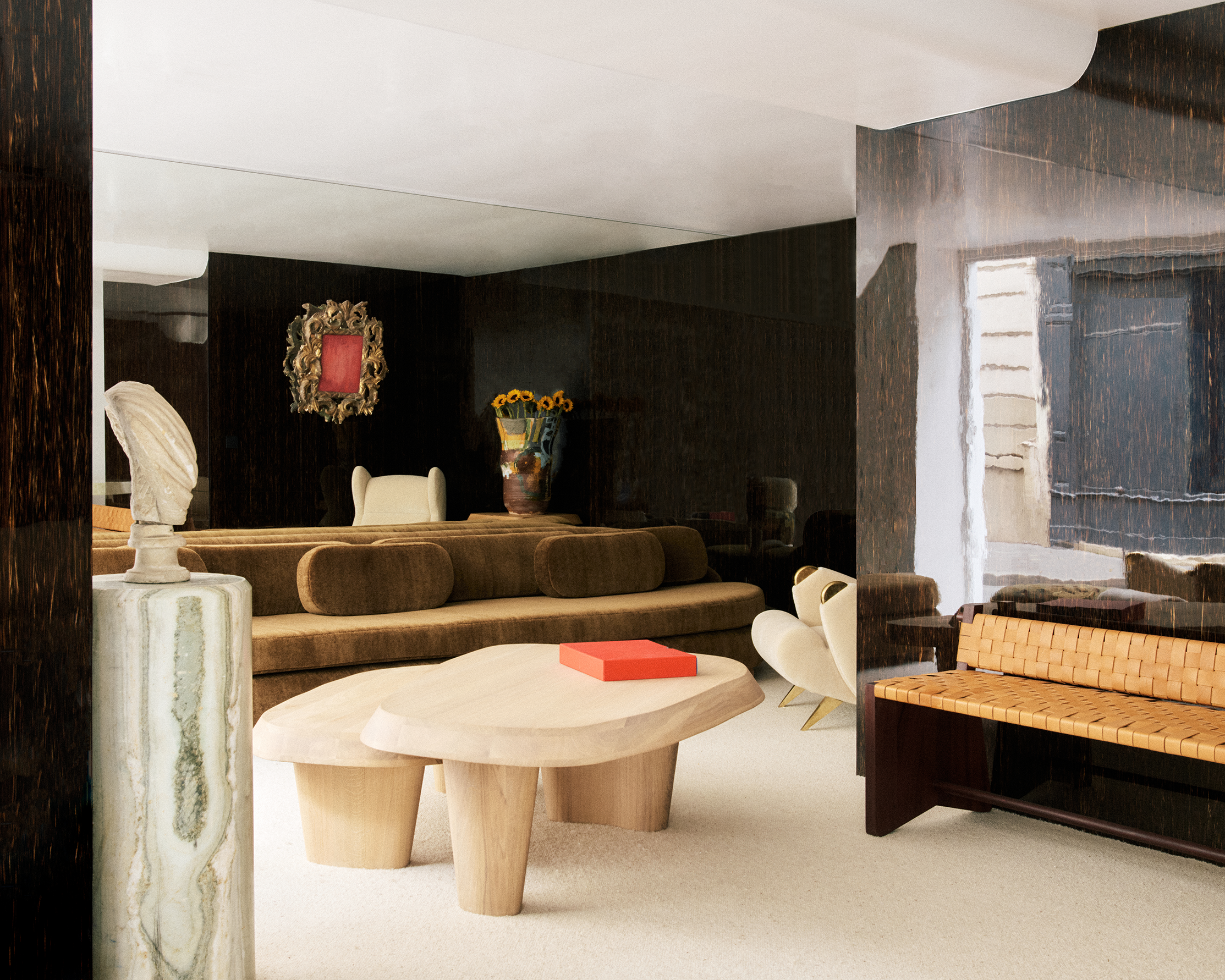
The gallery onRue Bonaparte. Courtesy of Pierre Augustin Rose.
What does longevity look like in furniture today—and how do you build it into something physical? You operate as a trio. What does creative collaboration actually look like day-to-day—and how do you maintain clarity in a shared vision?
If something continues to feel quietly powerful over time, I believe it has longevity. We strive for forms that are refined but not rigid, expressive but not overworked. From the very beginning, it was obvious that it would be the three of us. There was no defined structure or master plan. Each of us found, and continues to find, our role intuitively. There are no strict divisions. Conversation guides us more than any formal process.
The design industry often celebrates ‘newness’ but rarely talks about what should endure. What qualities do you think are missing in most contemporary furniture?
Perhaps a sense of permanence?
What kind of cultural responsibility, if any, do you feel as a design studio operating on an international scale?
To create with intention and preserve a consistent vision that feels rooted rather than reactive. In a fast-moving industry, holding onto values is a form of responsibility.
What excites you about the future?
Return to thoughtfulness.
This interview has been edited and condensed for clarity.

Shaniqwa Jarvis on why photographs are beautiful liars, grief as a portal, and the moment she found her whole practice hiding in a childhood snapshot.