On Confidence: Eva Langret
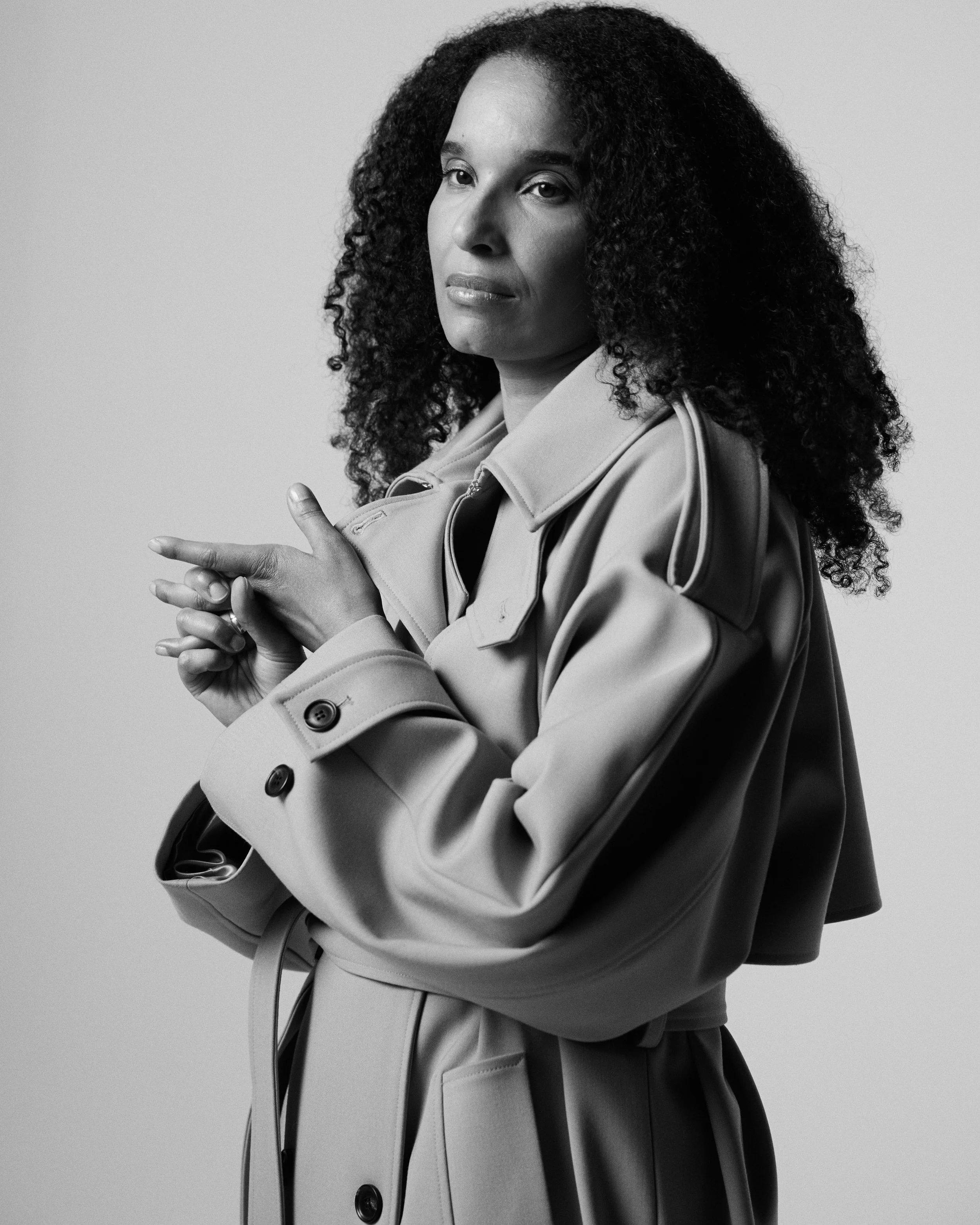
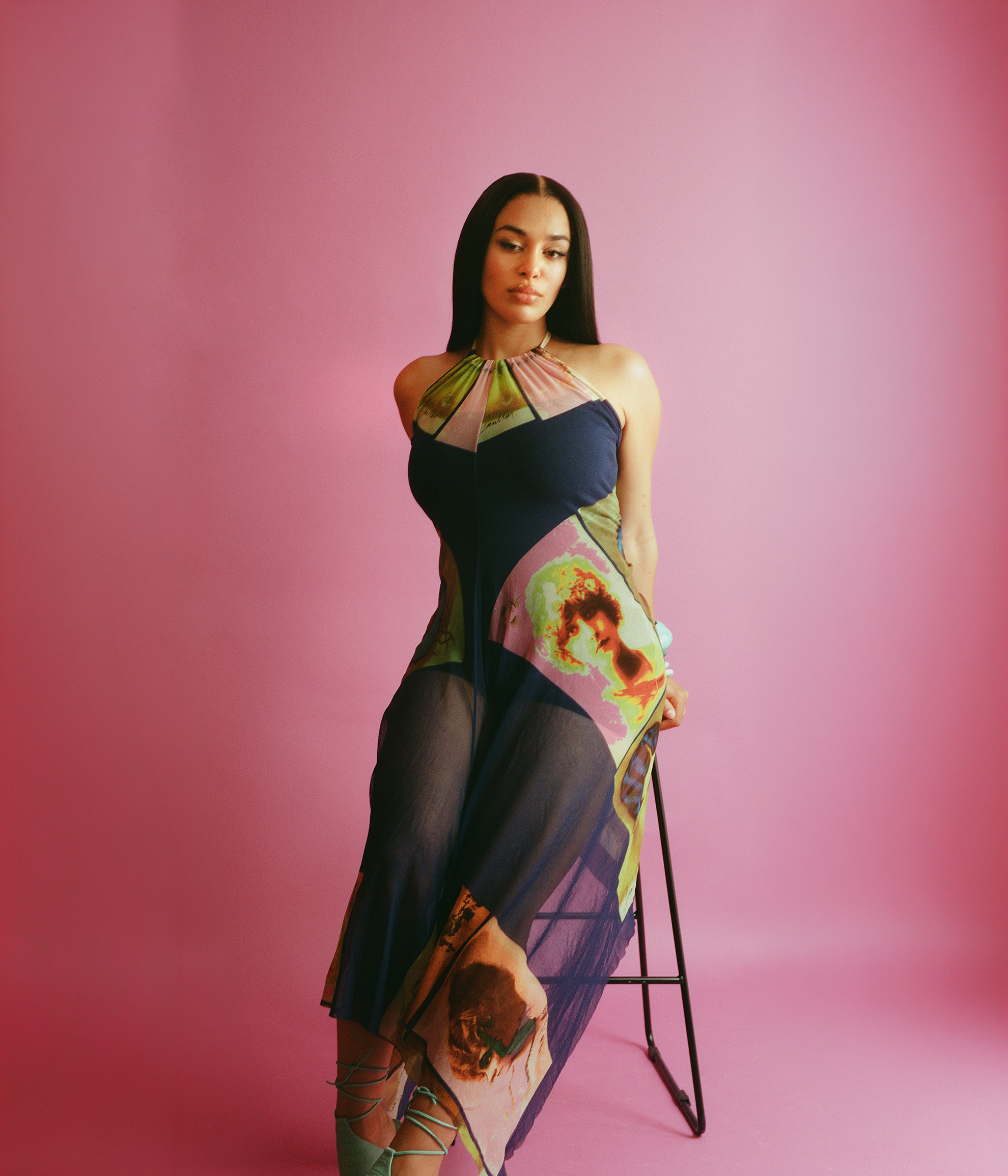
Art connoisseur Eva Langret captured by Stephanie Oonk.
Eva Langret
We talk about confidence as though it's something you either have or you don't. But the women we admire most tend to describe it differently. As something earned, tested, and closely tied to the environments they work in, the people around them, and the courage to do things on their own terms. We spoke with three of them about what that looks like in practice.
In Partnership with Róhe
By Bonnie Langedijk
Eva Langret has spent her career shaping how people encounter art. Born and raised in Paris, she studied economics before completing a master's in art history at SOAS in London. Her early work was in public galleries championing African, Caribbean and Asian artists, and she went on to direct a London gallery focused on artists from Africa and its diaspora. She now leads one of the world's most influential art platforms, overseeing its artistic programme and working with over 150 galleries, collectors and curators across 43 countries. She describes confidence not as boldness but as clarity — the quiet conviction that you can handle whatever outcome occurs, even when things don't go as planned. For her, doubt isn't the opposite of confidence. It's the key to it.
Confidence is a word we use constantly but rarely examine. What does it actually feel like to you?
People often mistake confidence for cockiness or arrogance. I think confidence feels like a sense of internal peace and self-trust — the quiet conviction that you can handle whatever outcome occurs, even if things don't go as planned. It’s the absence of the ‘negative noise’ that clutters the mind and the feeling of a certain clarity of vision. It’s an inner compass that centers decisions internally and frees oneself from the need of external validity. With confidence, you can be free to be your actual self, including your flaws, without the fear that others are judging. Confidence means accepting one’s imperfections and being okay with the prospect of not having all the answers and being comfortable admitting when you are wrong or struggling, without it damaging your self-worth.
“I don’t feel particularly PROTECTIVE of my point of view and I am constantly learning. I think it’s important to be open to doubt and self-criticism.”
You have a distinct point of view within your work. How have you developed it and how do you protect it?
I’ve developed my point of view through experience, seeing a lot of art and reading a lot about art. Everything that I know and that I do is informed by an ongoing conversation with my peers, colleagues, artists, those who came before me and those who make up the art world today. The art world is constantly evolving and so my point of view also changes to reflect the times. I don’t feel particularly protective of my point of view and I am constantly learning. I think it’s important to be open to doubt and self-criticism. It’s the key to evolution.
Are there artists or artworks that have changed your perception of confidence?
Confidence is an integral part of the artistic process. Being an artist requires confidence in one’s artistic vision, to be able to share it with the world, take risks, explore new creative paths. Dealing with failure is also an integral part of the artistic process – and this requires confidence – to try again and again, to find solutions, to constantly question one’s practice and the ways to advance it.
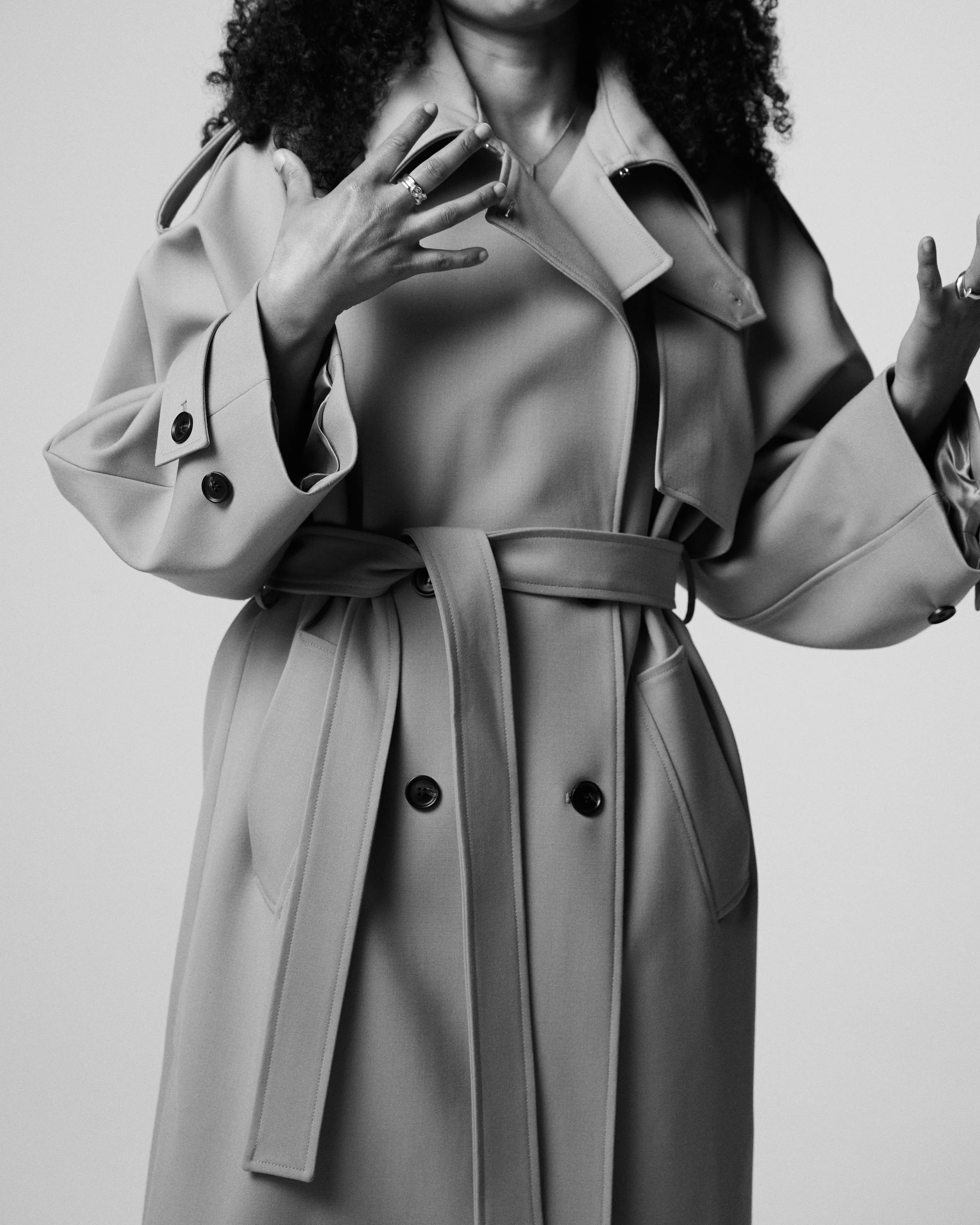
Art connoisseur Eva Langret captured by Stephanie Oonk.
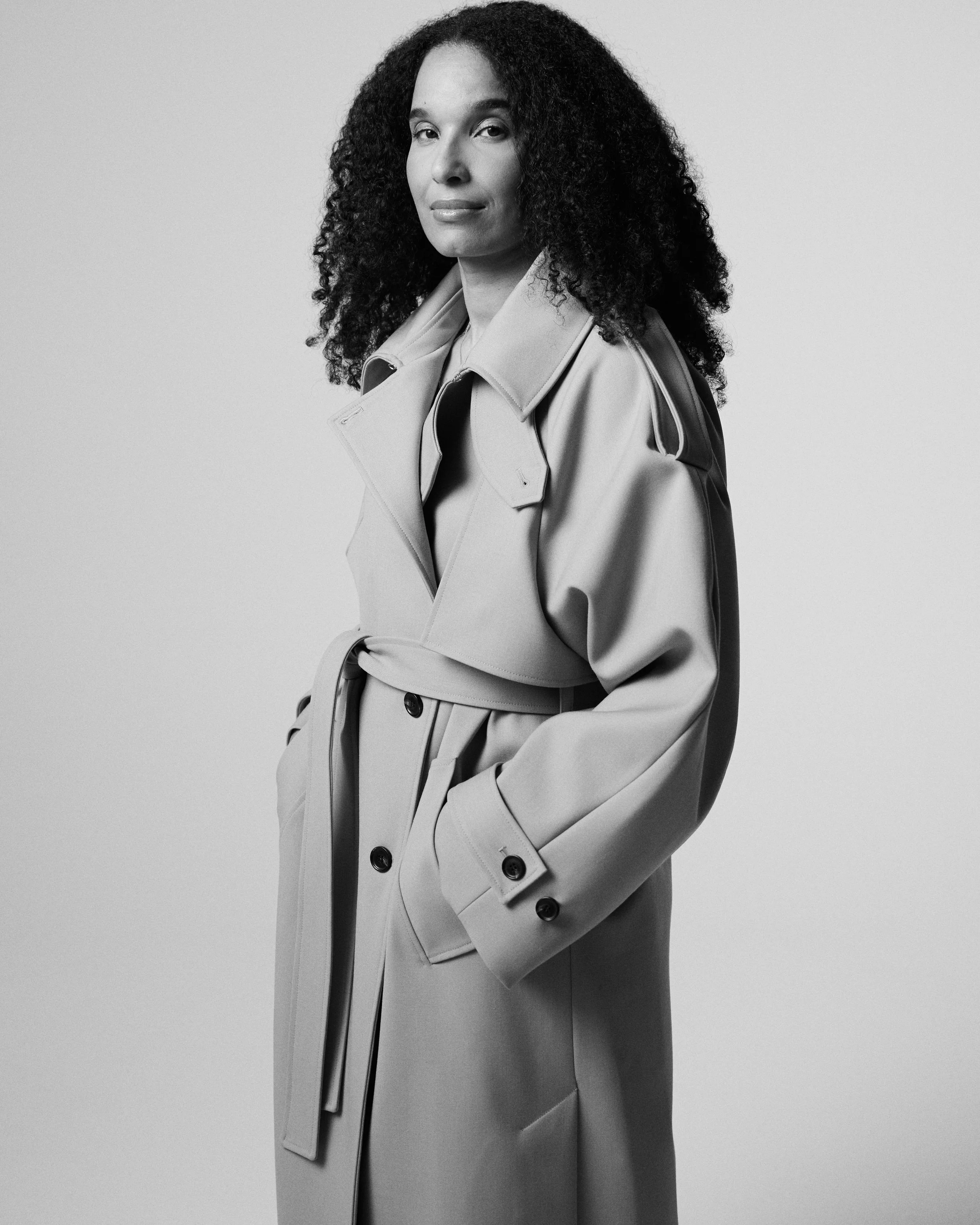
Art connoisseur Eva Langret captured by Stephanie Oonk.
Does confidence in your professional life look different from confidence in your personal life?
In both my work and my personal life, I find that confidence stems from simplicity. I try to keep the noise to a minimum and to simplify my context. Then the way forward becomes more evident and I feel confident in my decisions.
Do you believe the age of constant comparison has changed how we relate to the concept of confidence? In what way?
With social media, we have moved from building confidence – a personal, internal process of growth based on experience and learning; to seeking validation – a public process of comparison. Now real confidence requires the ability to put up “blinders” and practice self-discipline in looking away from the screen to focus on the work itself.
What's something that didn't work out the way you planned — and ended up mattering more because of it? Could you share an example?
Does anything ever work out exactly the way we planned it? Yet we’re almost always ok, so long as we can accept that change is part of the process.
This interview has been edited and condensed for clarity.
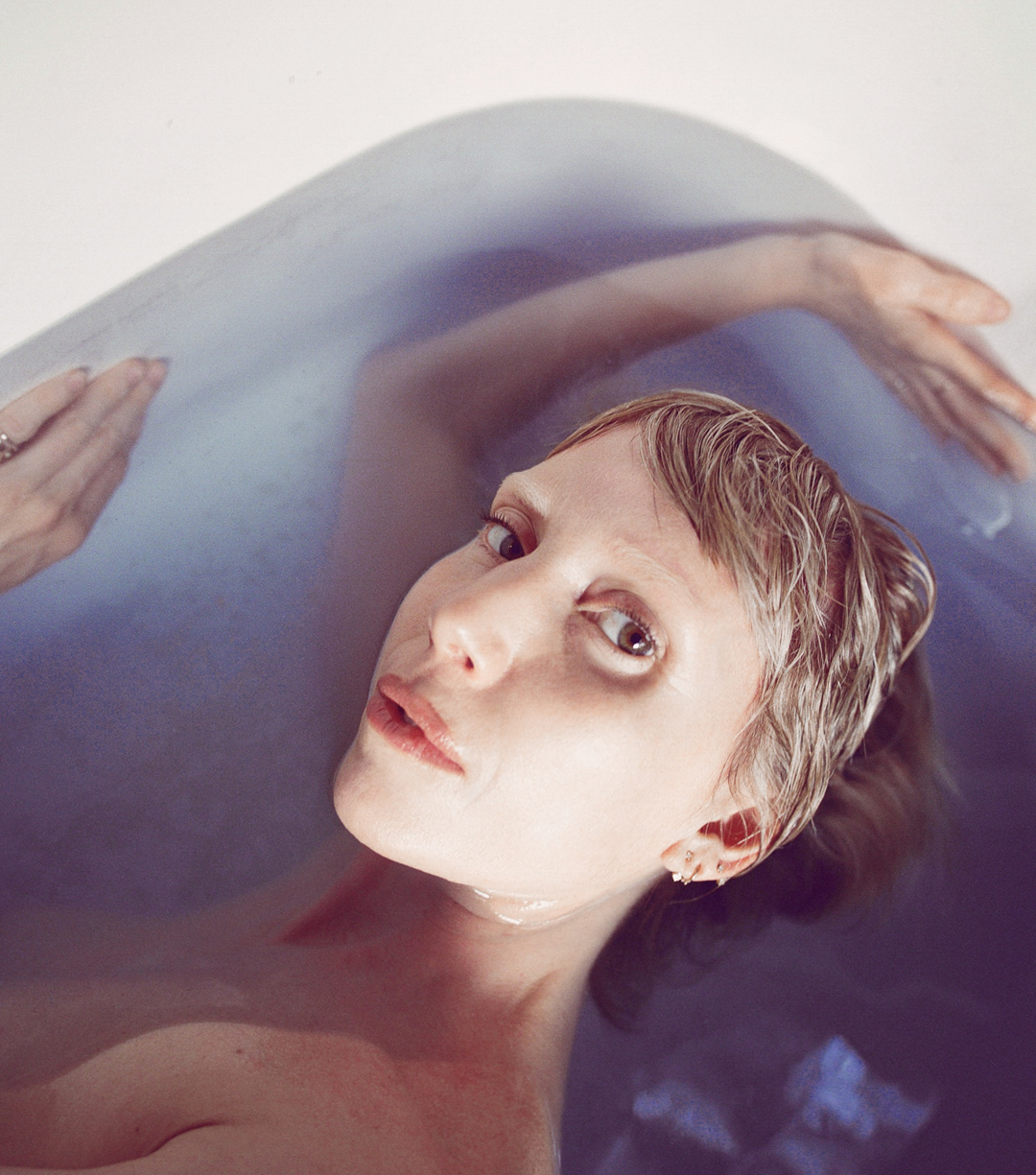
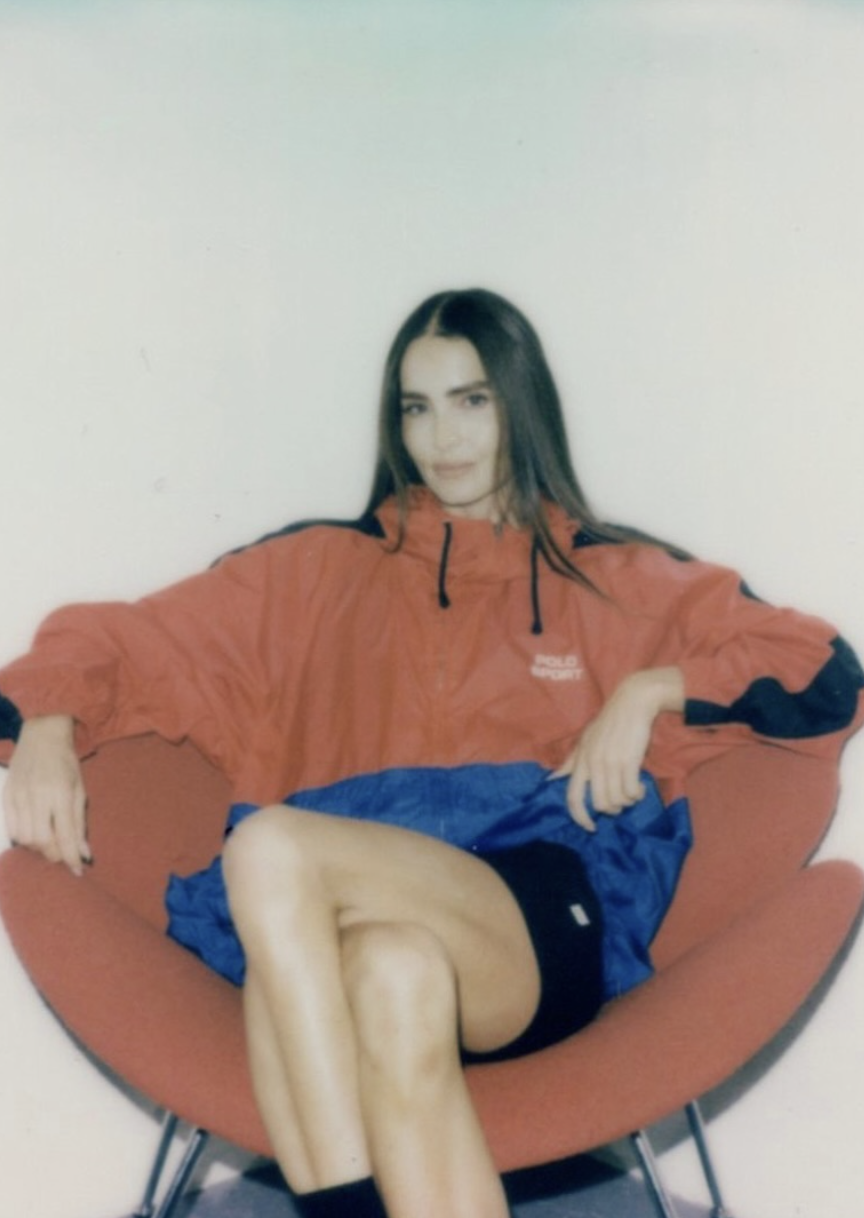
Shaniqwa Jarvis on why photographs are beautiful liars, grief as a portal, and the moment she found her whole practice hiding in a childhood snapshot.