An Art Historian With Skin in the Game
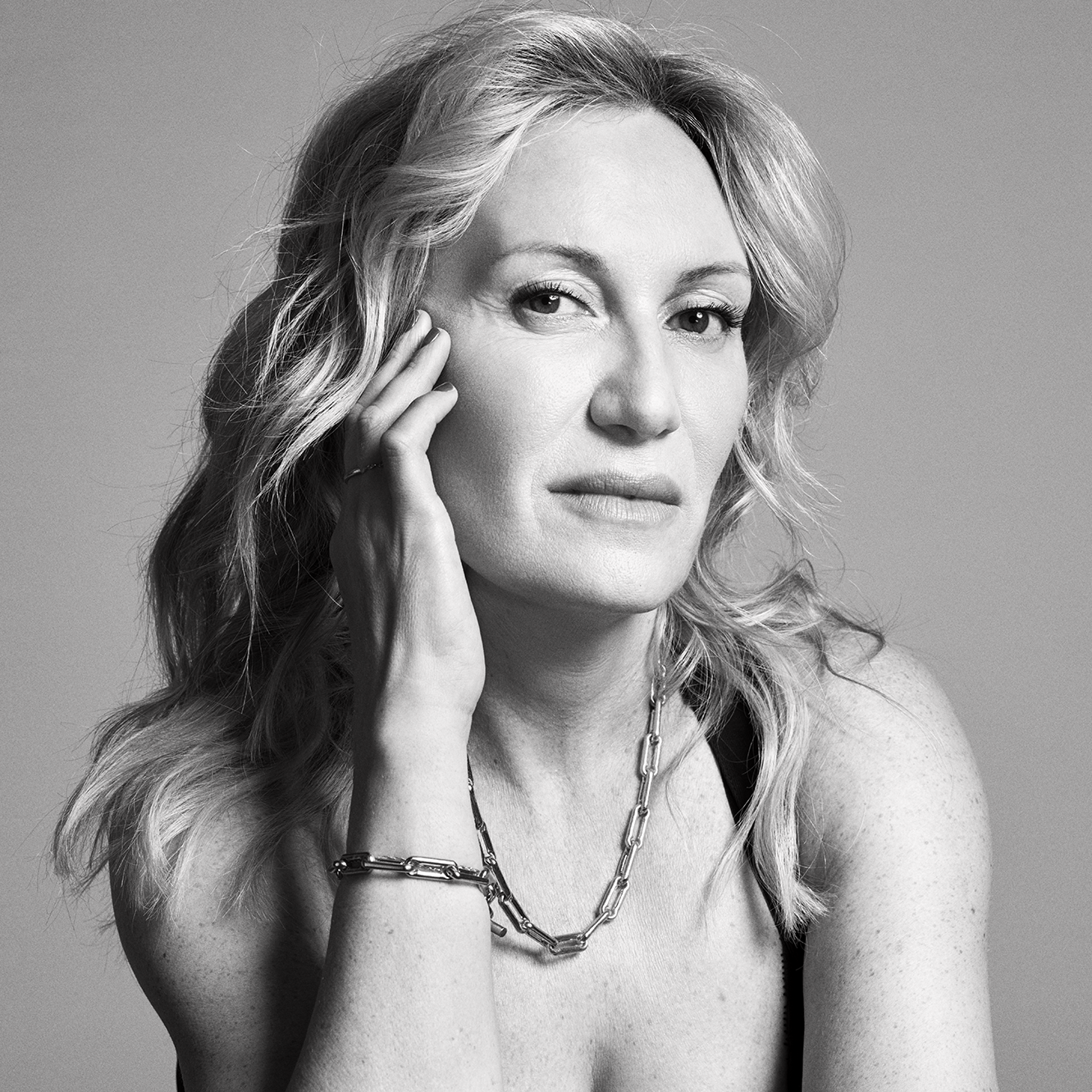
Diana Picasso wearing MENE jewelry © Paolo Kudacki
Diana Picasso
An Art Historian With Skin in the Game
To mark A Woman's Work at Basic.Space Los Angeles — a curated space by HURS showcasing furniture, design objects, and books made exclusively by women — we're speaking with the galleries and makers featured in our booth.
By Bonnie Langedijk
Diana Picasso is not in the business of preservation alone. The granddaughter of Pablo Picasso and Marie-Thérèse Walter is an art historian, curator, entrepreneur and collector whose work extends well beyond the family name.
Raised in Paris among her grandfather's paintings, she studied law and art history at the Sorbonne, trained her eye at Sotheby's, and then turned to the least examined corner of Picasso's output, his sculptures, compiling their catalogue raisonné, a project now spanning over twenty years. In 2017, she co-founded Menē, a jewelry company selling pieces in pure 24-karat gold by gram weight, introducing radical price transparency to an industry that has long resisted it. She has curated landmark exhibitions at Gagosian, the Grand Palais and Galleria Borghese, and collects broadly; from Renaissance jewelry to contemporary art.
But we’ll let her do the talking
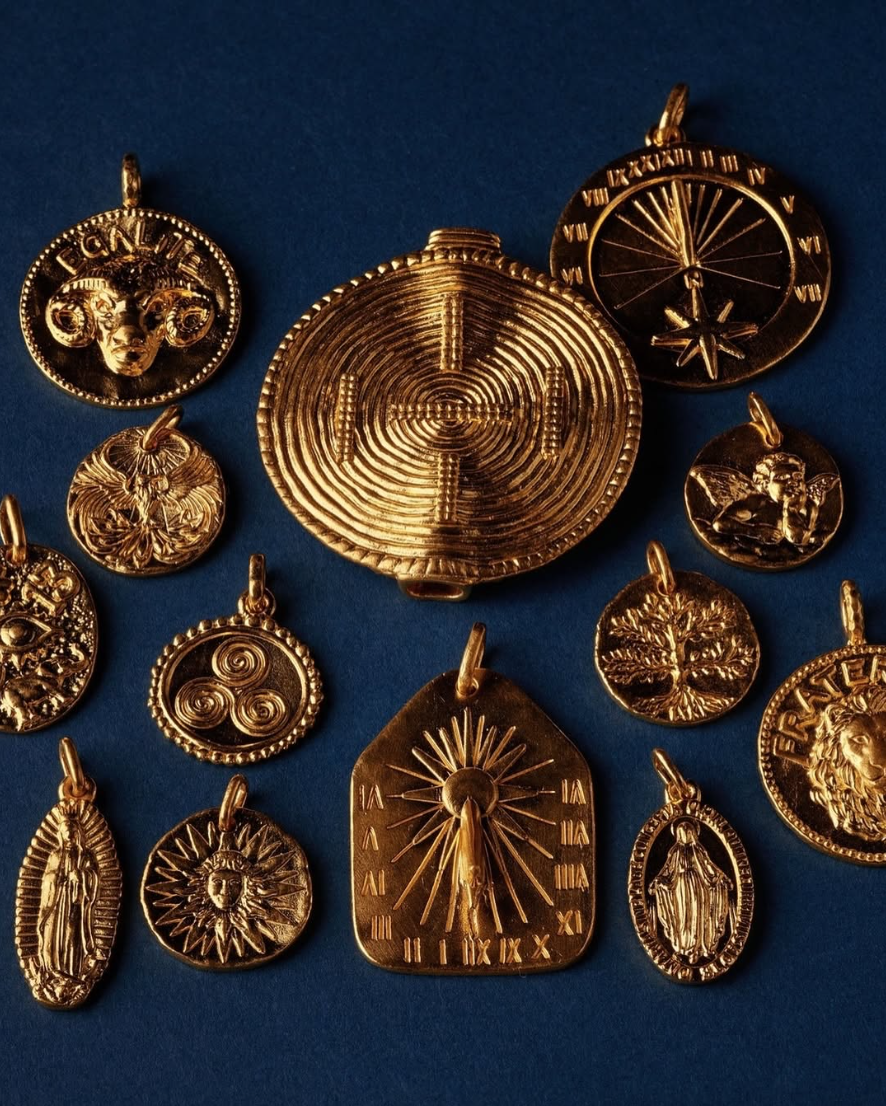
Courtesy of Menē.
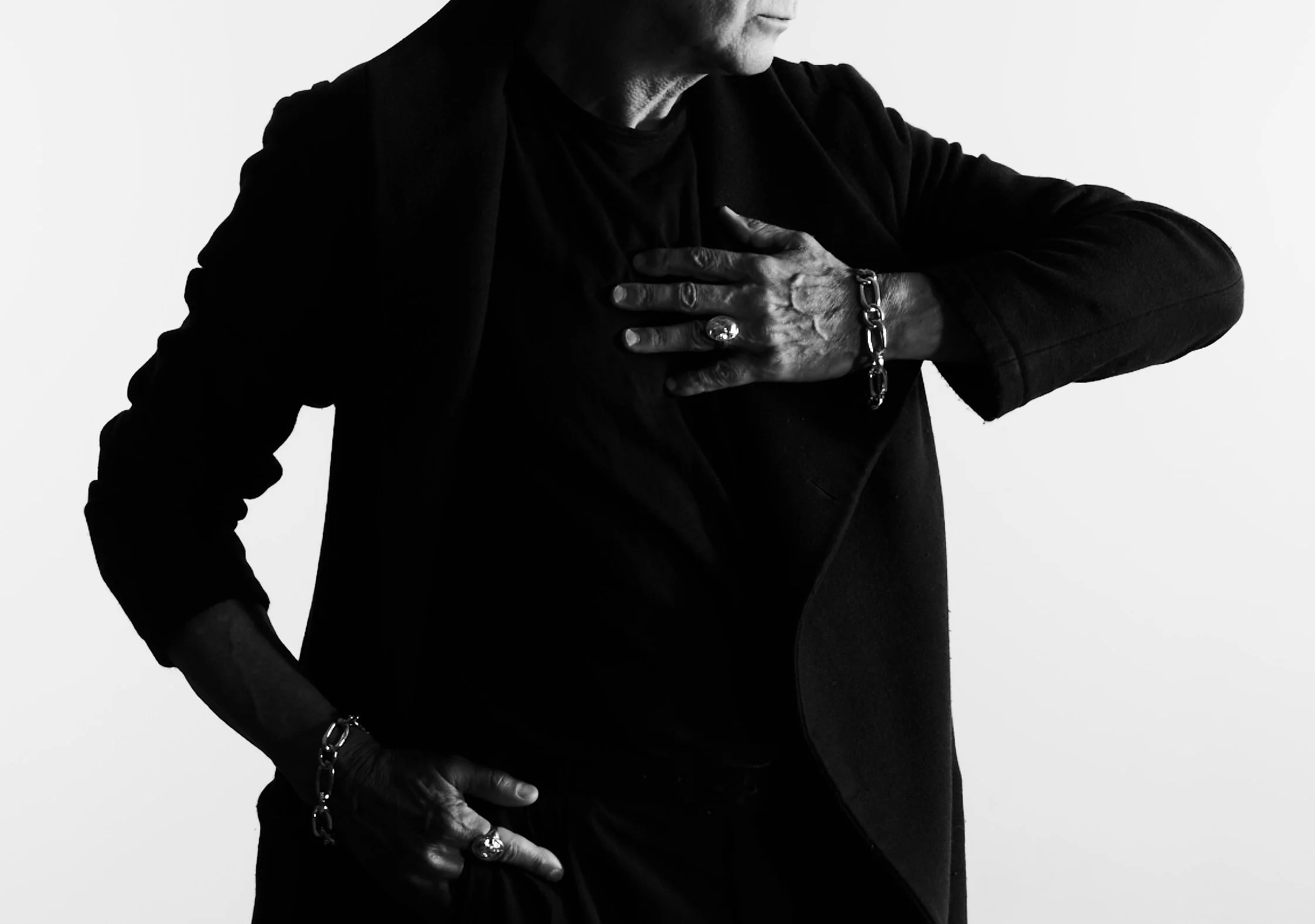
From Father’s Day campaign featuring new product for the Nick Foulkes x Menē collaboration.
Do you remember the first art work that left an impression on you?
I grew up with my grandfather’s works. Many paintings were hung on the walls of our apartment. Those masterpieces were part of my life; I could admire them every day and it surely participated in building my interest in art. My mother would often tell me stories about those works and about her childhood. I feel very lucky to have grown up in such an inspiring environment.
You studied law, then art history, then Old Master drawings at Sotheby's before dedicating yourself to your grandfather's work and building something of your own. How do those chapters connect for you?
At first, I wanted to become an auctioneer and a degree in art history and law were required at the time. So, I graduated from both. I did my thesis at the Sorbonne in Paris on the art market in France in the seventeenth century and I started working at Sotheby’s London and then Paris in the Old Master department for a few years. Perhaps, it was a way for me to establish my route. Twenty years ago, I felt the need to be more involved in my grandfather's legacy. I suddenly felt that it was a duty for me, as well as a need to reconnect with my family’s history. I started working on a catalogue raisonné of Picasso's sculptures. It is a crucial tool for anyone in museums or for the art market. For me, these chapters are deeply interconnected. My academic training taught me rigor and context; my experience at Sotheby’s sharpened my eye and instincts; and my work on the catalogue raisonné has required patience, precision, and a profound sensitivity to detail and authenticity. Together, they form a continuity rather than a rupture.
“Twenty years ago, I felt the need to be more INVOLVED in my grandfather's legacy. I suddenly felt that it was a duty for me, as well as a need to reconnect with my family’s history. I started working on a catalogue raisonné of Picasso's sculptures.”
How would you describe your eye? When you enter a room or a gallery, what do you notice first?
I think my eye is both trained and intuitive. When I enter a space, I immediately look for a kind of balance between the works. I notice how they relate to each other, how they sit in space, how light interacts with them. And then, very quickly, a detail will catch me, a line, a surface, a gesture. Something that feels unmistakably right or slightly off. I am always attentive to those subtle signals.
With Menē, you're selling jewelry by gram weight at a transparent margin. That's quite unusual in an industry built on opacity. How did that idea come about?
I have always been interested in craft. For many years my office was Place Vendôme so I guess I have been immersed in the world of jewelry for a long time admiring the work of JAR amongst many others. I am very friendly with several talented jewelry designers, but I’ve also been collecting antique jewelry for many years including pieces by Lalanne, Anish Kapoor, etc. While studying at the Sorbonne, jewelry was always a field of intense excitement. It crossed so many cultures. I met Roy Sebag, the founder, a few years ago when he was starting up the business, and he was looking for someone to oversee the artistic identity, he invited me to be the co-founder. I am always thinking a lot before putting my name to something, and I’ve been approached many times, but I liked this concept of price transparency.
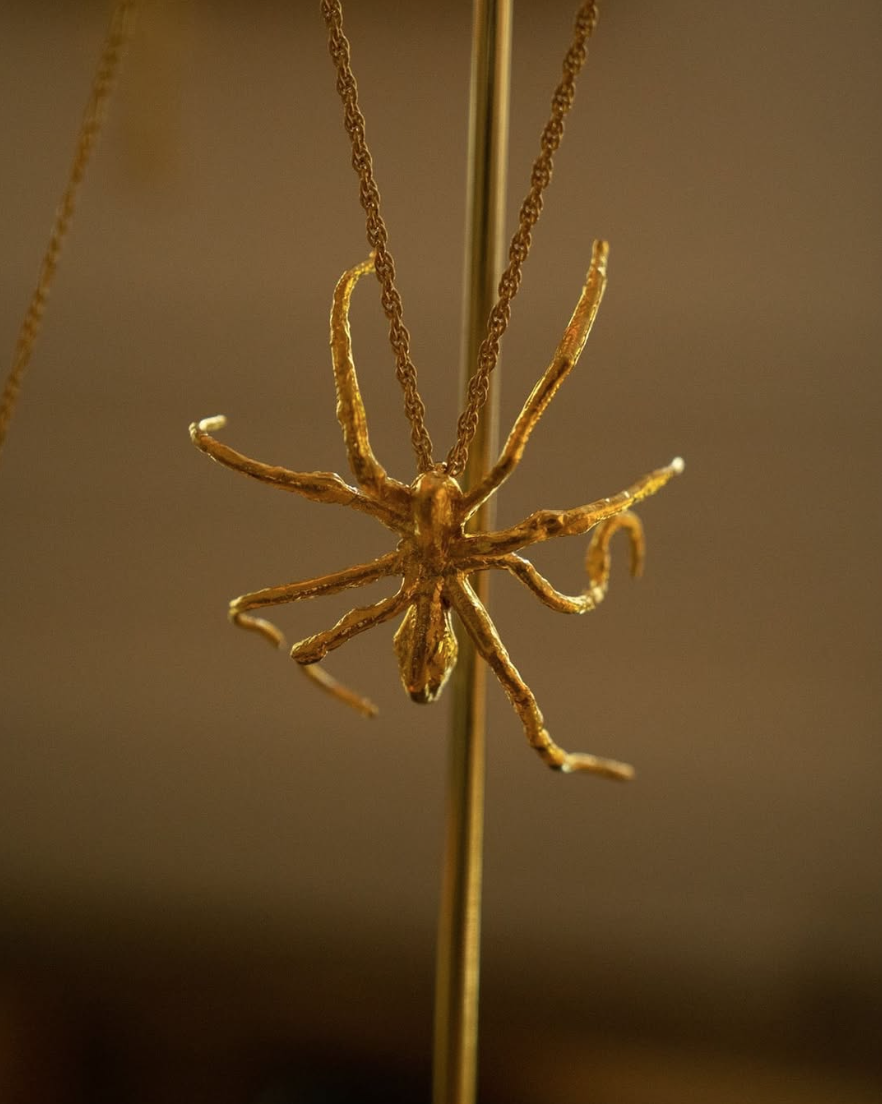
Menē’s collaboration with Louise Bourgeois’s estate. Courtesy of Menē.
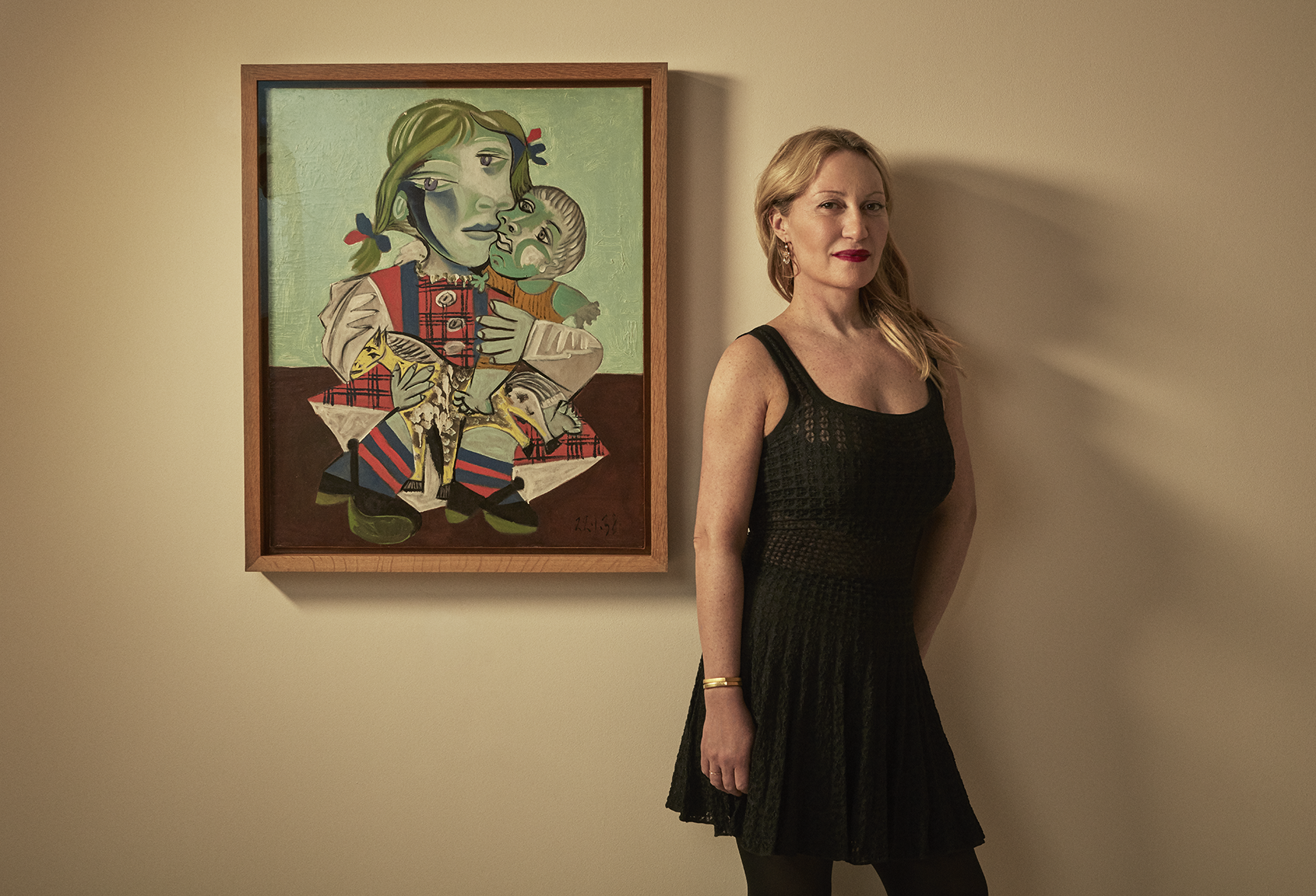
Diana in front of a painting by Picasso depicting her grandmother, Marie-Thérèse Walter: © Ezra Petronio
Price transparency is essentially absent from the art world — galleries, auction houses, even jewelry brands guard their margins closely. What do you think about that, having built something that works so differently?
It is true, price transparency is almost entirely absent from the art world. Galleries, auction houses, even jewelry brands tend to guard their margins very closely. That is precisely why I found this model so compelling. In the context of the traditional gold and jewelry market, it is quite disruptive. The idea of full transparency, where the value is clearly tied to the weight and price of gold, is something we are simply not used to in this space. That is what led me to become involved with this new kind of jewelry company, Menē. The concept is very straightforward: it offers wearable pieces priced according to the intrinsic value of the gold. Everything is conducted online, and there is also a certain flexibility, pieces can be returned, and their value, which may have increased over time, is refunded, minus a 10% fee. It introduces a very different relationship to jewelry, one that is both aesthetic and financial, almost like holding a tangible asset.
The collaboration with the Louise Bourgeois estate — casting her spider directly into gold — feels like a very considered meeting of two worlds. How did that come about?
I have always felt a deep connection to Louise Bourgeois’ work. Over time, and perhaps even more so since becoming a mother, I have grown increasingly sensitive to the way female artists express the subconscious and channel deeply personal narratives into their practice. The collaboration came quite organically through my work with Menē, in partnership with the Louise Bourgeois Foundation. I had worked on a Picasso/Louise Bourgeois exhibition and knew the director, Jerry Gorovoy, very well. We developed a series of pieces cast directly from her works, including the iconic spider. It felt like a very natural dialogue between her sculptural language and the intrinsic value of gold, something both material and symbolic.
The exhibitions you've curated at Gagosian, Picasso and Maya: Father and Daughter, draw from your family's own collection and story. What is it like to present something so personal in a public context? What was your curatorial approach?
It was a very particular experience, as it was both deeply personal and inherently public. There is a real responsibility in sharing something that comes from one’s own family history, but also a desire to make it resonate beyond that intimacy. For Maya Ruiz-Picasso, Daughter of Pablo, my aim was to bring together a significant group of fourteen portraits of Maya, and to revisit this part of Picasso’s work through the lens of their relationship. I wanted to highlight the bond between father and daughter, and to show how Maya’s presence nourished and amplified his fascination with childhood. The exhibition brought together major works from the 1930s–portraits of Maya and Marie-Thérèse–alongside sculptures, paper cut-outs, and a selection of memorabilia, including letters, poems, and personal objects. I also included a strong photographic component, with some previously unseen images, to offer a more intimate and human perspective on Picasso’s life, particularly during his years in Cannes, when he shared happy moments with his children. Ultimately, it was a very personal and intimate exhibition, but one that I hoped allowed others to connect with that story in a meaningful way.
You've been compiling a catalogue raisonné of Picasso's sculptures for over twenty years. His sculpture has always lived in the shadow of his painting. Why do you think that is, and what do you see in it that the paintings don't give you?
Though the public was very familiar with Picasso’s paintings, his sculptures remained one of his best-kept secrets for years. Of the countless exhibitions devoted to his work, few focused on sculpture, with curators tending to give pride of place to his paintings. This was primarily due, however, to the way in which Picasso controlled the distribution of his work. Paintings dominated a major retrospective at the GaleriesGeorges Petit in 1932, even though the exhibition was curated by Picasso himself. The artist chose just seven sculptures. The Hommage à Pablo Picasso exhibition, organized by Jean Leymarie at the Grand Palais and Petit Palais in Paris, opened in 1966 and presented for the first time an outstanding collection of 187 sculptures and 116 ceramics, hitherto unknown to the general public. Most sculptures remained in Picasso’s possession until his death and were shown at the Grand Palais in 1979-1980 as part of an exhibition of works received in lieu of inheritance tax. Although his dealer Daniel-Henri Kahnweiler regularly suggested that the artist exhibit his sculptures, Picasso always refused, for no apparent reason. This would suggest a particular attachment to his sculptures. For me, Picasso’s sculpture reveals something entirely different. It is more experimental, more intimate, and in many ways more radical. There is a freedom in the way he approaches materials—assembling, transforming, rethinking form—that you don’t always find in the same way in the paintings. Sculpture allowed Picasso to move in space, to engage directly with volume, balance, and physical presence. It has a kind of immediacy and tactility that brings you closer to the artist’s process, almost to the gesture itself. What fascinates me is precisely this sense of invention and play. In his sculptures, you see Picasso thinking, testing, and reinventing constantly. It offers a more private, almost experimental side of his creativity, one that complements, but also expands beyond, what the paintings can convey.
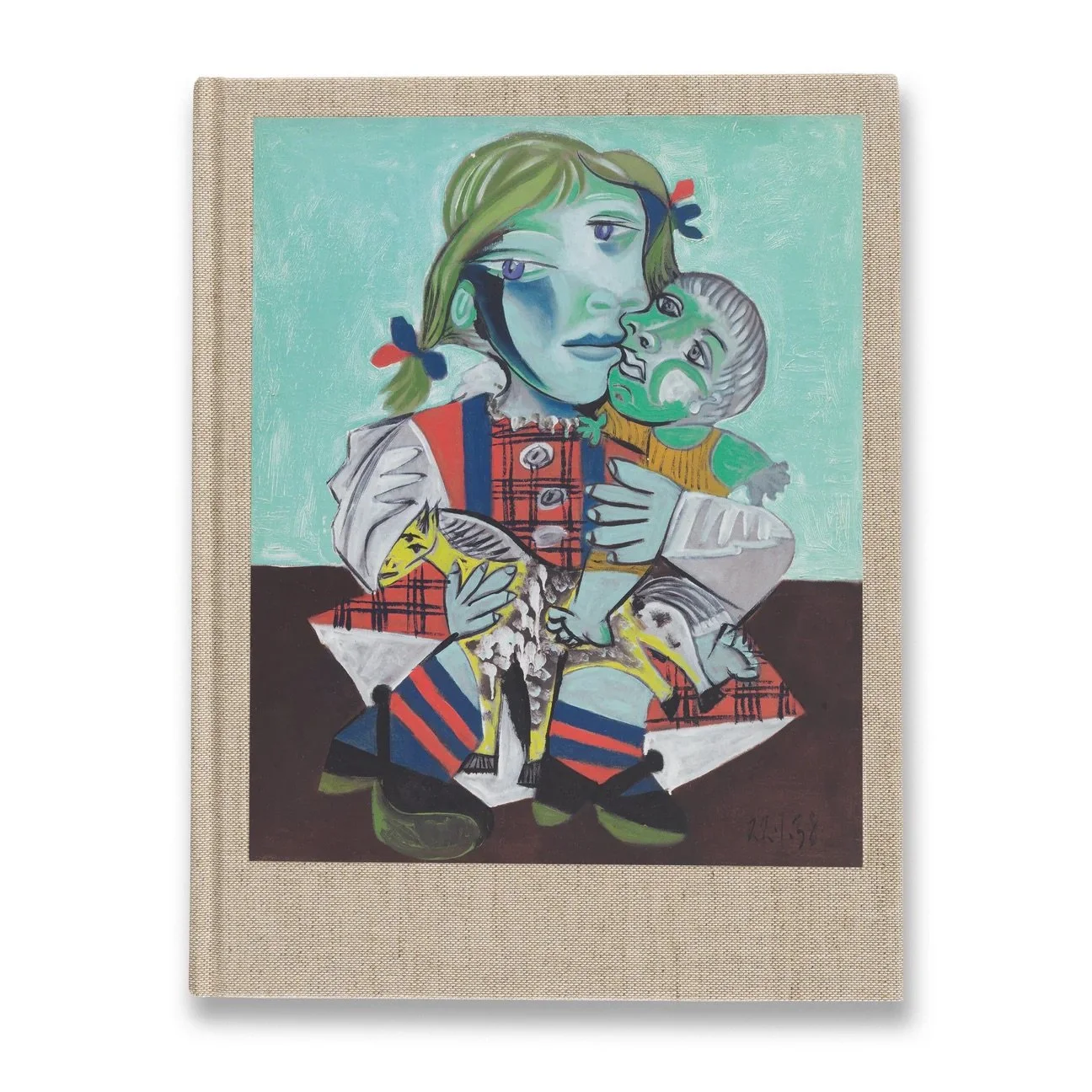
Picasso and Maya: Father and Daughter. Courtesy of Gagosian.
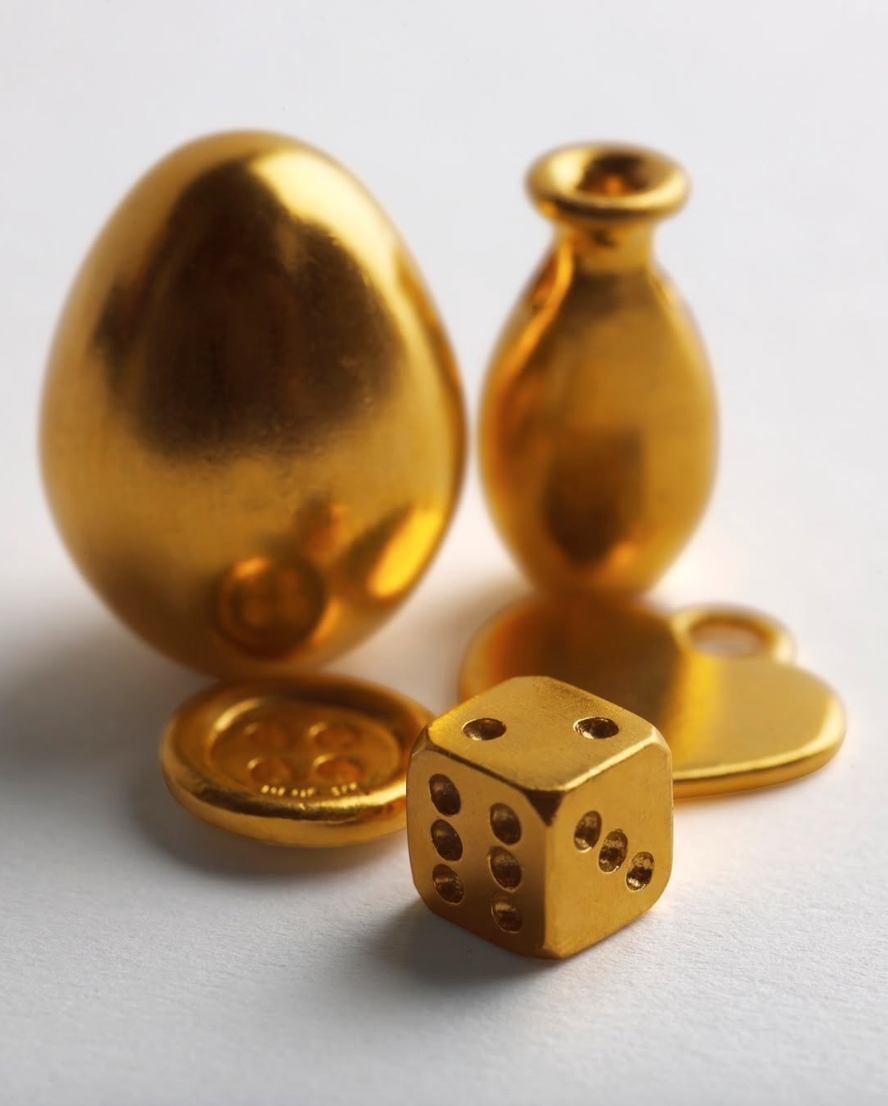
Courtesy of Menē.
Is there something you wish people understood differently about your grandfather?
I think what is sometimes overlooked is how profoundly present women were in my grandfather’s life and work, not only as companions, but as true sources of inspiration and creativity. His relationships were complex, of course, and are being reexamined today in light of contemporary conversations. But beyond the myth of the revolutionary genius, there was also tenderness, joy, and a sense of playfulness. These relationships were deeply intertwined with his artistic process and imagination.
You collect quite broadly yourself, Old Masters, contemporary art, historical jewelry. What makes you want to live with something?
In the Renaissance, collectors were called connoisseurs or curious. One would try to understand the world through its collection which led illustrious figures such as Laurent de Médicis to collect not only art but objects related to science or astronomy. For me, art is a way to learn more about the world and human psyche. I like to tell stories because we are storytellers.
How do you feel about the way people encounter art and culture today? What are some of the biggest shifts you’ve encountered throughout your career and appreciation of the arts?
There is undoubtedly a lack of connoisseurship amongst collectors today, particularly collectors of contemporary art. The chase for business opportunities has distracted them from the real value of art. The present economical situation is redirecting artists, dealers and collectors to a wise direction. In the end, if there is a real value to the art, there will be a good story to tell. And collectors will take pride in sharing how much they have learned through the arts.
What are you most curious about right now?
I take a particular interest in treasure hunting these days partly because I have an 8 year old daughter. I am fascinated by the dreamers seeking for gold coins or buttons in the Seine River. I am reading Thames mudlarking, searching for London’s lost treasure by Lara Maiklem which tells the incredible, forgotten history of London through objects found on the foreshore of the River Thames.
This interview has been edited and condensed for clarity.
Shaniqwa Jarvis on why photographs are beautiful liars, grief as a portal, and the moment she found her whole practice hiding in a childhood snapshot.