On Confidence: Nuria Maria
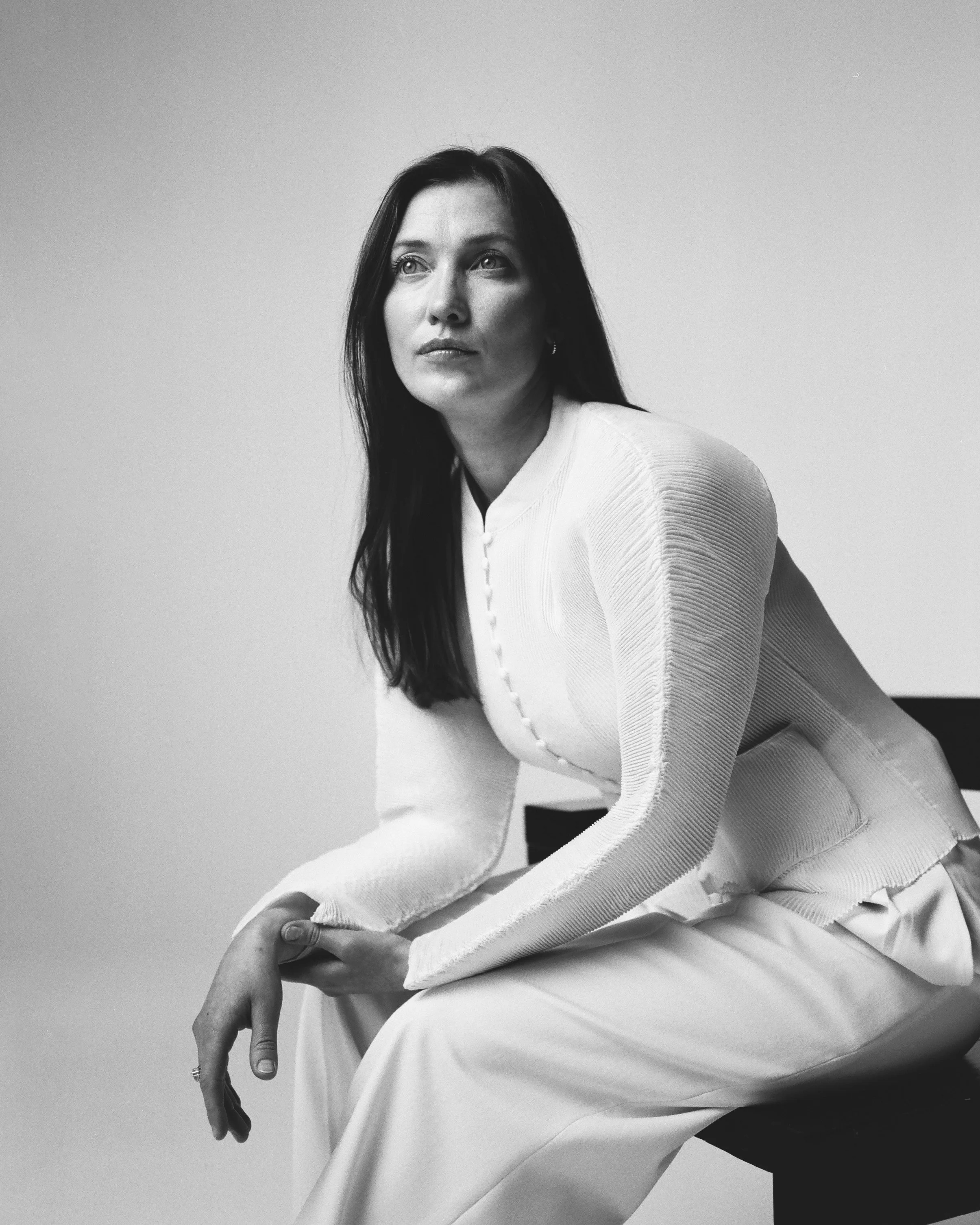
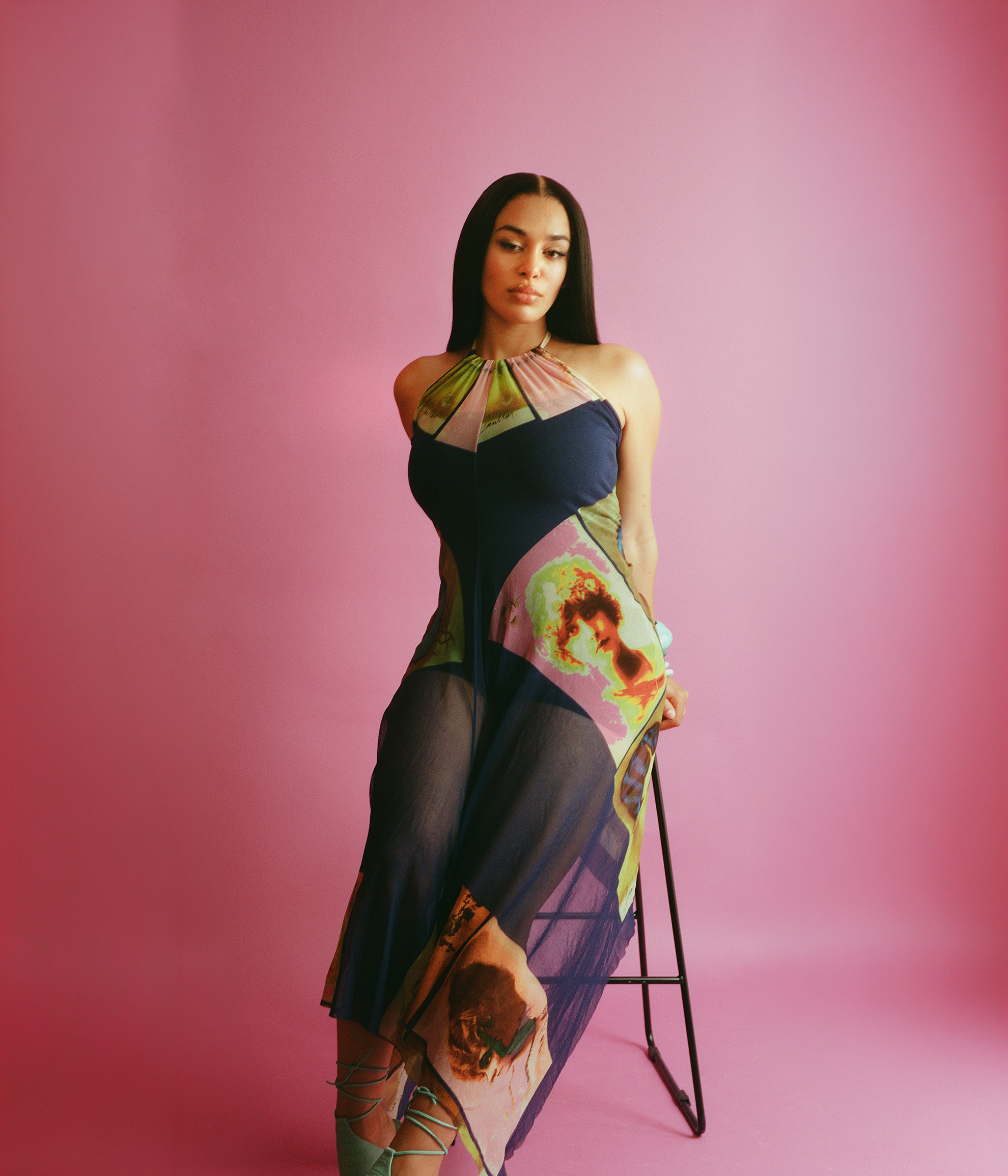
Dutch artist Nuria Maria, captured by Stephanie Oonk.
Nuria Maria
We talk about confidence as though it's something you either have or you don't. But the women we admire most tend to describe it differently. As something earned, tested, and closely tied to the environments they work in, the people around them, and the courage to do things on their own terms. We spoke with three of them about what that looks like in practice.
In Partnership with Róhe
By Bonnie Langedijk
Dutch artist Nuria Maria grew up around art and ended up inside it. She studied at the art academy in Maastricht, started out figurative, and gradually moved toward abstraction. Her paintings try to capture something specific but hard to hold: a quality of light, the atmosphere of a moment, the shift between seasons. She describes confidence in a similar sense: not something you have, but something you protect. Through vulnerability, through sincerity, through refusing to make work for anyone's liking but your own.
How do you relate to the concept of confidence?
For me, confidence has to do with daring to be vulnerable, open, sincere. Being interested in others and things outside your own world. Not feeling all too conscious of oneself constantly. Seeing things with a little bit of humour. Being true to oneself. I think people who dare to not fit in can be very inspiring. How confident we feel is shaped by the people around us and how we grew up — whether it feels safe to be yourself.
What makes you feel confident?
Finding joy in doing something specific. I have always had a strong sense that what I wanted to make would come out that way. It has to do with doing things for yourself initially, and realising how that changes your perspective compared to doing something for other people's liking. Creating gives me confidence, but so does being in nature. It puts things in perspective. I go for long walks, or when it's raining I go for car rides around the countryside, and it grounds me. And most importantly: being around my family. The bond I have with my parents and my sister is something that definitely shaped me.
“I can truly lose myself in painting and have always felt incredibly RESTLESS when I'm not making something. But I also need moments where I don't paint — to clear the mind and make space.”
You have a distinct point of view within your work. How have you developed it and how do you protect it?
I developed my style gradually, always with an urge to push as far as I could. I have worked like a maniac over the past years, because I wanted to. I can truly lose myself in painting and have always felt incredibly restless when I'm not making something. But I also need moments where I don't paint — to clear the mind and make space. It's a very important part of my process, often a time where I write about certain ideas or themes I want to build out in a show. My paintings, abstract or figurative, are carried by my emotions. I have always been obsessed with colours and beautiful things. I collect them, arrange them, get attached to them — which is perhaps not always considered the best thing to do, but it is who I am. I can spend hours arranging things by colour: in the house, on the shelves, collecting photos, postcards. I am obsessed with the visual and the emotional. This combination leads to where I am now. To protect that, I must allow myself to be vulnerable and as honest as I can be. If I want to protect my work, I need to protect the sincerity of it. And understand that in the end, what I make, I make for myself.
Are there artists or artworks that have changed your perception of confidence?
What inspires me most is when someone dares to be vulnerable, to show something true to them — whether in art, music or film. That doesn't mean the person themselves is necessarily confident, but the act is. That form of being brave inspires me. The artists that seem to make the least concessions often show the most joy in their work. A certain possessedness, an urge, that I find deeply inspiring.
Does confidence in your professional life look different from confidence in your personal life?
You don't have to feel good or confident emotionally to make something strong. And vice versa — you can feel incredibly joyful and make something that looks more intimate. With my work, it's easier to separate outside influences or critiques than when it concerns my personal life, where I am very sensitive. Deciding that you are the one to judge your own work is a strong position to work from. In my personal life, I can't just distance myself from other people's emotions or opinions.
We live in a time of constant comparison. How does that affect you as an artist, and do you think it’s harder today to create a distinct practice as an artist? In what way?
I don't compare myself to other artists. The tricky thing with social media is that you can create your own bubble without noticing, and these bubbles create a certain style you could get trapped in. It's important not to be tempted by that. This is different, though, from being inspired by others or appreciating their work. In that respect, social media has been an incredible tool to meet people in my field.
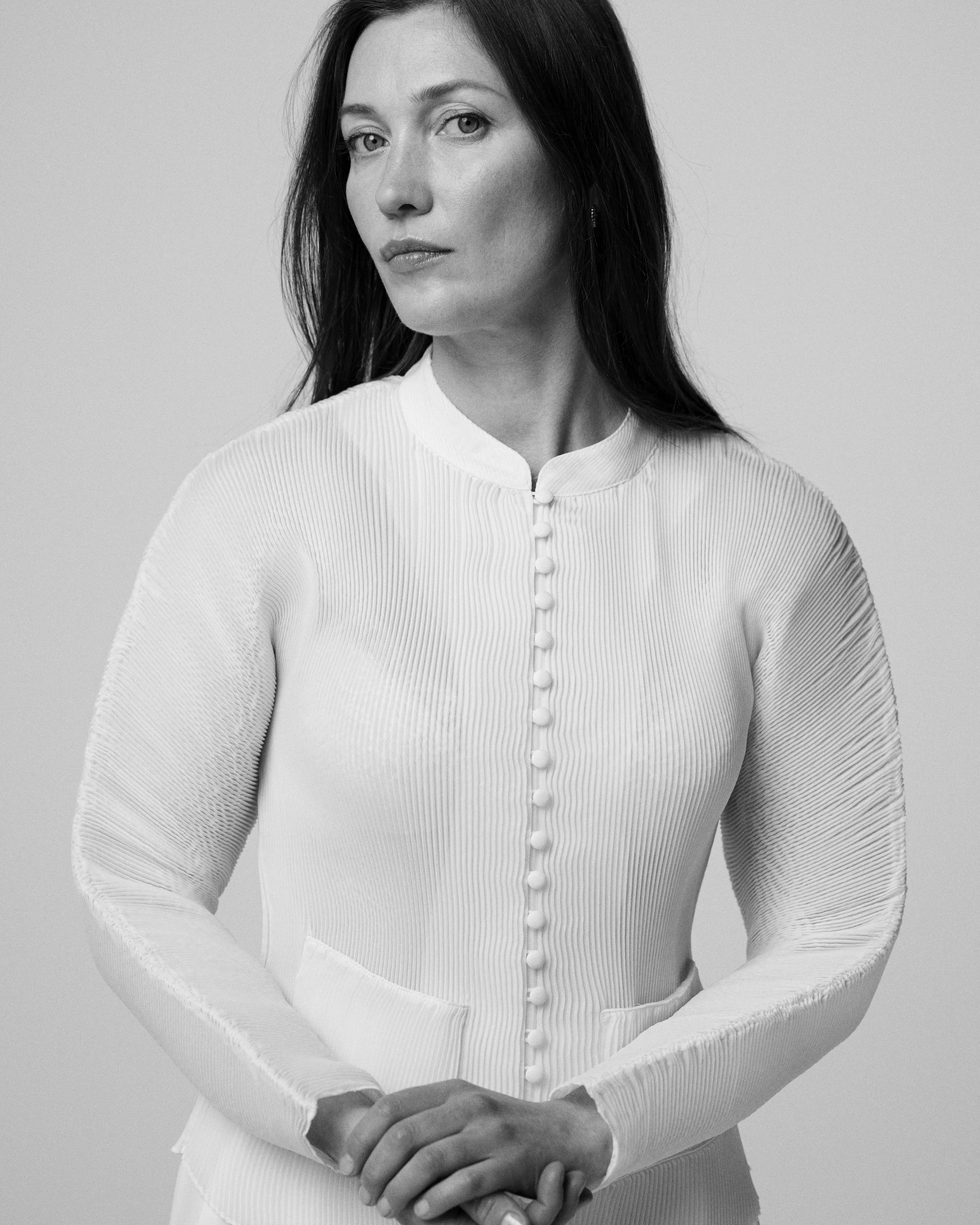
Dutch artist Nuria Maria, captured by Stephanie Oonk.
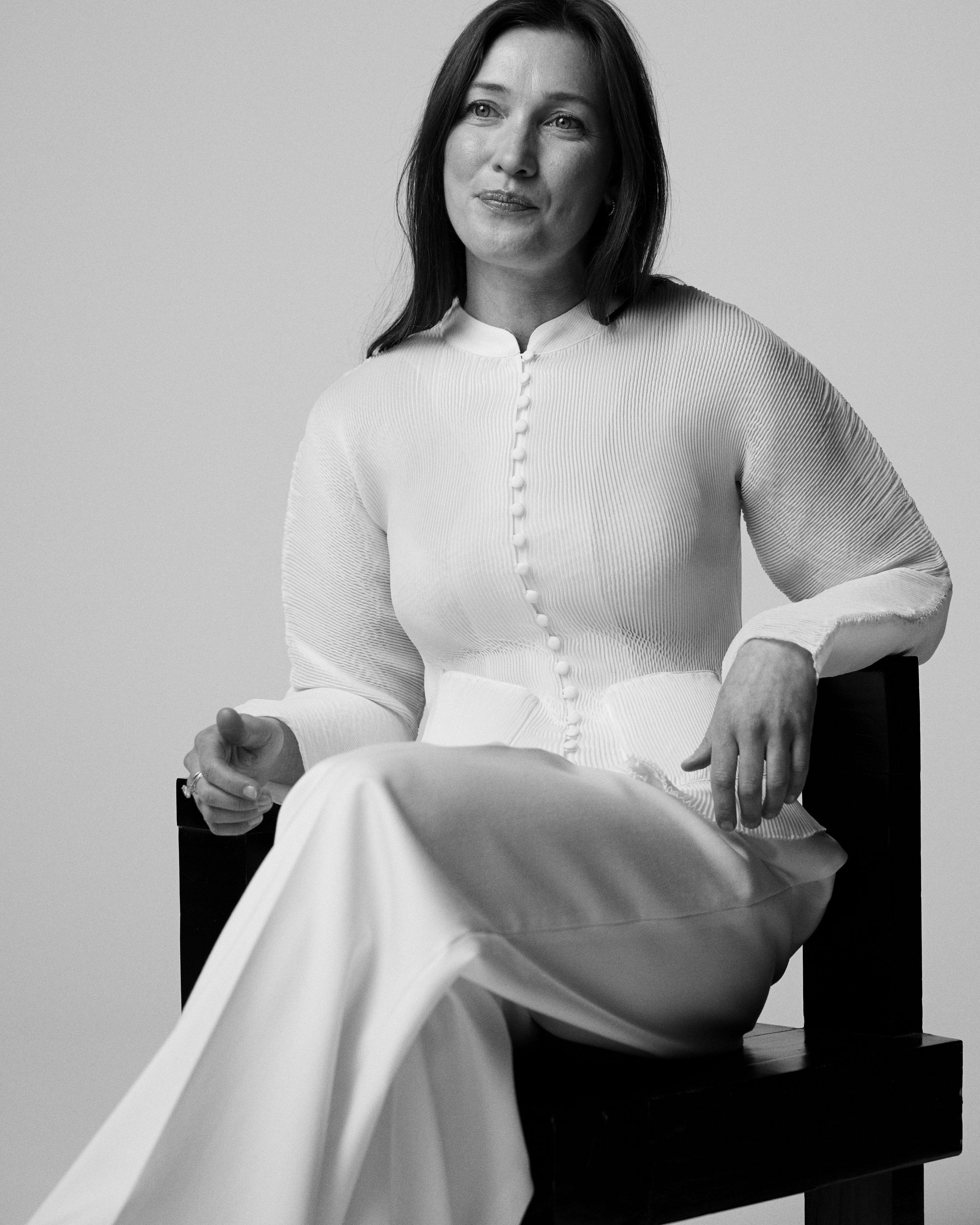
Dutch artist Nuria Maria, captured by Stephanie Oonk.
We tend to associate confidence with success, but in my opinion confidence is often built or strengthened when things don’t go as planned. How do you look at the relationship between confidence and getting it wrong? Is there an example you’d be open to share?
Perhaps the time I randomly moved to Rotterdam after the art academy. I'm not a city person at all, so it feels like a strange decision in hindsight. Before I moved there I had only been once, and that visit was inside a museum. Even though I desperately tried to make it work, I found myself running back to the countryside almost every weekend. It made me realise I need green around me, solitude and space to work. It convinced me to start looking for a barn in the countryside to live and work in. And I found that place. Being outside more absolutely transformed my work. I am a firm believer in letting things not go as planned — it will lead you somewhere else, if you are open to it. That is how work grows naturally. And it is something I really had to learn: to let go of constant control.
There's a physical dimension to confidence that doesn't get discussed seriously enough — what you wear, how a space makes you feel, whether a room was designed with your body in mind. How much of confidence is environmental?
This is something I think about constantly. There's this saying: attention beautifies everything. In architecture, the use of materials, measurements, light, climate, colours all influence how we feel physically and emotionally. On a bigger scale, I think places with characteristic elements — unique buildings, local shops, subcultures, small companies instead of big franchises — affect the mindset of people enormously. A city should create the opportunity to explore: new things, old things, rarities, expertise. That helps to discover and develop one's identity. I am currently building my own space: a barn I bought in Limburg, a big renovation project with the goal of creating an inspiring place designed for art and design to come out at their best.
How does what you put on your body affect how you feel?
What I wear on my skin directly sets a tone. Good materials are essential. A beautiful elegant garment brings a very different mood than my brown suede cowboy jacket, maybe because somewhere in the back of my mind there is a girl riding a horse in the desert when I wear it. I very much enjoy dressing up and creating a certain mood with what I decide to wear.
Are there people, places or rituals that reliably bring you back to yourself? Is there a part of your life where you're still building confidence?
People: my family, always. Places: the south of Limburg, where I come from, and Finland, where my grandmother came from. Rituals: a glass of wine with friends, playing the piano, going into nature. I think every time you take steps doing something new, you are re-testing your confidence. That challenge is healthy. I should not take my own confidence for granted. I feel like I have to earn part of it over and over again, and I owe it to myself to keep challenging myself like that.
This interview has been edited and condensed for clarity.
Shaniqwa Jarvis on why photographs are beautiful liars, grief as a portal, and the moment she found her whole practice hiding in a childhood snapshot.