On Beauty: Zélikha Dinga
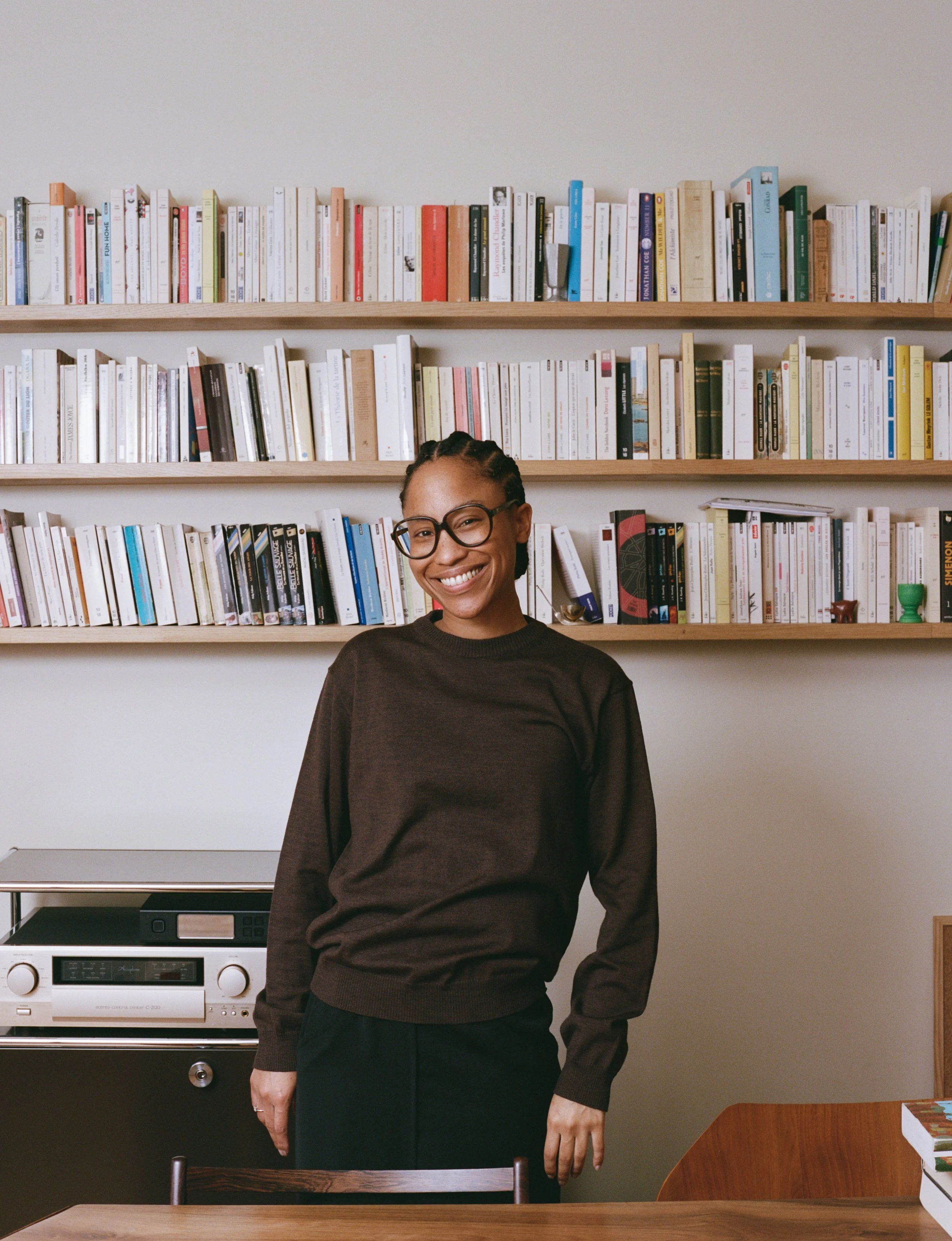
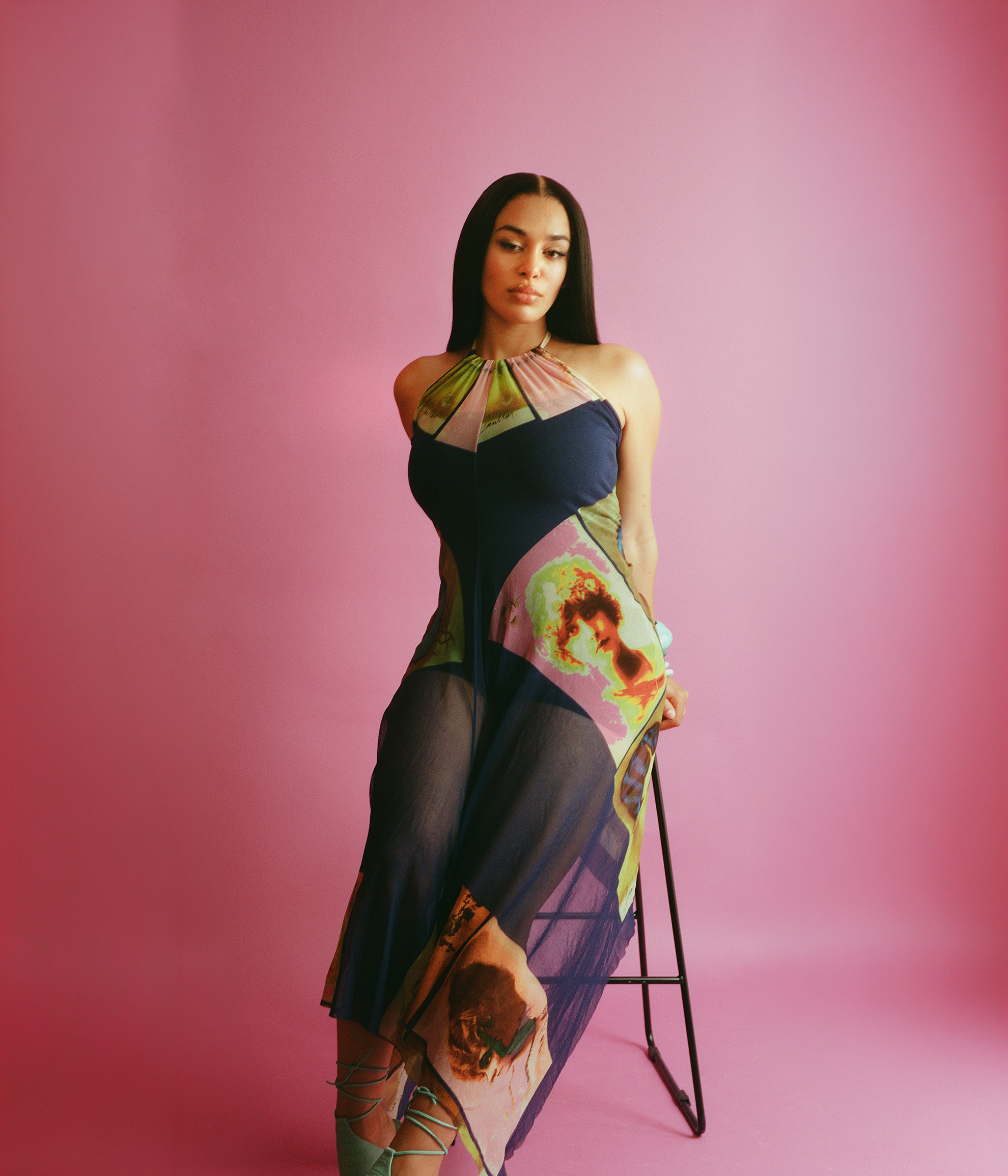
Zélikha Dinga in her home. Photography by Neige Thibault. Courtesy of HURS.
Zélikha Dinga
What does beauty mean today? And who gets to define it? We speak with five leading women who've built their lives around chasing it—a gallerist, a designer, a stylist, a chef, a founder—each redefining what beauty looks like on their own terms.
In partnership with Saie.
By Bonnie Langedijk
Zélikha Dinga was supposed to take over her mother's bookshop. Instead, she found her way to the kitchen. Trained at Ferrandi after studying literature, the Parisian chef and food artist founded Caro Diario in 2020—a creative studio that turns food into something closer to theatre. Her culinary installations blend the generosity of Italian cooking with the precision of French pastry, and her client list includes Alaïa, Prada, Nike and Flos. But at the heart of it all is transformation—ingredients into narrative, meals into memory. She never lost her love of books. She just found a different way to tell stories.
What do you think about the concept of beauty? Both in your personal life and profession?
That’s a philosophical question, one for which I’d probably need a pen and a piece of paper for a couple of hours. In my profession, beauty is both a pursuit and a subject of interrogation. What interests me is that it is at once universal and deeply personal. I try to separate beauty from what is merely pretty or simply aesthetically pleasing. In my personal life, I realise that what I find beautiful has expanded rather than changed over time. I’m still drawn to the same things I found beautiful fifteen years ago, books, music, painting, people. At the same time, I now find beauty in things that once felt distant or unfamiliar to me.
What are some of the key elements that have shaped your sense of beauty, style, and taste? What makes something or someone beautiful to you?
My parents, of course. Their taste was my taste, until I gradually found my own. I’m very attached to the balance between inheritance and rejection. Beauty can take many forms for me, intellectual or sensual.
“ I’m very attached to the BALANCE between inheritance and rejection. Beauty can take many forms for me, intellectual or sensual.”
When did you start thinking about food as something more than just eating well?
Always. My relationship with food began with my eyes, as a child, reading and looking at cookbooks in my mother’s bookshop. Since then, food has always been a multisensory experience for me, but a highly visual one.
Do you think social media has changed the way chefs think about plating?
I developed my palate by eating and by being curious. Social media has undeniably changed many things. We can’t pretend we’re not all exposed to it. Whether you love or hate what you see, whether you search for inspiration or recipes, it inevitably impacts the way we work. It shapes our visual culture and our aesthetics.
Is there a dish or cuisine from your childhood that still influences how you cook today?
French pastries
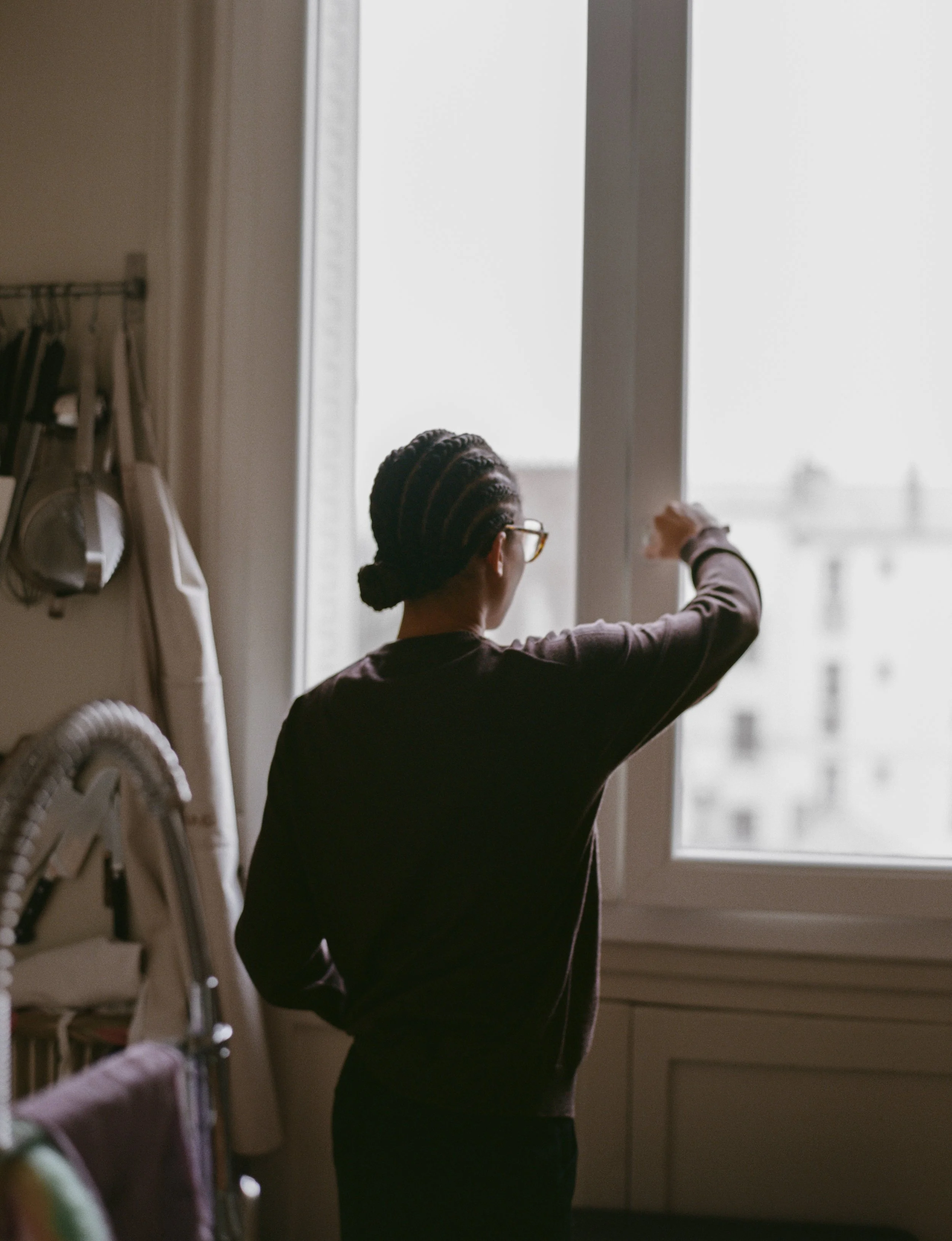
Zélikha Dinga in her home. Photography by Neige Thibault. Courtesy of HURS.
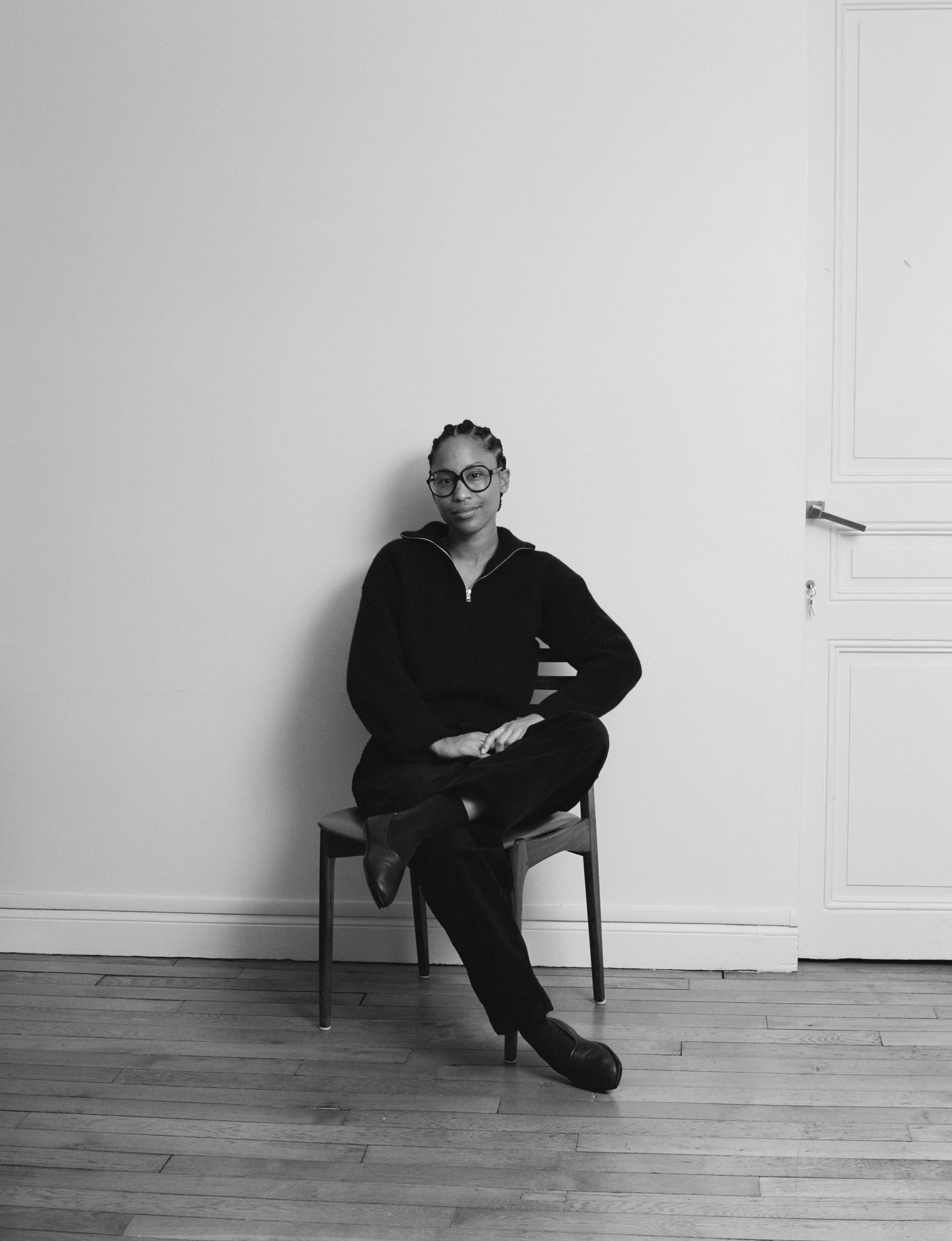
Zélikha Dinga in her home. Photography by Neige Thibault. Courtesy of HURS.
How do you decide what’s worth putting on a plate? How do you find the balance between tasting good and looking good?
Through trial and error, and by making decisions in the end. Sometimes you lean a little too far to one side, but that’s not dramatic, it’s part of the process.
How do you view the current landscape of food as a vehicle for other creative industries (fashion, design, beauty, art), and how do you protect the authenticity of food itself as well as your personal vision? I think what’s happening today is fantastic. Food has fully entered the creative conversation, and it’s an incredibly exciting moment. My vision is personal. To me, that means it can be copied, that’s fine. I’ll come up with new ideas, new visions. That’s part of the work.
What do you wish people understood about the difference between pretty food and good food?
Like in life: if you’re pretty on the outside, do your best to be good on the inside.
This interview has been edited and condensed for clarity.
Shaniqwa Jarvis on why photographs are beautiful liars, grief as a portal, and the moment she found her whole practice hiding in a childhood snapshot.