On Beauty: Laney Crowell
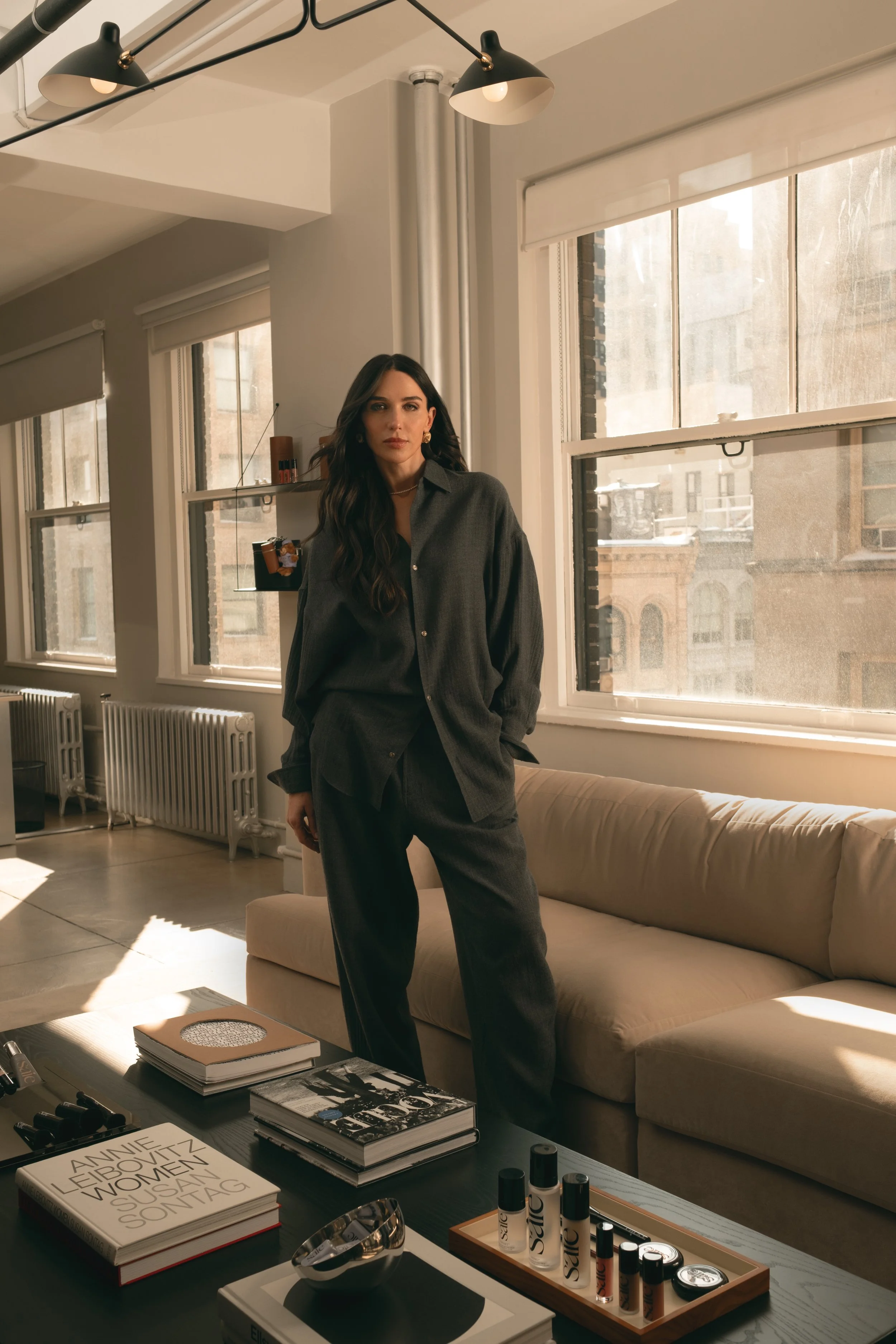
Laney Crowell captured at the Saie office. Photography by Savannah White. Courtesy of HURS.
Laney Crowell
What does beauty mean today? And who gets to define it? We speak with five leading women who've built their lives around chasing it—a gallerist, a designer, a stylist, a chef, a founder—each redefining what beauty looks like on their own terms.
In partnership with Saie.
By Bonnie Langedijk
Laney Crowell got tired of waiting for someone else to fix beauty. After years working with major brands including Estée Lauder, she saw a gap no one was filling—makeup that performed, felt good, and didn't ask you to compromise. In 2019, she launched Saie and has built one of the industry's most-watched clean beauty brands. But Crowell's ambitions stretch beyond product. She spearheaded The Every Body Campaign—the largest reproductive justice initiative the beauty industry has seen—and sits on boards championing sustainability and the position of women in business. Crowell is proof that building something better doesn't mean playing it safe.
What do you think about the concept of beauty? Both in your personal life and profession?
Makeup has always been fun and playful. I've always liked beauty that doesn’t feel complicated. At Saie, our focus is on makeup that makes your skin better. We do things differently than traditional makeup brands—we start with skin-first formulas that perform, feel good, and improve your skin over time. Today, beauty isn’t about covering up, rather it’s a form of self-care—products that help you feel like your most confident self.
What are some of the key elements that have shaped your sense of beauty, style, and taste?
Growing up, I was influenced by women who felt very real, thoughtful, and effortless rather than overly polished. Living in Paris also shaped me deeply. I was enamored by how women there could embody beauty that felt clearly present, yet barely there. I’ve always gravitated toward things that feel intentional but unfussy, where function and feeling matter just as much as aesthetics. Wellness, travel, and movement have played a big role for me too, reinforcing the idea that beauty is fluid, ever changing, and evolving.
“I’ve always GRAVITATED toward things that feel intentional but unfussy, where function and feeling matter just as much as aesthetics.”
What makes something or someone beautiful to you?
Authenticity. When something feels honest and not like it is trying too hard or hiding behind perfection, that is when it is most beautiful to me. Trends fade, but confidence and perseverance are timeless.
When did you start thinking about beauty as something beyond just products on a shelf?
That shift happened when I realized how beauty is just as emotional as it is visual. It plays a role in how people start their day, show up to moments, and reconnect with themselves. Makeup is not just a product; it’s a tie to identity.
How did you develop your sense of what “clean beauty” should actually look like and feel like?
Clean beauty, to me, had to feel modern, elevated, and joyful, not clinical or restrictive. I wanted products that performed beautifully, looked great on real skin, and aligned with thoughtful ingredient choices without compromising experience.
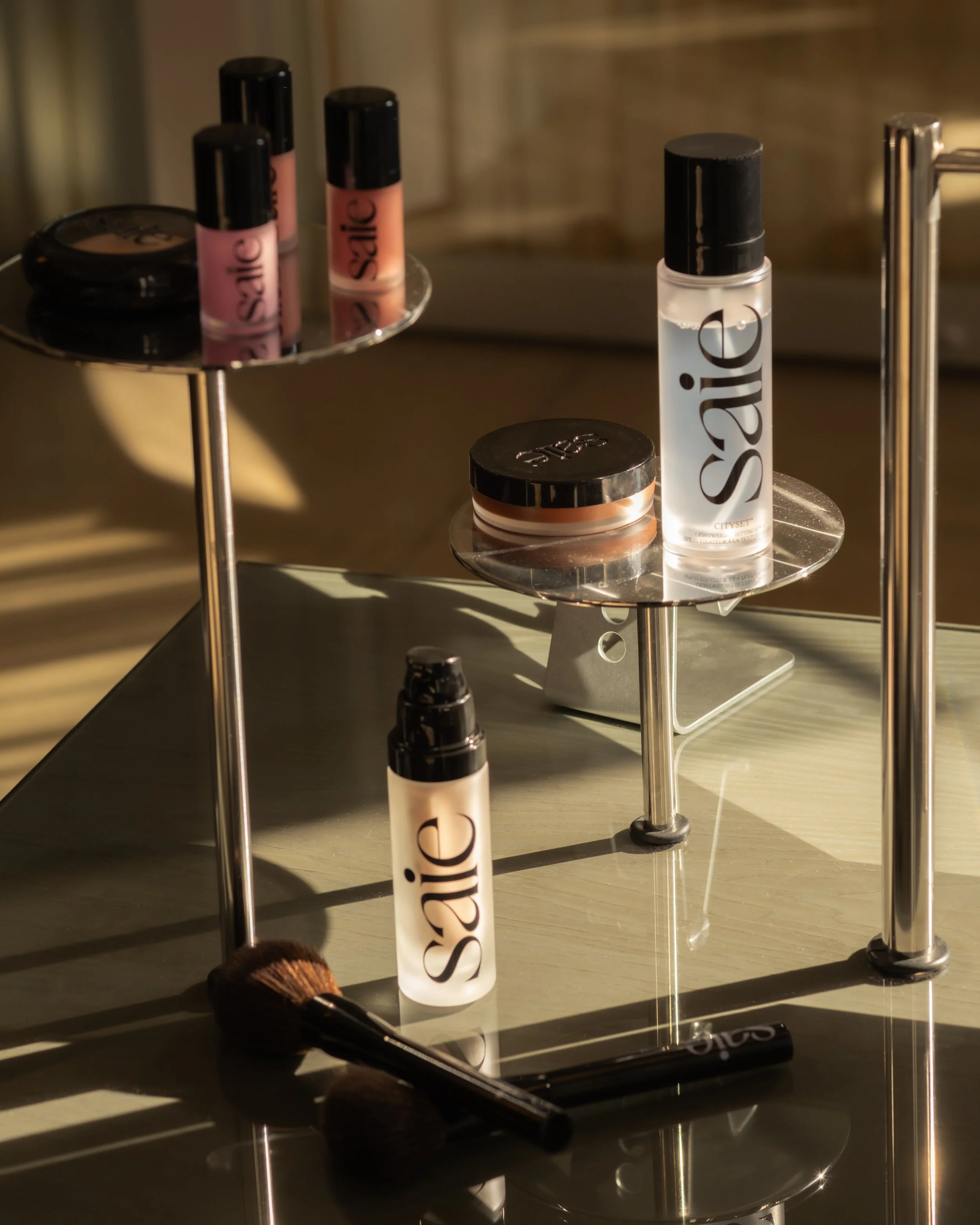
At the Saie office. Photography by Savannah White. Courtesy of HURS.
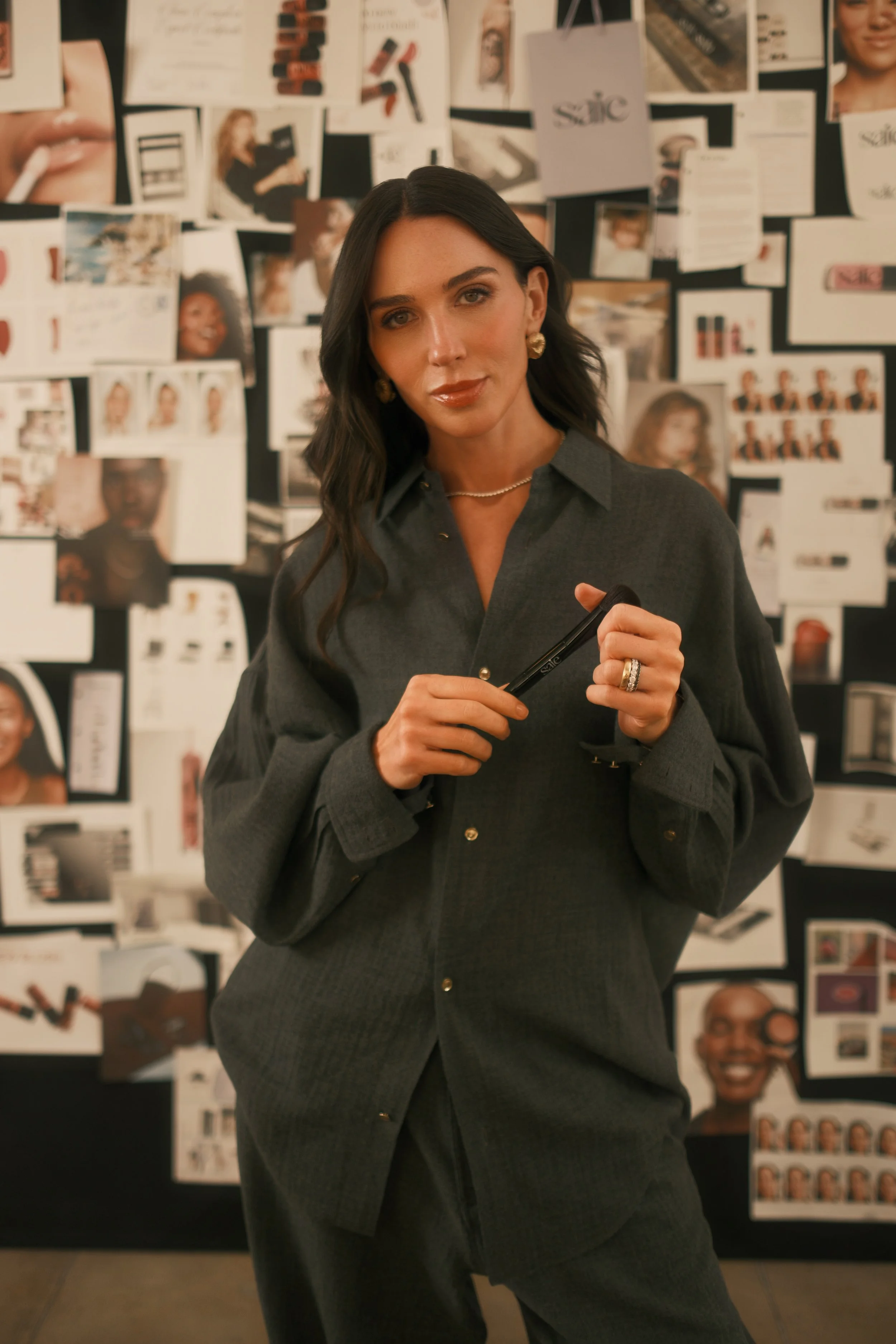
Laney Crowell captured at the Saie office. Photography by Savannah White. Courtesy of HURS.
Do you think the beauty industry has genuinely changed, or have we just gotten better at marketing the same ideas?
There has been real progress, especially around transparency and inclusivity. At the same time, there is still a lot of old thinking dressed up in new language. Change is ongoing, and the brands that truly move the industry forward are the ones that back up their messaging with action, consistency, and accountability.
Is there a product or brand from your past that shaped how you think about beauty now?
When I was in high school and first allowed to wear makeup, I learned how to apply it at the makeup counter at Macy’s. I loved how timeless and approachable it felt—there was something special about that experience. Looking back, it was definitely way too heavy for a teenager, but it shaped how I think about beauty today - makeup should feel good on your skin.
How do you balance creating products that enhance without perpetuating impossible standards?
By developing with real people and real life in mind. Our products are meant to enhance what is already there, not cover or correct it. We are intentional about making beauty feel additive rather than prescriptive.
Do you think the “no-makeup makeup” aesthetic is liberating or just another set of rules?
It can be liberating if it is truly about choice. The goal isn’t to look like you’re wearing “nothing”; it’s to wear what makes you feel like yourself, whether that is minimal or bold. It’s also about showing up for yourself and leading with what feels authentic.
How has building a beauty brand changed your personal relationship with makeup and skincare?
Building the brand has made me more aware of my own habits, and to think more consciously about why I reach for certain products, how they fit into my day, and how they make me feel. It’s reinforced my belief that beauty should be supportive, helping me feel prepared, present, and confident as myself.
This interview has been edited and condensed for clarity.
Shaniqwa Jarvis on why photographs are beautiful liars, grief as a portal, and the moment she found her whole practice hiding in a childhood snapshot.