An Architect of Deliberate Friction
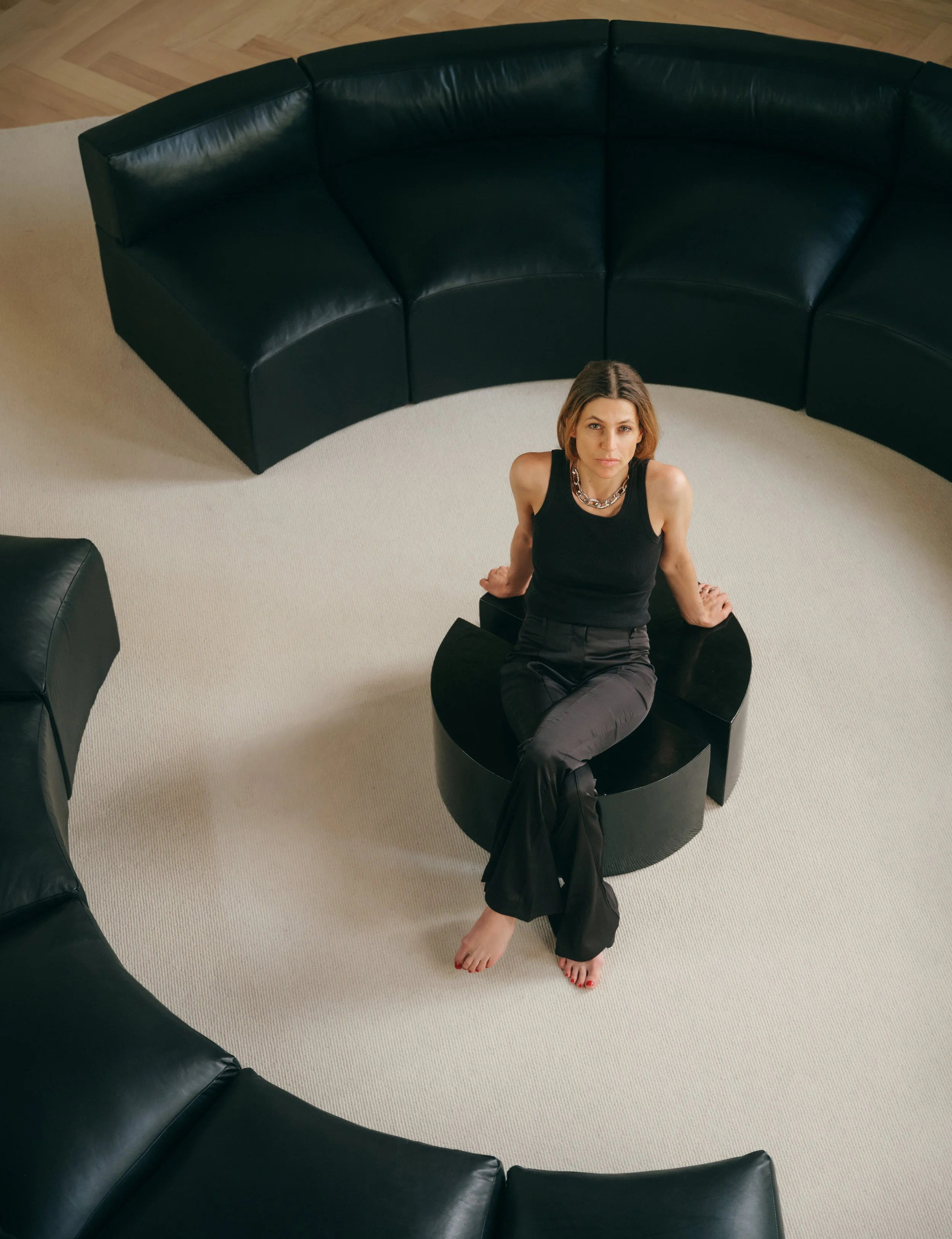
Courtest of Katja Pargger
Katja Pargger
An Architect of Deliberate Friction
By Bonnie Langedijk
There is a particular kind of architect who treats a latex kimono with the same rigor as a 19th-century manor. Katja Pargger is that kind of practitioner. Trained in architecture and civil engineering at the University of Innsbruck, she worked with Dietmar Feichtinger Architectes before settling in Paris and founding her own studio in 2013. Her multidisciplinary practice bridges spatial design, interiors and the creation of what she calls "Items," from furniture and lighting to singular conceptual pieces. Drawing on the Bauhaus and the Viennese Secession in equal measure, her projects, whether the restoration of a manor near Paris or the transformation of a historic hunting estate in the French countryside, are defined by formal rigor, material honesty and a deep attention to light. In an industry that often conflates luxury with ease, Pargger holds firm to a different idea: that the most meaningful spaces carry a certain tension. We’ll let her do the talking.
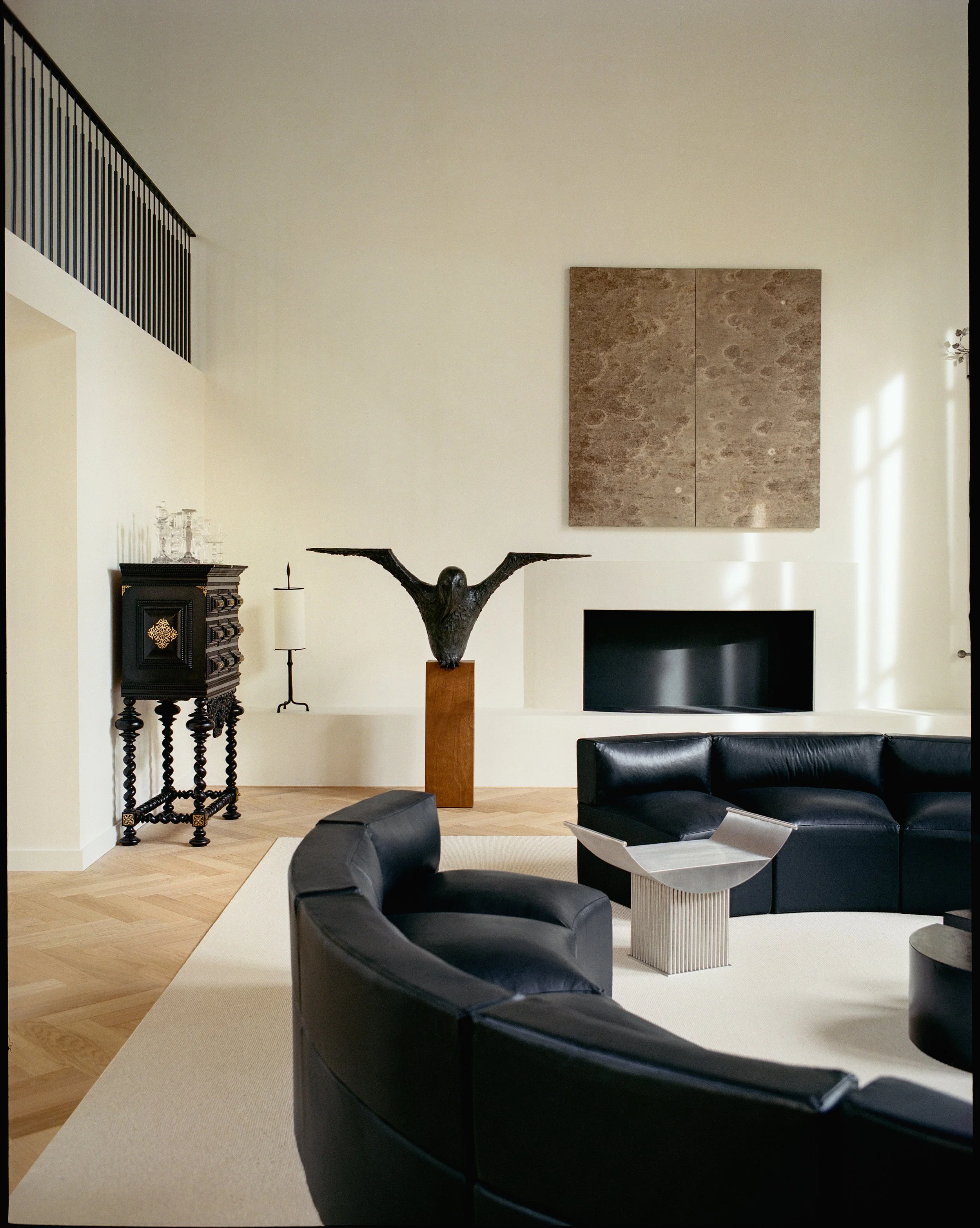
At the back, Italian cabinet called Studiolo (19th century), Nans Design. Wrought iron lamp Les artisans de Marolles, Maison Cédric. Leather sofa (Katja Pargger) and aluminum stool Sella Curulis, SashaxSasha, GSL Gallery. On the stele, patinated bronze sculpture, Broac over Paris by Victor Guedy. Above the fireplace, diptych by Clément Borderie (Dé)-camper, Galerie Jousse Entreprise.
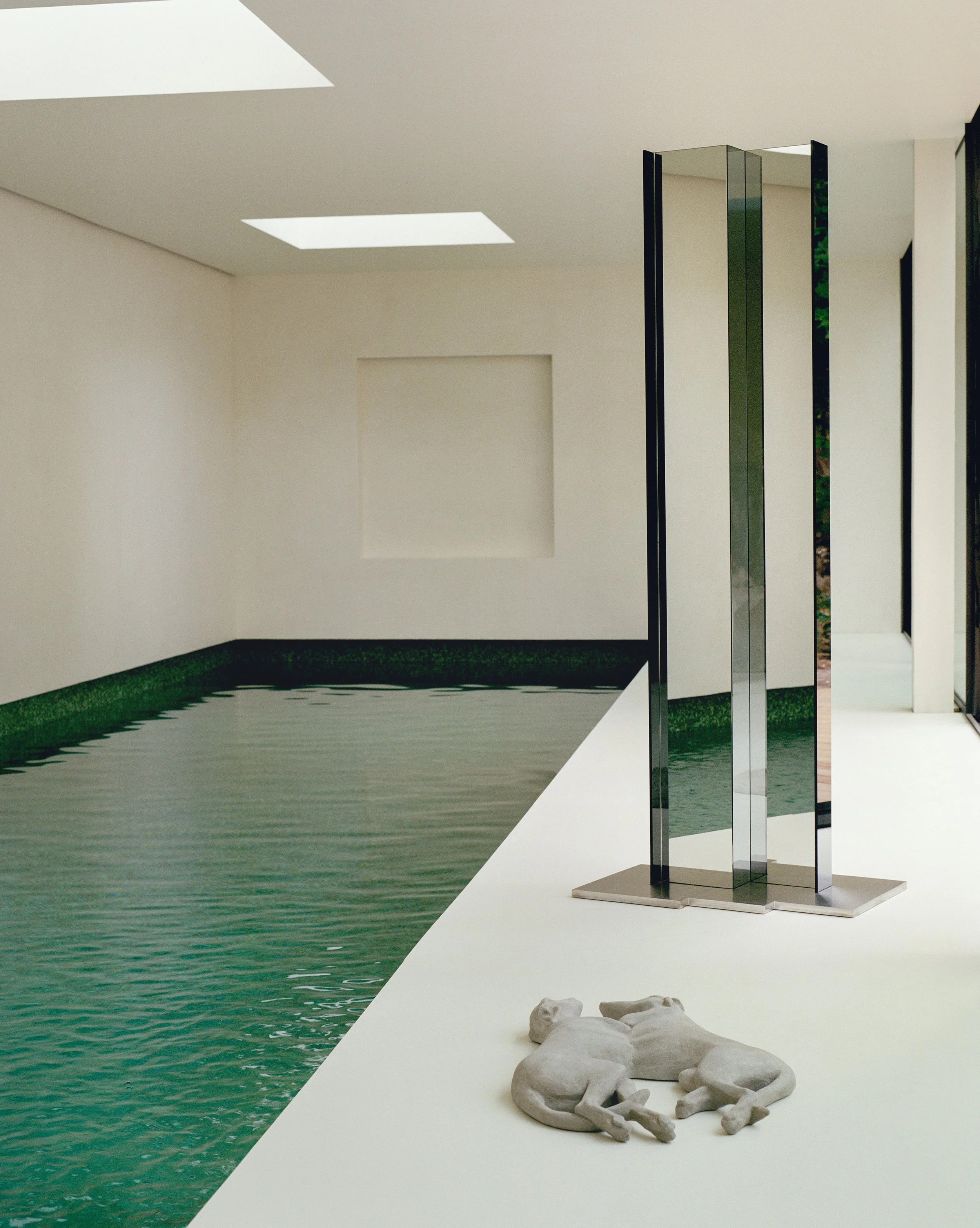
Maze mirror by Wendy Andreu, Théorème Editions. On the floor, One Body, Two Heartbeats, work by Xolo Cuintle, DS Galerie.
Bonnie: How did you end up in this profession?
Katja: I grew up in the mountains, in a small ski village, where physical effort, risk, and landscape were part of everyday life. For a long time, I wanted to become a professional skier — competition, speed, and discipline shaped me early on. At the same time, I became increasingly aware of how fragile places are. I watched carefully crafted alpine architecture being replaced by generic constructions with no relationship to context or scale. That contrast created a strong tension for me – between care and negligence, precision and indifference. Architecture became a way to take a position: not to soften space, but to engage with it critically and responsibly, at both an intimate and territorial scale.
That tension of fragility and vastness or strength of nature is I think exactly what draws us in as human beings. Many of your projects balance classical references with modern interventions. How do you approach that tension?
The tension is essential. Without it, architecture becomes either academic or cosmetic. Classical references provide structure, proportion, and continuity; modern interventions introduce rupture, clarity, and sometimes provocation. I’m not interested in blending them seamlessly. I prefer when their dialogue remains visible and slightly uncomfortable.
“I want spaces and objects to feel precise and INTENTIONAL, but also demanding in a certain way. They should engage the body and the mind, not simply disappear into the background.”
What are your leading principles in your work? Is there anything particular you hope to evoke in the spaces or objects you create?
Katja: I’m guided by clarity, proportion, and restraint. But restraint doesn’t mean neutrality. I’m interested in controlled tension: between comfort and rigor, calm and intensity, order and disruption. I want spaces and objects to feel precise and intentional, but also demanding in a certain way. They should engage the body and the mind, not simply disappear into the background.
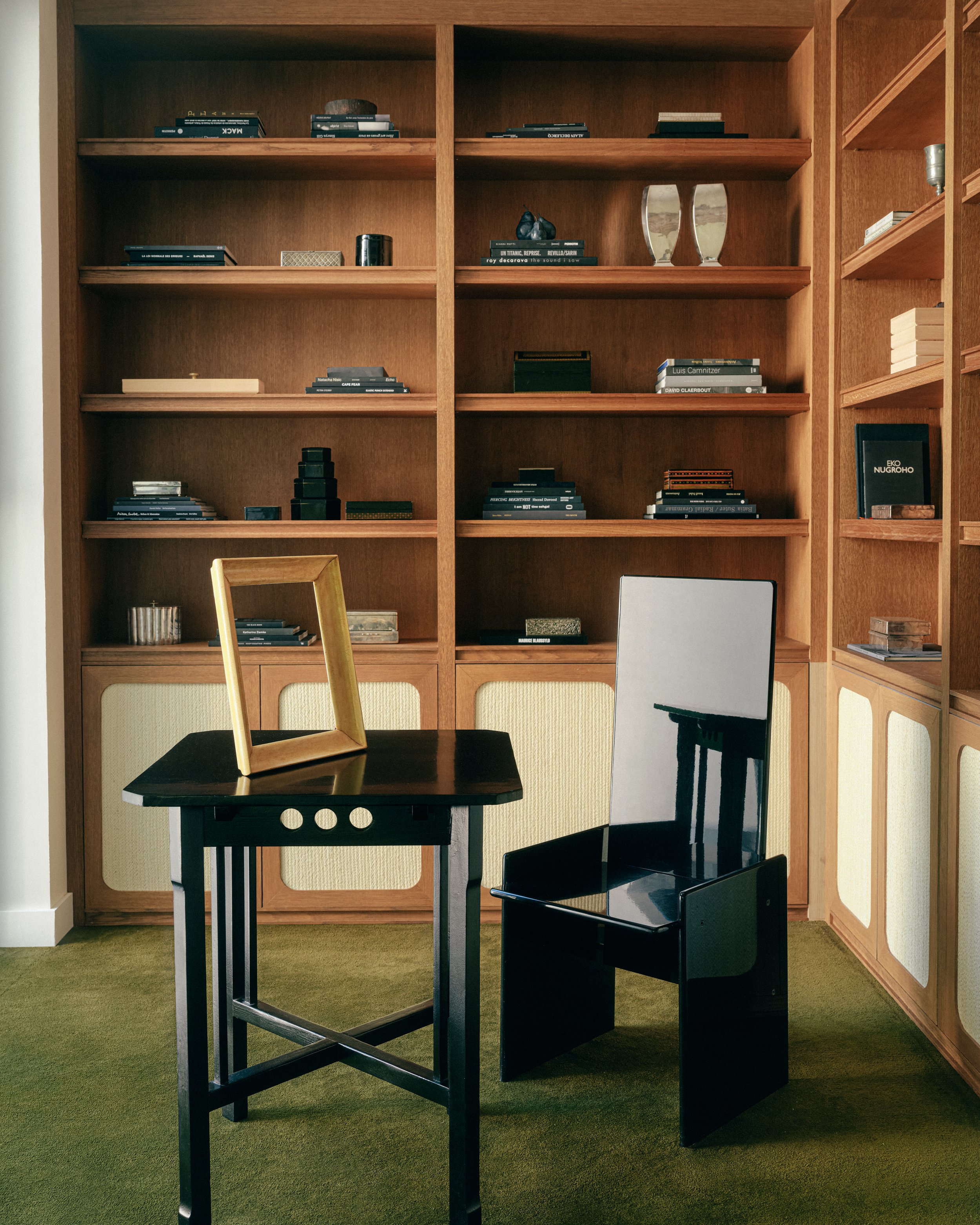
On a lacquer table, a parchment frame, Hélène Lalbaltry. Lacquer chair by Takahama Kazuhide.
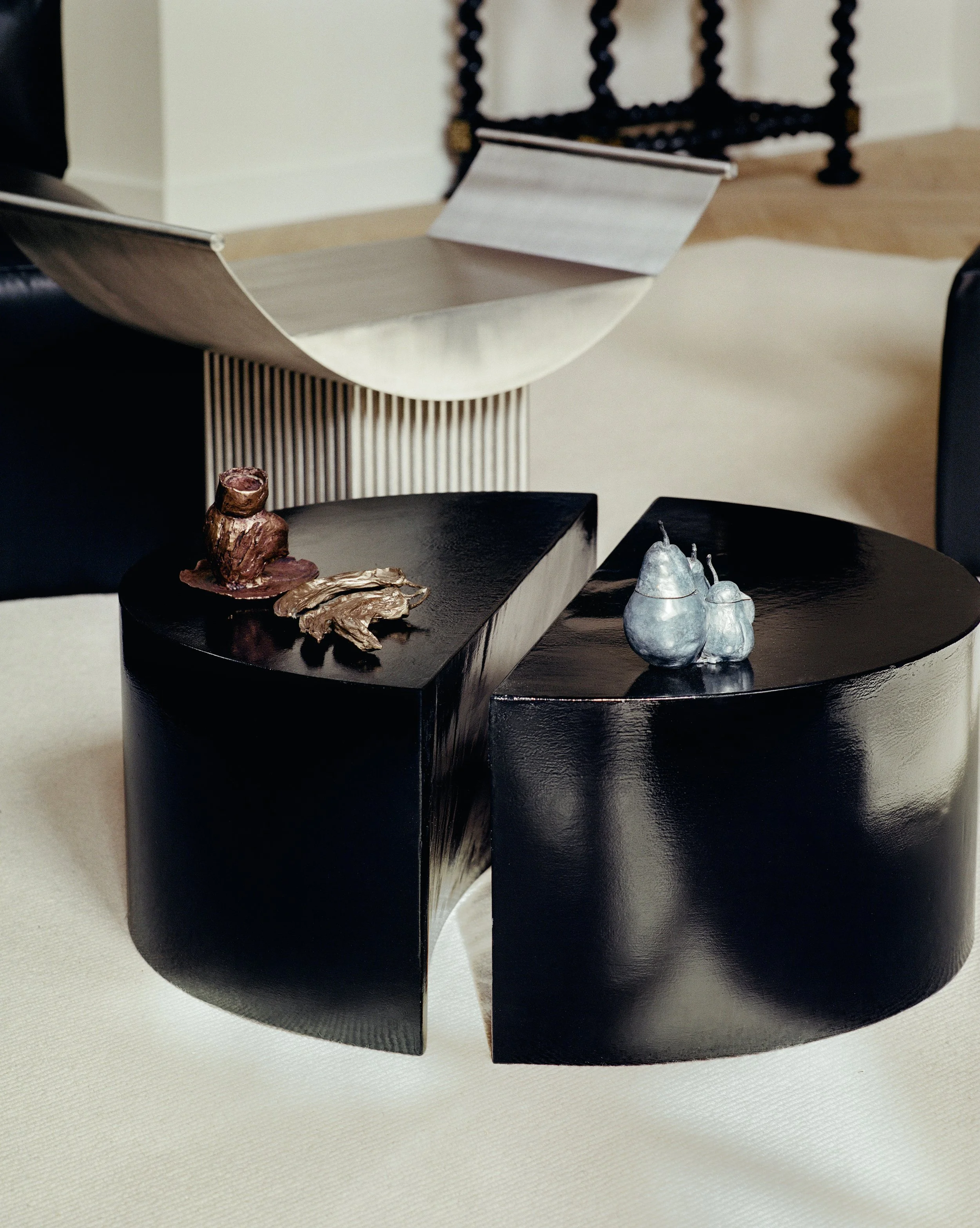
Villa N in Paris, designed by Katja Pargger. Photography by Clement Vayssieres.
In a way, you could say it’s about contrasts. About making a space feel dynamic rather than static. How do you maintain that balance between precision, rigor and comfort and freedom?
I often start with strong axes and symmetry because they bring clarity and calm. But I’m equally interested in breaking that order at specific moments. A shift, a misalignment, a deviation, this is where space becomes active. Architecture needs structure, but it also needs disturbance to feel alive.
How does that influence the materials you choose to work with? Is there something you look for beyond function?
Beyond function, I look for behavior. How a material reacts to stress, light, touch, and time. I’m very attentive to patina, as evidence of life and use. Materials should be honest and sometimes resistant. I don’t look for perfection, but for credibility.
What do you think about perfection and imperfection in design, especially in a world obsessed with flawless execution?
I believe strongly in precision, but I distrust smoothness. Perfection without friction becomes empty. Imperfection, when it comes from construction, use, or material logic, adds density. The key is intention. It’s about deciding very consciously what must be exact, and what can remain raw, exposed, or unresolved.
Do you find cultural trends inspiring, limiting, or something else entirely in your work?
Trends are unavoidable, but they’re not neutral. They influence how we see, desire, and judge. I don’t reject them, but I refuse to let them dictate my work. Sometimes they are useful as indicators of a collective state of mind, sometimes they are simply noise. What interests me more is resistance. How a project can remain relevant and intense even when the trend has passed.
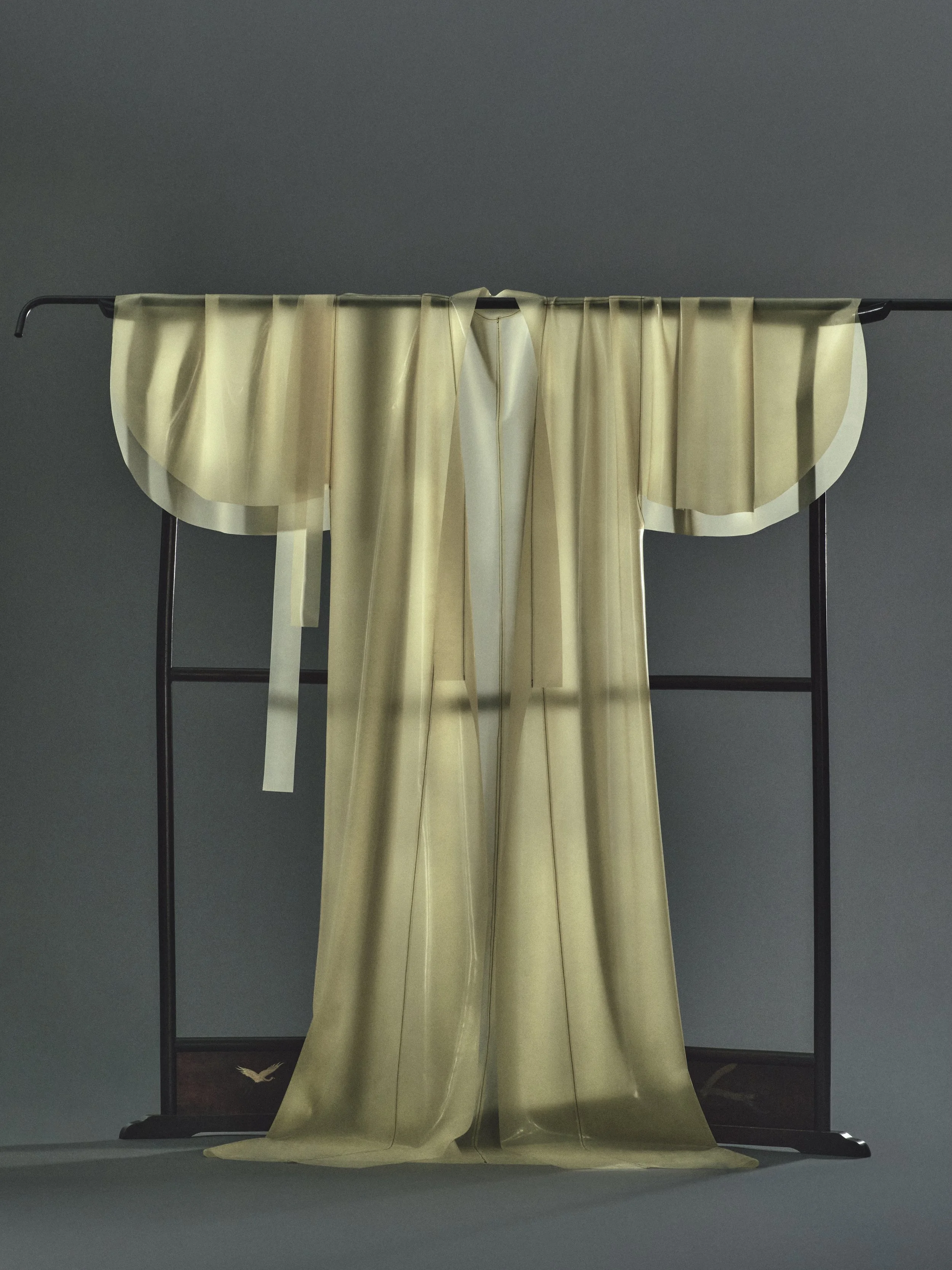
Katja Pargger’s latex kimono. Photography by Mathilde Hiley
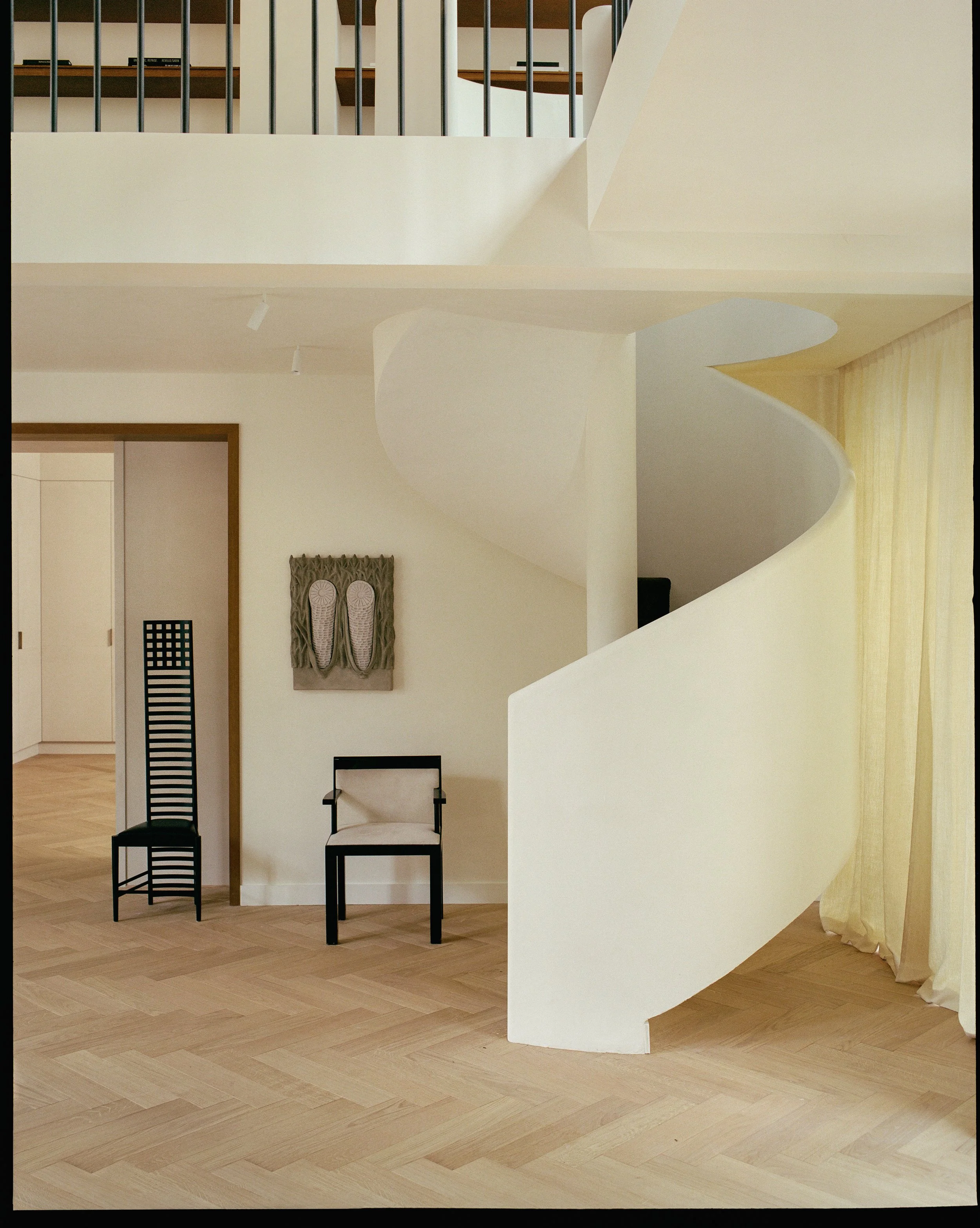
On the wall, Kernelless Siamese Cobs, work by Xolo Cuintle, DS Galerie. Next to a Mackintosh chair, a Theatro armchair by Aldo Rossi, Nans Design.
You have a clear point of view on architecture, on design. In a world dominated by images, how does one develop taste that is personal and intentional rather than performative?
Taste is not built through accumulation of references, but through confrontation. Images are unavoidable today, but they are not enough. Taste develops through lived experience. By inhabiting spaces, by traveling, by observing how things endure friction, use, and time. It requires slowness, repetition, and sometimes discomfort. Without that, taste remains superficial. You need all 6 senses to build up memory that will shape your personal creation.
Which experiences—travels, encounters, or objects—have shaped how you see and make things? My architectural education trained me to think critically and structurally, but also to understand design as a total gesture. To constantly question coherence: spatial, material, and conceptual. I learned to be demanding – toward my work and toward myself – and to accept that architecture is never about isolated decisions, but about a chain of consequences.
What qualities define a well-designed home?
A well-designed home is not only comfortable. It has character and discipline. It supports daily life, but it also challenges habits slightly. It should feel stable yet open to transformation, generous yet controlled. A home that is too easy becomes dull; a good home holds a certain tension that makes living in it meaningful.
You enjoy cooking — is there a connection between cooking and your work? There’s a similar tension needed to cook a great meal.
Very much so. Cooking is physical, intuitive, and immediate. It’s a space where you can test ideas quickly, accept failure, adjust, and try again. I see it as a laboratory much like design, but without distance. It keeps me connected to instinct and pleasure, which is essential in a discipline that can easily become overly cerebral.
This interview has been edited and condensed for clarity.


We spoke with Alice Diop about the books that have shaped her intellectual life, how literature becomes a form of freedom and resistance and the role of Chambre à soi in making space for the subjectivity of Black women.