The Mood Menders
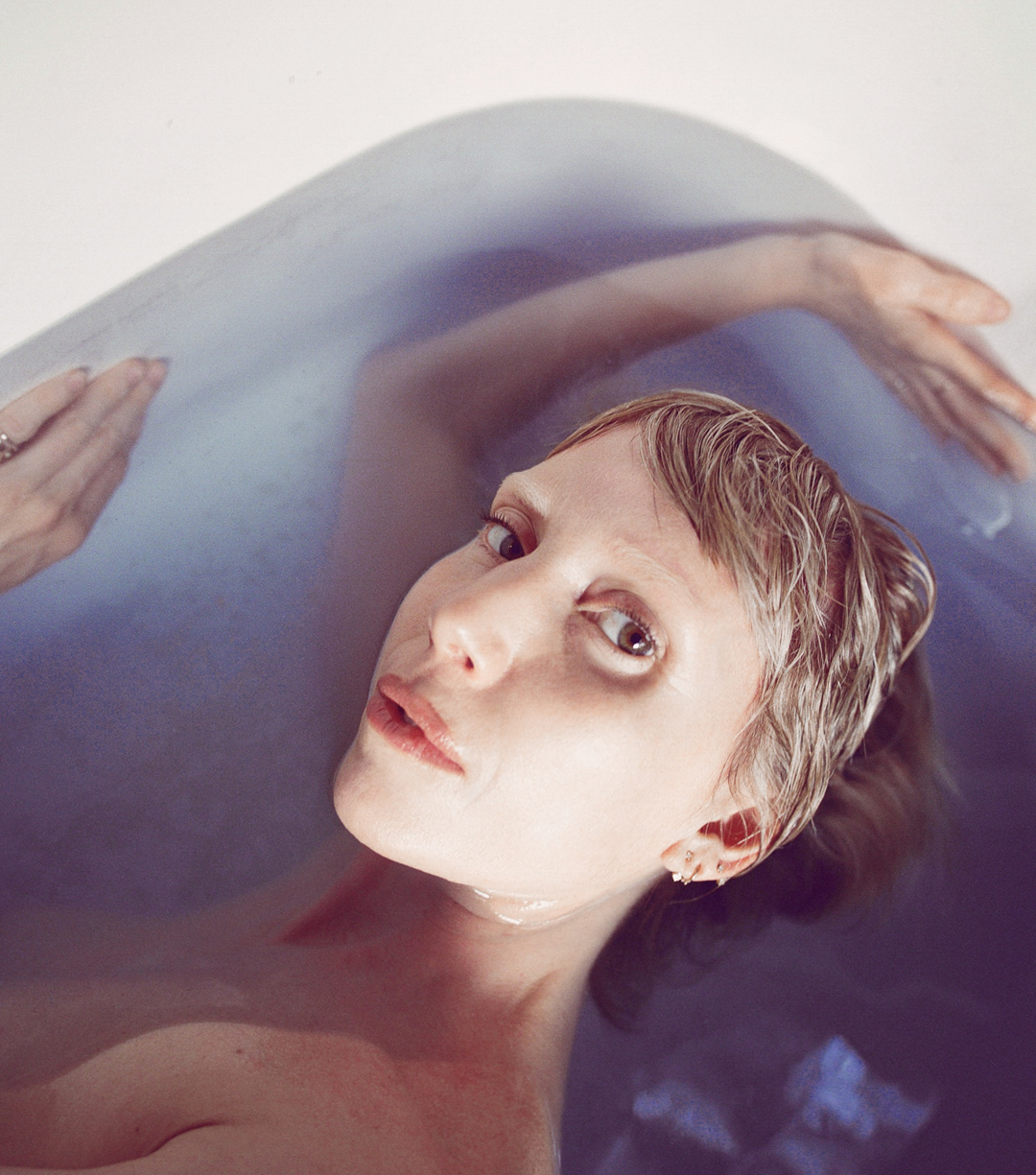
Lykke Li captured by Zoe Ghertner. Courtesy of neoNutritions.
Lykke Li, Fee Steinvorth and Zoe Ghertner
The Mood Menders
By Bonnie Langedijk
Lykke Li has made a career out of feelings. It was only a matter of time before she got into the business of managing them.
The celebrated Swedish singer-songwriter has spent the better part of two decades turning melancholy into something worth dancing to, and now she is the muse behind Ultimate Mood, a supplement designed to quiet the nervous system. On paper it reads as a contradiction. In practice it makes a great deal of sense.
neoNutritions is not another wellness brand shouting into the algorithm. Founded by Fee Steinvorth and run alongside photographer Zoe Ghertner, it operates on a set of principles it calls the Ultimate Purity Promise: certified-organic ingredients, honest doses, third-party testing, and a firm refusal to hide behind fillers or synthetic flattery. The brand draws on Ayurveda, Traditional Chinese Medicine and anthroposophy, then builds on that inheritance with modern science. Regeneration, as Steinvorth puts it, rather than appropriation.
Ultimate Mood, its newest formula, is a powdered blend of adaptogens and nervine herbs made to settle an overstimulated body. It was shaped as much by friendship as by chemistry: the product of a collaboration between Steinvorth, Ghertner and Li.
Neo has never chased the usual wellness customer. Its people are the ones the industry tends to overlook: the artists, designers, photographers and performers who operate at the very top of their fields and know, intimately, what that costs. This is a brand that treats creativity as a spiritual language and finds balance to be the harder discipline. Between Steinvorth, Li and Ghertner, neo could not have found three people better suited to it.
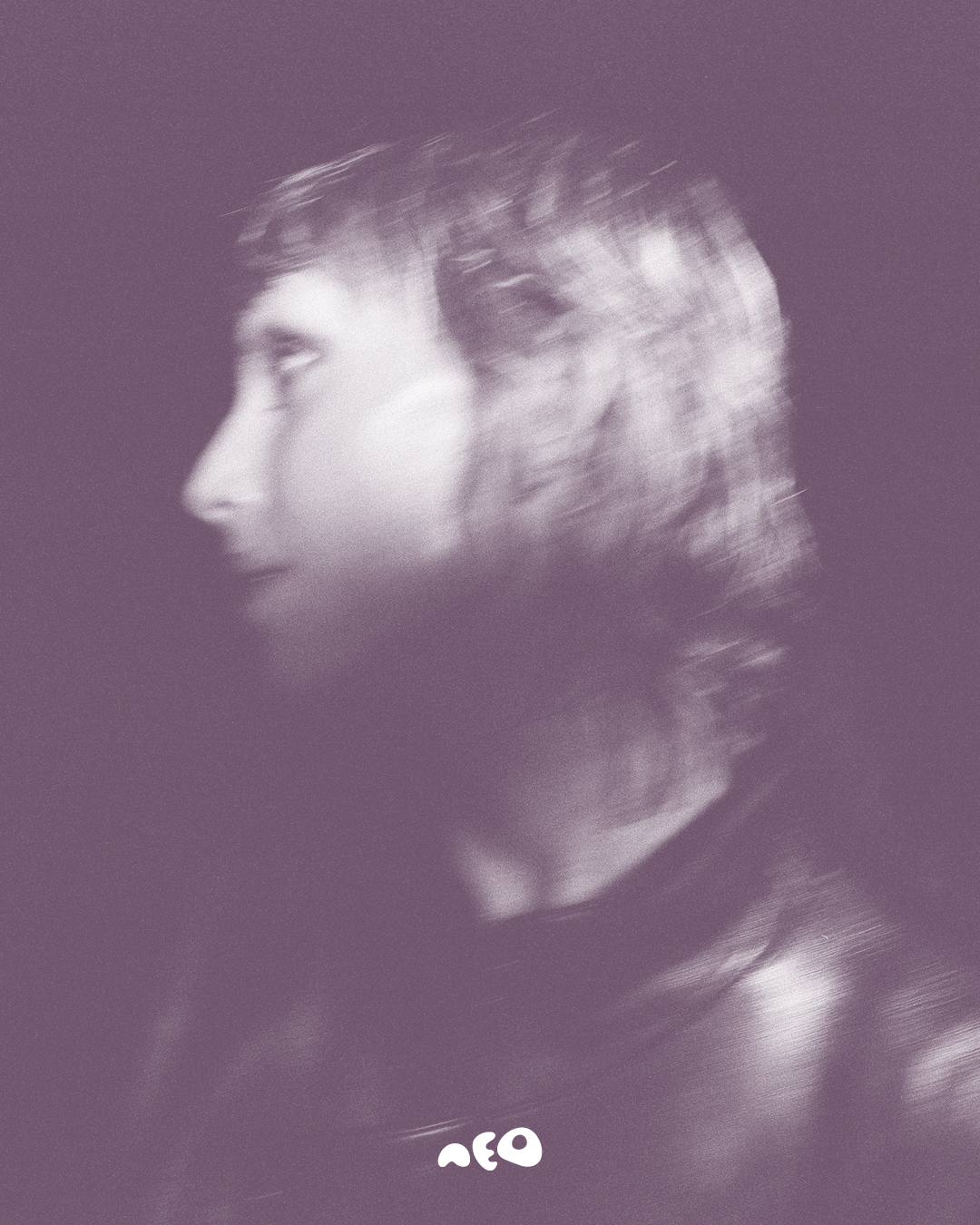
Lykke Li captured by Zoe Ghertner. Courtesy of neoNutritions.
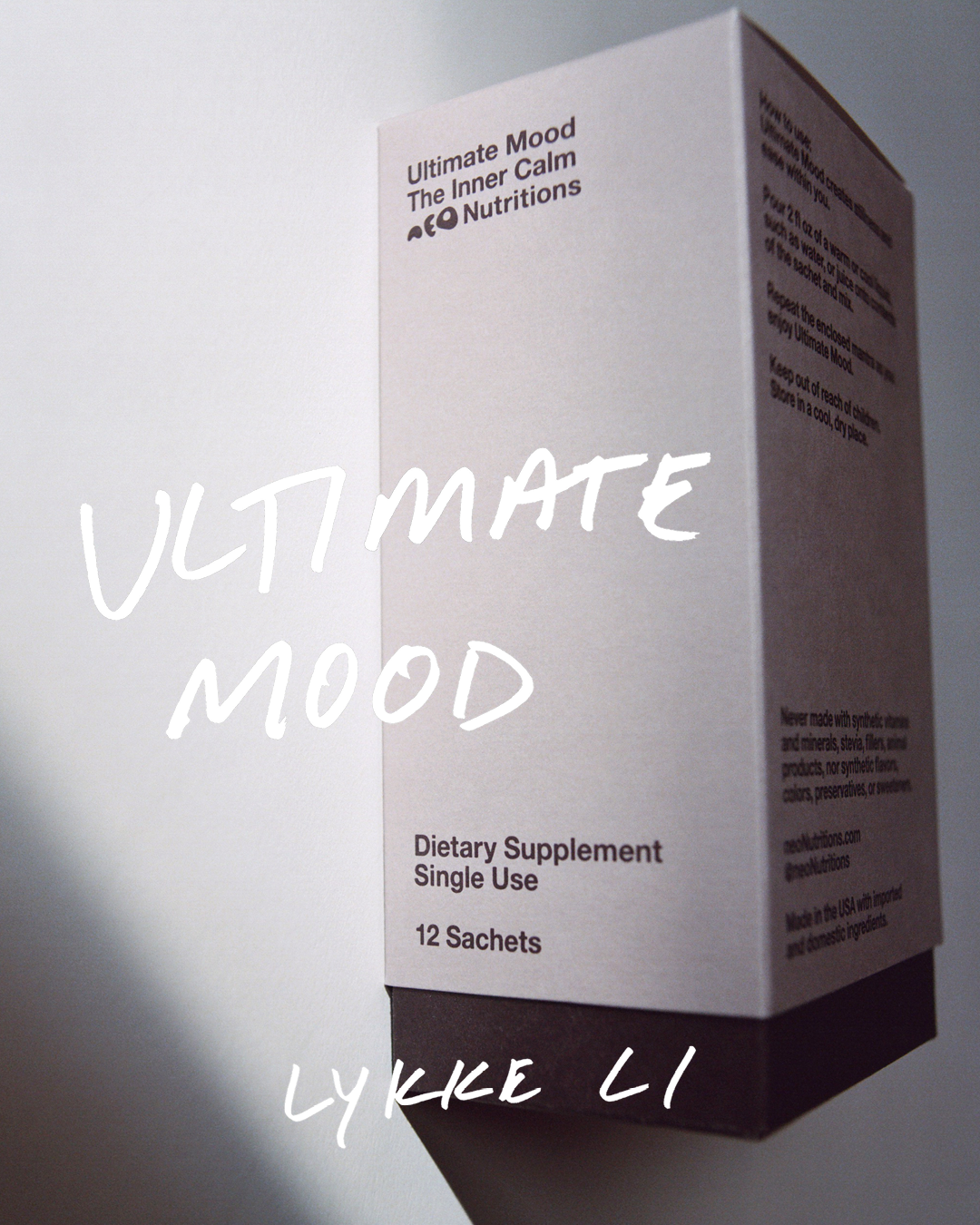
Photography by Zoe Ghertner. Courtesy of neoNutritions.
Bonnie: So this all started in a sauna?
Lykke: I met Fee for the first time in Silver Lake. We hosted a Yola dinner with neo[Nutritions], and then we realized that we had many things in common. We both went to Rudolf Steiner's school. We both spent time in Auroville in India, which is this very special place. We're both European living in the US with kids, and then that was that. We bumped into each other again naked at the Olympic Spa. Then we had lunch and then we started going together. It was really beautiful getting to know each other naked in a sauna, talking about very intimate things. That was the beginning of our friendship.
Fee: It was this unique place of truth. We were both peeled out of our normal circumstances. We were really open with each other. Speaking about not getting enough sleep, being depleted, being stressed out. We are both mothers. We both are high performance people. We both work a lot, travel a lot. We have so much in common. Our needs are similar in a way, where we need strict rituals and to balance our lives out. That was the seed for Mood.
Were you already working on Mood before you two met?
Fee: It was already on our radar, but to put that in front of others was inspired by Lykke and also her circumstances, her surroundings, the people she meets and also the people I meet. We felt his urge to pull this formula in front of anything else.
Lykke: We both have hippie parents. My mom was eating yogurt and sauerkraut and green tea. I think we both grew up that way, with Weleda and all the homeopathic practices. We knew a lot about nutrition and food, but I think Mood is more. Now we're really trying to crack the nervous system.
“It’s FUNNY because in my career, I'm kind of known for my depression and my sad songs. I guess I just bring the real moodiness to the project..”
What does it look like for you to work together?
Lykke: It's almost like a band. Everyone has different roles. Fee is obviously the master of the formulations. Zoe [Ghertner] is creative. It’s funny because in my career, I'm kind of known for my depression and my sad songs. I guess I just bring the real moodiness to the project.
Your work is raw, intimate and emotional. I can imagine, talking about the nervous system, that the creative process also asks a lot of you to create that kind of music.
Lykke: Especially on my last album because that whole album is about love addiction. I was really zoning in on the hormones around love and the different shifts we experience. We go through adrenaline, dopamine and oxytocin. I became very interested in hormones and about what it means to be a woman. I am extremely interested in that actually, how everything is somehow circular. And especially when I perform too, it's such a rush of adrenaline. I'm aware of the toll it takes.
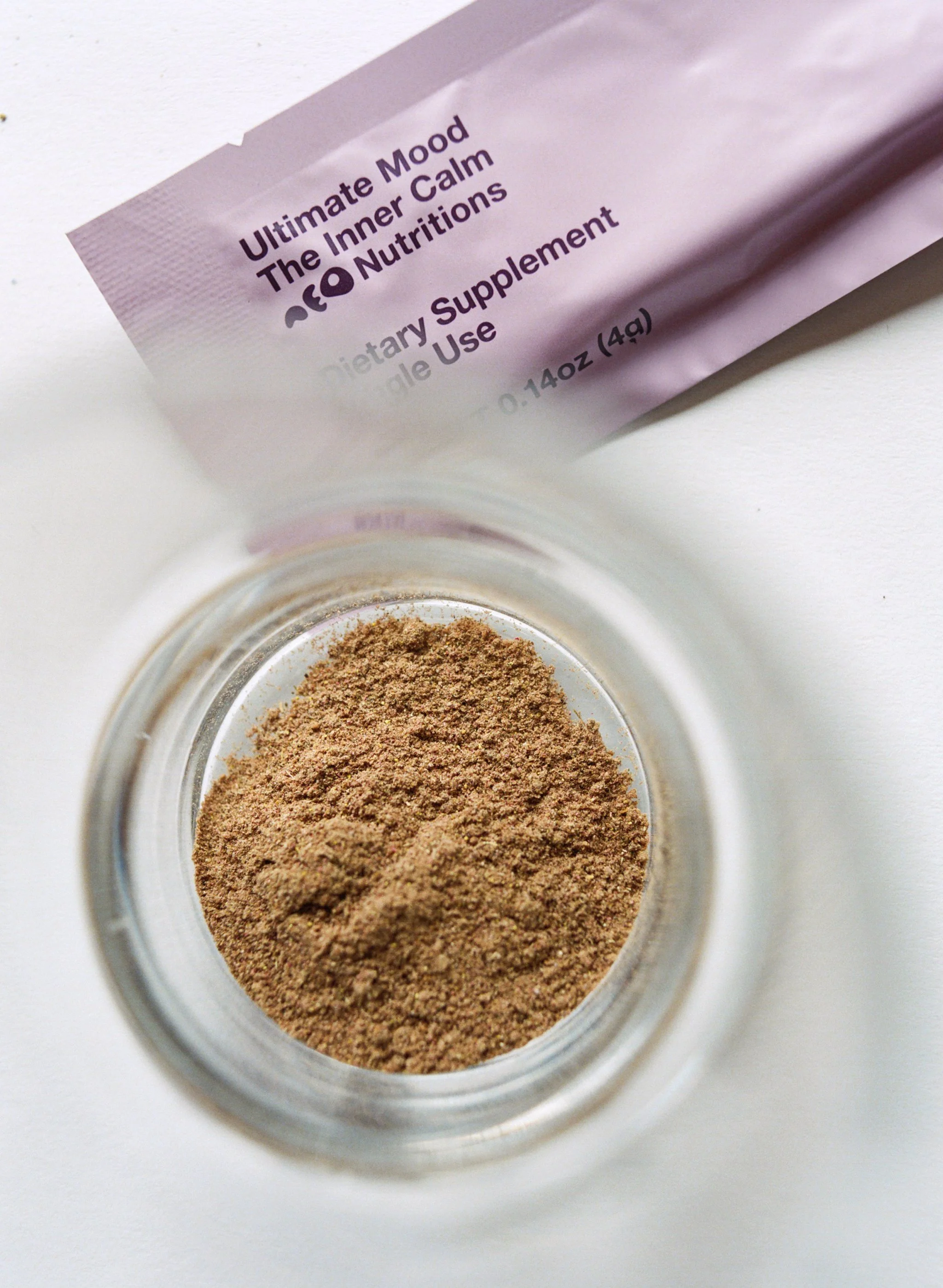
Photography by Zoe Ghertner. Courtesy of neoNutritions.
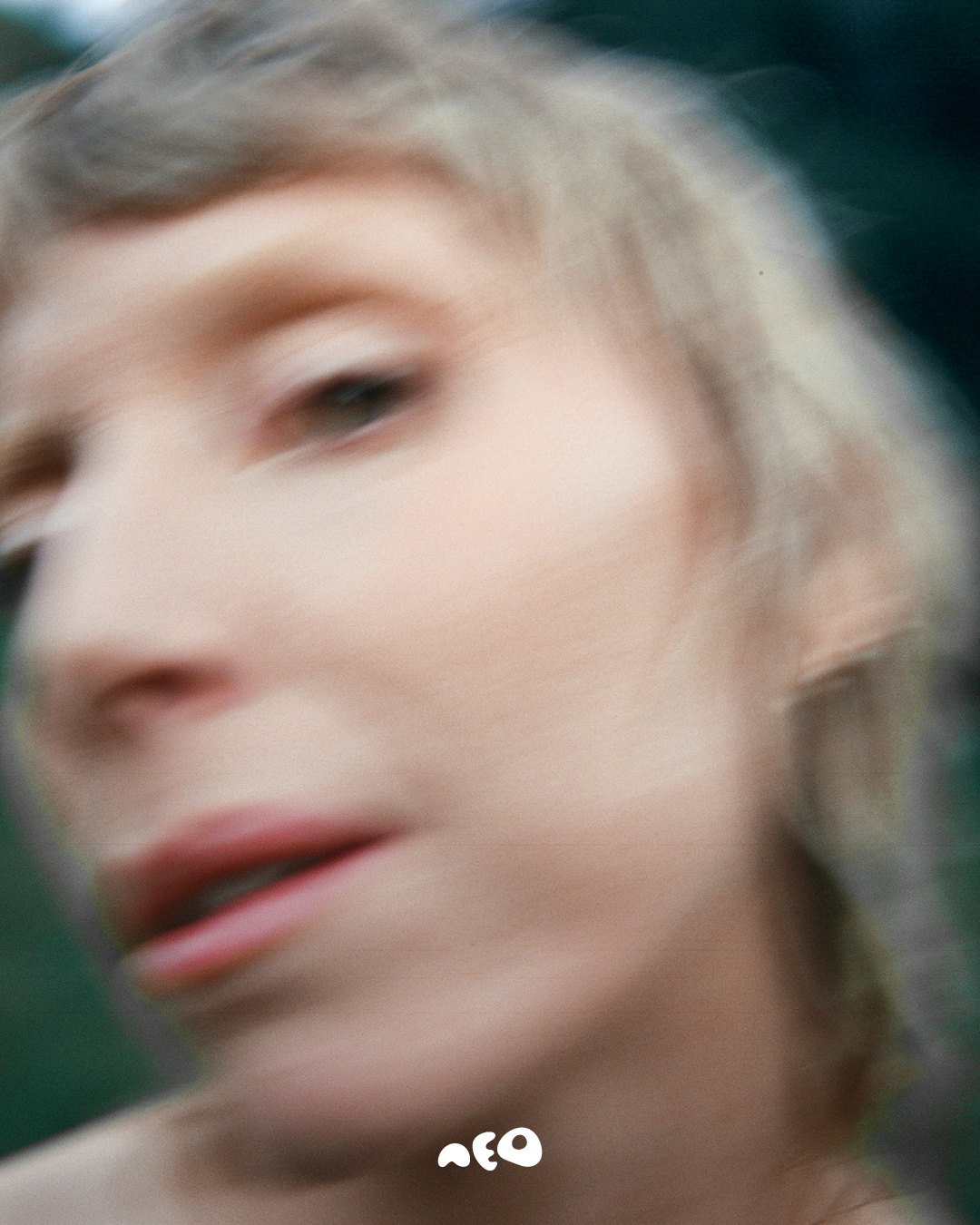
Lykke Li captured by Zoe Ghertner. Courtesy of neoNutritions.
How do you bring yourself down or back to a normal state?
Lykke: Being a performer, a touring performer, it's like being an athlete. It's extreme. Mood really helps, but it's something that I'm still figuring out. I was just in Brazil and I did a show and I was awake until 7:00 AM. You're living on the edge. It's a bit of a superhuman. That's what we're still trying to crack.
Fee: We talked about that a lot and we both have our tools. As a high performance person and being an athlete, as Lykke refers to it, you need to be very strict continuously with your rituals and your protocol to calm your nervous system down again. I think you can trigger your brain through certain things and it becomes easier and easier, but it is a process. It's not something you learn overnight. I saw Lykke perform and I was so touched by her performance as a friend. You need to give your all to really bring that energy into a room or stadium, and it should reach the last person in the back. But you want to bring that and still contain that center of you and have the possibility to return to that center. Otherwise, you burn out. And that's, I think, why Mood is so important. Not only for high performance people, but also for people who are traveling or for everybody living in today's world, because we are overstimulated all the time with noise and information and possibilities and opportunities.
We're constantly receiving information. It's hard to switch off. How do you both protect your business practice, your creative practice?
Lykke: Being an artist or being a businesswoman, being an athlete, whatever you have to do to get through the day takes a lot of discipline and perseverance. I continuously tell myself that I decide how I want to spend my life. I'm very rigid actually when I work or in life. I don't look at my phone late at night. I don't do it on the weekends. You have to set up guardrails and protect this one precious life. That's also when you end up doom scrolling. I did that in Brazil in the hotel room. Usually, I don't do that, but I was alone. I just was doom scrolling for hours. I almost felt as embarrassed as if I was doing crystal meth alone in the room because that's how you feel after. You have to be really strong and careful about how you spend your day.
Fee: I think discipline is a good word. To reevaluate your values and to step back for a moment and say, okay, what is most important for me right now? Do I need to do that? I'm building a business right now. I'm going through a phase where I can't turn my phone off, but I know that phase won’t last forever.
So much of what you do draws from very old practices like Ayurveda or Traditional Chinese Medicine. Do you think right now, we're in a place where the West is genuinely engaging with these systems or just borrowing from them?
Fee: We are consistently redefining the truth around science but I think that everything has been seen already. We're just going deeper and by doing so, we are realizing that ancient wisdom is actually the highest of knowledge. It's been here for thousands of years. We have the first written word of the Vedics that stems from around 6,000 years ago. And that practices what it means to be whole or to achieve prana, what you call in TCM, the life force. It's all the same practice. It's like a spiderweb and it all comes to a triangle. neoNutritions is built on this triangle of wisdom. We really learn from those practices and bring them into the now and build bridges to what has been here. We're not reinventing the wheel, but we make it accessible for our generation and the generations to come. Every single ingredient we use is out of this triangle. So are the way we put ingredients together, for example, St. John's wort and Valerian, which are found in Mood, create a synergy for the nervous system. It helps you let go of cortisol. It's very impactful for the body. I don't think we borrow, but I think we are returning and we are realizing there is so much already there.
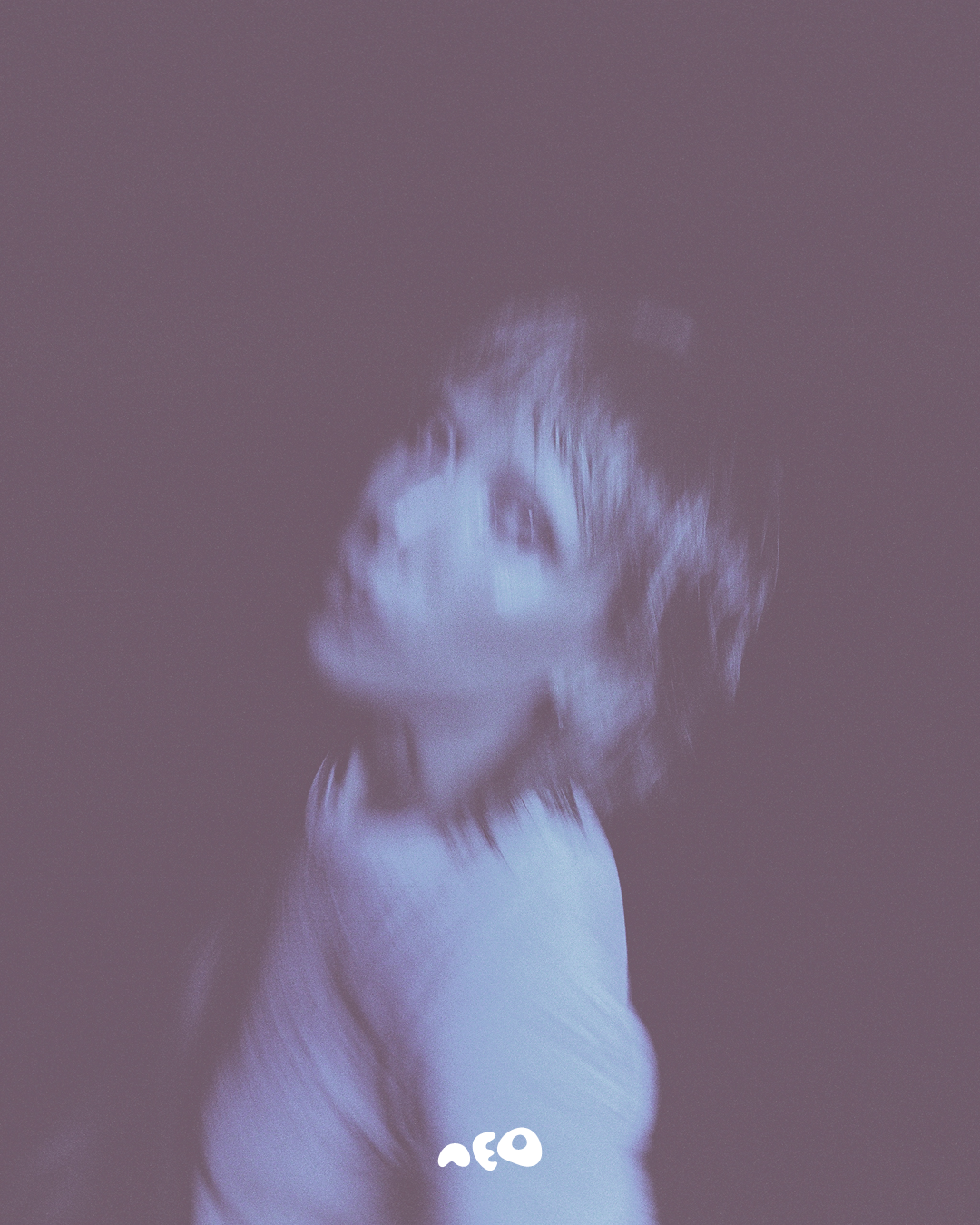
Lykke Li captured by Zoe Ghertner. Courtesy of neoNutritions.
What's been the biggest takeaway for you using Mood?
Zoe: This has been the product that I have been most excited for and most needing in my life. In this day and age, our minds are constantly kept in a busy state. We're all feeling a constant push and pull. This has been a very important tool for finding a bit more balance within all of it. If you think about your life and all the things that you try to do to find that calm, to find that ease, this has just been such a great addition to all the other things in life to try to manage.
Lykke: I enjoy the ritual and the beautiful design. When I use it, I feel like I’m a superhero by taking care of myself in this beautiful way. It's the process of putting it in a smoothie. You know that the ingredients are the best ingredients that you could ever find. I trust Fee so much in that process.
Tha a great point. There are so many companies and brands within that space who are trying to offer some sort of wellness or health solution, but it's hard to find brands that align with your values or align with even your aesthetics.
Fee: That aspect is very important to us. With neo[Nutritions] we see creativity as a spiritual language. It touches each individual totally differently. It creates a feeling within you, which is why it's very important for us to speak through art and speak through creativity. That constellation with Lykke and Zoe was so important for exactly this product.
What was the starting point for the campaign and what did you hope to convey?
Zoe: It was very natural to work together. So much of what we created is about finding a connection together. We were almost in a dreamlike state making the campaign. It was just with such a beautiful flow and ease.
Lykke: I'm such a big fan of Zoe's work. There's an intimacy and vulnerability to it. Usually when I shoot, I like to hide, I like to control. I had to step into real trust and vulnerability. It was a really beautiful meeting on that ledge, which it always is when you're trying to make something great. There's an amount of fear involved too. I really enjoyed it, and especially when we were dancing around. That's life too. In order to change, you have to break away from fears, you have to engage. It was very powerful.
Fee: To witness two women I admire creating and now seeing the outcome and seeing how many people feel touched by it makes me feel deeply grateful and honored. We bring something totally new to the table, not only with our formulations, but also with our tone of voice and the way we cut through the noise with truthful storytelling.
Zoe: It's very important for us to be collaborating with creative people. We have a wide array of people that we've connected with and worked with.
Lykke: I never told you this but 10 years ago I did a film with Terrence Malick. Shooting with you reminded me of when I shot with him. He shoots on film and you're doing a monologue and then all of a sudden, he just pans away to a bird and you're like, "What happened?" He's like, "Oh, I'm just trying to capture what is alive in the scene always." You’re both really trying to find what is most alive at this moment.
Zoe: Incredible story. I love that. And it's such a compliment.
This interview has been edited and condensed for clarity.
Shaniqwa Jarvis on why photographs are beautiful liars, grief as a portal, and the moment she found her whole practice hiding in a childhood snapshot.