Is Fashion Afraid of Powerful Women?
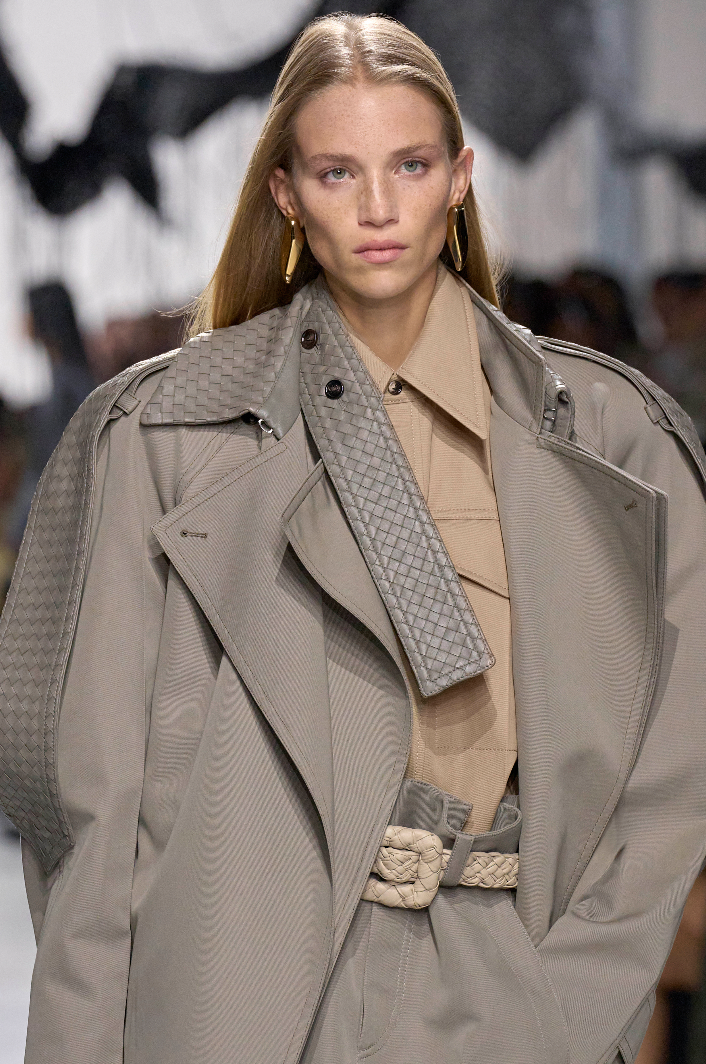
Louise Trotter’s debut collection for Bottega Veneta
Is Fashion Afraid of Powerful Women?
HURS founder Bonnie Langedijk shares her thoughts on the Spring Summer 2026 fashion week season
By Bonnie Langedijk
The Spring/Summer 2026 fashion week season has concluded, and with it, any lingering illusion that fashion exists primarily to serve the women who wear it. What we witnessed across the major capitals was male fantasy masquerading as empowerment, constraint dressed up as liberation, a profound misunderstanding of what women actually need from the clothes we inhabit daily.
Fashion has always been a mirror of society, and right now, that mirror is reflecting something alarming about how we view women in 2025.
The numbers tell one story: women now earn 57% of bachelor's degrees and 60% of master's degrees in the United States. We make up nearly half of the workforce. Women-owned businesses generate $1.9 trillion in revenue annually. Globally, women's wealth is growing at nearly twice the rate of men's, projected to reach $97 trillion by 2025.
And yet—or perhaps because of this—there's a palpable anxiety about female power, a desperate attempt to contain what cannot be contained.

Matthieu Blazy’s debut collection for CHANEL
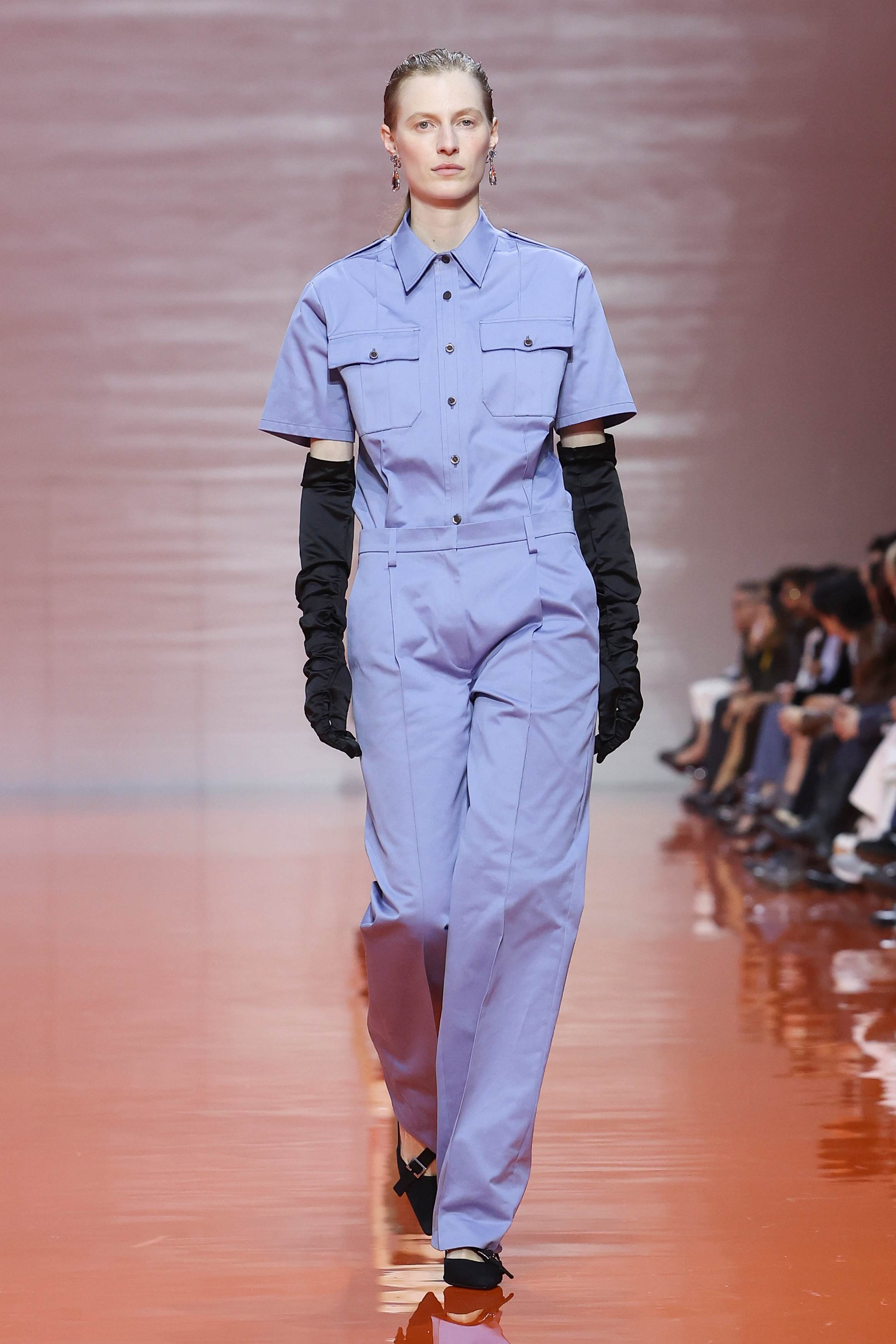
Prada’s Spring Summer 2026 collection
Nothing is more terrifying to certain segments of society than a powerful woman, and fashion is participating in this backlash with disturbing enthusiasm. The return of extreme thinness, turbocharged by Ozempic, is a reassertion of control. The scarcity of women in creative director positions at major houses isn't happenstance. This season offered us clothes designed for women who don't actually exist: women who ornament but never disrupt, who seduce but never demand, all while we're expected to care as though we don't work and work as though we're not the primary caregivers.
The uncomfortable truth extends beyond male designers. The fashion industry is rife with women—editors, casting directors, executives—who actively keep other women small, who police our bodies, who insist we conform to ever-narrowing standards. The call is coming from inside the house.
But here's what fashion refuses to acknowledge: there is a difference—a vast, unmistakable difference—between designing for women and designing at them.
Yet there is hope, and it reveals itself most clearly when women are given positions of creative power. Watch what happens when women lead major houses: Nadège Vanhée at Hermès approaches sensuality and confidence from the inside out—her latest collection of corseted pieces set to a soundtrack that made you want to strut with purpose demonstrates how power feels rather than how it looks. Louise Trotter's debut at Bottega Veneta delivered precise suiting and intelligent textures that made women look effortlessly assured. Rachel Scott, now at Proenza Schouler after founding Diatoma, has built her reputation on celebrating the female form with genuine understanding. Similarly Phoebe Philo, Miuccia Prada and Mary-Kate and Ashley Olsen—while each in their own way—design from solidarity rather than speculation. And crucially, they create clothes that foster something increasingly rare: a sense of connection, a like-mindedness among women who recognize in each other's choices a shared understanding of what it means to dress for oneself. This quiet community is perhaps the most powerful thing fashion can offer.
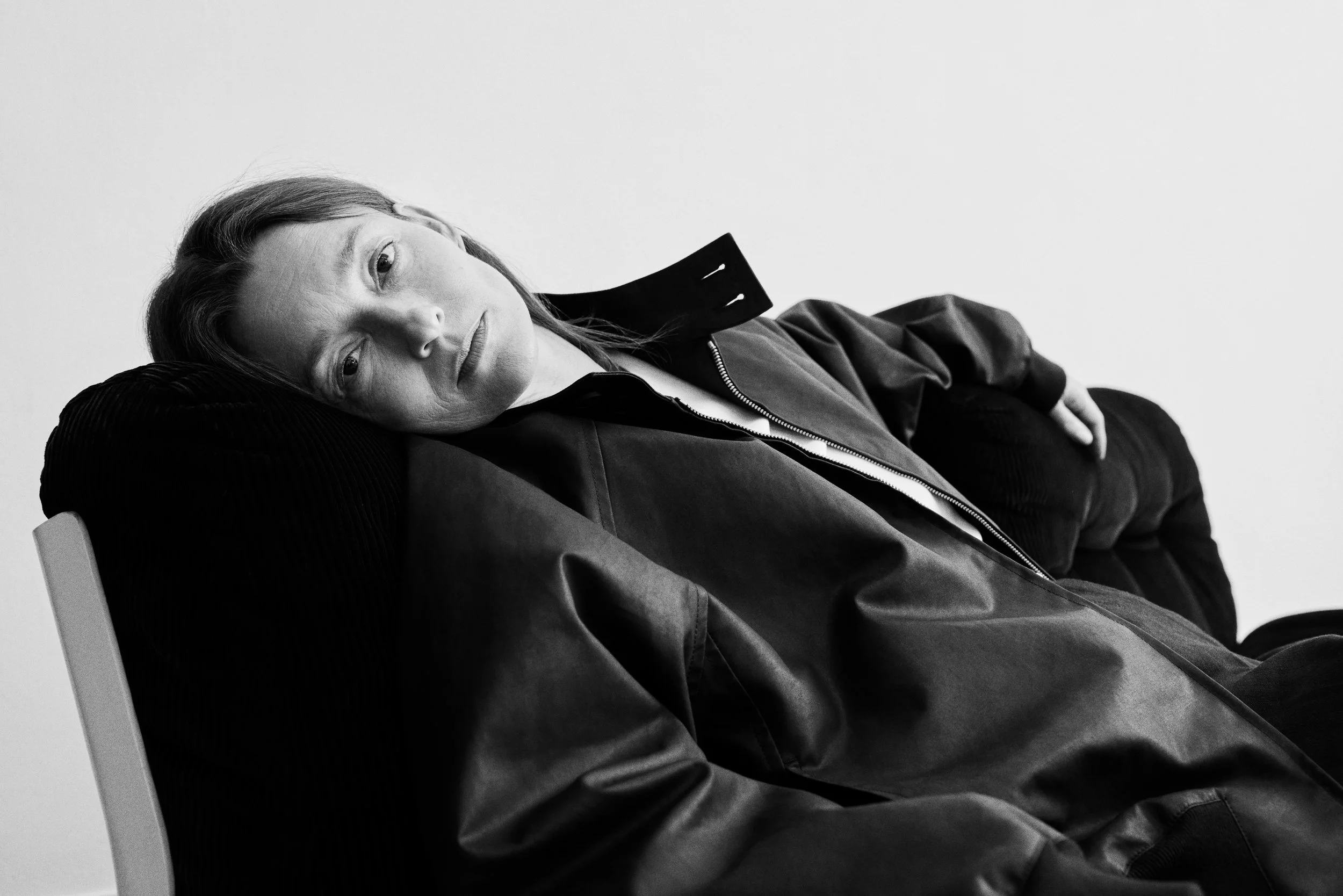
Studio Nicholson’s WOMAN Campaign featuring Audrey Marnay, photographed by Bibi Borthwick.
This ethos extends beyond the major houses. Smaller brands are quietly doing essential work. Nick Wakeman at Studio Nicholson recently launched a WOMAN Campaign that refuses to participate in fashion's current noise. "There are so many perfect young women wearing very expensive clothing that doesn't look particularly authentic," she observes. Instead, she works with women like Audrey Marnay—who has lived a life, has children, opinions, perspective—and photographer Bibi Borthwick, who understands women intimately. Wakeman celebrates women who choose clothing for how it makes them feel, not because Instagram dictates it. She obsesses over what touches your skin, understanding that the physicality of clothing matters.
This is also not a wholesale indictment of male designers. Pieter Mulier at Alaïa continues the legacy of Azzedine Alaïa, who revolutionized how we think about clothing and the female body—clothes that moved with you, honored strength and movement as much as form. Matthieu Blazy's homage to Gabrielle Chanel was revelatory because it understood that her revolution was about agency, not aesthetics. Giorgio Armani redefined workplace dressing by making the power suit sensual without being sexualized, suggesting that women could inhabit spaces of power on our own terms.
These designers saw us as collaborators in the creation of our own images, not as blank canvases for their genius. But they remain exceptions.
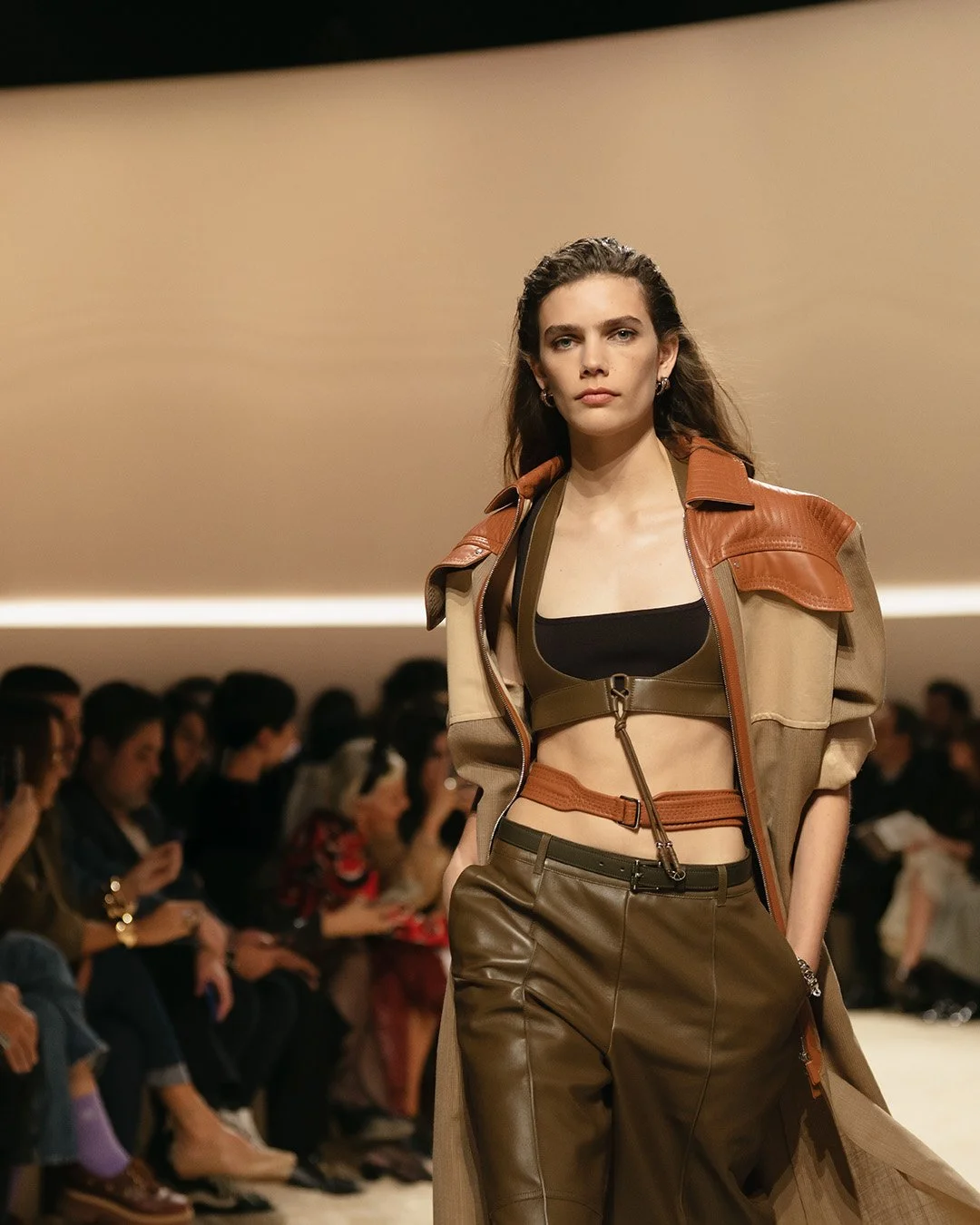
Nadège Vanhée presented free-spirited equestrians for her latest collection for Hermès.
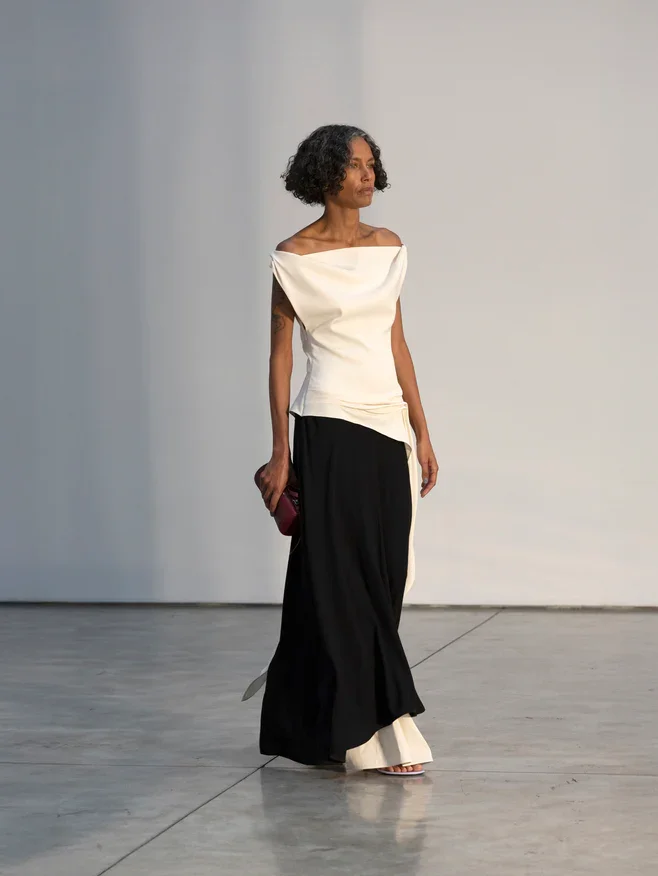
Rachel Scott’s debut collection for Proenza Schouler.
The biggest misunderstanding is that female strength must come at the expense of femininity, that power and beauty are mutually exclusive. This is profoundly old-school thinking. The world loves to tell women we can only be one thing: sexy or smart, powerful or feminine, mother or professional. But our actual power—the power that truly terrifies—lies in our refusal of these false choices. Our strength is in shifting, changing, having the agency to be multiple things simultaneously. We contain multitudes. We are not your muse; we are the artist. Fashion used to understand this. Where is that vision now?
As consumers and lovers of culture, we have agency here. Support designers who create clothes that actually serve women, demand more from fashion media, and, most importantly, reclaim your own narrative. Wear what makes you feel powerful and refuse to apologize for it.
Fashion can be better because it has been better. The question is whether the industry has the courage to actually see women—in all our complexity, power, and refusal to be just one thing—or whether it will continue to sell us a fantasy that serves everyone except the women wearing the clothes.
As art becomes an asset class, gallerists Pilar Corrias, Dominique Lévy and Hannah Traore make the case for the place where its meaning is still decided.