In HUR Levi’s: Charlene Prempeh
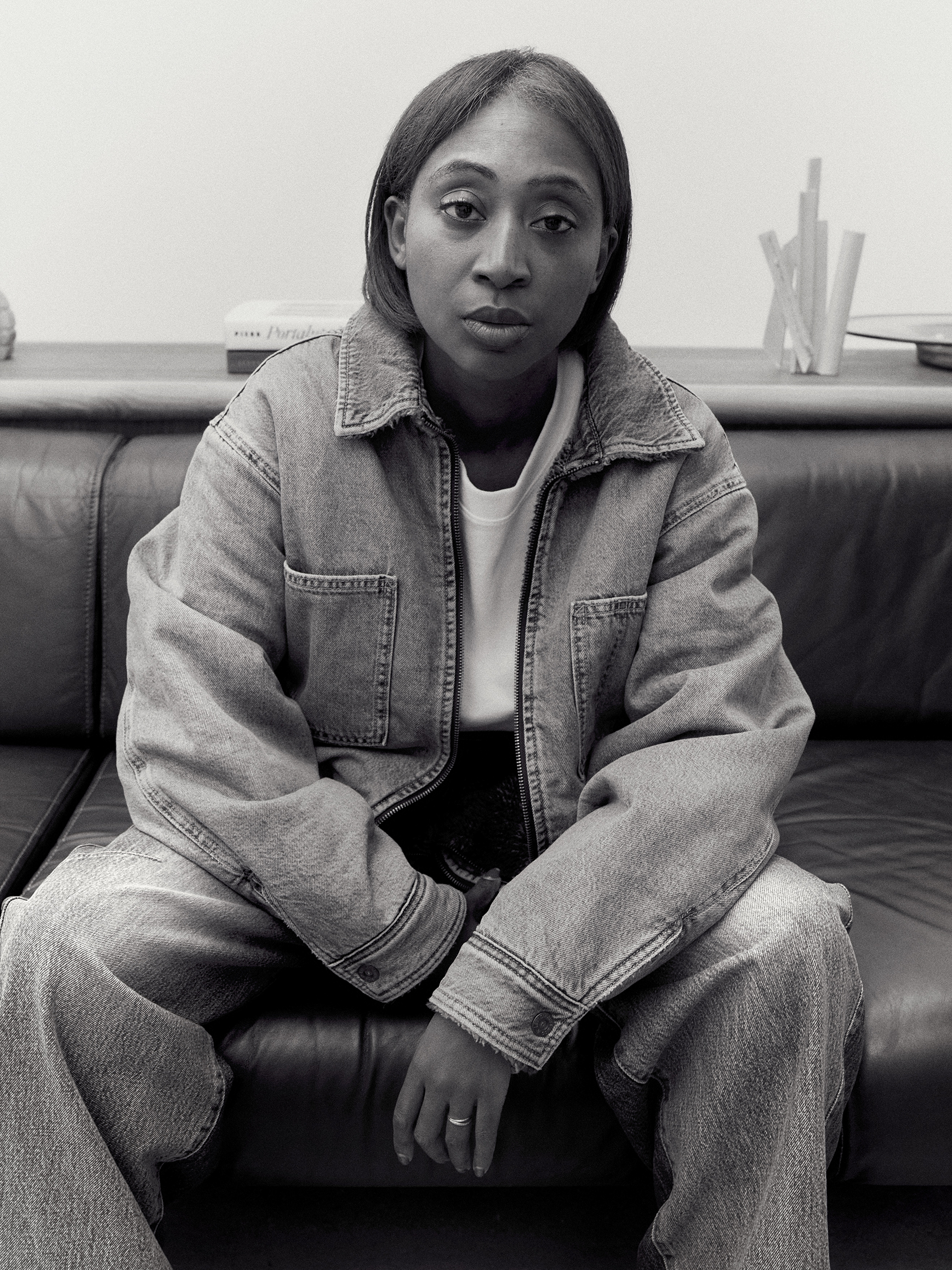
Charlene Prempeh in the Perfect Tee, Reversible Shacket and Baggy Dad Barrel Jeans. Photography by Georgia Devey Smith. Courtesy of HURS.
Charlene Prempeh
There’s no doubt Levi’s jeans are a classic—worn by icons throughout history. But what makes an icon today? And what’s changed in how they wear their Levi’s? We speak with 5 modern day icons—women who lead where culture goes next—in their favourite Levi’s fit.
In partnership with Levi’s®
By Bonnie Langedijk
Charlene Prempeh wrote the first-ever survey of 100 years of Black design because it didn't exist, which tells you everything about how she works. As co-founder of A Vibe Called Tech and author of Now You See Me, she's built a career on pointing at the overlooked and asking why. Whether she's guest curating at the Design Museum or orchestrating Gucci's first shoot in Africa, Charlene, operates from a simple premise: culture has blind spots, and she's interested in correcting the record. She reads compulsively, dresses in voluminous shapes, and believes icons are made, not born. Her work asks one persistent question: isn't it wild we didn't know this story?
Do you think the idea of ‘the icon’ has changed in your lifetime? If so, how?
We live in a time of superlatives. There is a casualness with how the term is used, you’ll often hear someone say ‘x or y is iconic’ so it’s less that the idea has changed and more that the broadness of who it’s applied to is much looser. That’s not necessarily a bad thing; I don’t hate that everyone has main character energy and I think it’s expanded the breadth of disciplines that are recognised.
Do you think icons are born, made, or observed?
I’m really interested in the idea of how icons are created or how people have achieved unusual or unexpected success. There’s an endless stream of books diving into this very topic, from Outliers by Malcom Gladwell where he highlights the obvious point that society and circumstances affect success through to Grit by Angela Duckworth where she argues that effectively persevering is what creates exceptional outcomes. There was also a piece I read in The New Yorker about how dependent it is on being championed. This is all to say that I opt for the idea that icons are made and I find the ingredients of how they are made particularly fascinating.
“When I think of what might be deemed ICONIC, it’s the idea that someone can fundamentally change culture and shift my perspective on how to live life.”
Are there women—past or present—you consider icons? What do they teach us now?
I’m a tiny bit obsessed with Zadie Smith. When I think of what might be deemed iconic, it’s the idea that someone can fundamentally change culture and shift my perspective on how to live life. Every time I read one of her essays, I feel like my understanding of human nature realigns and that I am therefore fundamentally different.
What's interesting about classics or icons is how each generation rediscovers them anew. How do you feel about younger people encountering your work for the first time?
I love the idea of new generations discovering my book, Now You See Me: An Introduction to 100 Years of Black Design, and discovering some of the Icons of the past who might not have been given their dues during their own lifetime. The fact that this survey didn’t exist before still baffles me and I love that the next generation might expand upon and add to it.
How do you make a classic piece like Levi’s feel distinctly yours?
I’ve had so many jobs in retail growing up and what I found funny is that I could always find something to love because oversized, unusual shapes are always my thing and that can be created with any clothes really.
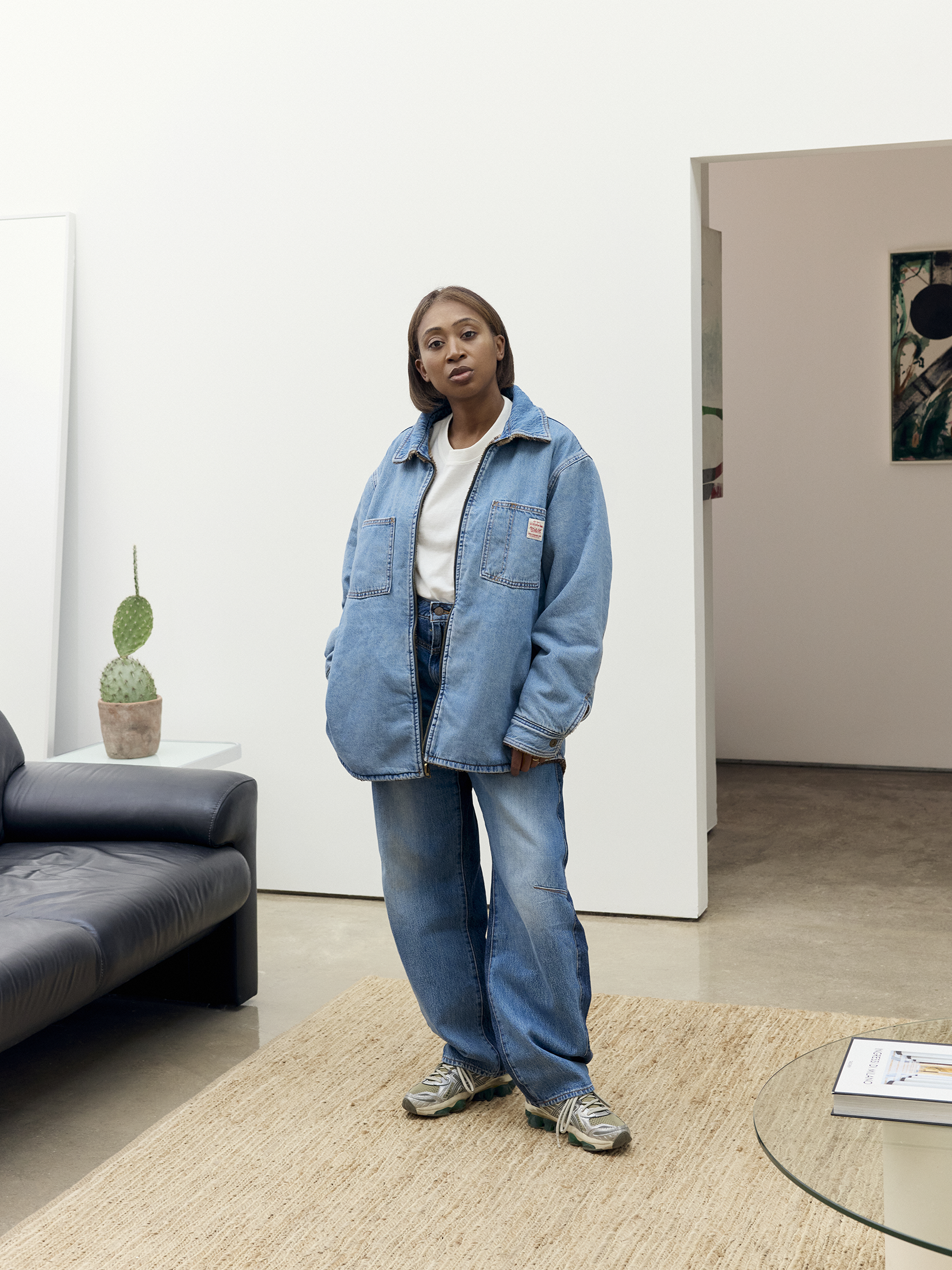
Charlene Prempeh in the Perfect Tee, Reversible Shacket and Baggy Dad Barrel Jeans. Photography by Georgia Devey Smith. Courtesy of HURS.
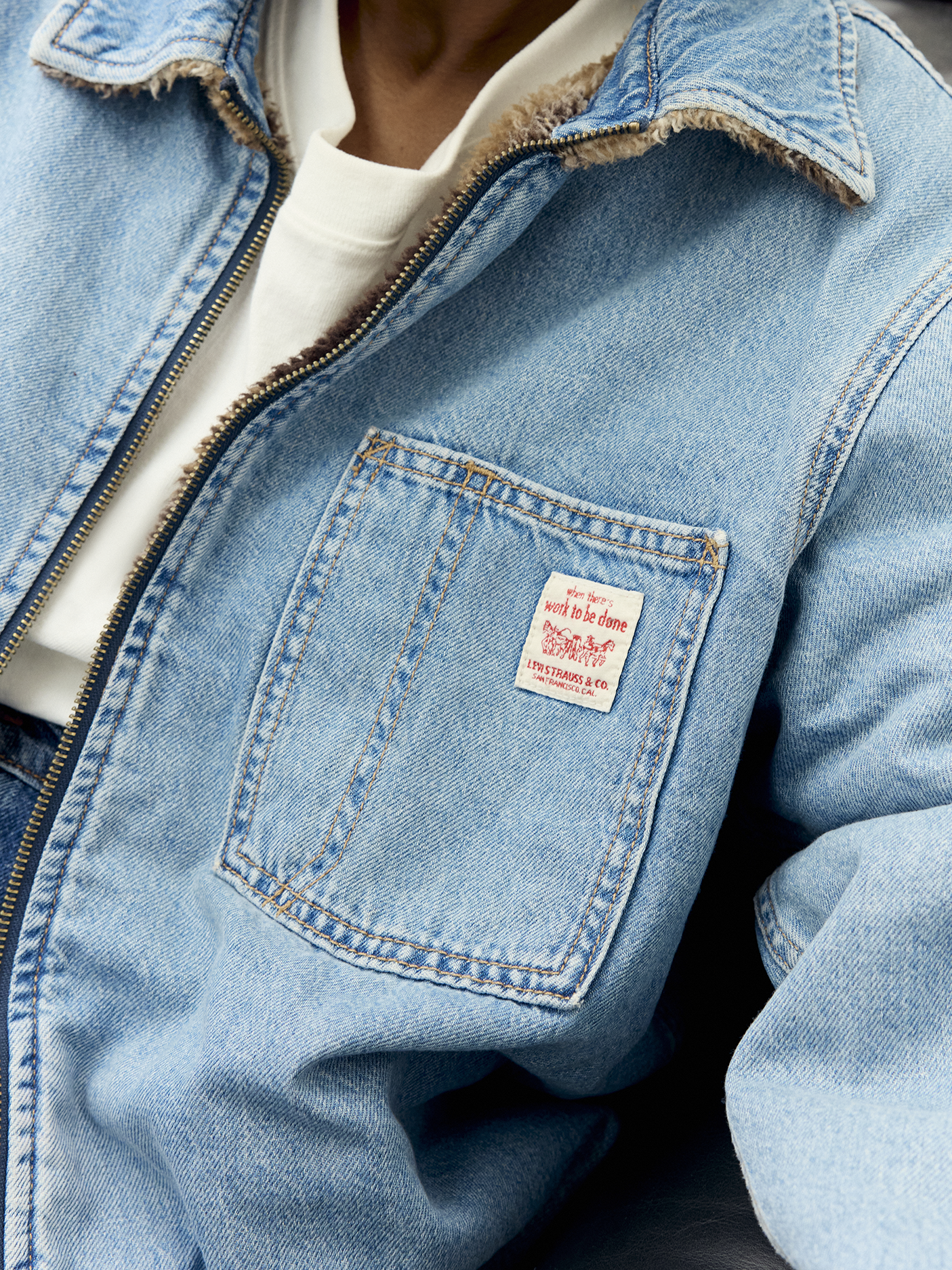
When there’s work to be done, you wear the Reversible Shacket. Photography by Georgia Devey Smith. Courtesy of HURS.
There are certain pieces of clothing that make us feel like ourselves. Why these jeans? Why this fit?
Voluminous silhouettes are my thing. I like the idea that you could trace the outline of my outfit and probably guess that it’s me.
Some things never go out of style because they speak to something fundamental. What do you think your work and the clothes you choose to wear have in common in that regard?
I think there’s a playfulness in both and an attempt to explore the unexpected; a shape or a colour that people might shy away from or a story that feels like a surprise
What’s one thing you always carry with you, literally or metaphorically, and why?
A book or a copy of The New Yorker or both. I go mad if I don’t have something to read. It’s like a meditation for me.
In a world of trends and content, how do you protect your point of view?
I’m not trying to protect my point of view; I’m actually very interested in it changing and shifting and understanding other people.
What do you hope stands the test of time—not just in fashion, but in the ideas you put out into the world?
That there’s a vastness to culture that’s worth exploring. Whether it’s the first project we worked on for Gucci, their first ever shoot in Africa, my book or the upcoming show, The Nue Black Aesthetic, that I’m guest curating at the Design Museum or in my journalism, I’m trying to say, “look at this thing over here, isn’t it interesting; isn’t it wild we didn’t know this story?”
This interview has been edited and condensed for clarity.

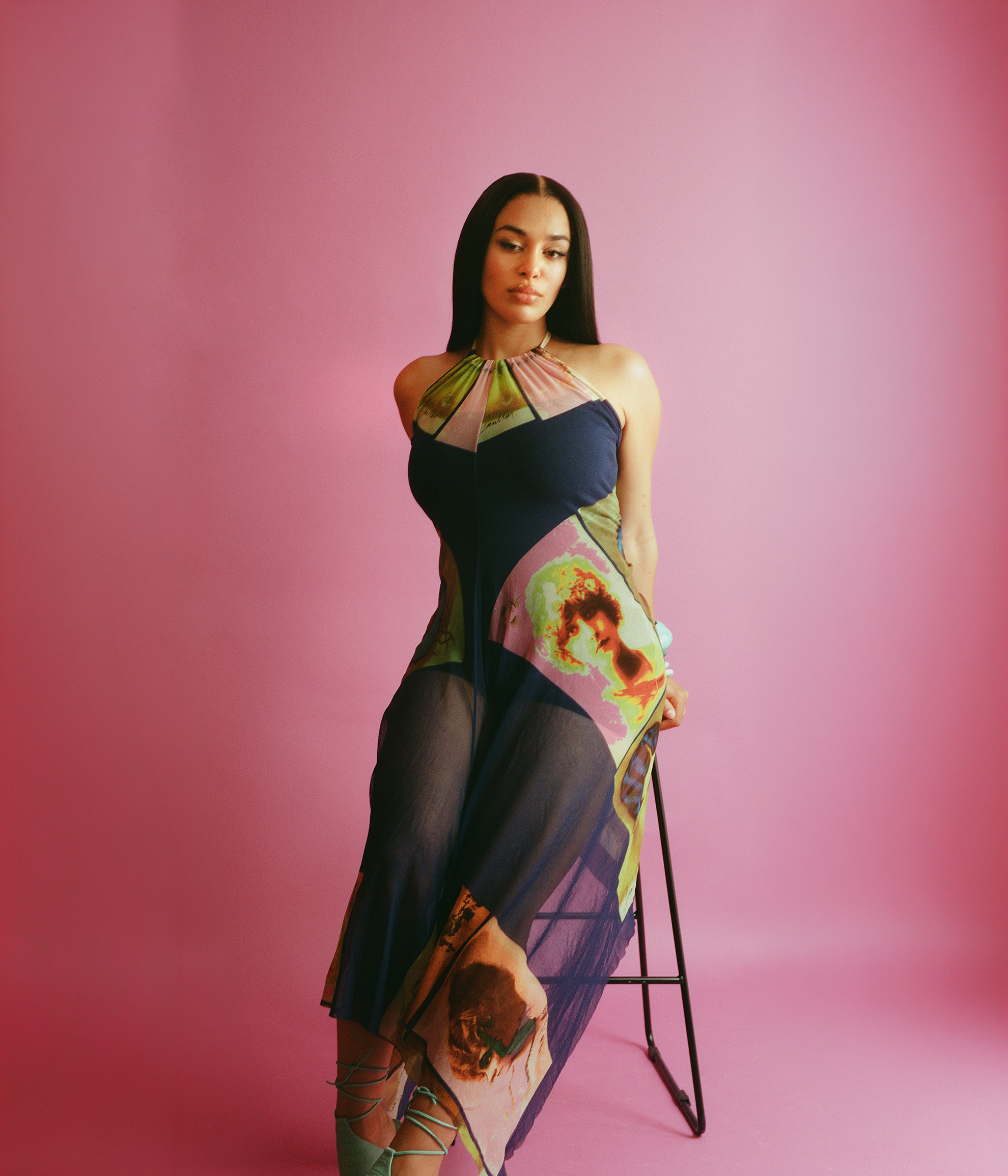

Shaniqwa Jarvis on why photographs are beautiful liars, grief as a portal, and the moment she found her whole practice hiding in a childhood snapshot.