How CHANEL Bottled the Modern Woman
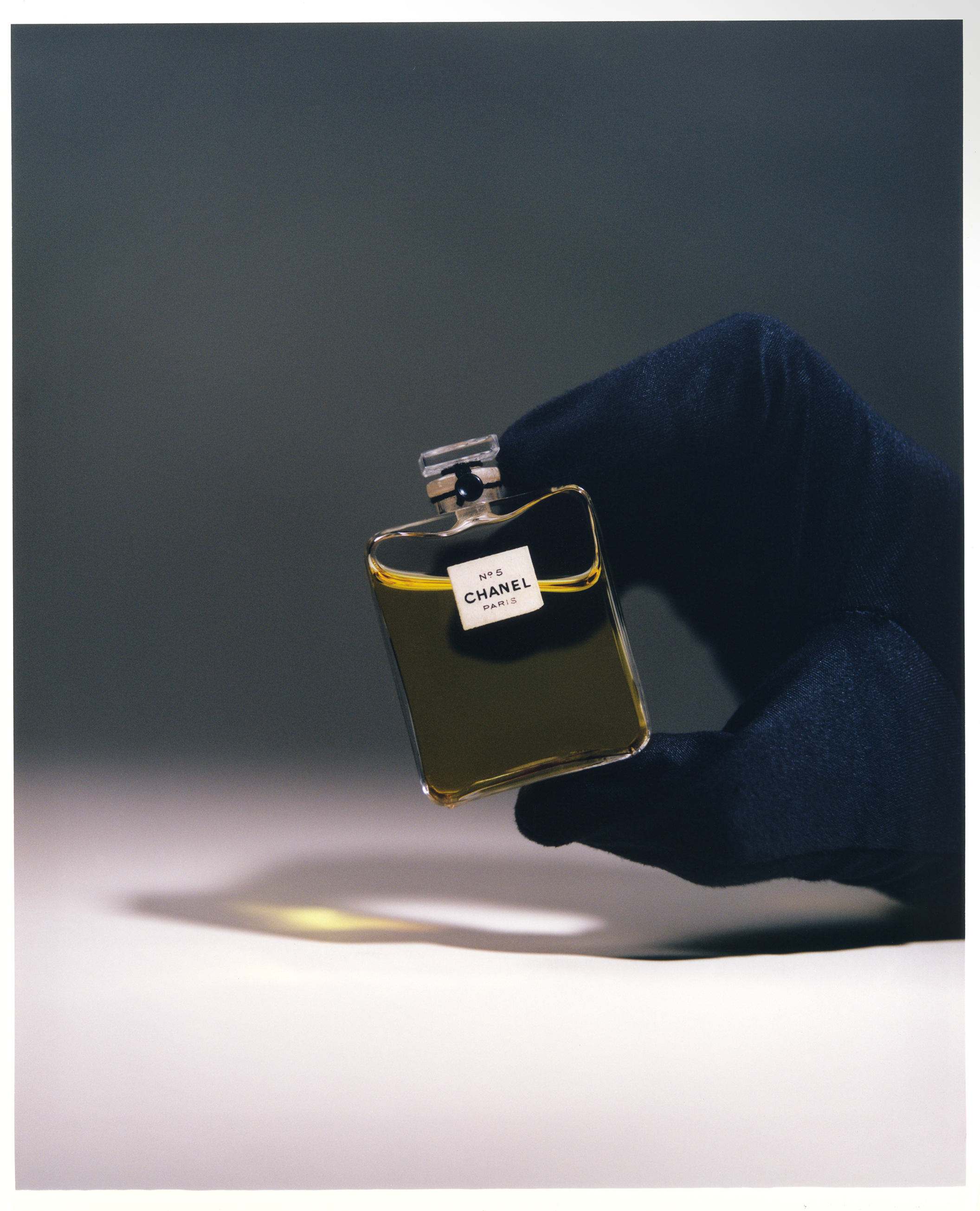
CHANEL N°5 perfume 1921 Patrimoine de Chanel, Paris ©Chanel
How CHANEL Bottled the Modern Woman
IN PARTNERSHIP WITH CHANEL
By Bonnie Langedijk
Perfume, before CHANEL, was a predictable proposition. Women wore singular notes—jasmine, or rose, or lilac—fragrances that were ornamental, decorative, and utterly without complexity. Then, in 1921, Gabrielle Chanel commissioned perfumer Ernest Beaux to create something entirely different: a scent that would smell like a woman, not like a flower.
Where other fragrances of the era sought to replicate the exact scent of a flower, Chanel demanded abstraction. She wanted, as Julie Deydier, Heritage Manager at CHANEL, explains, "to make an artificial perfume, because for her, the idea of a natural scent that directly evoked flowers was very 19th century. It was the past." In rejecting the floral simplicity expected of women's fragrances, Chanel was rejecting the simplicity expected of women themselves.

Gabrielle Chanel in her suite at the Ritz, Paris. Photo published in "Plaisir de France", April 1939 Crédits :© All Rights Reserved
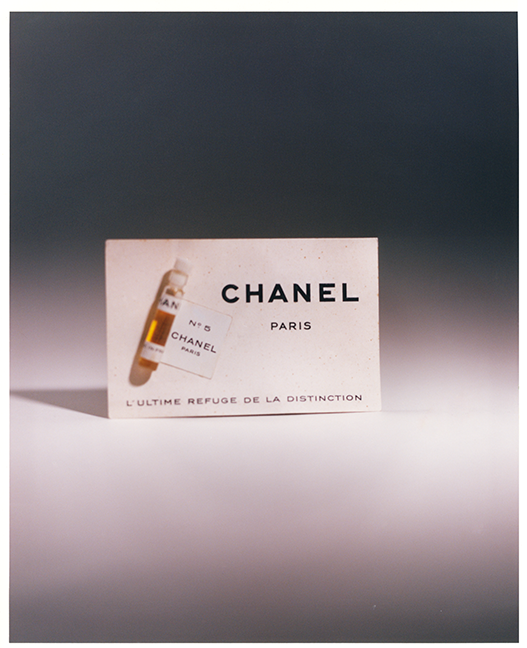
CHANEL Sample card for No5 perfume, L'ultime refuge de la distinction (The ultimate refuge of elegance) Years 1950 Patrimoine de Chanel, Paris ©Chanel
Breaking the Mold
The vessel itself challenged convention with equal force. Where perfume bottles of the time were ornate, decorative objects, No. 5's container was architectural—sharp, angular, geometric. "Everything about that very first bottle from 1921 is radical," notes Deydier. It marked the debut of CHANEL’s now-iconic monogram, establishing fragrance as a vehicle for innovation rather than mere ornamentation.
Chanel understood that scent operates beyond the physical realm. It carries memory, intention, and most importantly, authority. As Deydier observes, Chanel "constructed a perfume the way you construct a garment." The result was something unprecedented: a fragrance that functioned as cultural authorship, allowing women to announce their complexity rather than apologize for it.
The Cultural Architecture of Revolution
Back in 1921, Chanel's cultural instincts were as sharp as her aesthetic ones. "The world she lived in during the 1920s was vibrant. She was connected to artists. We know, for instance, that she hosted grand parties at 31 rue Cambon, with all the most avant-garde artists of the time in attendance," shares Deydier. These soiréés were about networking but also cultural positioning. "After the First World War, a new chapter needed to be written and she was part of that avant-garde reinventing the world." The perfume became an extension of this cultural mission, ushering in a new era where women could be as complex and sophisticated as any artistic creation.
The aldehydes that gave No. 5 its distinctive sparkle were revolutionary in their own right. They produced lift, brightness, a quality that was both sophisticated and unexpected. In a world where women were expected to be pleasant accessories to male achievement, a woman wearing No. 5 announced: I refuse to fade into the background.

Gabrielle Chanel dans les champs de lavande à La Pausa, 1938 Crédits : Photo Roger Schall © Schall Collection
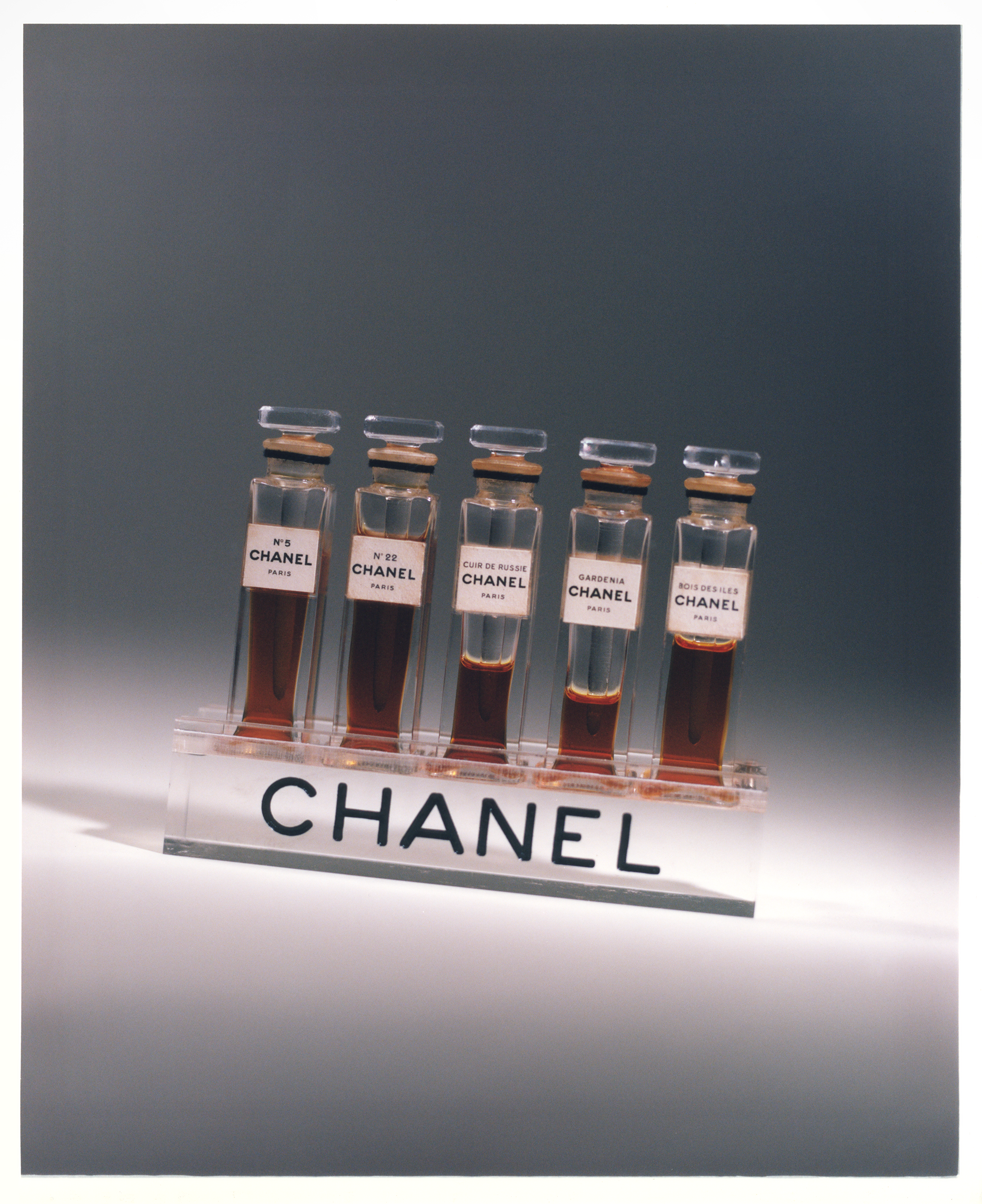
CHANEL Display with 5 tester bottles for No5, Cuir de Russie, Gardenia, Bois des Iles and No22 perfumes Years 1930 Patrimoine de Chanel, Paris ©Chanel
Guardians of Legacy, Architects of Progress
Today, CHANEL fragrance operates under custodians who understand themselves as guardians of something larger than commerce. Sylvie Legastelois, Director of Packaging Creation and Graphic Identity, embodies this philosophy. When asked about updating the iconic No. 5 bottle for its centennial, her response was definitive: "Someone came to me and asked if I wanted to change anything about the bottle. I said no. It's doing perfectly well. There's no reason to modify it."
This confidence reflects not conservatism but wisdom. "Part of my job is to act as guardian of the temple," Legastelois explains. "I need to make sure No. 5 stays in tune with the times, so it gets adjusted when necessary, but never altered without reason." The bottle, she notes, "really is an artistic creation. That's why it's inspired so many artists. Warhol, most famously."
Her understanding of the psychological dimension reveals fragrance's deeper power: "The bottle really matters. I wouldn't go as far as to say a perfume smells better if the bottle is beautiful, but I do think it makes people dream more. Some people buy perfumes and never even open them. They're happy just to own them, to look at them."
The Endurance of Cultural Revolution
The women who have embodied CHANEL over the past decades, tell their own story about the brand's enduring cultural impact. Marilyn Monroe's 1952’s—"What do I wear in bed? CHANEL No. 5, of course"—established the fragrance as a cultural touchstone, suggesting that a woman's sensuality carried independence and power. Gabrielle Chanel's own appearance in early No. 5 advertisements, followed by Catherine Deneuve as the iconic face of No. 5, and most recently Margot Robbie with her equally fearless approach to seizing the moment, these women spoke as individuals, not stars.
There was a deliberate refusal of using women as a talent or a prop. The individual comes first rather than defining someone through a singular scent. And while each woman was entirely different, they each perfectly represented what CHANEL had always celebrated: the multifaceted nature of powerful femininity. Like the fragrances themselves, these women possessed complexity, contradiction, depth. They could never be captured in simplistic terms.
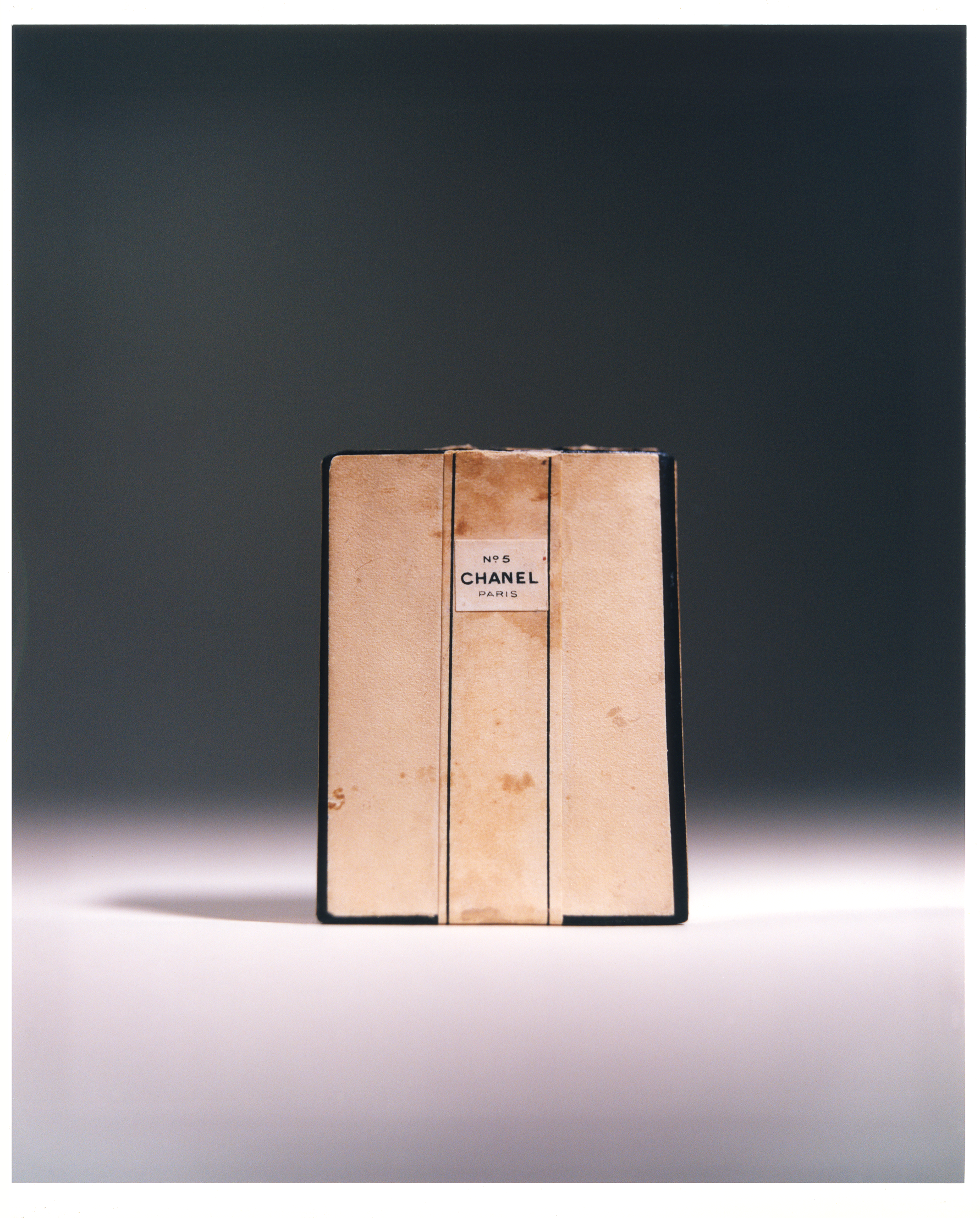
CHANEL Case for No5 perfume 1921 Patrimoine de Chanel, Paris ©Chanel

Marilyn Monroe and N°5. Courtesy of CHANEL.
Complexity in a Simple World
Today, under Olivier Polge's direction, CHANEL fragrance continues evolving while maintaining its revolutionary core. What has shifted is the cultural context. Where CHANEL once had to argue for women's right to wear sophisticated, complex fragrances, today the house operates from established authority.
But perhaps the challenge has grown more urgent. In a world increasingly dominated by fast fashion and instant gratification, CHANEL’s approach represents something rare: the belief that true luxury lies in excellence rather than accessibility, in sophisticated complexity rather than simplicity.
CHANEL’s revolution wasn't just about changing how perfume smelled; it was about changing how women were allowed to exist in the world. By creating fragrances as complex and powerful as the women who wore them, CHANEL helped establish a new cultural paradigm: that feminine sophistication could be bold rather than demure, assertive rather than accommodating, intellectually complex rather than decoratively simple.
This philosophy extends far beyond fragrance into contemporary culture. Today's cultural conversation around female empowerment, carries the DNA of CHANEL’s original rebellion. As Legastelois observes, "We all share the responsibility of taking care of the House's legacy." But this goes beyond preservation. It's an active curation of an ongoing revolution, one that began with a simple but radical proposition: that women deserved fragrances as complex and powerful as they were themselves. That revolution continues to unfold, one carefully crafted scent at a time.
As art becomes an asset class, gallerists Pilar Corrias, Dominique Lévy and Hannah Traore make the case for the place where its meaning is still decided.